
What does WA state’s drought emergency mean for watering lawns and boating in Tri-Cities?
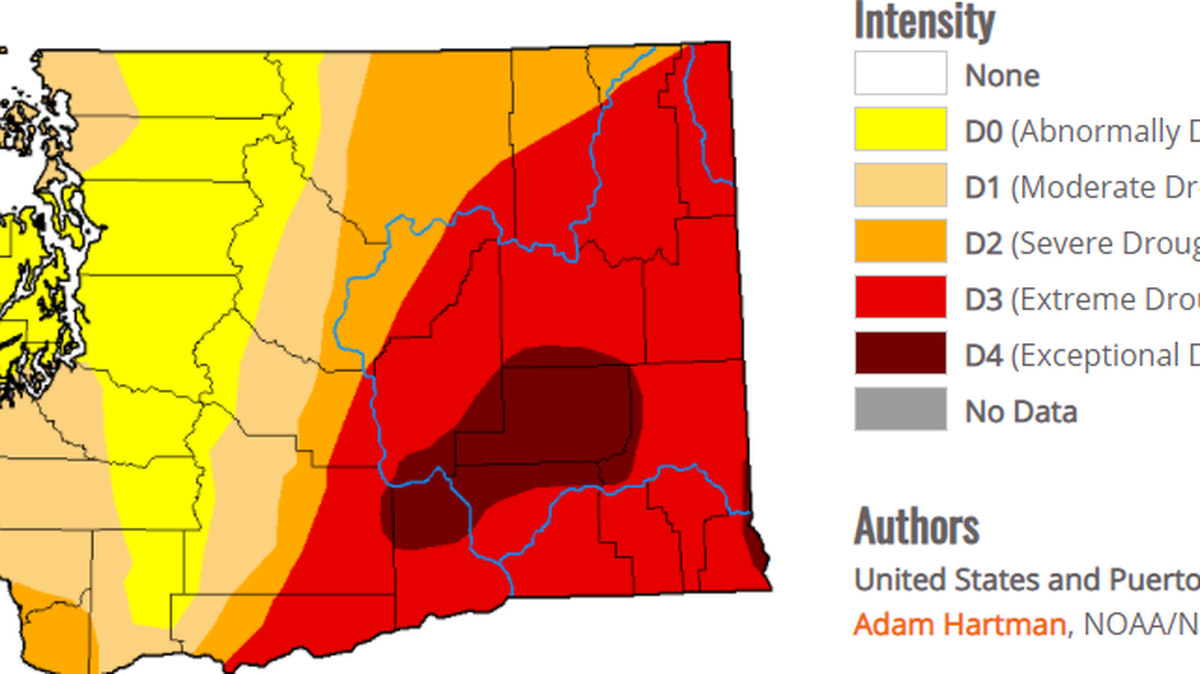
A dry spring combined with record-setting summer heat led the state to declare a drought emergency this week.
Gov. Jay Inslee’s emergency declaration is geared at helping farmers and fish, which have both been hit by the drought and high temperatures.
Southeast Washington is facing the worst of it.
This week the U.S. Drought Monitor declared northern Benton and Franklin counties in “exceptional drought” with the rest of the Mid-Columbia in “extreme drought.”
While cherry producers, wheat farmers and cattle ranchers may get some relief with the emergency declaration, what about your lawn and garden?
What is a drought emergency?
A drought emergency means the water supply is forecast to be below 75 percent of average. The declaration allows federal officials to speed up processing emergency drought permits, process temporary water rights transfers, provide money to public entities and hold public education workshops.
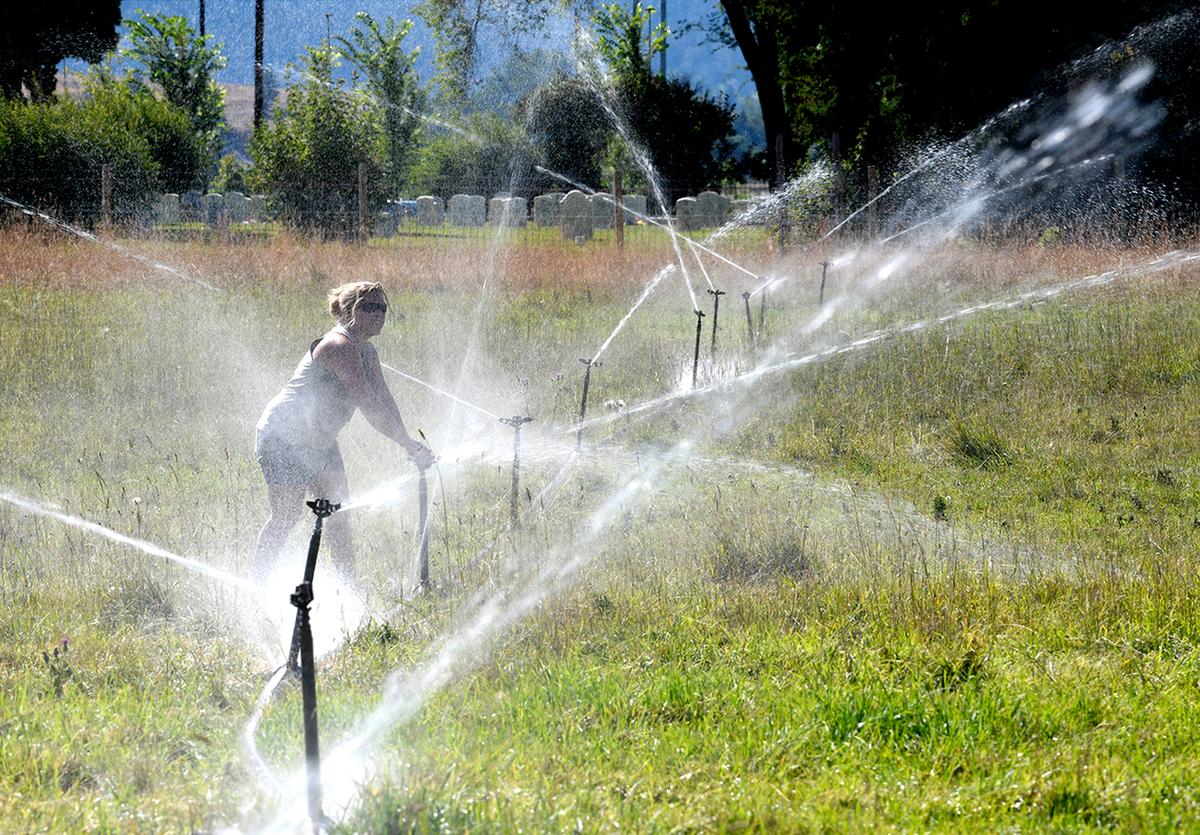
Do I have to cut back on watering my lawn?
While water supplies in some sections of Eastern Washington have faced cuts, the Tri-Cities has largely been insulated from needing to cut back.
Water for all Tri-Cities is drawn from the Columbia or Yakima rivers, and those are fed by mountain snow, which was normal this year.
Matthew Berglund, the Kennewick Irrigation District’s public relations coordinator, explained it is still important to conserve water in our arid climate.
He suggested watering less for longer periods and to avoid the peak times of 6 to 8 a.m. and 5 to 7 p.m.
You can tell it’s time to water when the grass becomes a dull green and footprints remain in the grass.
The recommendation is to water two to three times a week, applying about a half inch to 1 inch each time. That’s about 15 to 30 minutes of watering for a typical sprinkler.
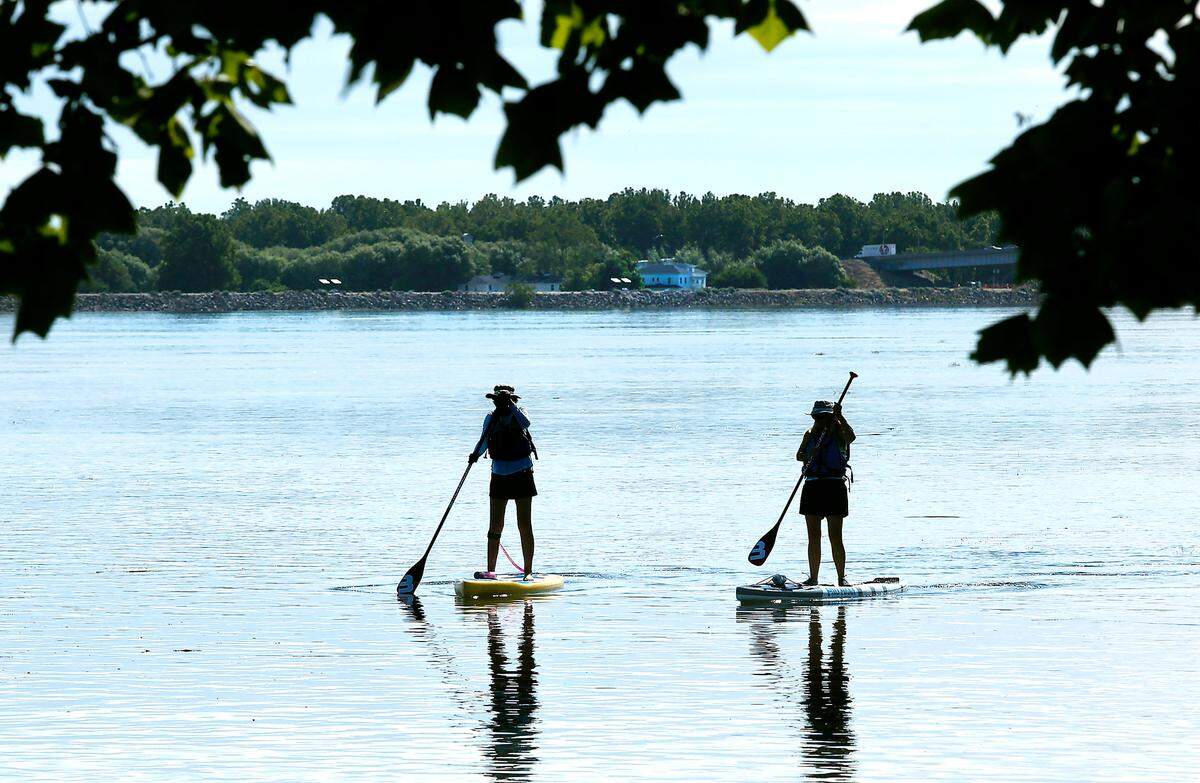
Will boating and fishing be affected?
Large rivers like the Columbia and Yakima are filled with water collected in reservoirs from the winter snowpack, so area residents may not notice much difference. Columbia River levels also are controlled by the dams.
The larger concern is for small streams and creeks without reservoirs to store water — including some west of Prosser and in Walla Walla county. Their water is low because recent 100+ temperatures caused snow to melt early.
As temperatures increase in those streams, fish there are likely to struggle. Some streams could even run dry, according to the Washington state Department of Ecology.
How do I protect flowers and trees but also save water?
The Gardener’s Journal offered several tips for helping plants survive droughts.
- Watering deeply, but infrequently. A weekly deep soaking is better than daily watering.
- Apply the water directly to the soil. This can be done with soaker hoses, a tree bag or other device.
- Water slowly.
- Use a 2- to 3-inch layer of bark mulch, shredded leaves or pine straw to help conserve moisture.
People can also contact the WSU Master Gardener’s Program at 509-736-2726 on Mondays from 10 a.m. to 2 p.m. or in person from 9a.m. to noon on Wednesdays and Saturdays at the Demonstration Garden, 1620 S. Union St., Kennewick.
Longer term, Tri-Cities area residents should consider switching to water-wise landscaping and gardens.
Heritage Gardens of Columbia Basin provides information on selecting plants native to the area that are adapted to low-water conditions and has advice on gardening techniques for a sustainable landscape. Go to hgcd.info for more information.
How can I save water in the house?
State Ecology officials offer these tips on saving water.
- Use a leak-free, high efficiency toilet, and use a wastebasket for trash.
- Turn off the water while shaving or brushing teeth.
- If you take a bath, plug the drain right away and adjust the temperature as you fill the tub.
- Turn off the water while you lather when washing your hands.
- Thaw foods in the refrigerator overnight instead of using water.
- Wash only full loads for dishwashers and clothes washers, and make sure to use the appropriate water level or load size selection when washing clothes.
This story was originally published July 16, 2021 at 12:18 PM.