The Port of Benton has one competitive race on the Nov. 4 ballot.
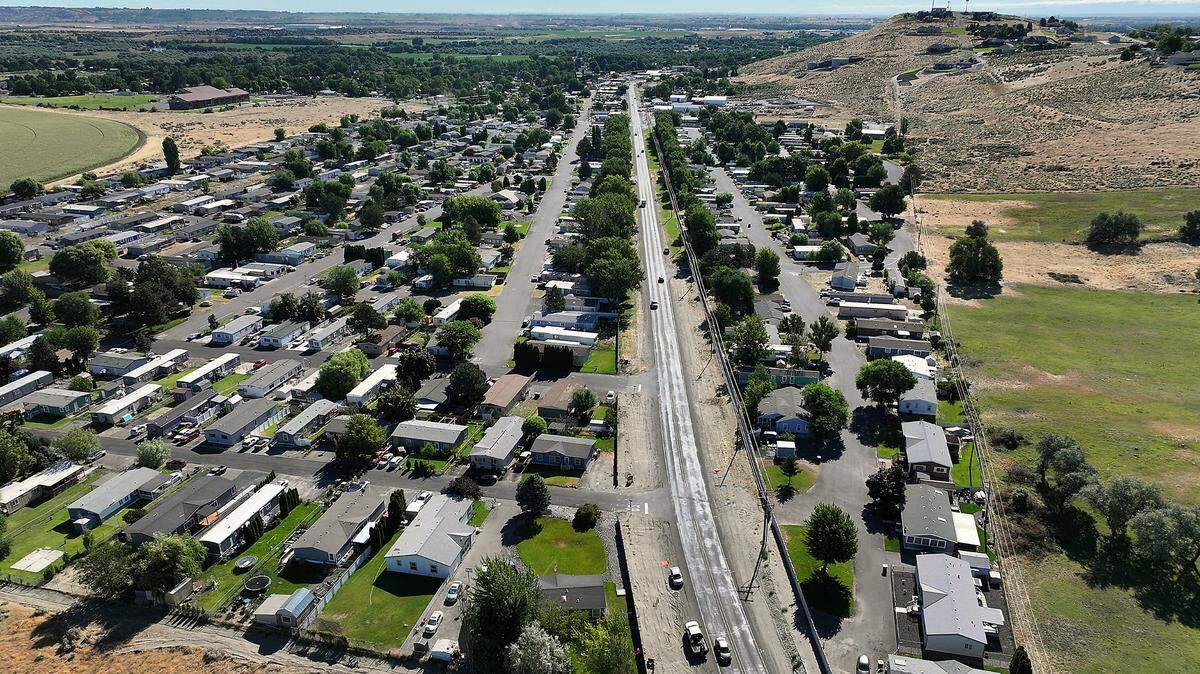
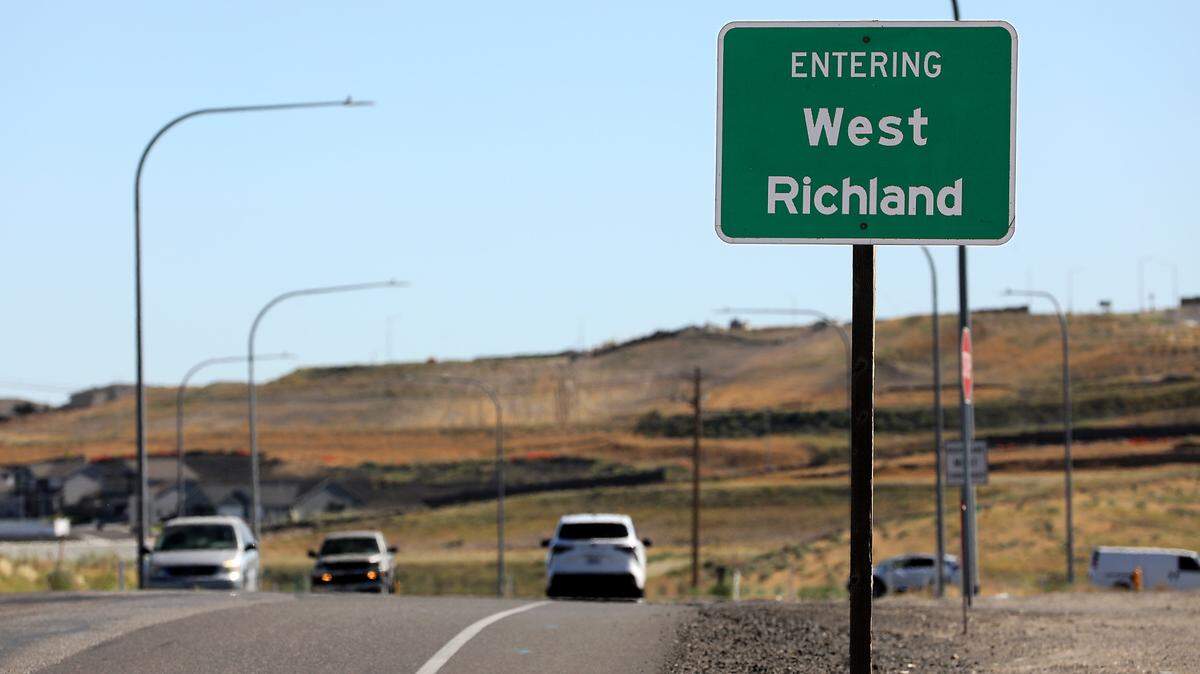
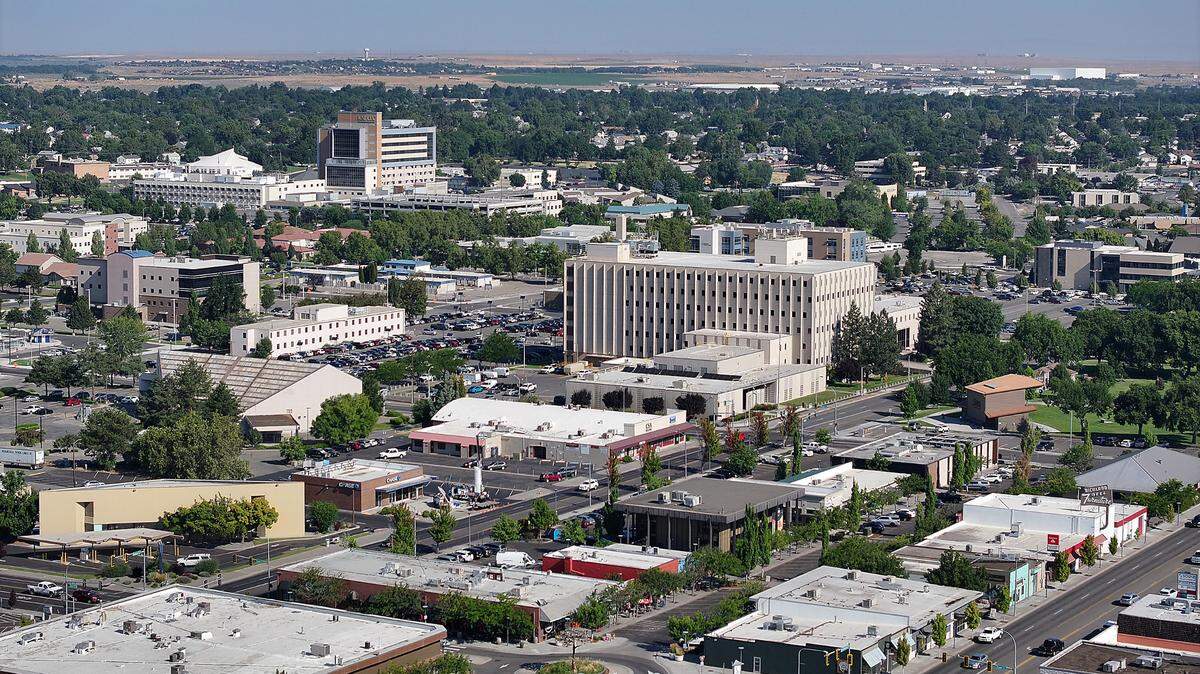
The port is the economic development agency serving an area that extends from Richland to Prosser in western Benton County.
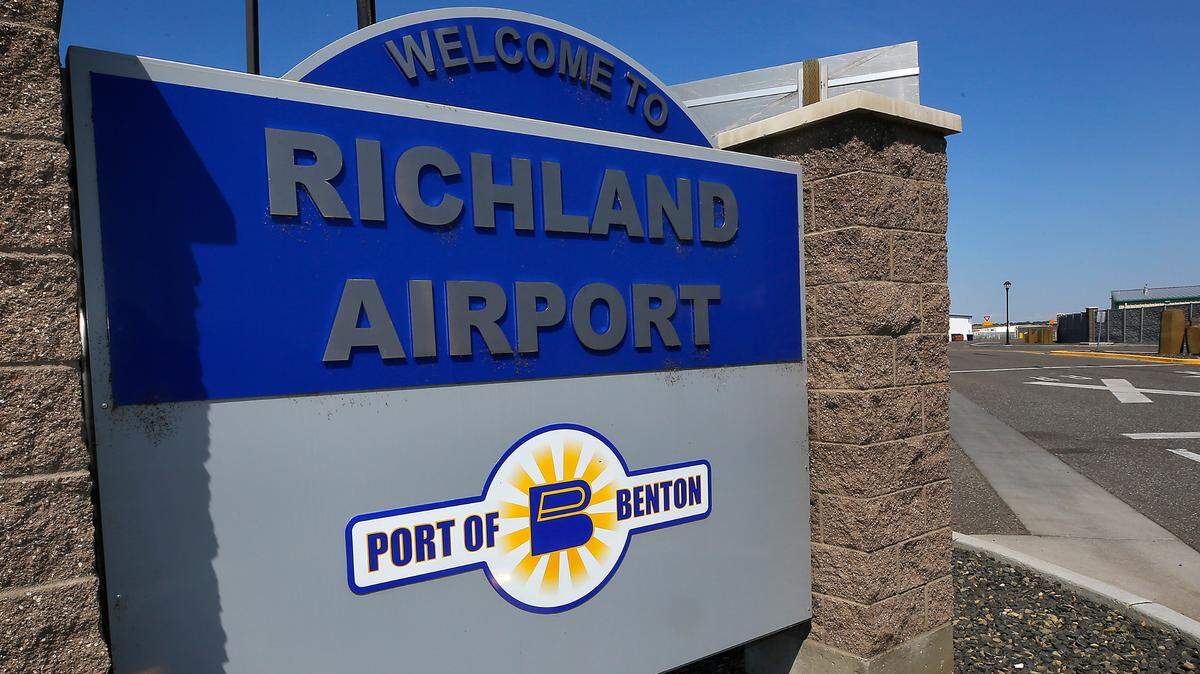
The port operates the Richland and Prosser airports, a barge terminal on the Columbia River and numerous industrial and office parks that lease space to some of the area’s largest employers.
The port is managed by an executive director, Diahann Howard, who answers to the three-person elected commission.
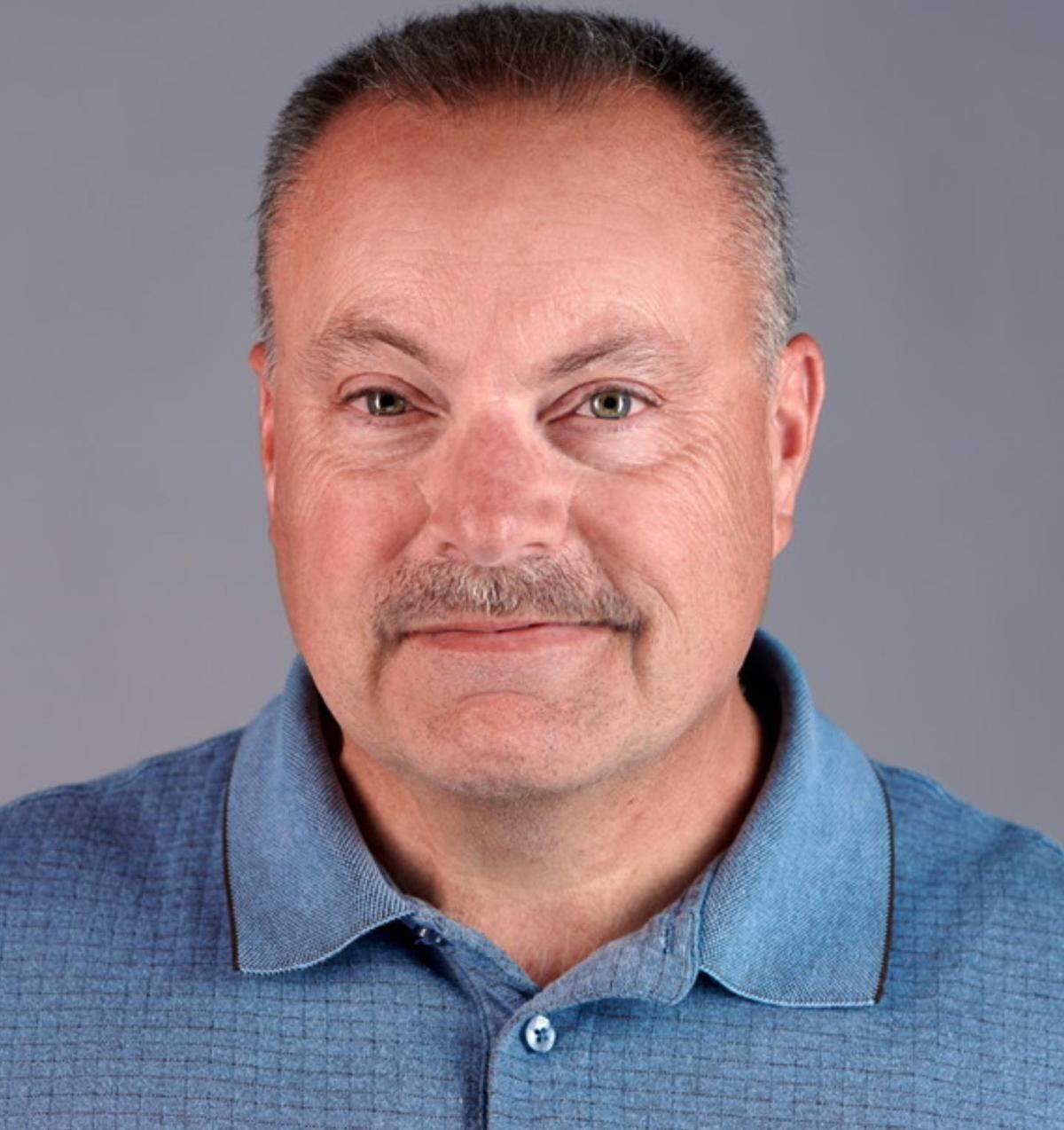
Incumbent Roy Keck is being challenged by Bill O’Neil.
The Tri-City Herald sent each candidate a list of questions from readers and our newsroom. Candidates were asked to answer the same questions as their opponent, or respond to a question relevant to a specific position an incumbent has taken.
Click on each question to show the candidate’s answer.
Frequently Asked Questions 1. What is it about the role of port commissioner that appeals to you?
The role of port commissioner appeals to me because it combines advocacy, leadership, and service with real opportunities to shape the future of our region. I value the chance to support agriculture, manufacturing, and energy—particularly advancing new nuclear and hydropower, which are vital to keeping our economy competitive. I also see this role as a way to protect and grow community assets while ensuring taxpayers see a return on their investment.
Beyond the boardroom, I enjoy being active in community events like Cool Desert Nights and the Prosser Balloon Rally, where we see firsthand how our ports and industries tie into local life. Serving in this role allows me to listen, learn, and work alongside neighbors while tackling challenges and pursuing opportunities that make our economy more resilient. This position is about building trust, planning wisely, and ensuring the next generation has strong economic foundations.
2. Do you support the port’s current leadership and priorities? Why or why not?
Yes, I strongly support our current leadership and priorities. Under the guidance of our executive director and staff, the Port of Benton has raised the bar on integrity, financial management, and accountability. They have implemented new systems, addressed legacy issues, and ensured compliance with state and federal requirements.
Importantly, they have positioned the Port as a respected partner locally, statewide, and nationally—particularly in advancing the new nuclear supply chain, agriculture, and rail. These efforts have already attracted significant state and federal grants and created momentum for industrial prospects. I appreciate how the port team follows commission direction and strategic planning while being willing to address tough challenges transparently. Unfortunately, my opponent has sought to undermine this progress by siding with a narrow special interest intent on preserving the status quo. I believe the Port must continue its forward-looking work to strengthen assets, foster growth, and serve all constituents equitably.
3. What are the three things the port can do to settle the uproar at Richland Airport?
First, the Port must continue implementing fair and transparent lease agreements that reflect market realities. Many tenants understand that rates have gone unchanged for years, and the stair-step increases recently approved by the commission are reasonable.
Second, we must ensure compliance with grant requirements tied to the $26 million in federal FAA dollars the airport has received. Ignoring these obligations for the benefit of a small group undermines trust and risks future funding.
Third, we must hold firm on addressing water and utility compliance issues—side deals made under past administrations without commission oversight were unfair and damaging. These steps—transparency, fiscal responsibility, and compliance—create fairness for taxpayers and tenants alike. My opponent prefers protecting a clique of hanger owners at the expense of accountability, but I will continue shining light on these issues, pressing for reforms, and working constructively with staff and tenants to safeguard this public asset.
4. Do you have a favorite story about a business succeeding because of the Port of Benton?
There are many, but one that stands out is Chukar Cherry Company in Prosser. What began as a small startup has grown into a widely recognized brand, and the Port has played a consistent role in supporting their success. Another example is during the challenges of COVID, when we secured new small business tenants—Corks and Taps, Wautoma, and Sister to Sister on the Ave. Despite the difficult timing, these businesses have continued to grow and thrive, showing how the Port can be a lifeline during uncertain times.
In Richland, Hi-Line Engineering is another success story—they expanded by leasing and later purchasing Port property, creating new jobs and opportunities. Each of these reflects what I value most: the Port’s ability to support entrepreneurship, help businesses scale, and adapt to changing times. These stories demonstrate the Port’s role as a partner in innovation, growth, and resilience across our communities.
5. The Port has several major investments pending, including Atlas Agro. Is this the right strategy?
Yes, I believe projects like Atlas Agro represent the right strategy for the Port. Atlas Agro is more than just a facility; it brings over 250 permanent jobs, $1.2 billion in private investment, and a ripple effect of opportunities for local vendors and trades. Their requirement to plan their own power interconnect with BPA not only supports their operations but strengthens our regional infrastructure, benefiting surrounding businesses and communities.
Beyond job creation, projects like this align with the Port’s mission to diversify our economic base and prepare for the future. They help keep agriculture competitive in global markets by providing local access to fertilizer production while also supporting the growth of small businesses tied to the supply chain. While large projects take time, they set the stage for sustained prosperity and reinforce Benton County’s reputation as a hub for clean energy, agriculture, and advanced manufacturing.
6. What do property taxpayers get in return for their investment in the Port of Benton?
Property taxpayers in Benton County receive measurable returns through jobs, investment, and infrastructure that strengthen our economy. The Port has transitioned federal lands into productive use, supported clean energy and agricultural innovation, and created diverse assets—from business parks and airports to rail and river access. Over 3,000 jobs are supported by companies on Port properties, contributing $600 million annually to our economy, or 5% of Benton County’s total output.
The Port also delivers strong fiscal stewardship, lowering its levy rate for seven consecutive years while funding 64.6% of 2025 capital projects with grants instead of taxes. Investments like rail upgrades, industrial parks, and the upcoming Northwest Intermodal Facility directly benefit farmers, manufacturers, and small businesses by reducing costs and expanding markets. Taxpayers are funding more than infrastructure—they are supporting a catalyst for sustainable growth, community vitality, and opportunities that benefit future generations across Benton County.
Bill O’Neil did not respond to the candidate questionnaire.