
COVID response and experience defining tight Franklin County commissioner race
The unusual three-way race for Franklin County commissioner appears to be about how well the candidates can manage the oftentimes fractious board.
Incumbent Brad Peck, a Republican, has not one but two opponents heading into the general election.
Democrat Kim Lehrman advanced from the primary, and a write-in candidate from Peck’s own party has joined the race.
One of Peck’s strongest arguments is he’s the only candidate with experience necessary to manage the continuing issues left in the wake of the COVID-19 pandemic.
Peck’s district is entirely contained within Pasco city limits, including the southern and western portions of the city.
The three-term commissioner has opponents on both sides of the political spectrum.
Lehrman, who trailed Peck by just 82 votes in the three-person primary, criticized Peck’s support of an April 11 resolution telling county businesses they could open despite Gov. Jay Inslee’s stay-at-home order. And she criticizes Peck for failing to show enough support for the Benton Franklin Health District.
Peck, for his part, rescinded his support of the resolution within hours of voting for it, calling it a mistake and saying he had wrong information about Inslee’s authority to close businesses.
He voted to repeal the resolution during an emergency session the following day.
Fellow Commissioner Clint Didier refused to change his vote, and has since been pushing for candidates who are challenging Peck. That includes Franklin County Auditor Matt Beaton, who failed to make it through the primary, and now write-in candidate Stephen Bauman.
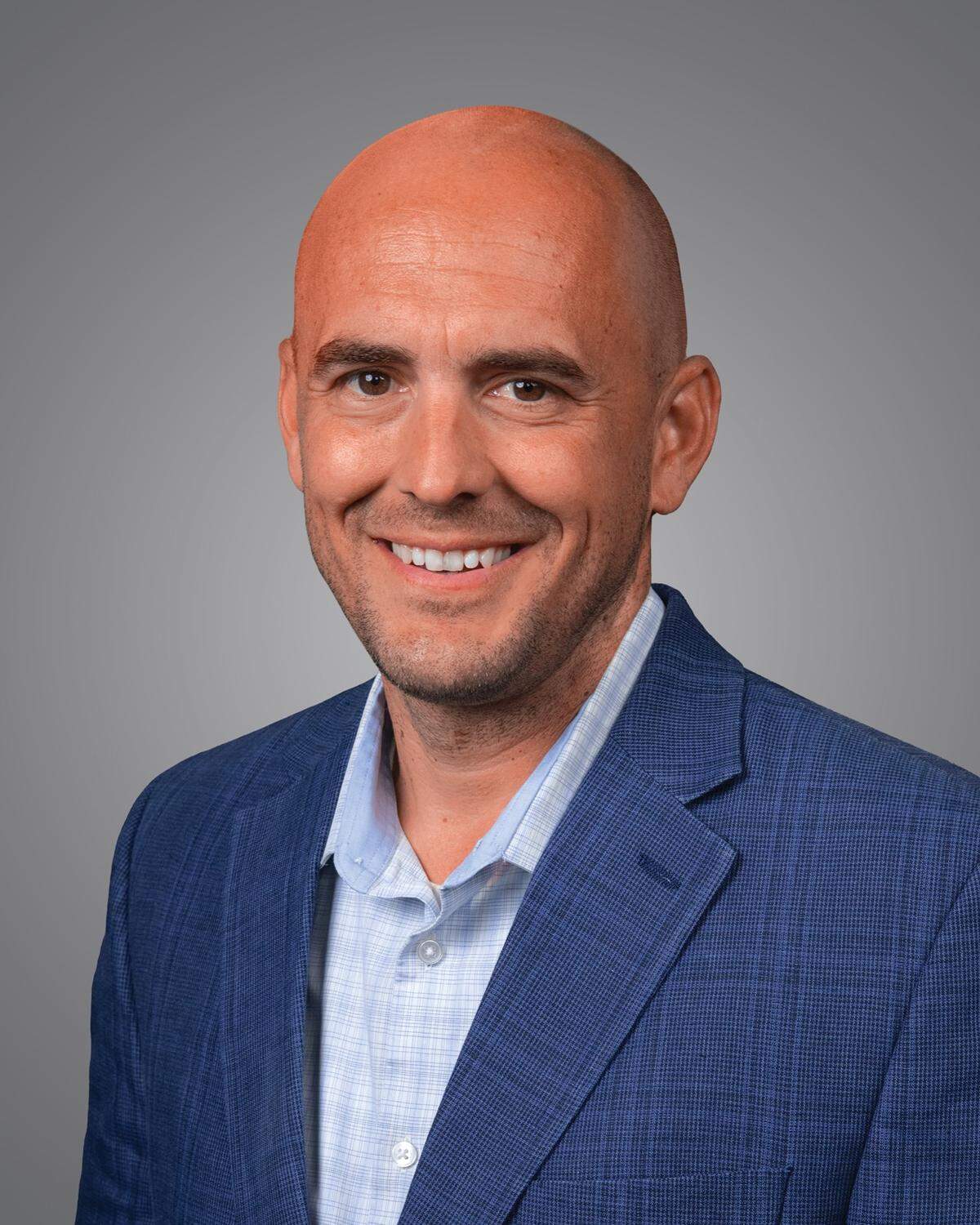
While Didier and Peck have often found themselves at odds, Bauman said he is not pursuing the seat at Didier’s insistence. Bauman is a Franklin County Republican Party precinct committee officer and cattle rancher.
Experience
Peck’s experience as a commissioner with ties to local and state officials is the reason he says he’s seeking another term.
Commissioner Bob Koch is leaving the board and will be replaced by someone new. And Commissioner Clint Didier has just two years on the board.
“If we were to elect a brand-new commissioner in the seat that I am currently in, that would give us a board with two brand-new commissioners and one that is fairly new,” he said. “I don’t think that serves the best interests of the county.”
With all of the potential issues facing the commissioners, he doesn’t believe this is the right time to leaving the board.
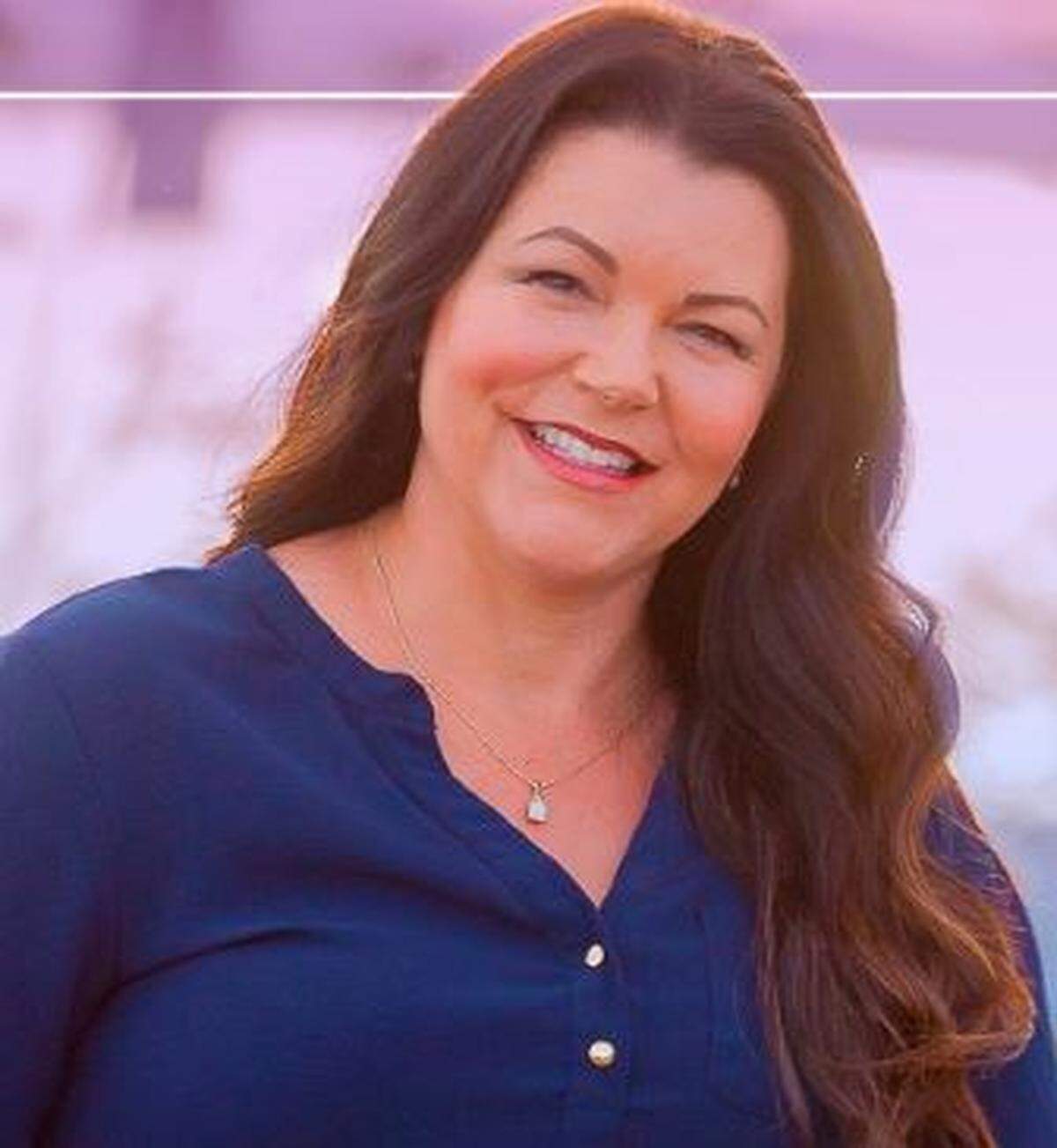
But Lehrman believes that experience has led Peck to become calcified. While she doesn’t have experience as a commissioner, she said working on her family’s farm, in schools and with school government have given her training for dealing with difficult problems and people.
She said Peck has managed from the top down, and she wants to make sure to include all of the parts of the county in planning.
“I was raised on my family’s cow and alfalfa farm where I learned the value of hard work, and I also learned the best way to get a job done is to work as a team, where everyone feels supported and listened to,” she said.
She would also like to make it more accessible for people who don’t speak English by providing translation services.
COVID pandemic
Lehrman believes Peck’s vote on April 21 to defy the governor’s stay-at-home order and declare the county open was irresponsible.
The unanimous resolution by the Franklin County commissioners stated that the county was “open for business,” but ignored the reality faced by many of the people in the county, she said.
“It made me jump out of my seat and ask the question, ‘Who is asking those that are suffering from the Tyson COVID outbreak?’” she said. “Who was asking how to lead them out of this pandemic?”
She believes the phased approach monitored by health care professionals is the best way to manage the virus, and is providing the best balance between the needs of the business community and the needs of the general public.
Peck said his initial vote on the April 21 resolution was wrong, and he, along with Koch, corrected that the next day. He empathizes with people affected by COVID-19, he said.
His initial vote was motivated because he had conflicting information about whether the commissioners had the authority to open up. Within hours of making the vote, he learned they didn’t have the authority.
“I was the one that immediately put out a very detailed public statement, saying that this vote was not appropriate,” he said. “When it comes to leadership, it’s not about getting everything right every time, it’s about doing the right thing every time. In this case, that vote was not proper. I did the right thing. I led the board in doing that.”
While he accepts the governor’s authority, Peck doesn’t agree with the governor’s method of controlling its spread.
He would like to see the restrictions focus more on actions rather than location. He supports opening all of the businesses with masks, distancing and sanitizing.
Health board
The commissioners in both counties play an important role in handling the Tri-Cities’ response to COVID-19. They make up the Board of Health, and control the spending within the Benton Franklin Health District.
Peck pointed out that he pushed to direct $1 million federal funding to the health district. They determined they needed about $700,000, but the board is keeping the additional balance available to them.
He did not want to criticize how the health district handled the pandemic since it’s so new. He did say they can always do better. He pushed for the district to have more languages in its communication because he was convinced that there were people they weren’t reaching.
“The pandemic only heightened the need for that communication,” he said. “While we’re not at 100 percent of where I would like us to be in communication, it’s much better than it was initially.”
Lehrman wants to make sure the district is getting the support it needs to handle the pandemic. She pointed to a May health board meeting where the health officer, Dr. Amy Person, was getting questioned about how the district was spending its money.
“She kept getting question after question with this negative connotation of a lack of trust,” Lehrman said. “Eventually at one point, she broke.”
The grilling, primarily by Didier, was never stopped by any of the other people on the board, Lehrman said.
The health district had to defend itself in the middle of the pandemic, she said.
Ballots for the election have been mailed and must be returned or postmarked by Nov. 3.
The commissioner’s job pays $94,000 annually.