Big changes coming to Tri-City transit agency after report led to CEO firing
AI-generated summary reviewed by our newsroom.
- Ben Franklin Transit board made decision on a new permanent CEO.
- Board voted unanimously at an April special meeting to fire former CEO Thomas Drozt.
- Agency will make a number of policy changes related to the 280-page investigative report.
Big changes are coming to the Tri-Cities’ transit agency after an investigation led to the firing of its CEO last month.
Ben Franklin Transit’s board of directors voted Thursday to make its interim leader permanent, officially elevating Chief Experience Officer Brian Lubanski to the agency’s new head.
He’s served as interim since February when former CEO Thomas Drozt went on voluntary leave during the investigation.
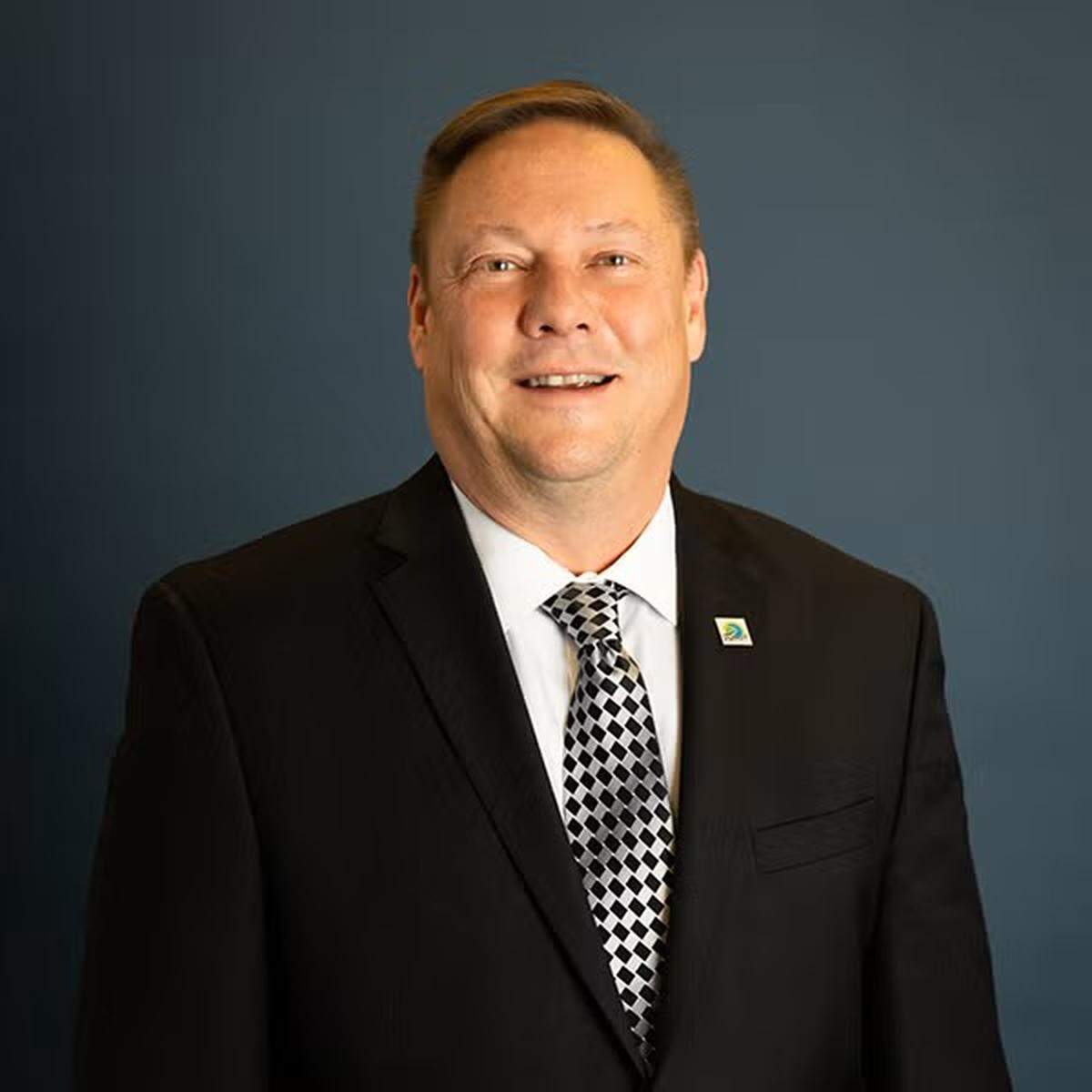
Lubanski has been praised by both the board and employees for working to create a culture that centers rider experience and employees.
After Drozt was fired last month, members of the agency’s union thanked the board for allowing Lubanski to remain in the position.
They’ll negotiate a full CEO contract for Lubanksi at a future meeting.

The agency also reviewed several policies and agreed to make changes related to the investigation’s findings. The board voted unanimously to fire Drozt after reviewing the report at an April special meeting, with board chairman Stephen Bauman later saying Drozt had lost the board’s trust.
Exploration of a grant-type program championed by Pasco Mayor Charles Grimm and Bauman, a Franklin County commissioner, will also move forward after the investigation confirmed the process took place within the scope of open meeting laws and agency policy.
Policy changes
Jeremy Bishop, the agency’s legal counsel, gave the board a review of policy findings related to the 280-page report on Drozt’s behavior.
Drozt had been accused of a number of instances of alleged financial wrongdoing by the agency’s former finance director, Alex Smith, after he resigned in October.
The report found that in many instances Drozt had violated agency policy or showed questionable judgment in his decisions. In others, he may not have violated policies, but showed impatience and a willingness to try and find ways around them.
The investigator said some of his behavior risked causing reputational damage and embarrassment to the agency
Drozt has refuted that characterization and believes the report cleared him of wrongdoing. He took credit for some of the policy changes that had already resulted been put in place after the claims were raised.
Because it was a policy investigation, the report made no comment on whether any of the decisions were lawful. The Washington state Auditor’s Office is still looking into his credit card spending.
Bishop told the Herald in an email last week that the agency does not currently have plans for additional investigations, but if new information comes to light from the audit report, they will consider any appropriate next steps.
When it came to the agency’s policies, Bishop told the board that in many areas the policies were sound, but Drozt circumvented them.
One improvement they will make is ensuring independent contractors go through a background check after “our CEO hired a sex offender and didn’t tell anybody,” Bishop told the board.
The agency already performs background checks on employees.
When it came to that contract and a credit card payment routed through his stepson’s company, Bishop said “that seems to be a behavioral flaw, not a structural flaw.”
“Everything about that transaction was out of order,” he said of Drozt’s payment to his stepson.
They’ll also work to ensure future leaders aren’t circumventing the agency’s procurement process.
Bishop said they also reviewed several policies related to other behavior brought to light in Washington state Public Record Act requests.
When it came to Drozt’s travel, he acknowledged that the CEO should not have been booking his own travel, but he began to when the finance department was short of staff. That led to Drozt accidentally charging a flight for his wife to a BFT card.
Drozt previously told the Herald he paid it back as soon as he realized the error.
Lubanksi noted that Drozt had also locked staff out of booking his travel at one point. Bishop assured the board that going forward no one would be booking travel on their own, with a designated finance employee in charge of the transactions and providing oversight.
Bishop said they also reviewed policies related to moving expenses and severance pay to ensure they weren’t being abused. Staff will look into adopting a formal policy placing guard rails on those types of payments.
Whistleblower policy
The board also recently adopted a new whistleblower policy.
Bauman and vice chair Kurt Maier thanked Bishop for ensuring employees have an avenue to report suspected wrongdoing without feeling like they need to quit.
“I want the people at BFT to feel like the folks who are leading them are above board,” Maier said.
In addition to Smith’s claims about Drozt’s spending, at least one other department leader tried to bring attention to Drozt’s behavior in their resignation.
“We have to have a culture in this organization where if there’s a concern you can come forward without the risk of losing your job,” Bauman said.

Grant program
Bishop also reviewed policy relating to a proposed grant program and told the board those discussions all took place in a “lawful, reasonable matter.”
He said that nothing in those discussions led to decisions being made, and they were unable to locate any documents showing Drozt had allegedly planned to move forward with the program without the full board’s approval.
“Nothing came to any level of finality, in fact we were very much at the infancy stage of that (conversation),” Bishop told the board.
Grimm previously provided the Tri-City Herald with emails and a proposal mock up. Bauman said Thursday that for his part, he never had anything in writing about the program. Bishop was looped in and looking into the legal questions that might come up, according to the report.
The program was envisioned as a way to use interest earned on the transit agency’s sizable reserves to support transit adjacent projects in the cities that make up its district. Examples could be pothole or sidewalk repair in areas that buses heavily use or assisting with transit related disability accommodation projects for riders.
Bishop noted that while the board has previously discussed potentially lowering sales tax, they can’t do so without losing a sizable amount of additional state funding. This program could be a way to give back to the community without hurting transit finances.
Bishop then asked the board whether they wanted to continue exploring the program.
“Of course I would love to see us going forward with this,” Grimm said. “The whole purpose was to (create) a great partnership through the municipalities BFT serves and BFT itself, it’s just a goodwill gesture.”
“This is our chance to let the community see we can work on something together for the mutual benefit of the community partners.”
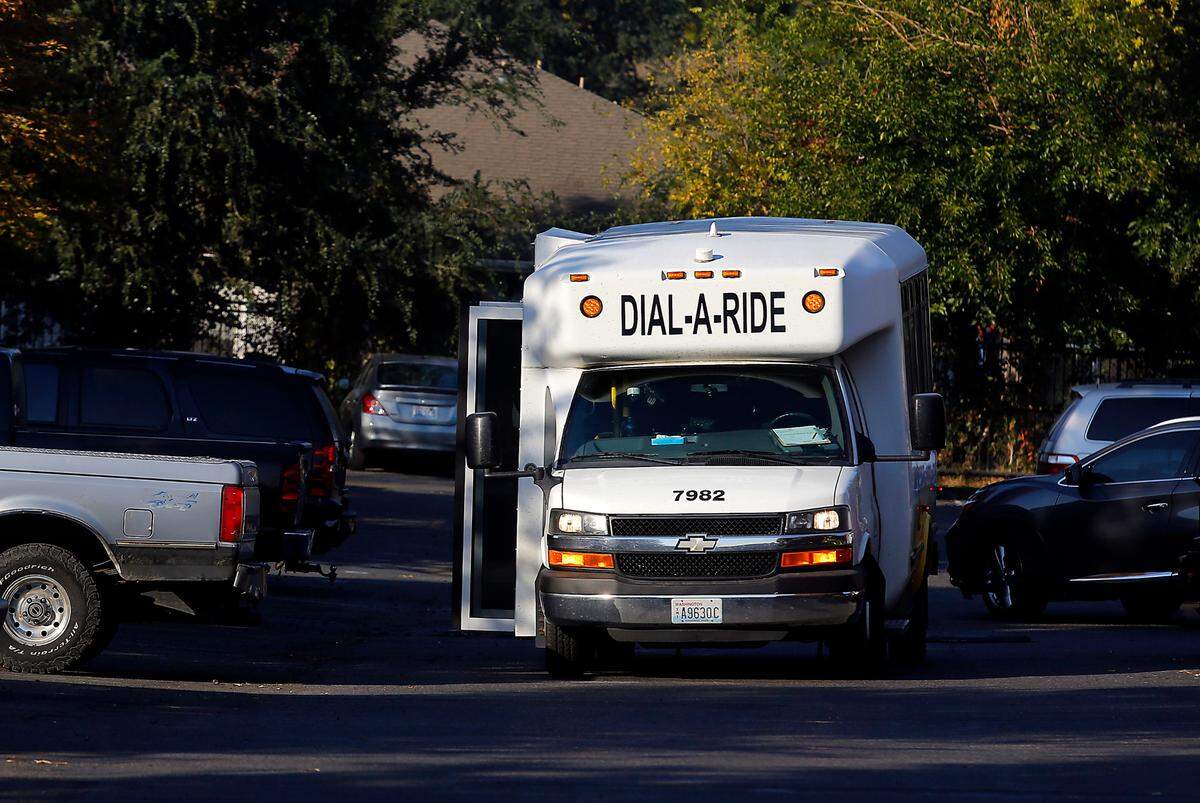
Maier, a Richland city councilman, said he was also in favor of the program, as long as it is equitable for the cities involved.
“A transit system can’t serve a community if people can’t get to the bus stops,” he said. “It makes sense for BFT to support projects that are directly related to the services we offer.”