
ICE arrest trends in Tri-Cities area: What families need to know
AI-generated summary reviewed by our newsroom.
- More arrests occurred in Benton and Franklin counties in 2025 than the prior two years.
- Of 125 detainer requests, more than half had no convictions.
- Many arrestees were longtime agricultural workers who had lived in the U.S. over a decade.
Immigration arrests have surged in the Tri-Cities, but federal data shows most people taken into custody have no serious or violent criminal history. Many are longtime agricultural workers and laborers, with some arriving in the United States as far back as 1990.
More immigrants were arrested in Benton and Franklin counties last year than in the previous two years combined, according to ICE data on field arrests and custody requests from local jails, reviewed by the Tri-City Herald.
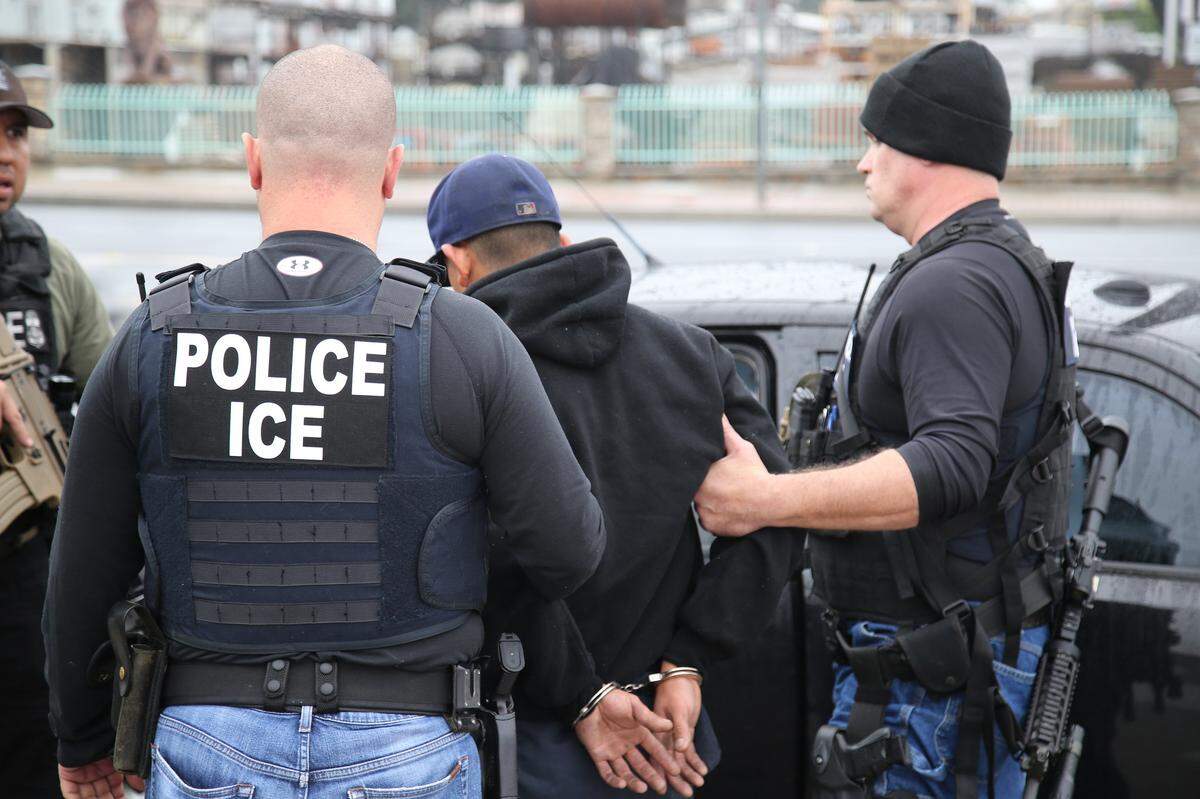
For families across Pasco, Kennewick and Richland, the records help explain a pattern many have already lived: arrests are not coming from dramatic raids on farms or factories.
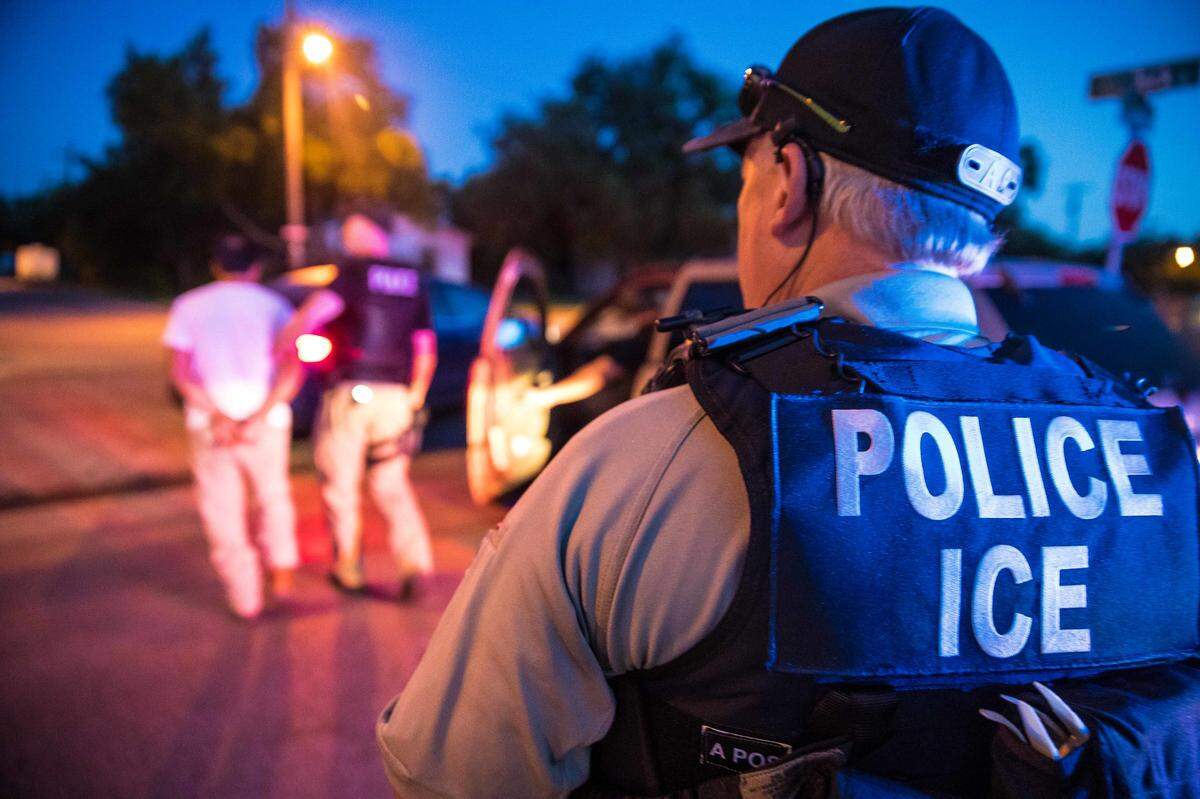
They are coming from traffic stops, immigration appointments and information pulled from public databases.
While arrests have slowed down in 2026, the tactics being used by ICE have not changed.
Trends behind the arrests
The data reveals several clear patterns about who is being detained and how.
Most have no violent record. Of about 100 arrests reviewed, roughly half were for an immigration violation only. Of those with a criminal history listed, most convictions were for nonviolent offenses such as traffic violations, burglary or possession of stolen property. One man’s most recent charge was receiving stolen property in 1988.
Workers and longtime residents. More than half of those with an occupation listed were agricultural workers or laborers. Most had lived in the U.S. for more than a decade.
Latino communities targeted. The majority of detainees are Latino, most from Mexico, with others from Colombia, Guatemala, El Salvador and Honduras. All but 11 were men.
Traffic stops and appointments. Brenda Rodriguez, executive director of the Washington Immigration Solidarity Network (WAISN), said about 25% of ICE arrests last year happened during targeted traffic stops. Others occurred when people showed up for scheduled immigration appointments.
Collateral arrests. ICE has shown up to homes looking for one person and arrested others present — sometimes people with valid work permits or visas.
Malou Chavez, executive director of the Northwest Immigrant Rights Project, told the Tri-City Herald that agents appear to be pulling from a patchwork of public information, such as work permits, tickets and information from years-old misdemeanors with no outstanding warrants.
“The majority are people who don’t have any major criminal history,” Chavez said. “We know from charging documents that most of these arrests are targeted. Either the person has been in proceedings or has had some sort of contact with immigration authorities.”
For a more in-depth review of the data, read the original story:
Where proceedings are happening
Knowing when someone has been moved and what court they need to report to is often the hardest information for families to get. Here is where detention and hearings happen in Washington state.
Detention hearings: Northwest Detention Center in Tacoma.
Non-detention deportation hearings: Seattle Immigration Court.
Immigration benefits interviews: USCIS regional office in Yakima.
Temporary holding: Some detainees have been held briefly at the Richland federal courthouse before transfer to Tacoma.
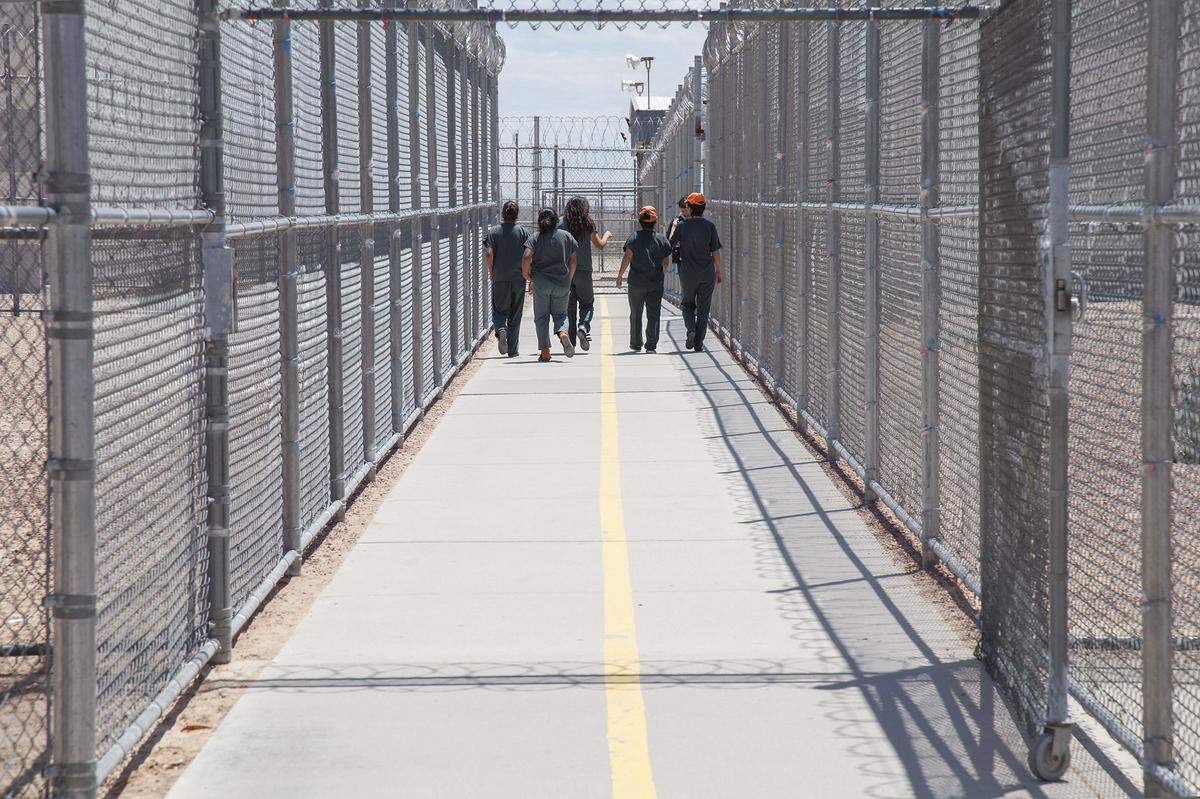
Rodriguez said families often do not know what has happened to a loved one until that person reaches Tacoma. Detainees have reported poor conditions, including limited access to adequate food and clean drinking water.
Faster deportations, fewer hearings
The data also shows the timeline between arrest and removal has shortened dramatically. Many detainees were deported within about two weeks of arrest, with some removals happening in as few as four days. In past years, the process took weeks or months.
The Trump administration is fighting legal battles over blanket denials of immigration bonds, which would normally allow people to be released while their case proceeds. New interpretations of federal rules mean many detainees are being deported without ever seeing an immigration judge, according to the National Immigration Project.
Of 125 people ICE asked county jails to hold between Jan. 27 and Oct. 9, 2025, more than half had not been convicted of a crime. Only one had an aggravated felony, for assault, and one had a rape conviction. None of those with convictions were sentenced to more than one year.
Roughly two-thirds of detainer requests came from a fugitive operations team rather than from administrative agents reviewing jail logs, which is a shift from past practice. Because Washington’s Keep Washington Working law limits how county jails share information, only about a dozen of those requests were honored.
Know your rights, know your options
Pasco immigration attorney Eamonn Roach said fear is keeping people from applying for protections they may qualify for.
“A lot of people have been scared from potentially filing applications they’re probably entitled to,” he said. “That’s probably the most unfortunate part, the chilling (effect).”
“They’re scared to do so, although, yes, this is a scary time to file for any benefit, filing for the benefit actually gives them more protection than them being here unlawfully or otherwise not applying for something they’re entitled to. Sometimes not doing something is worse.”
That includes the U Visa, designed to help victims of certain crimes, including domestic violence and trafficking. Rodriguez warned that growing distrust of local law enforcement could leave victims afraid to come forward.
Keep Washington Working and local resolutions
The state’s Keep Washington Working law limits cooperation between local agencies and federal immigration authorities. Some counties, including Franklin County last year, have passed “anti-sanctuary” resolutions in response. Rodriguez said these have no legal effect but add to community fear and confusion.
“That level of uncertainty, that lack of understanding about what the sheriff’s department will or not do is so important,” she said. “We need leadership at the local level to come out and speak to their constituents and be very clear on how they are going to enforce state law like Keep Washington Working.”
How communities are responding
WAISN has received more than 100 tips about ICE activity in the Tri-Cities and verified more than a dozen. The network is recruiting volunteers to:
• Accompany immigrants to court proceedings.
• Join rapid response teams that document enforcement activity.
• Host virtual “know your rights” trainings.
Rodriguez, who grew up in Basin City, said the impact is visible in downtown Pasco businesses, at the flea market and in families deciding whether to send children to school.
“What this means for immigrant communities is that every morning we have to make a decision,” she said, “and any decision that we make like going to get groceries, going to pick up our children or heading to work potentially means you will not be coming back.”
She said WAISN has also received reports of U.S. citizens being racially profiled and asked for documents.
“These are not just statistics, these are not just numbers,” Rodriguez said. “They reflect the stories of surveillance and intimidation tactics families face that sometimes result in deadly consequences.”
“That is the kind of solidarity that is going to get us through the storm,” she said. “In a culturally rich community that is what makes us strong.”