Pasco shuts down inspection program that protected renters from fire, pests and hazards
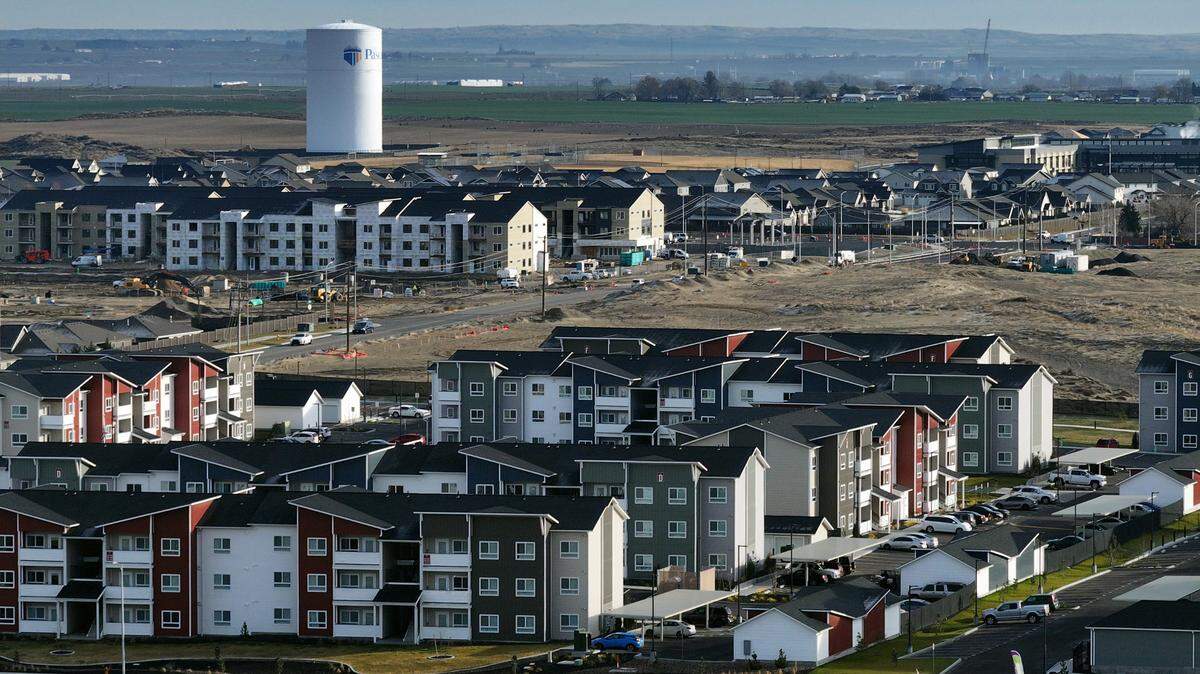
Pasco has closed down a nearly 30-year-old program that worked to ensure access to healthy, stable housing.
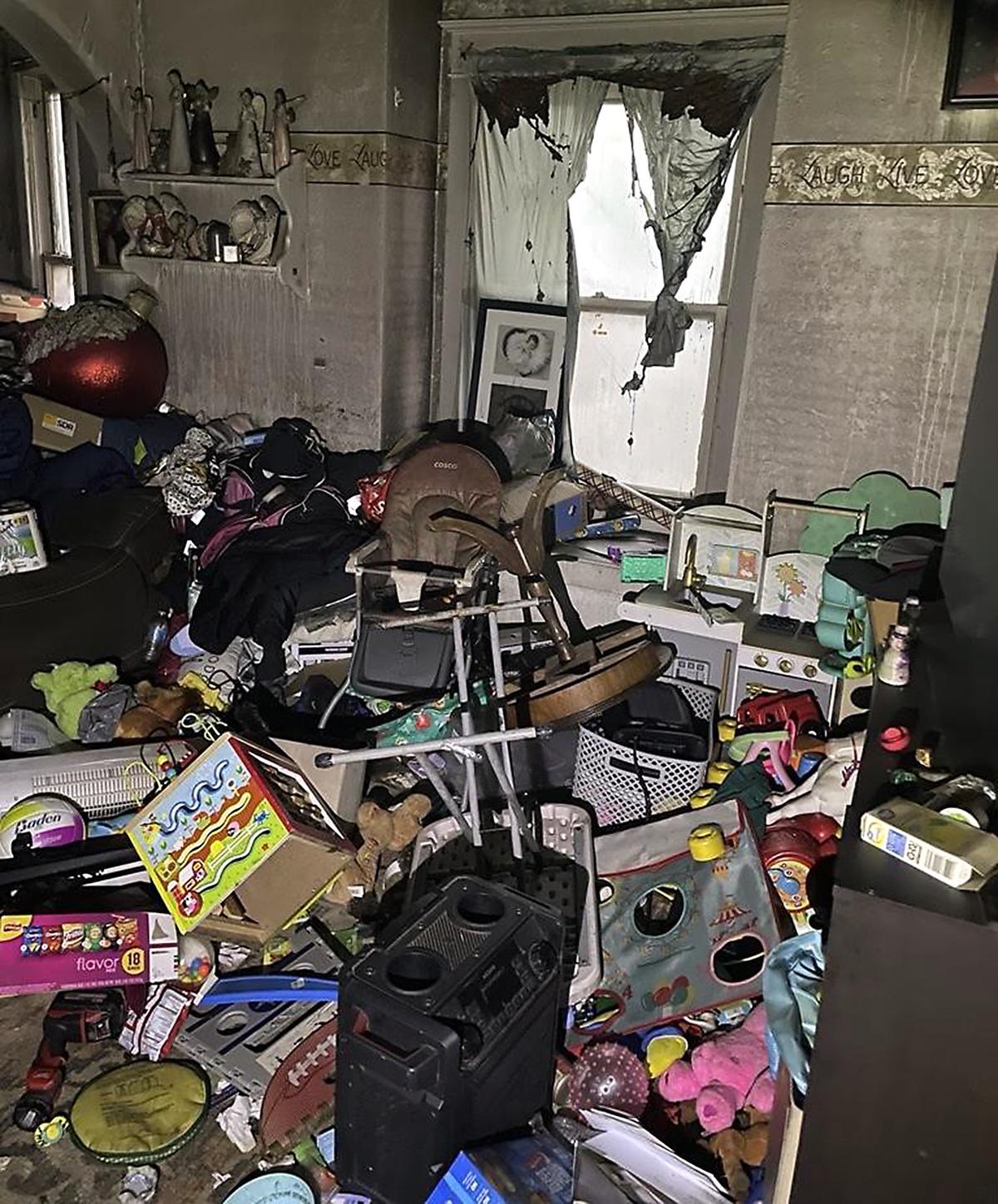
The city’s rental licensing and inspection program, part of the Inspection Services department, identified and responded to rental properties with hazardous electrical systems, fire safety violations, risks of carbon monoxide exposure, structural problems, plumbing and sanitation issues, lack of water or heat, mold and pests.
It also educated property owners and managers on minimum standards, and gave tenants recourse when dealing with unresponsive landlords.
Beyond that, city code enforcement staff say that the program reduced the burden on Pasco police and fire departments, prevented displacement of tenants, reduced the likelihood of crime, and benefited rental property owners, managers, tenants, neighbors and the greater community.
But the Pasco City Council didn’t see a need to keep the program going any longer. The council made the decision in an effort to redirect city resources and refocus priorities.
City staff told the Tri-City Herald that moving forward, the department’s code division would take on some of the program’s responsibilities when needed.
Code enforcement staff predict that ending the program may have harmful outcomes, because they would be responding to complaints rather than taking a proactive approach.
“A majority of the properties that fail (inspection) are in very bad condition by the time we actually get to them. If we don’t (have a program), we will get complaints and we’ll be at the properties at the point when we have to displace the tenants,” said Lead Code Enforcement Officer Rosanna Johnson at a city council meeting in August.
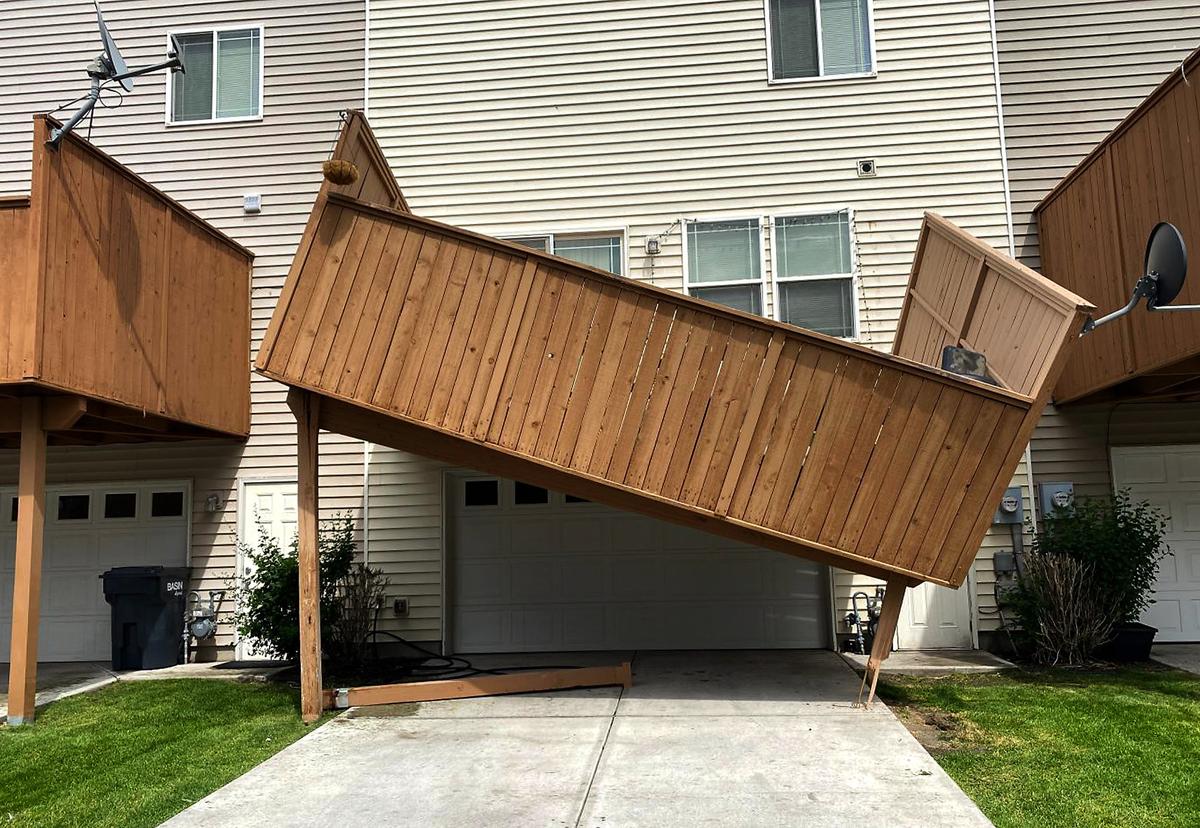
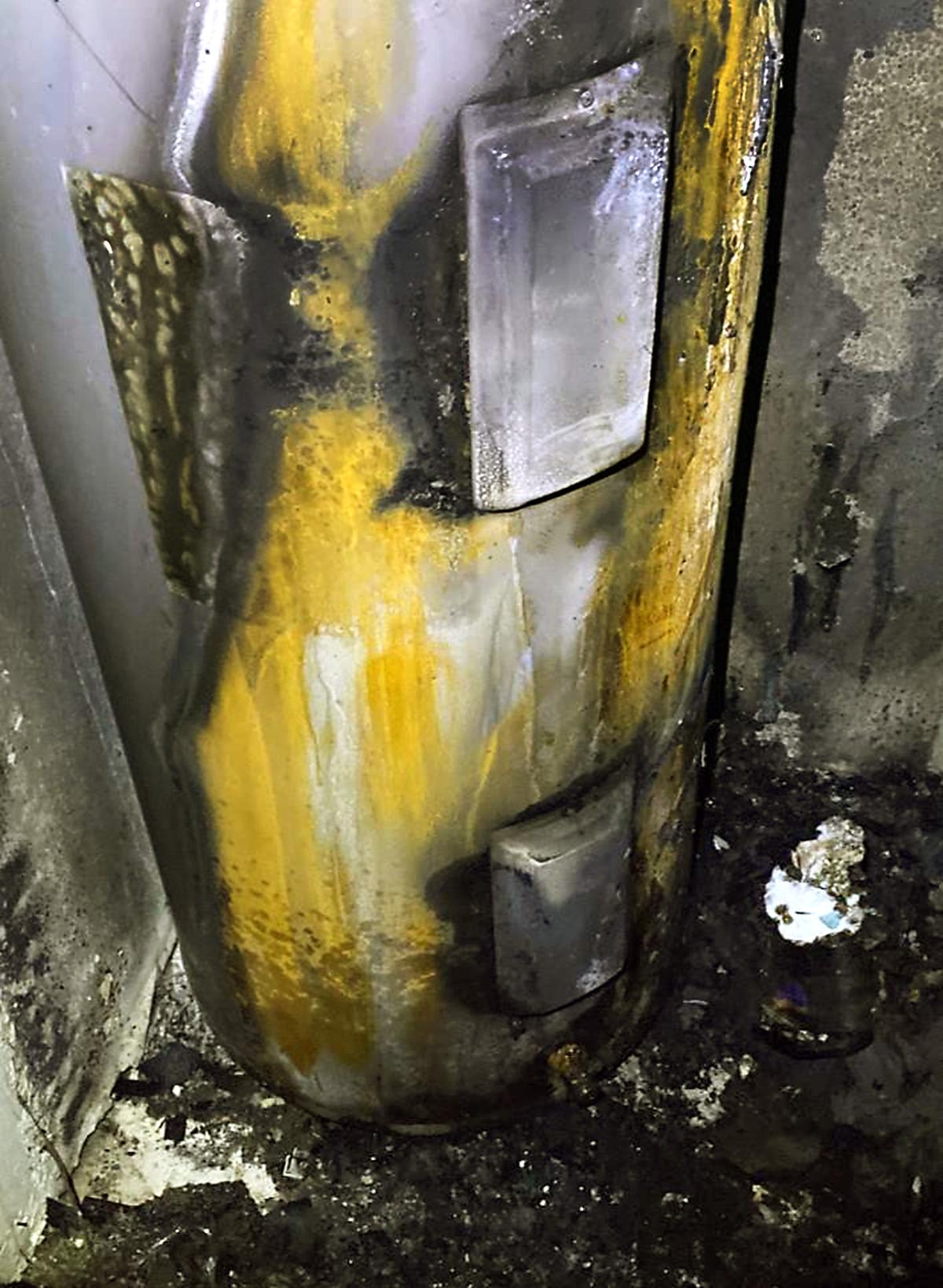
Pasco’s inspectors found water heaters that had caught fire, unsafe stairs and railings, entrances and exits that were blocked, cockroaches, bed bugs and more.
Even property owners spoke in favor of keeping the program.
“I became a landlord in 2018 and I sing the praises of the inspection (team). I want them in my properties because they see things that I don’t necessarily see,” said Thomas Grandbois, a Pasco resident and former Code Enforcement Board member.
“As somebody who purchased a former ‘slumlord’-owned property, (the code enforcement staff) worked really well with me to bring the property up to the standards it needed to be.”
Program history
When the program started in 1997, it was intended to help address substandard and potentially dangerous residences in Pasco. Older buildings weren’t being kept up, leading to deteriorating housing.
Then there was development of new rental properties in the early 2000s, increasing the number of inspections being done.
Now around 30% of all housing in Pasco is occupied by renters.
City staff estimates that there are about 6,800 existing licensed rental units in Pasco, with an additional 2,000 new units expected in the next year.
Each year, city inspectors completed an average of 3,100 rental inspections.
As much as 25% of licensed rental properties failed inspection the first time.
Cockroach infestations are one of the most common problems found in Pasco rental properties and homes, according to city code enforcement staff.
Another option for more robust program
In December, city staff proposed updates to the rental inspection program that they say would have improved efficiency, incentivized compliance and better allocated resources.
The changes included tiered inspection cycles, with a three-year cycle for properties that failed initial inspections and a six-year cycle for compliant properties.
At that point, the city council directed staff to provide them an option to repeal the rental license program entirely.
Most of the council was aligned with eliminating the program.
“I have no doubt that this (program) was started with the very best of intentions and I have no doubt that our staff ran this to the best of their ability,” Councilman Charles Grimm said at a city council meeting in January.
“Eliminating this unnecessary overreach of government represents the one opportunity that the majority of this council has had to reduce the size of government and shrink its scope in our lives,” he said.
Mayor Pro Tem David Milne and Councilwoman Blanche Barajas dissented at the final vote. The rest of the council voted to eliminate the program.
Pasco consulted the Washington Cities Insurance Authority to assess the risks of removing the program.
While ending the program does not expose the city to legal liabilities, there remains a potential for litigation.
Rental inspection process
The rental inspection program required that a landlord apply for a rental license from the city and receive an initial inspection of their property. Every two years, the property would be reinspected by a city code enforcement officer or a qualified third-party inspector, based on the landlord’s preference.
Properties would pass, pass with correction or fail, based on minimum requirements for life, safety and health, set in city code, state code and the International Property Maintenance Code. Landlords with failed properties were given 24 hours to address issues before a reinspection took place.
An inspection report would also include recommendations for maintenance and hazard prevention to avoid future costs and liability.
Tenants and landlords could also make complaints and request separate inspections. Tenants are first required to give their landlord the appropriate amount of time to take action after notice, according to Washington state code.
The program was cost- and revenue-neutral, according to city staff. Rental license fees collected were used to pay for the city’s inspection program.
City staff reported that Pasco’s program had one of lowest fees in the state. For example, property owners of single dwelling units applied for rental licenses, and paid $50 for the first unit and $10 for each additional unit. Inspections were free.
The program had one employee, rental inspector Dan Gallatin. He was hired as the city’s first dedicated rental inspector in early 2023. The city also had an inspector in a temporary role.
“My passion is educating home owners and residents on all aspects of home maintenance and life and safety issues,” Gallatin said during the city council meeting in August.
“It fills my heart every day to know that what I do saves lives in Pasco (and) impacts the community in positive ways. I get to help people protect their investment.”
With the elimination of the program, Gallatin has been reassigned to other inspection work in the city’s Community and Economic Development department.
Resources for tenants and owners
In Washington, there are around 13 cities with rental inspection programs. The state’s code sets standards and procedures for addressing health and safety at rental properties, but the programs are not required.
Spokane and Othello have active programs, as well as cities in Western Washington.
With thousands more rental units expected to be built in Pasco by early 2026, tenants and landlords will need to hold each other accountable for safe housing.
Pasco’s code division focuses on “education first and enforcement second” to serve both tenants and landlords.
The city will continue to provide inspection services as needed. Code enforcement staff would step in to address issues at a rental property, if tenants and landlords cannot resolve them independently and within an acceptable amount of time.
For more information about Pasco’s inspection services and code enforcement, visit the city website.
This story was originally published February 9, 2025 at 5:00 AM.