’Blank slate.’ Private owner bets $12.5M on creating Tri-Cities newest industrial hot spot
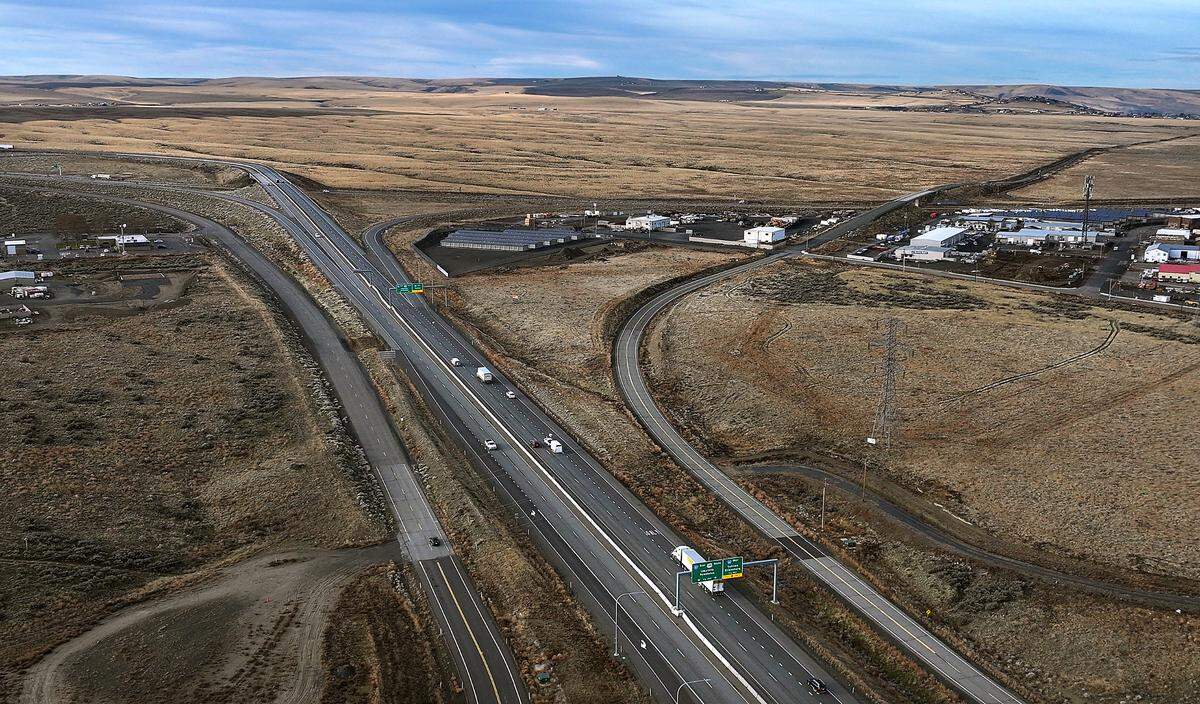
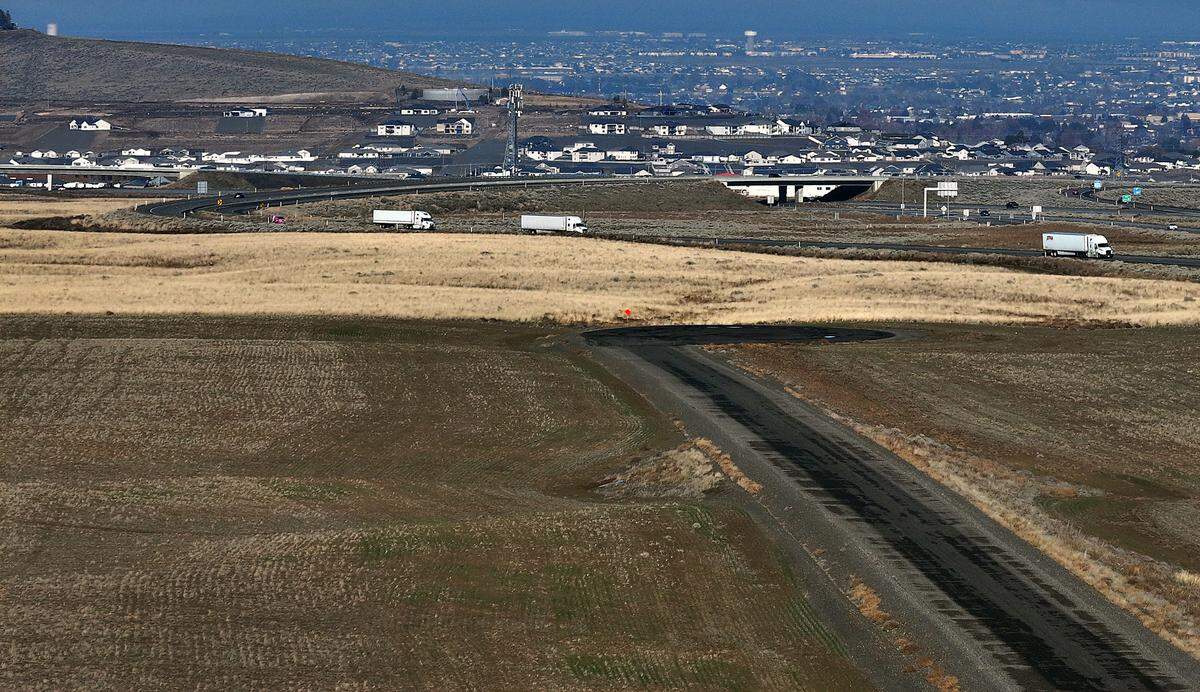
In recent years a private owner has snapped up 1,500 acres south of Kennewick, betting more than $12.5 million it will become the area’s next industrial development center.
It’s a big gamble considering the former farm land has no infrastructure in place and the city has been fighting the state for more than a decade to bring the undeveloped area into the city limits.
While no manufacturers have declared their intent to develop parts of the property, the city was able to finally annex the first portion, nearly 300 acres, and is beginning to lay the groundwork for future uses.
It’s industrial space the city desperately needs to remain competitive as Pasco sees massive victories in manufacturing and commercial growth and Richland becomes the center of a green energy revolution on vacant Hanford land.
Kennewick wants to join its neighbors in finding tax incentives to draw major companies to the area.
Growing pains
Kennewick has struggled to find land for large-scale commercial and industrial use over the past decade, which was only made worse by Futurewise arguing that the Urban Growth Area for Benton County includes Richland and West Richland.
Futurewise is a Seattle-based land advocacy group that works to ensure cities are in compliance with the state’s land use and expansion policies.
The organization fought hard to deny Kennewick the ability to annex more land, arguing the Urban Growth Area had all it needed for industrial growth when the Department of Energy transferred 1,300 acres of former Hanford land to local governments, including Richland.
Kennewick Lead Communications Specialist Dana Dollarhyde told the Herald that while they see Richland as partners rather than competition, they are concerned about being overlooked for commercial industry and the tax revenue and economic activity that come with it.
“We do work really closely with the other cities, but ideally it would be somewhere here in Kennewick,” she said. “There have been opportunities that may have been missed because we didn’t have the space.”
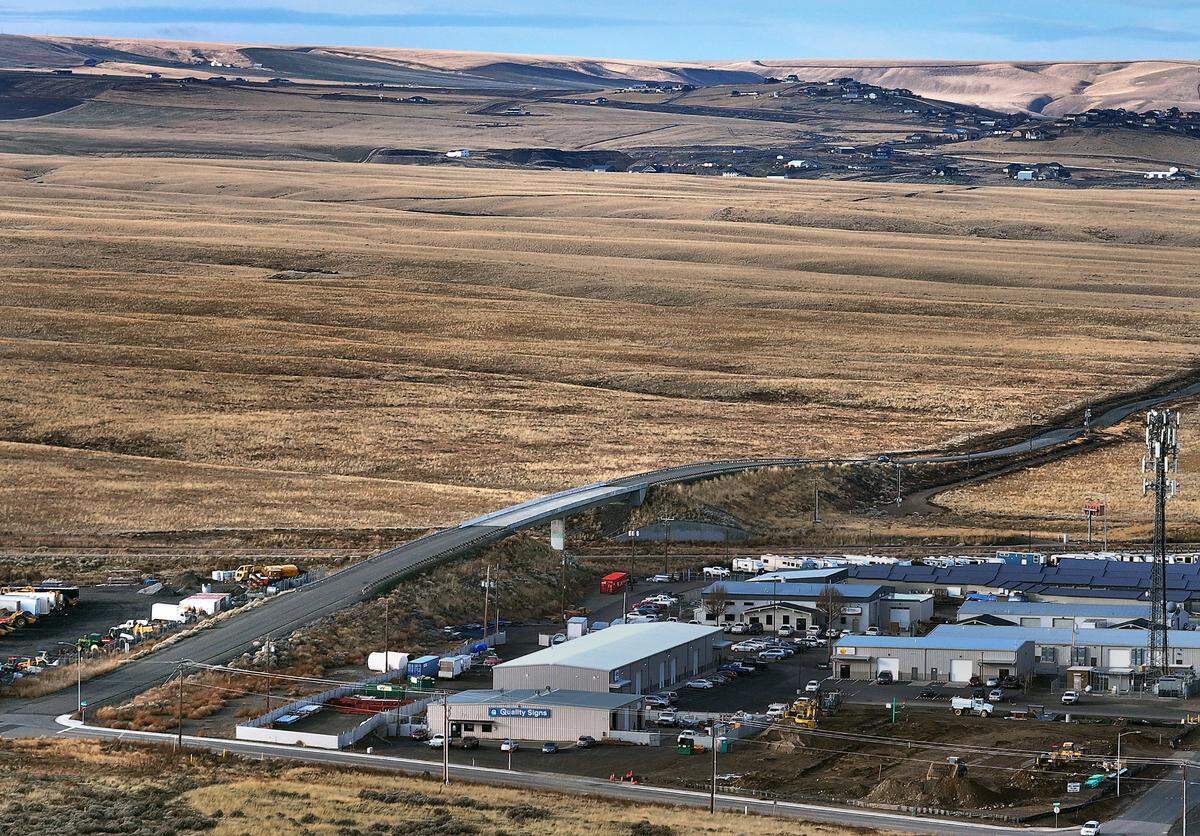
In the lawsuit, Kennewick claimed that as many as 15 companies made inquiries for industrial use that they could not accommodate.
Now that they can begin moving forward, the city believes the area is primed for development and are in the early stages of exploring whether tax incentives such as a Targeted Urban Area would make sense.
Kennewick and Benton County already started chipping in to ensure future manufacturers have the utilities and roads they need to get started.
The fact that the land has no infrastructure beyond what the city is set to put in can be a selling point, Dollarhyde told the Herald.
“I think from our point of view it’s got ease of access to the highway and the rest of city services as Southridge continues to grow,” she said. “It’s kind of a blank slate out there.”
Last year, Karl Dye, TRIDEC’s president and CEO, told the city about a green steel manufacturer that could be a future candidate for the site. That deal isn’t likely to come through though because of a lack of rail access to the land.
While the city can extend utilities, laying rail bed is extremely expensive. The Port of Pasco won a federal grant for $3.6 million for just 6,100 feet of railway to Darigold’s new $600 million plant.
The nearest rail access to the future Kennewick industrial land is several miles in either direction in Finley or the Badger Canyon area.
$12.5 million investment
The land, which follows the southern curve of Interstate 82 near the Southridge area, was acquired from the Chistensen family by a real estate holding company managed by Marcus Fullard-Leo of Camas, according to public records.
It’s unclear whether Fullard-Leo is the owner or is managing the land purchase through his real estate company. He did not respond to a request for comment from the Herald.
The first two plots, totaling about 320 acres were bought in 2021 for $2.7 million, before Kennewick won its narrowed appeal to bring just 280 acres of the former Christensen farmland into the city limits.
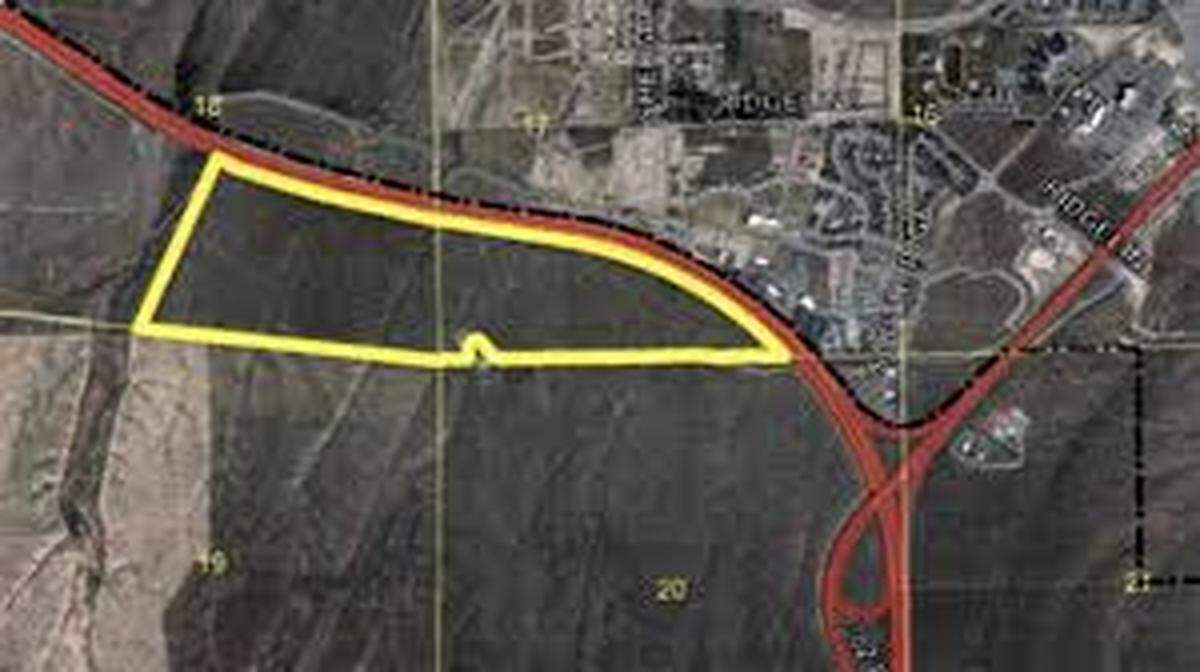
In 2022, an additional two parcels to the south along I-82 were purchased for about $4.5 million, adding around 550 acres to the total.
Then in April of 2024, Fullard-Leo’s company facilitated the purchase of the last two parcels to the west, adding 632 acres at a cost of $5.5 million.
In all, more than $12.5 million has been spent acquiring 1,500 acres between I-82 and Locust Grove Road to the south.
Taxes are up to date on the properties, meaning the owners will have paid more than $50,000 in property taxes across the six parcels for 2024.
Laying the groundwork
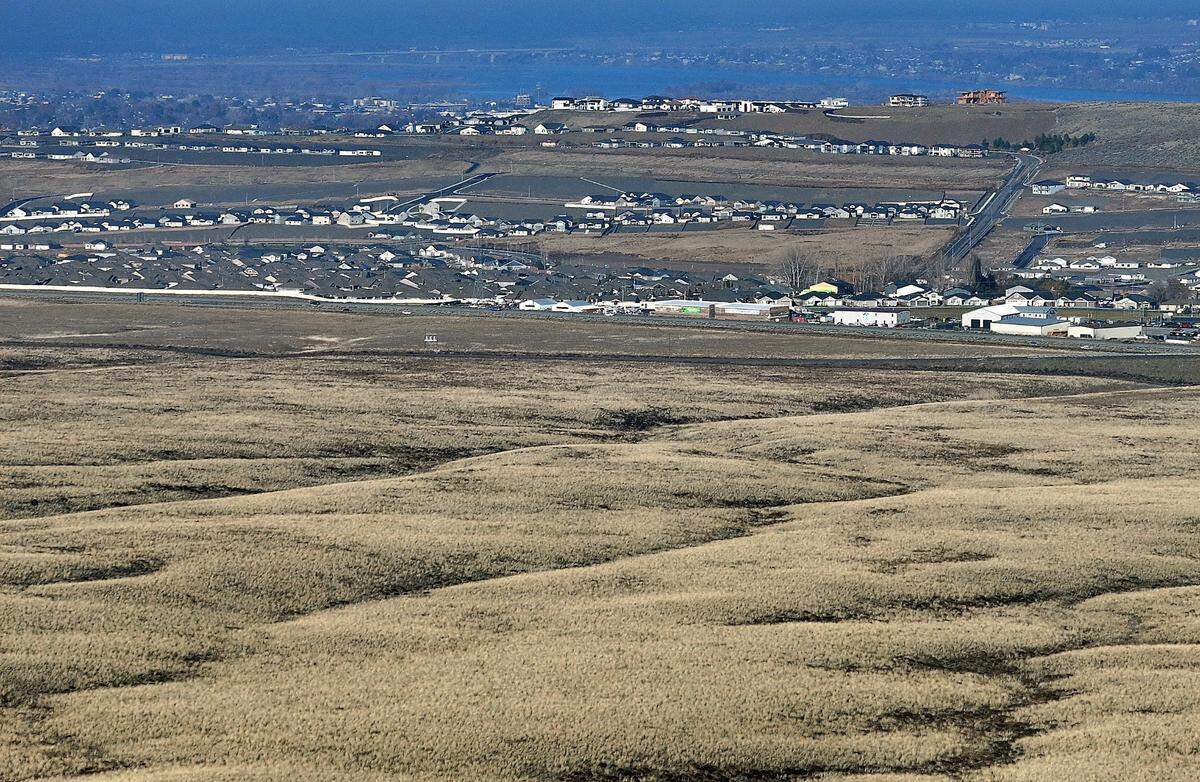
Kennewick has been struggling to find land for new projects in recent years, even for residential development. The toll is becoming more apparent as Pasco will soon surpass Kennewick to become the most populated in the area.
Trying to find shovel-ready lots for builders has been a challenge, leading to development on hillsides across the area and along previously the undeveloped Bob Olson Parkway. Getting those lots ready for new builds means a lot of infrastructure work for both developers and the city.
That lack of space has led to a competitive disadvantage when companies like Amazon come to the Tri-Cities looking for hundreds of acres. Pasco has landed more than a billion dollars in development between Amazon, Darigold and other manufacturing in recent years, while also beginning the massive new 750-acre retail and residential Broadmoor Development.
Meanwhile, Richland has jumped on the new Targeted Urban Area tax incentive to woo green energy manufacturers, potentially bringing up to $10 billion in green energy if proposed small modular reactors come to fruition.
They’ve also enjoyed residential growth with hundreds of new rooftops in the Badger Mountain South development. That area is primed for “retail destination” to be built over the next few years.
“We’re always trying to be competitive in the land we do have, we continue to try and be a hub of all things industrial, retail and commercial,” Dollarhyde said. “We’ve been known for retail, but the other cities have honed in on their craft. We’re hoping to get some big players in the game as well and kind of rebrand.”
The expansion of the Apple Valley subdivision, nestled between Bob Olson and I-82, has given Kennewick an opportunity to bring water and sewage services across the highway.
As the community prepares for its next phase, the city is opting to bring in a larger set of pipes and cap it off across I-82 so that the property will have access along Christenson Road — spelled differently than the name of the former property owners
Doing it as part of the infrastructure for streets in the subdivision also will minimize the city’s costs.
The plan is to eventually cap off utilities at the further edges of the property, so that when those other 1,200 acres are eventually annexed, they’ll be in a position to make expansion much easier.
“They’re getting started on that here in the next few weeks, it should be complete around spring of 2025,” Dollarhyde said. “Water and sewer will be extended to those 223 acres. There is about 1,000 more that’s a future use (target) for us. It’s kind of capped off at this point, but we do have future plans and long-term studies to get utilities to the rest of that property.”
Benton County also will contribute, voting in December to extend Adair Road all the way up to Christenson Road. That will give businesses on the future industrial sites access to the interstate at Locust Grove Road.
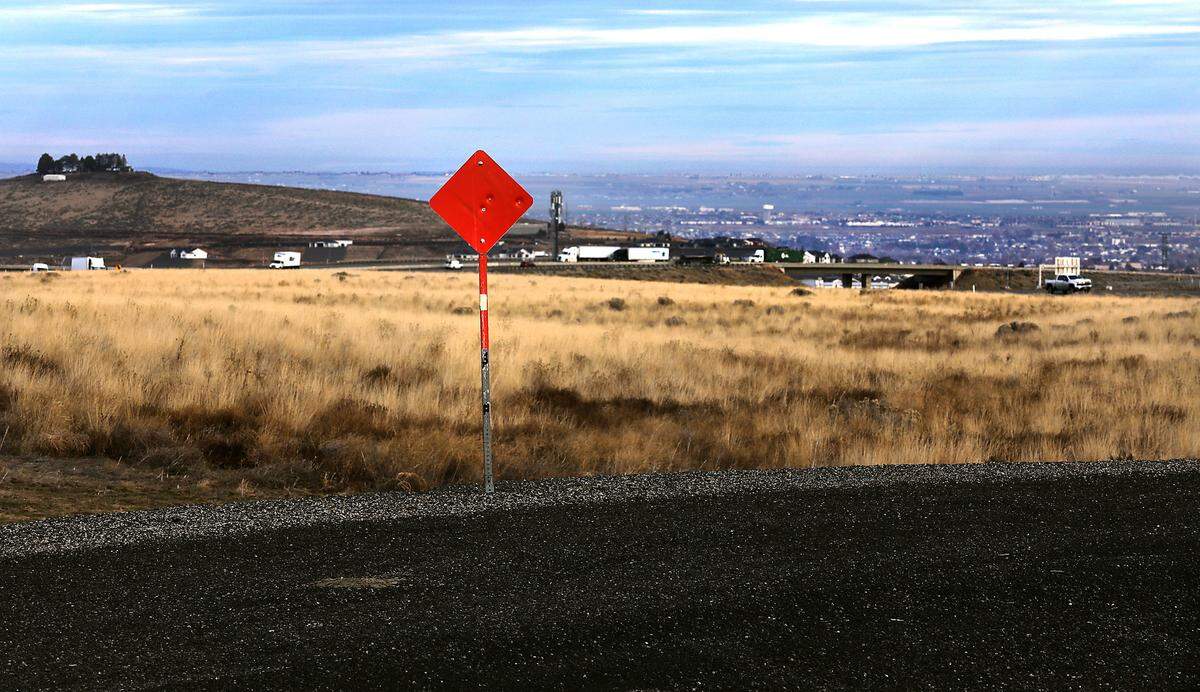
Benton County Deputy Administrator Matt Rasmussen told the Herald in an email that while the land could be used for industrial purposes now, it would be very challenging.
That’s because unincorporated land would require using well water and acquiring water rights, which would be extremely prohibitive for the water demands of a commercial manufacturer for the fire suppression systems alone.
The next big lift will be electricity access. Electricity demand for commercial and industrial use puts a much larger demand on power grids than residential would.
“Until the city is able to extend its UGA this area will be challenged to develop,” Rasmussen said. “That will happen eventually but it’s hard to put a time frame on.”
Dollarhyde said they’re working with the property owner to develop a long-term strategy so that electric access isn’t extended across only to be inadequate once the rest of the land comes into play. She said that Benton PUD is also in the loop, and is aware of the future need for the area.
Once that plan is developed the city and Benton PUD could potentially bring electricity access across the highway and the first 300 acres could begin to be developed almost immediately.
While that’s being done, Kennewick could potentially regroup and take another shot at expanding the UGA. No one knows how long that might take, but both the city and county are optimistic it will get done eventually.