One of Tri-Cities most congested areas to get $40M road revamp ahead of new development
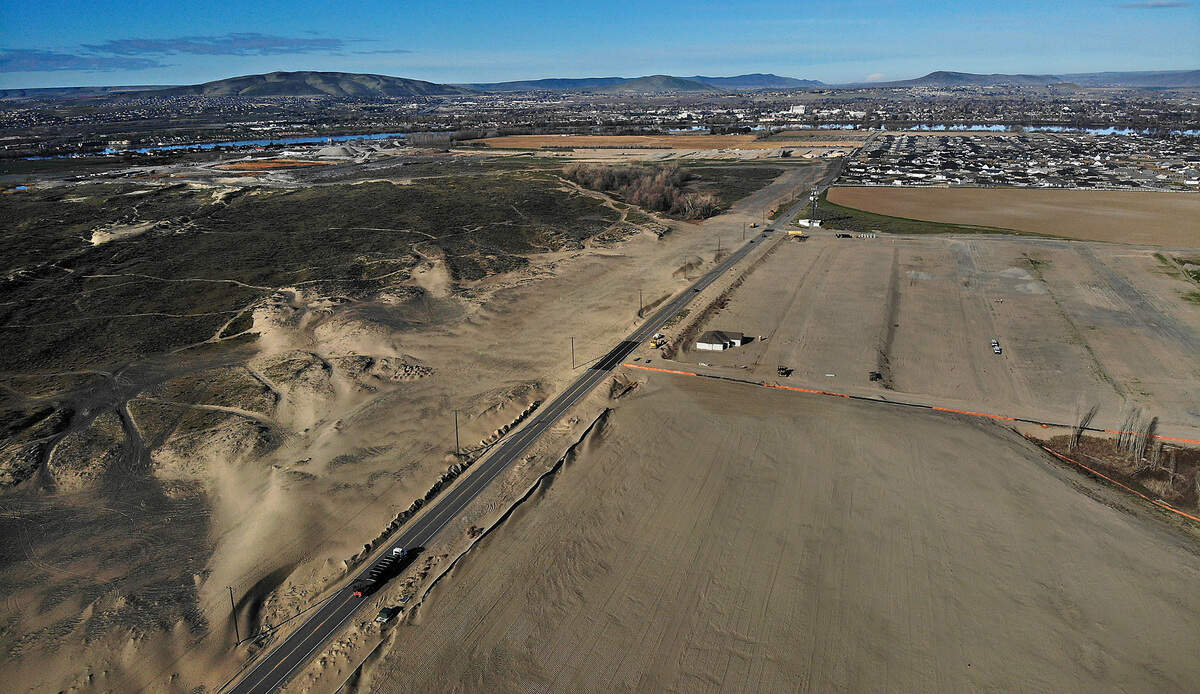
A proposed tax swap in Pasco will help turn $30 million of previously undeveloped sage and sand dunes into a nearly $2 billion development.
The city of Pasco is set to take a major step toward funding nearly $40 million in new roads for the long-in-the-works Broadmoor development.
On Monday, the city is expected to vote to approve the new Tax Increment Financing District (TIF) for the largest portion of the west Pasco section of Broadmoor development.
It will allow the developer to pay for 29 total acres of immediate roadwork needs to spur commercial and retail development in their 700-acre site.
In addition to interior roads, it includes some improvements to the entrance to the development and along Broadmoor Boulevard, as well as a Sandifur Parkway extension.
While the developer has expressed interest in bringing in high-profile retailers such as Trader Joe’s or a second Tri-Cities Costco location, those types of heavy hitters are not likely to sign on to a project until the road infrastructure is in place.
Why a TIF?
A TIF is a tax offset that allows the city to create a bond for new development, offset by expected revenues in the area.
It allows the district, usually defined by a developer and municipal partnership, to do a tax swap to use the property tax they would be paying to pay for roadwork and infrastructure.
If the TIF is approved at the Oct. 31 meeting, the city will have a rough timeline for development.
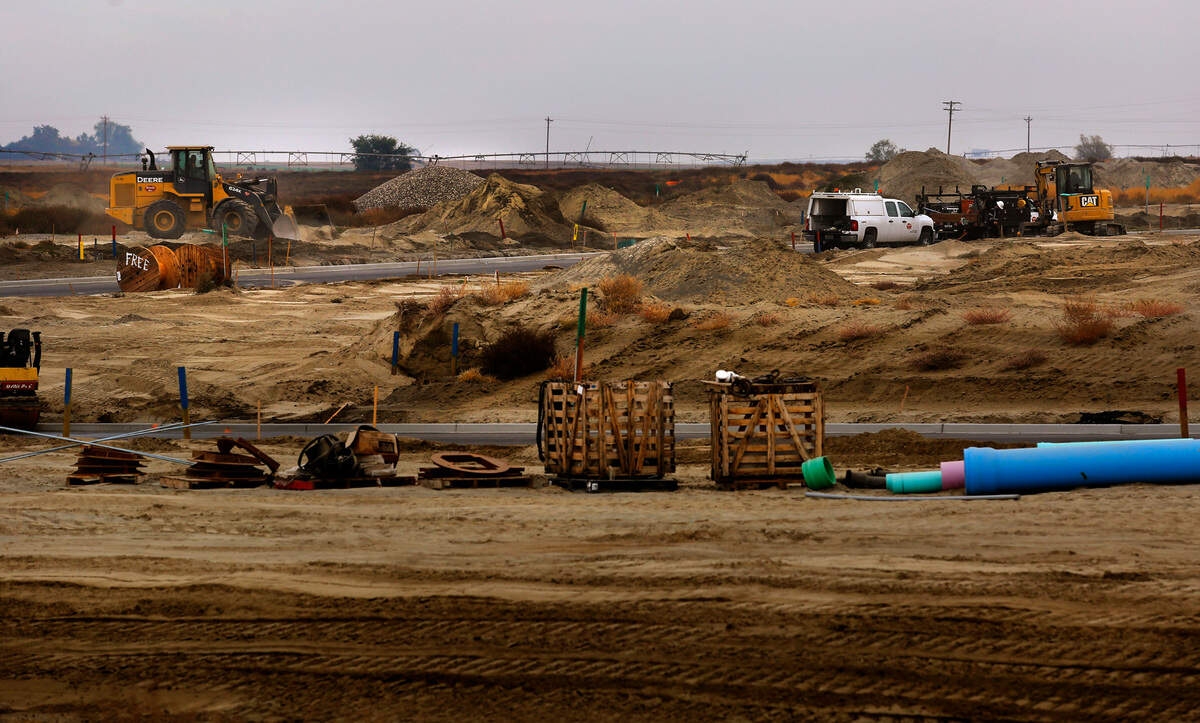
Bonds will be issued either later this year or in early 2023 with improvements in the area set to begin as early as March and private development beginning later in the year.
City Manager Dave Zabell told the Herald he expects the proposal to have the council’s support, as it’s a project they’ve been working toward for years.
“I think the city council taking action on the TIF ordinance … is going to send a pretty strong signal to the development community about the city’s commitment to the project,” Zabell said.
The estimated necessary road infrastructure cost for the area is in excess of $70 million, and the TIF will help pay for $39 million of it.
The city estimates the 700-acre property, currently worth about $30 million will be worth as much as $1.7 billion by the time the tax offset expires in 2048.
The option is relatively new, having come out of the 2021 legislative session. So far the Port of Pasco’s Darigold TIF district is one of only a handful in the state to be approved.
Zabell said the Broadmoor development is the perfect use for the new funding option, which would have otherwise left the city and developer looking for grants or securing funding through other methods.
Zabell said he is aware of another approved in Vancouver, and that Kirkland is in the process of creating a district.
“I would say this is probably textbook, the TIF is all about the increment between the undeveloped and the developed, and you don’t get much more undeveloped than desert,” Zabell said.
“One of the reasons we’re pursuing the TIF option is so we can get infrastructure in place to attract much higher quality commercial and residential ... than we would have been able to attract if they had to make them improvements themselves,” he said.
Zabell expects the work for the TIF funded roads to follow closely with the Broadmoor/Road 100 and Highway 182 redesign.
He said that the TIF roadwork is likely to go out to bid in the spring, and should be just a few months behind the major interchange improvements.
Within two years, one of the busiest traffic areas in the Tri-Cities will be completely revamped from the interchange all the way up to Burns Road.
“This way we get to do all of that work, all at once, including work to existing the Sandifur intersection, which is feeling the pinch of development,” Zabell said.
While the developer has expressed interest in bringing in high-profile retailers such as Trader Joe’s or a second Tri-Cities Costco location, those types of heavy hitters are not likely to sign on to a project until the road infrastructure is in place.
About 100 acres of the 700-acre development will be set aside for retail, in addition to big box retail development and commercial projects. The major TIF funded road improvements will run along Broadmoor and around the retail and commercial developments and future subdivisions and housing along the northern boundary of the property.
It’s also been discussed as a possible home for the upcoming Pasco Aquatic Center.
Grading work permits and environmental reviews have already been requested for subdivisions, apartments and senior living communities along Burns Road. The area just north of Burns Road is already seeing a boom in new subdivisions, in anticipation of the future growth.
Cost projections
Without the TIF, the city estimates that the project’s growth would be greatly confined, slowing development and expansion, according to a lengthy report compiled for the proposal.
The report shows that over the course of the TIF repayment period, the developer will still be paying about the same amount in property taxes as they currently do. Then within about a decade of its expiration, the city will have recouped more than the amount offset.
Under current property tax estimates, they’ll begin receiving about $6.7 million in property taxes after the expiration in 2048, divided among the city, county and Port of Pasco.
With no TIF funding to help offset the cost of extending major roadways, they estimate the developer would bring the land’s value up to about $435 million. Under the most conservative estimates in the report, the TIF would help create $1 billion in value, but the moderate to optimistic estimates are closer to $2 billion.
If approved, most of the development is expected to be wrapped up by 2030.
The construction alone would create between 1,800 and 6,600 jobs. Ongoing jobs are estimated to vary between 280 and 1,170 depending on the tenants of the new businesses.
Over 25 years the project also will generate significant indirect tax money for the area. The report estimates it will create $53 million to $77 million in other revenues such as sales tax on construction, ongoing sales tax, criminal justice taxes, utility taxes and others.
The indirect taxes are estimated to generate $1.3 million in 2024 using a middle-ground estimate and grow to $3.6 million annually within a decade, before reaching about $4.7 million in 2048 when the TIF repayments are complete.
The combination of taxes will shift as the bulk will be construction related to begin with, then move toward taxes generated from the commercial properties.
According to the report, the planners estimate that the investment is relatively safe given the scale of the projects and the cost of the TIF.
The city estimates that even if development stalled out completely before 2030, the loss in revenues over the 25-year period would be less than $2.75 million total. If only two commercial lots were ever developed, it would still generate $26 million in revenue toward payments over the bond period.
The state treasurer’s office said the proposal was “well-conceived and will provide significant benefit to the city and region” in a review report. Their primary concern was changing interest rates due to current economic conditions.
While the Broadmoor development is generally thought of as the property owned and developed by Broadmoor Properties LLC, land to the west and north of the development is also undergoing significant changes. Those are are expecting to bring in thousands of new homes centered around the development.
The Pasco City Council special meeting to vote on the TIF is set for 5:30 p.m. on Oct. 31. The meeting will be at Pasco City Hall and can also be watched online.