Benton to spend $1.2M to help turn abandoned hospital rooms into recovery apartments
Benton County is moving one step closer to adding patient housing to its future recovery center.
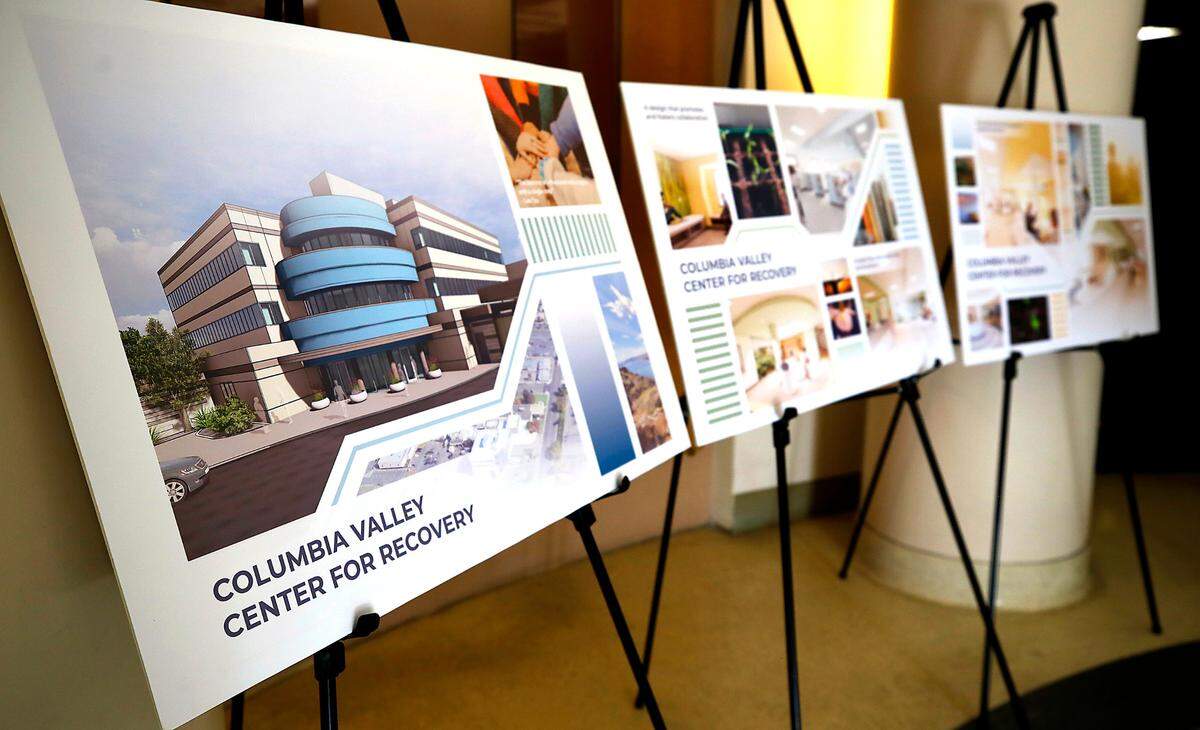
The recovery housing at the Columbia Valley Center for Recovery, which is expected to open in early 2026, would add 17 rooms for patients in either mental health or addiction recovery.
The county already has applied for a $7.4 million grant from the Washington Department of Commerce to pay for the construction. This week county commissioners will vote to chip in nearly $1.2 million to help start planning and designing the rooms, perform some roof repairs and abatement.
The money for the design will come from sales tax funds set aside by the state for housing development. A steering committee, with members from all of the cities in Benton County, gives the county’s human services division input on where to use the money.
Benton County Deputy Administrator Matt Rasmussen told the Herald they hope to hear back on the status of the grant soon, but beginning the design process will help put them in a more competitive position should they need to apply for other funding.
They accounted for the potential use of the design funds in their application, he said.
This work will essentially turn the vision of recovery housing at the CVCR into a “shovel ready” project.
The recovery center is being built in the old Kennewick General Hospital. The county bought the 190,000-square foot building for $1.8 million in 2022.
The recovery center’s initial programs will take up only about a quarter of the total space, centered on the newest portions of the sprawling medical complex.
Recovery Housing
The grant money would cover the cost of converting 14,000 square feet of old hospital rooms on the second floor into 17 double occupancy apartments. There also would be an apartment for an on-site program manager.
The apartments would have their own bathrooms and use common areas for group meetings and entertainment, such as a TV room and game room, plus a shared kitchen and laundry area.
Seasons Housing would operate the program as part of “phase two” of the recovery center. It would likely open 7 to 8 months after the recovery center, with residents moving in around mid-2026.
The rent will be based on HUD fair market rates for the county, and Seasons will be able to help residents navigate rental assistance programs through the county if needed.
The units are intended to be available for people in recovery as they go through their programs and find stable housing. Most will stay one to two years.
It’s similar to some of the longer term housing that the Tri-City Union Gospel Mission offers.
While the housing is not specifically for people experiencing homelessness, many of the people they serve will likely be either unhoused or have unstable housing.
About the recovery center
Construction kicked off last month for the $23 million to $27 million facility being built in the old KGH facility. The initial programs will use space from the Spaulding offices entrance and the newer birthing center wing.
Benton County also spent $4.8 million on a property at 10 E. Bruneau Ave., in the old Welch’s Juice Plant, but that building was eventually set aside for other uses after being deemed too costly to renovate into a healthcare facility.
Benton and Franklin leaders agreed to kick in $11 million more in planned improvements in October. Those “betterments” are quality of life improvements that will allow for more of the treatment rooms to be built for single occupants, and add a commercial kitchen. The counties are splitting that cost equally.
If approved for the housing grant, the total investment in the recovery center to date would climb to nearly $50 million.
The center will be able to serve up to 57 people at a time when it opens in 2026.
Construction is expected to wrap up in late 2025 and the keys will then be handed over to Comprehensive Healthcare, who will manage the programs. They hope to begin accepting patients in early 2026.
The facility is being designed and built by Bouten Construction and NAC Architecture.
What services will it offer?
Short-Term/Sobering — a 23-hour observation unit that focuses on stabilization and sobering up. This unit will be structured like a living room setting with recliners. Patients will be assessed here to determine longer care needs.
Crisis Stabilization — This unit is designed for clients whose primary diagnosis is mental illness related. Services will include assessment, diagnosis and treatment for those without the need for longer stays. Typically they’ll spend five days or fewer here, but longer stays can happen voluntarily or by court order.
Withdrawal Management —This unit will provide secure withdrawal management and stabilization services. Patients will be assessed, stabilized and cared for while detoxing. There will be two levels of detox, one with monitoring and patient administered medication and the other with 24-hour medical care by nurses and doctors.
Residential Substance Use Treatment —This unit will be for longer-term substance use treatment. The length of the stay will depend on ongoing assessments and progress toward treatment goals.
This story was originally published December 9, 2024 at 11:44 AM.