Will old hospital rooms become housing for Tri-Cities mental health, addiction patients?
Benton County might have a creative plan to help bring more housing to the Tri-Cities for people in recovery.
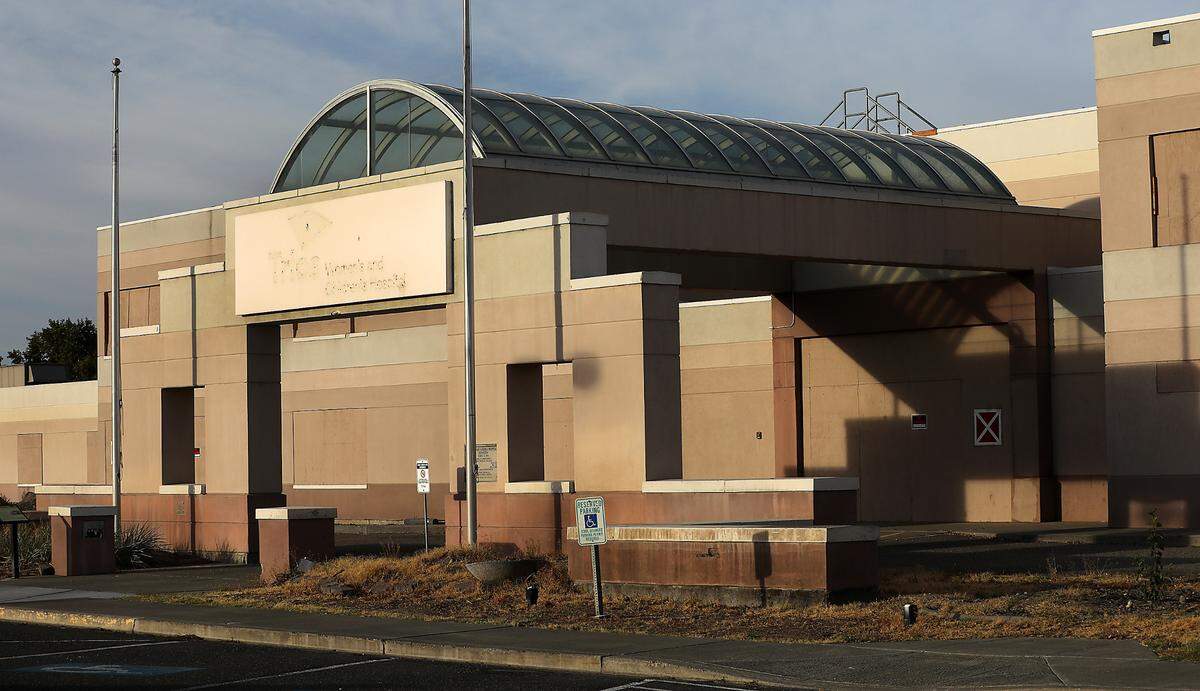
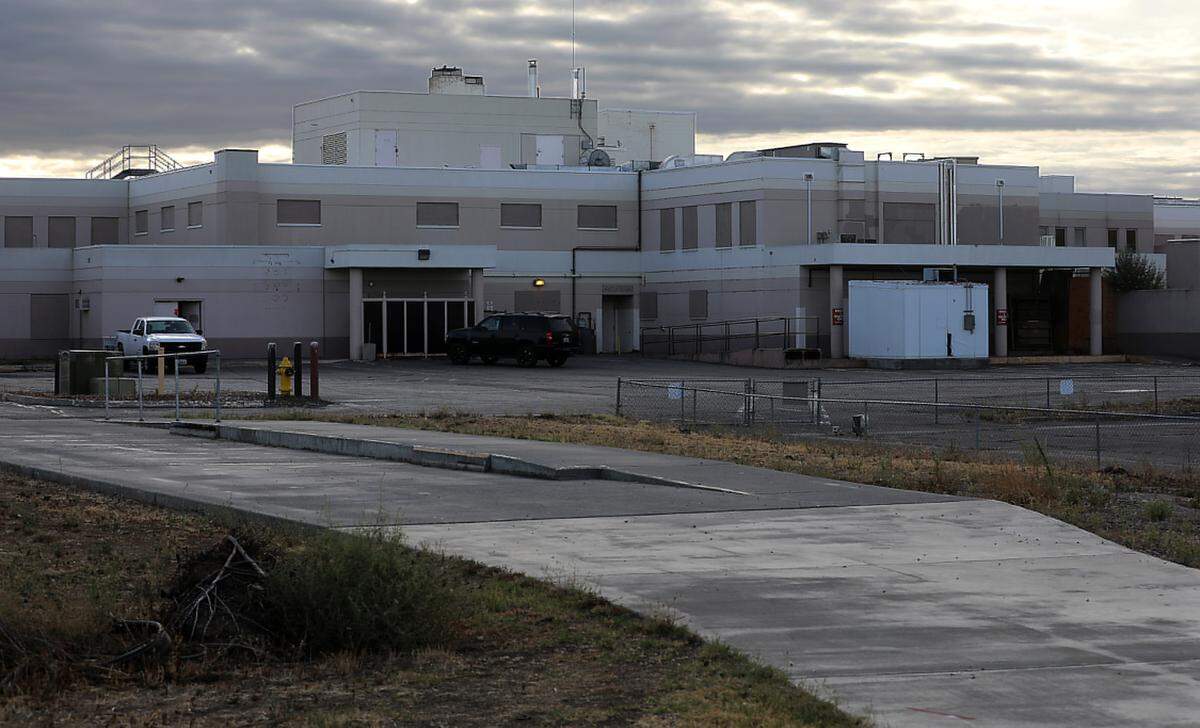
The old Kennewick General Hospital is so big that the future Columbia Valley Center for Recovery will take up only a small portion, about half of the first floor. Now Benton County is asking the state for money to help turn part of the extra space into recovery housing.
Benton County commissioners recently voted to request a grant from the Washington Department of Commerce to help fund converting 14,000 square feet of old hospital rooms on the second floor into 17 double occupancy apartments. There also would be an apartment for an on-site program manager.
The grant could provide up to $7.4 million in funding for the project, Benton County Deputy Administrator Matt Rasmussen told the Herald in an email.
“With housing costs at an all-time high in our area, this facility provides a unique opportunity to create a significant number of recovery housing units at a reasonable cost and in a relatively short time frame,” Rasmussen said.
Recovery housing
The apartments would have their own bathrooms and use common areas for group meetings and entertainment, such as a TV room and game room, plus a shared kitchen and laundry area.
Seasons Housing would operate the program as part of “phase two” of the recovery center. It would likely open 7 to 8 months after the recovery center, with residents moving in around mid-2026.
Rasmussen said the rent will be based on HUD fair market rates for the county, and Seasons will be able to help residents navigate rental assistance programs through the county if needed.
The units are intended to be available for people in recovery as they go through their programs and find stable housing. He estimated most will stay one to two years. It’s similar to some of the longer term housing that the Tri-City Union Gospel Mission offers.
While the housing is not specifically for people experiencing homelessness, many of the people they serve will likely be either unhoused or have unstable housing.
Other services planned
The plans currently call for the recovery center to be built in about 40,000 square feet of the newer portions of the building, from what was formerly the Spaulding Office entrance through the labor and delivery wing. The entire building is 190,000 square feet.
Other services that could eventually be added include day treatment services for youth and adults, a full commercial kitchen, technical skills classroom, art therapy and library rooms, transitional housing, eating disorder treatment and intensive outpatient treatment, respite/diversion beds and youth inpatient and children’s long-term treatment.
The second and third floors of the Spaulding offices will be set aside for future offices.
Benton County also is nearing an agreement with Franklin County to split the cost for some of the improvements to enhance the quality of the recovery center.
Those include an on-site commercial kitchen, additional single rooms for residential treatment and crisis stabilitzation, security upgrades, enhanced outdoor spaces and an additional courtyard for patients.
The recovery housing proposal is the first on the planned “phase two” of the project.
Rasmussen said the first phase design is moving along and renovation work should begin next month.
County officials say the Columbia Valley Center for Recovery remains on track to be handed off late next year to Comprehensive Healthcare, the contractor that will open and operate the program for the county.