
Activists say most of council shouldn’t live in 1 end of Richland. Petition drive begins
A coalition of Richland civic leaders is hitting the streets to build support for choosing city council members from neighborhoods instead of the city at large.
A Better Richland, led by several former city council candidates, is gathering petitions on a potential ballot initiative to change the Richland City Charter so that five council members are elected from districts and only two are elected at-large.
A Better Richland hopes to gather 4,000 signatures but has not determined when the matter could go before voters, said Shir Regev.
Regev, a Navy veteran who ran unsuccessfully for city council in 2017 and 2019, formed A Better Richland in 2023 with like-minded former candidates still active in city government, including Randy Slovic and Ginger Wireman.
South Richland dominates
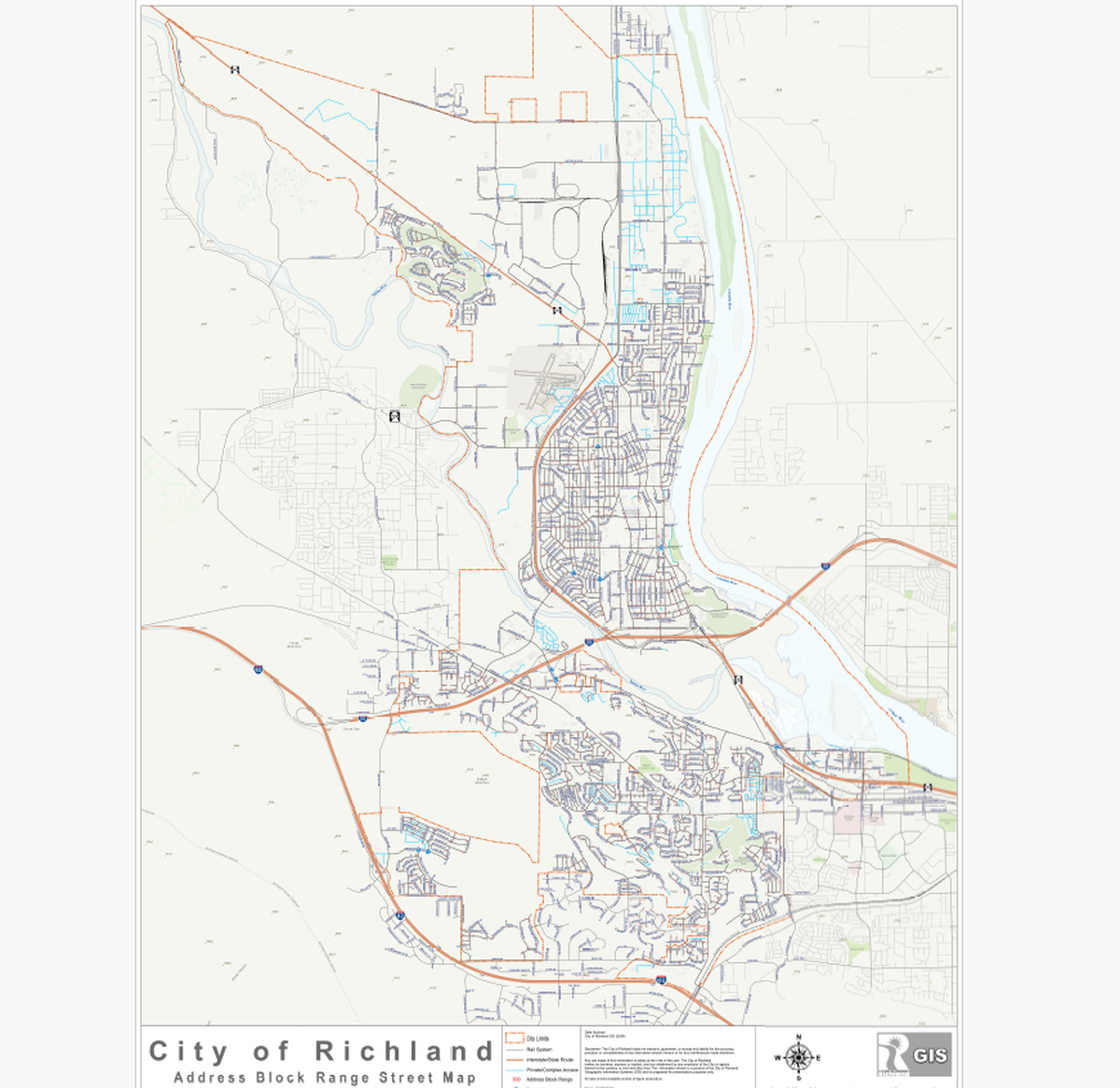
Richland elects its seven council members from the city at large. As a result, the affluent neighborhoods of south Richland dominate the council and control the agenda, with some exceptions, say critics.
The current council includes five council members who live in south Richland, one council member from north Richland and one from the central part of the sprawling city of just over 64,000, divided by a highway and the Yakima River.
In 2019, Regev ran on a platform that included replacing at-large elections with district-based ones.
She lost to Brad Anderson, who told the Herald at the time he would promote the idea. Anderson later backed off, then resigned from the council in 2020.
Regev said the pandemic put the idea on hold until last year. The all-volunteer A Better Richland spent the past year sorting out details and figuring out how to push the concept.
Regev said she won’t run for city council again, but feels strongly that city government is more responsive when residents have a council member who represents them.
“If you have a central Richland issue where pedestrians are being hit by traffic...if you want to know who is accountable to me, there’s no person to say, ‘This is my council member,” she said. “We don’t have that right now. And I feel like we need that.”
Changing the city charter is the best way to accomplish that, she said.
Kennewick, Pasco have districts
The Kennewick and Pasco city councils are both hybrid mixes of district representatives and at-large members.
Kennewick has four at-large positions and three district representatives. Pasco has one at-large position and six district ones.
The Richland group chose the two-and-five configuration because the city can be divided into five equal parts, based on population data from the 2020 census.
Regev notes that Pasco was compelled to abandon its all at-large makeup because it it was sued for violating the Voting Rights Act for disenfranchising Latino voters, who were under represented on the council.
Richland’s demographic doesn’t support the same argument, but that doesn’t mean it couldn’t be challenged.
Regev said altering the charter now, on its own terms, is Richland’s best strategy for empowering voters with minimal cost and disruption.
What’s next
The volunteer group will gather signatures at Jefferson Park, Badger Mountain Park and other spots scattered throughout the city to change the city charter.
For times, dates and more information about the district-based elections initiative, go to abetterrichland.com.
The city could proceed based on the petitions, or send the issue to voters in a future election.
Under the proposed initiative, all seven council seats will be on the 2025 ballot with terms staggered to end in 2027 and 2029.
After that, members would serve four-year terms.
The new approach would end a quirky feature of Richland council elections that ensures four seats are on the ballot every other year because it awards the candidate who wins with the fewest votes a two-year term.
The charter change would end the two-year swing seat.
While the city charter allows residents to petition for changes, it is rarely used.
The most recent instance was in 2018, when Legalize Richland petitioned the city to legalize cannabis shops.
It submitted 2,700 valid signatures to put the issue on the ballot to the city clerk. The city shelved the petition, noting that state law reserves the power to change zoning to councils, not voters.