Uproar over Rottweiler shootings prompts Benton County changes. Here’s their plan
A series of high-profile dog incidents have left Benton County leaders looking to change the way they respond to animal control calls. And now they have a plan to start making that happen.
At a workshop Tuesday commissioners and their animal shelter staff discussed the challenges of managing the loosely connected three-part system the county uses for these types of calls and settled on a plan to move forward.
About three dozen people attended the session with even more watching online, though no public comments were allowed.
The changes to the shelter and county’s policies will be voted on at regular county commission meetings.
Public interest in the issue has been high since a series of incidents in the county left residents upset and demanding answers.
Commissioner Michael Alvarez said that modernizing animal control services has been a priority for some time, and they’ve listened to comments and read emails coming in from concerned residents.
“We’ve been working on this. This has been a 25- to 30-year ongoing issue, it’s never been permanently fixed,” Alvarez said. “Today after we see a presentation from our staff members, the goal is to fix an issue that’s been going on here for 25 to 30 years.”
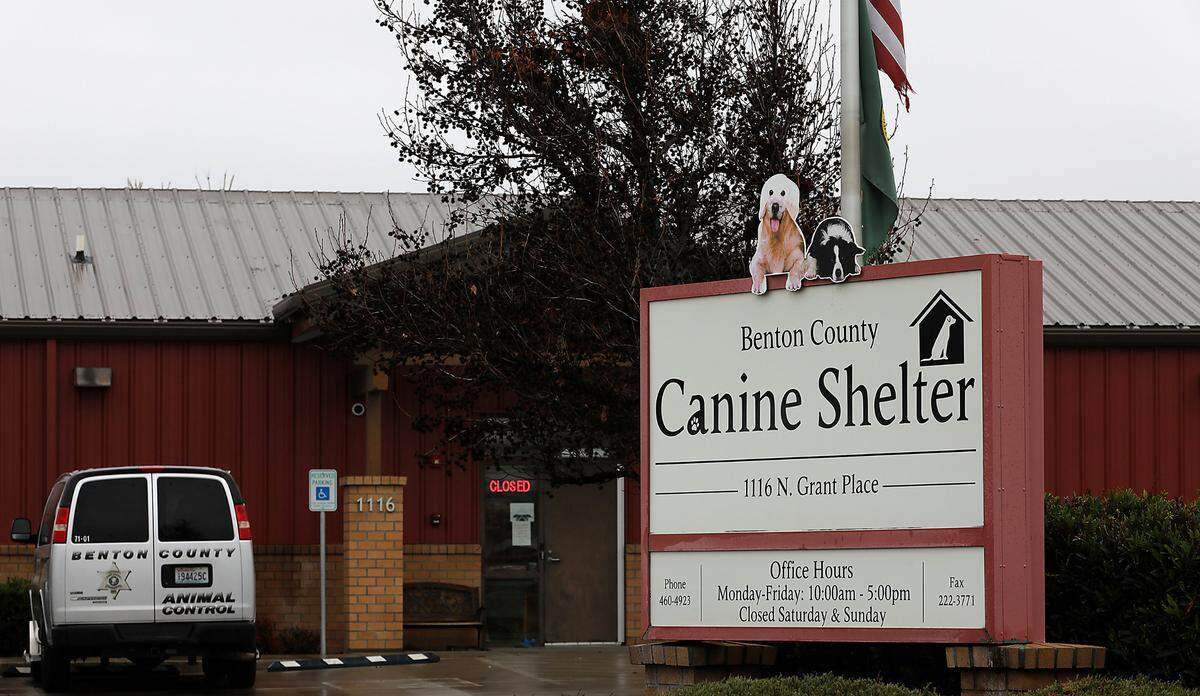
The Benton County Canine Shelter is separate from the Tri-Cities Animal Shelter, which is run by the city of Pasco, and is a partnership between Pasco, Richland and Kennewick. West Richland has its own dedicated animal control officer.
How it works now
Currently, Benton County Canine Shelter staff respond when they are available to check on loose dog complaints. Other times a county code enforcement officer is called in or, as a last resort, sheriff’s deputies are sent out.
Benton County’s canine control officers also are responsible for operating the shelter itself, which takes up most of their time because they have just two employees at the moment, with a third on leave, according to Tuesday’s presentation.
Their current budget is under $600,000 a year.
Shelter Supervisor Josh Castejilla said the biggest challenges right now are:
- Limited shelter space
- Need for on-call and weekend staffing
- Deciding who should make the call on whether a dog is dangerous
- How to manage risks with potentially dangerous dogs
They’ve reached out to Tri-Cities Animal Shelter staff for help with dangerous dogs after hours and on weekends, but Castejilla said their shelter also is at its limit of what they can manage.
The canine shelter focuses on cleaning and caring for dogs, facilitating adoptions, impounding lost dogs and assisting the sheriff’s office during regular business hours and sometimes after hours.
They only have 10 kennels for strays and six reserved for dogs seized by the sheriff’s office. They also have two quarantine rooms for injured dogs or those with puppies.
The shelter has been at capacity virtually every day for years, Castilleja told commissioners. Data from the shelter shows they managed an average of about 300 dog intakes each year.
“We definitely all need to be together and work together, understanding capabilities and resources available for any dog related situation,” Trish Trickit with Pit Bull Pen Rescue told the Tri-City Herald. “Everyone is full, everyone is overwhelmed, everyone is overworked.”
She said they’re hosting a dog body language class on April 20 with a trainer from Yakima and invites the public to attend.
Reshaping animal control
Castilleja came to the workshop with a plan in place to reshape the animal control policies and responses.
He recommended some interim steps including contracting with another animal control agency for on-call and weekend hours and partnering with other pet rescues to reduce the number of lost dogs held in the shelter.
Castilleja then presented commissioners with three options for retooling animal control in the county.
Their preferred course of action is to assign the canine shelter as the animal control authority for dangerous dogs.
They’ll also add more employees to maintain on-call 24/7 staffing, take over the sheriff office’s responsibilities for dangerous dogs and expand the facility to match the need the county is regularly seeing.
To do so they’re going to need to hire two more full time employees and make their current part-time employee full time.
The three commissioners agreed that was the strongest option.
“Is it a perfect solution? No, but it’s a solution to a 30-year problem where nothing has worked. I want to get it fixed today,” Alvarez said.
He said the county can start with this plan and then continue to improve services going forward.
“I think this is a win-win for our community and at least a starting base to get it done and begin to move forward,” Alvarez said.
He said the county has a rough idea of how much it’ll cost to get started on the plans and money in contingency funds to get moving now. Then they will begin to figure out how these plans fit into the budget going forward.
The exact amount needed will come down to how much the salaries will be and, eventually, what shelter expansion plans they settle on.
“We will find funding for this, we will make this happen,” Alvarez said. “We will have to pivot and reallocate funding.”
Lethal options for dangerous animals
Shelter employees said they do not, and will not, have lethal options for dealing with dangerous animals in the field. They also committed to further expanding their non-lethal animal control tools and techniques.
The shelter was responsible for managing dogs after two serious pit bull attacks in Benton County recently, where one woman died from her injuries and a mother and her son were seriously hurt. In both cases, the dogs had previously been declared dangerous by code enforcement officers.
In the first case, the owner of the dogs involved in the September 2023 attack in a pocket of unincorporated county off Canal Drive is awaiting trial.
In the second, Benton County commissioners agreed to pay the mother and son $1.6 million to settle their tort claim against the county after they suffered lifelong injuries after being mauled by a pack of pit bulls that neighbors had complained about to Benton County officials for years.
While the code enforcement officer can follow up, write tickets or refer a case to prosecutors, they can’t manage animal control calls.
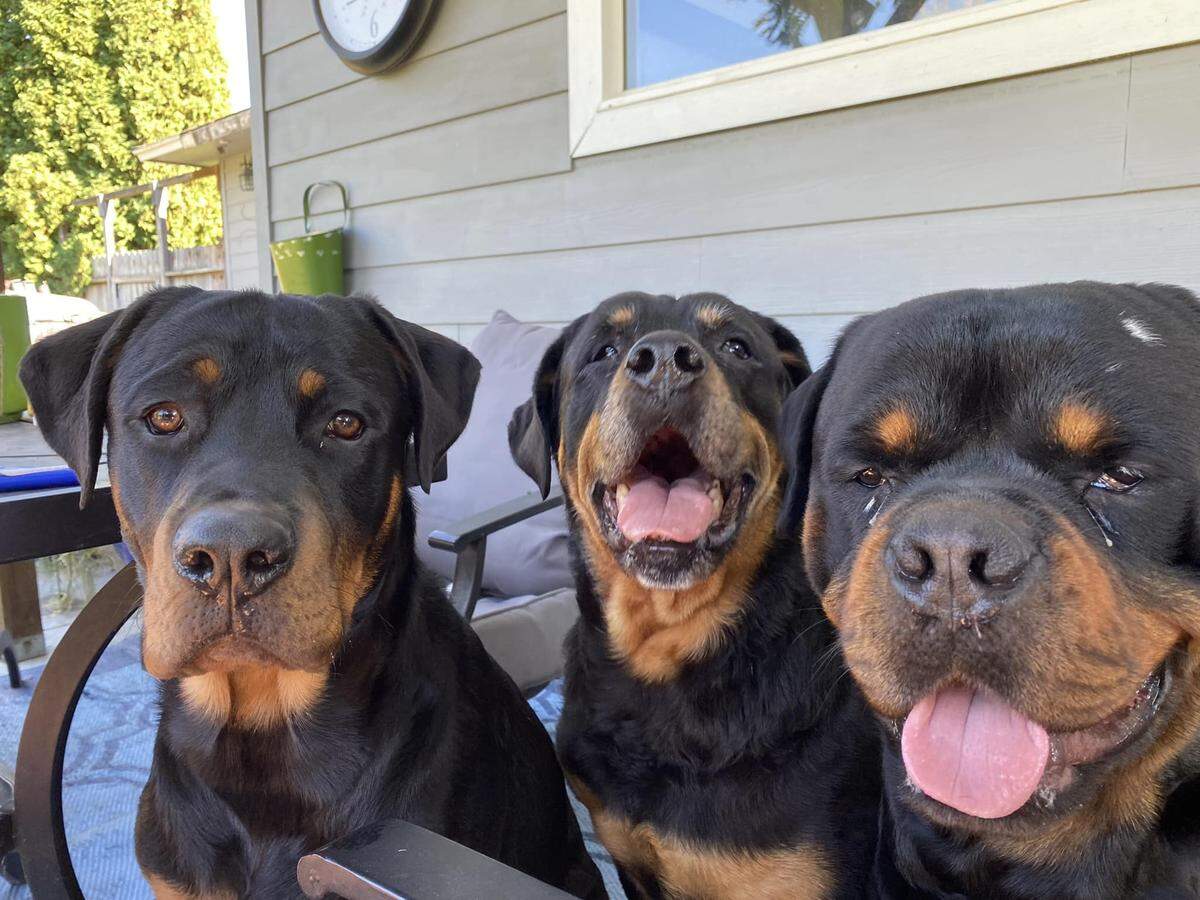
Then, last month, deputies shot and killed two Rottweilers near a residential area by Hansen Park because they couldn’t get a response from shelter staff on a weekend and felt it was the safest option.
They believed the dogs may have been aggressive, according to written reports filed after the incident, and said they had no way to safely capture the dogs on their own if they proved to be dangerous.
Afterward, the deputies weren’t even sure what to do with the bodies of the animals. At first they were going to leave them for animal control to pick up after the weekend, but later returned and put them in a patrol vehicle and took them to the canine shelter.
A third dog ran away and was not killed. It soon returned home and the owner is now fighting a dangerous dog declaration.
Reporter Karlee Van De Venter contributed to this story.
This story was originally published April 9, 2024 at 6:13 PM.