‘Golden’-eyed creature found burrowing at campsite in Mozambique. It’s a new species
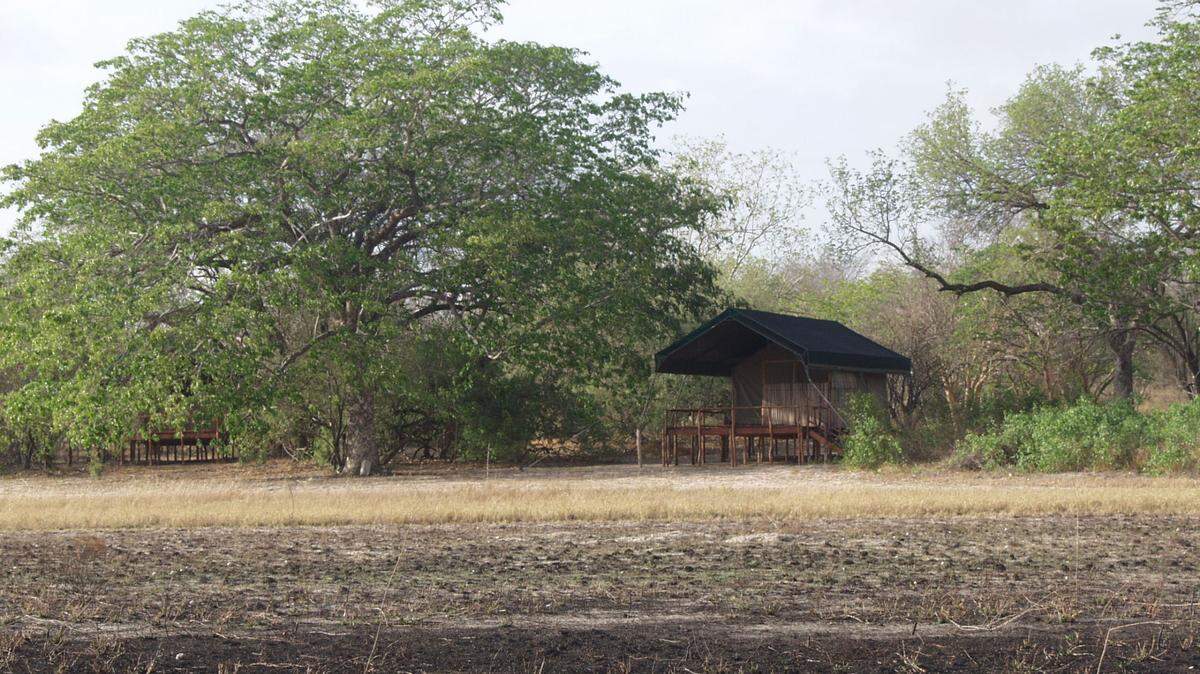
Near a campsite in southeastern Africa, a “golden”-eyed creature sat in the sand and called out with “high-pitched notes.” Its “cryptic” looks and “poorly studied” home helped it go largely overlooked.
But it turned out to be a new species.
Researchers visited Banhine National Park in southern Mozambique multiple times in 2007 in search of wildlife. The region had been largely “under-studied,” so they hoped to find some interesting biodiversity, according to a study published Feb. 5 in the peer-reviewed journal Zootaxa.
During their visits, researchers found several bumpy, speckled frogs and took them to a laboratory for a closer look, the study said. DNA tests showed the newly collected frogs matched an unidentified pair of frogs caught in Beira, Mozambique, in 1991 — but they didn’t match any known species.
Researchers soon realized they’d discovered a new species: Tomopterna banhinensis, or the Mozambique sand frog.
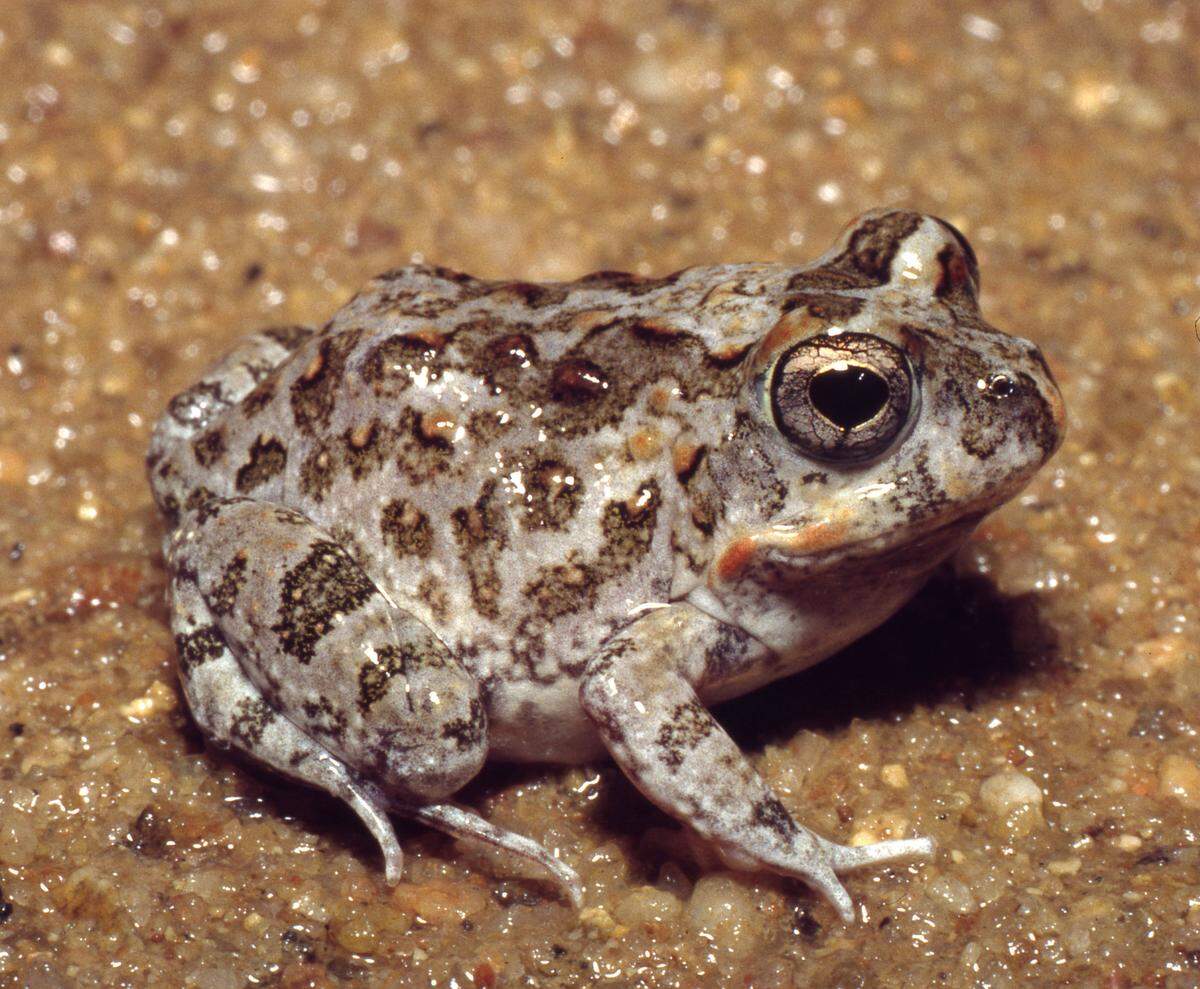
Mozambique sand frogs have “robust” bodies reaching just under 2 inches in length, the study said. Their heads are “short” with a “narrow” snout and “small,” “pale golden” eyes. Their arms are “slender” with “moderately large” hands, while their legs are “stout.”
The new species varies in color “but always (has) darker blotches on a pale background,” researchers said. A photo shows one sand frog with a pale gray body covered in copper and dark brown blotches.
Mozambique sand frogs are “burrowing” amphibians, found near the campground and in open sandy areas near wetlands, the study said. Their call sounds like “a rapidly-repeated series of high-pitched notes,” but much about their lifestyle remains unknown.
.JPG "Bush at camp (type locality).JPG")
Researchers said they named the new species after Banhine National Park in southern Mozambique, one of the two places where it has been found. The other site, Beira, is roughly 400 miles north of the national park, suggesting the new species is “likely” widespread.
Mozambique is a country in southeastern Africa, bordering Eswatini, the Indian Ocean, Malawi, South Africa, Tanzania and Zimbabwe.
The new species was identified by its DNA, mouth, toe shape, finger shape, skin texture and other subtle physical features, the study said.
The research team included Alan Channing, Darren W. Pietersen and Abeda Dawood.
This story was originally published February 7, 2025 at 10:50 AM with the headline "‘Golden’-eyed creature found burrowing at campsite in Mozambique. It’s a new species."