‘Long’-limbed creature with bright yellow belly found lurking. It’s a new species
As night fell across western Thailand, a “long”-limbed creature emerged from the rocks and took up its perch. Its “large” eyes scanned the landscape, but it wasn’t the only one looking around.
Nearby scientists noticed the lurking animal — and discovered a new species.
A team of researchers hiked into a karst forest of Sai Yok District in 2022 to survey wildlife. They’d visited the area a few times before and knew it harbored significant biodiversity, according to a study published Feb. 6 in the peer-reviewed journal ZooKeys.
During their visit, researchers ventured further up the rock formations than they’d done before and found some slightly different lizards, the study said. Intrigued, they caught two of the animals and took them to a laboratory.
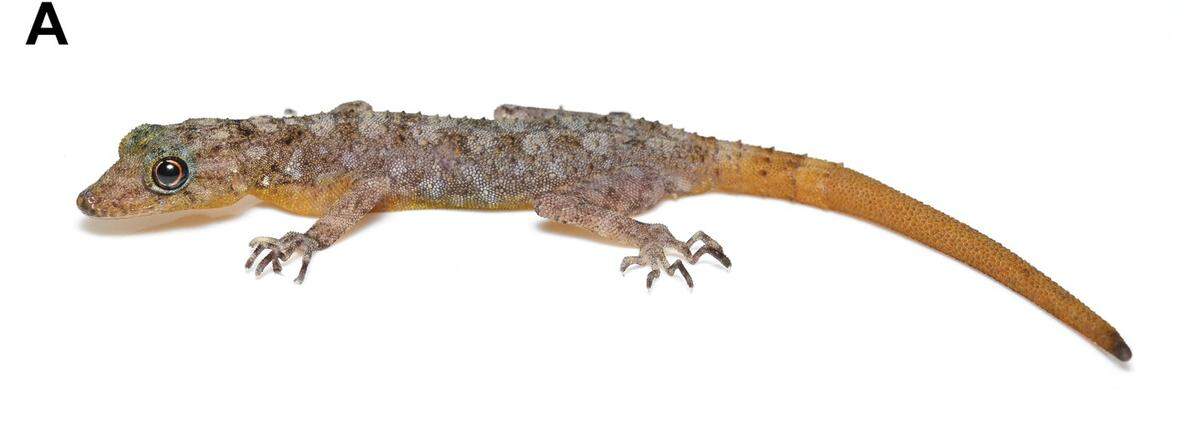
The lizards “superficially” resembled a known species, but when researchers took a closer look, they soon realized they’d discovered a new species: Cnemaspis enneaporus, or the Sai Yok rock gecko.
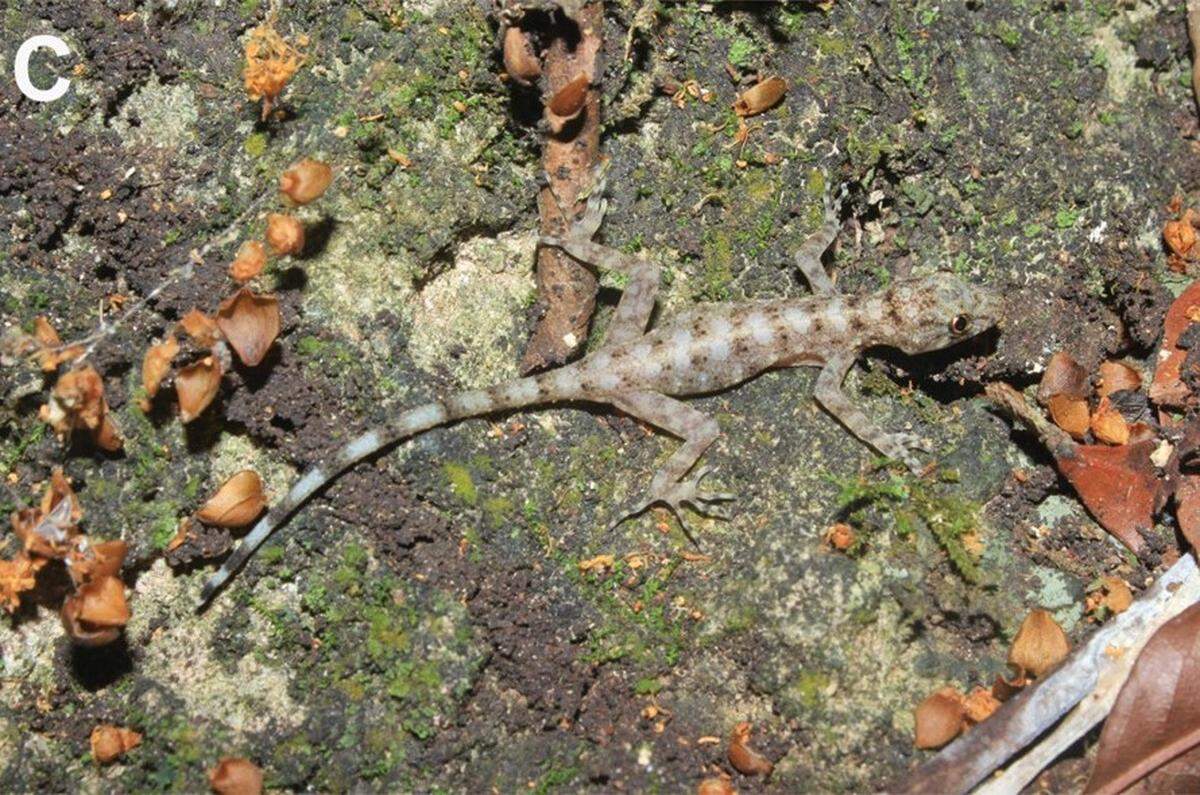
Sai Yok rock geckos have “slender” bodies, reaching over 3 inches in length, the study said. Their heads are “oblong” and “somewhat narrow” with “large” eyes and “small” nostrils. Their limbs are “long” with clawed fingers and toes.
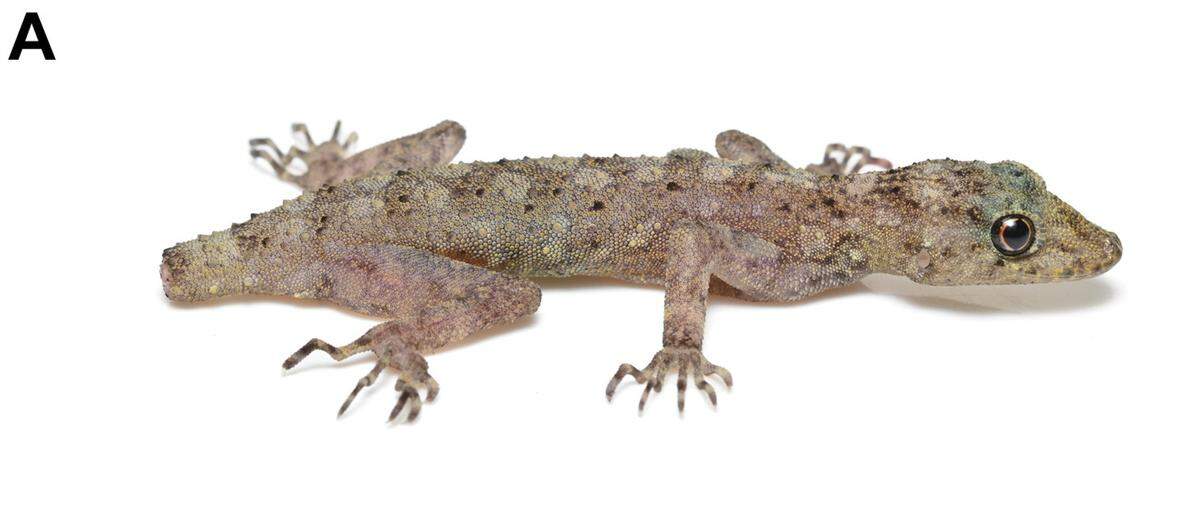
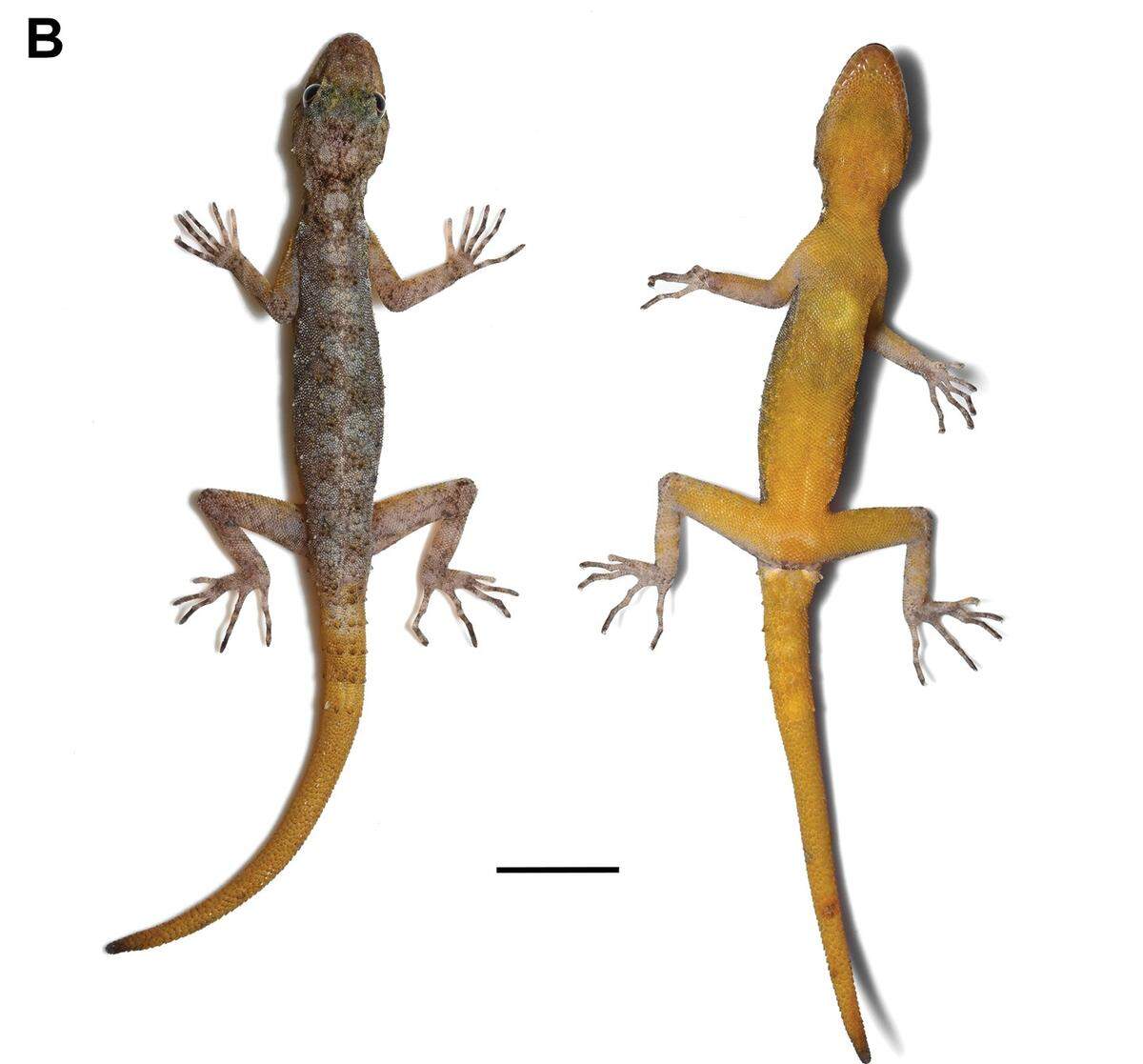
Seen from above, males and females of the new species look relatively similar, the study said and photos show. Both have gray-brown bodies with a smattering of lighter cream and darker brown blotches.
Seen from below, male and female geckos look very different, researchers said. Males have a bright yellow belly and matching tail, but these areas are gray-brown for females. Photos show the variation.
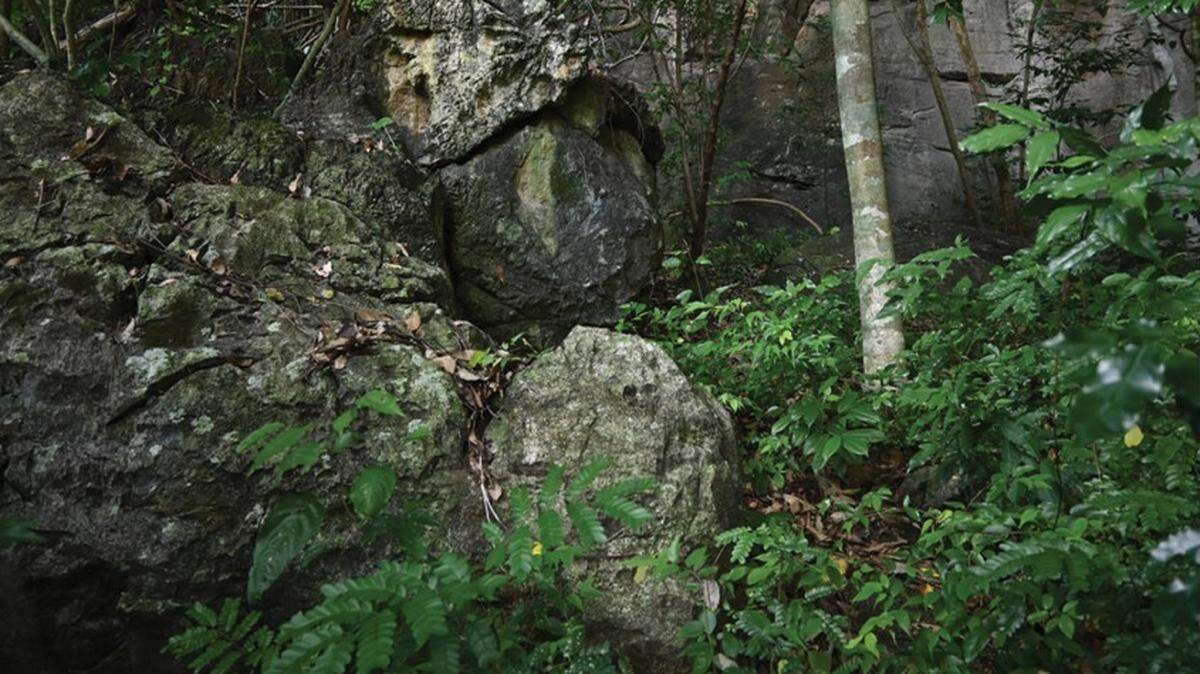
Sai Yok rock geckos live on karst rock formations in a forest at an elevation of about 1,300 feet, the study said. The lizards were seen on boulders and vines at night.
Researchers said they named the new species “enneaporus,” a combination of the Greek word “ennea,” meaning “nine,” and the Latin word “porus,” meaning “pores,” because of the number of glands on the underside of males.
The new species’ common name refers to the Sai Yok District where it was first discovered and, so far, the only place where it has been found. The district is in Kanchanaburi Province of western Thailand and along the border with Myanmar.
Sai Yok rock geckos were identified by their size, scale pattern, coloring and other subtle physical features, the study said. DNA analysis found the new species had at least 8% genetic divergence from other related gecko species.
The research team included Attapol Rujirawan, Akrachai Aksornneam, Siriporn Yodthong, Parinya Pawangkhanant, Bryan Stuart and Anchalee Aowphol.
This story was originally published February 7, 2025 at 8:27 AM with the headline "‘Long’-limbed creature with bright yellow belly found lurking. It’s a new species."