
Speedy creature evading capture in rocky area turns out to be new species in Australia
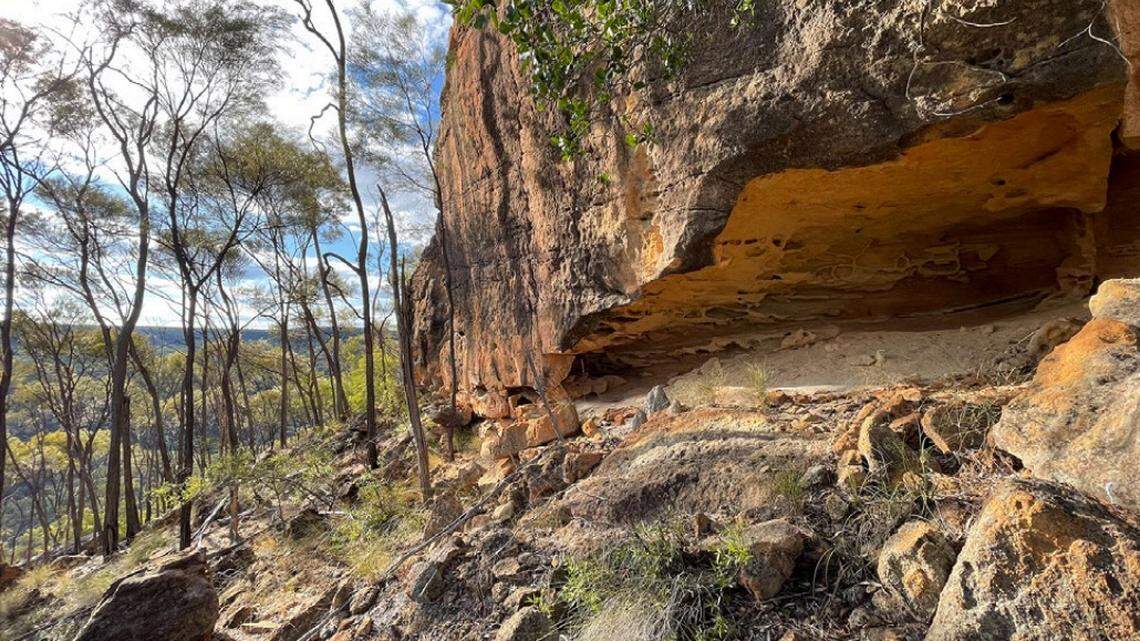
In a remote area of Australia, an “unusual looking” creature with “reddish” hips raced along the rocky terrain. It had evaded capture for years.
But determined scientists would eventually catch the speedy animal — and discover a new species.
Researchers have known about an “unusual looking” lizard living in a rocky area of Queensland since the early 2000s, according to a study published July 8 in the Australian Journal of Taxonomy. The lizards were seen occasionally but avoided capture due to their “speed and evasive nature.”
That changed in 2022 when Dylan Case finally captured one of these speedy lizards.
Now even more intrigued, researchers did several targeted follow-up searches. The efforts were partially successful and eventually caught five more of these reptiles.
Taking a closer look at the lizards, researchers quickly realized they’d discovered a new species: Ctenotus rungulla, or the Rungulla rock skink.
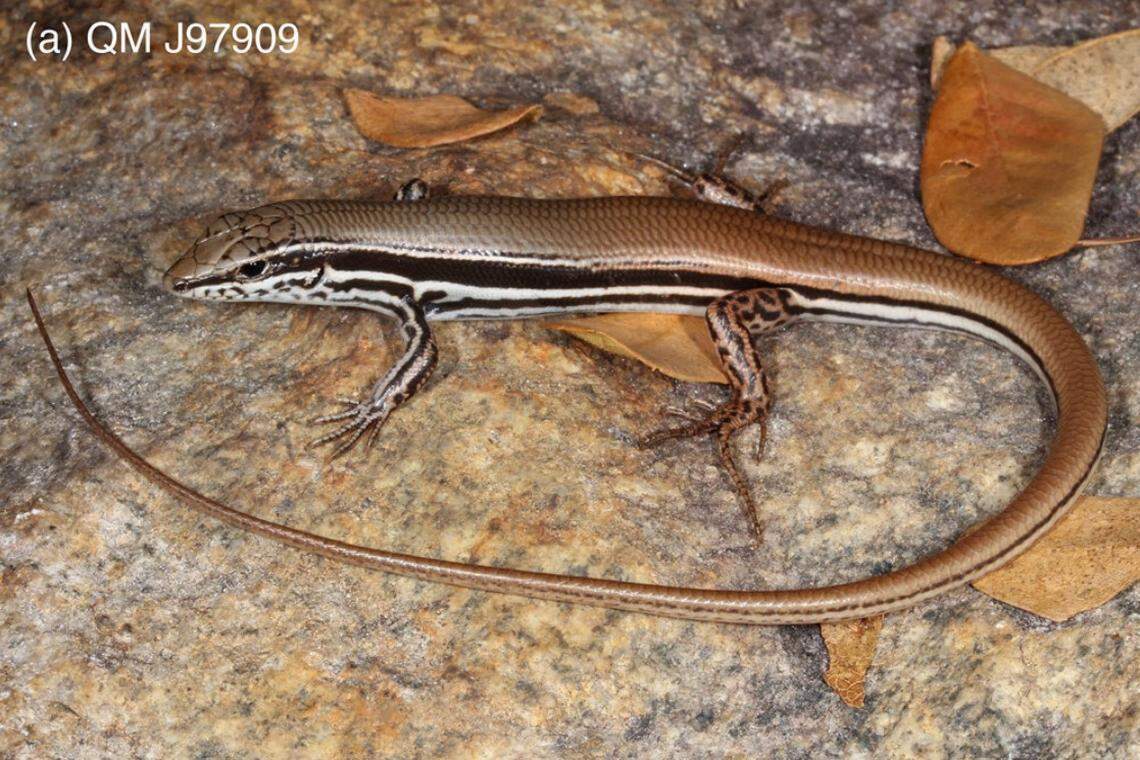
Rungulla rock skinks are considered “medium-sized,” reaching about 9 inches in length, the study said. They have “large” ear openings, long toes and white stomachs.
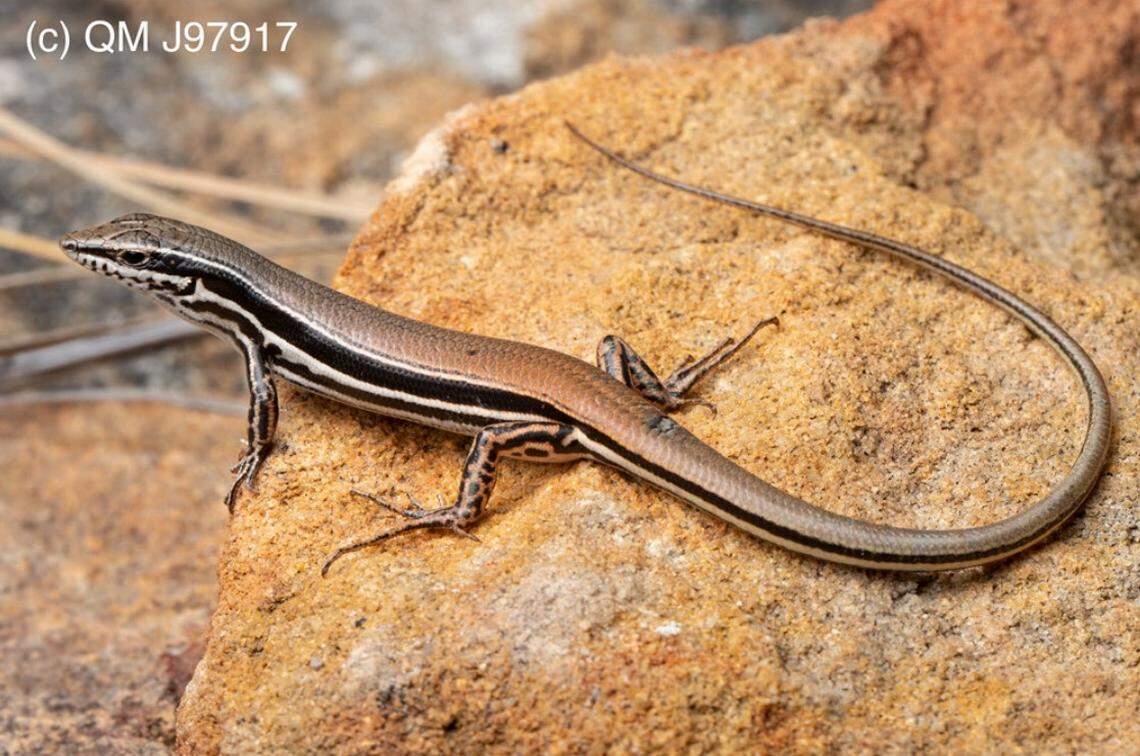
Photos show the coloring of a Rungulla rock skink. Striking black and white stripes run down its sides. Its coloring fades from brown on its head to a “reddish flush” on its hips and hindlegs to copper on its tail.
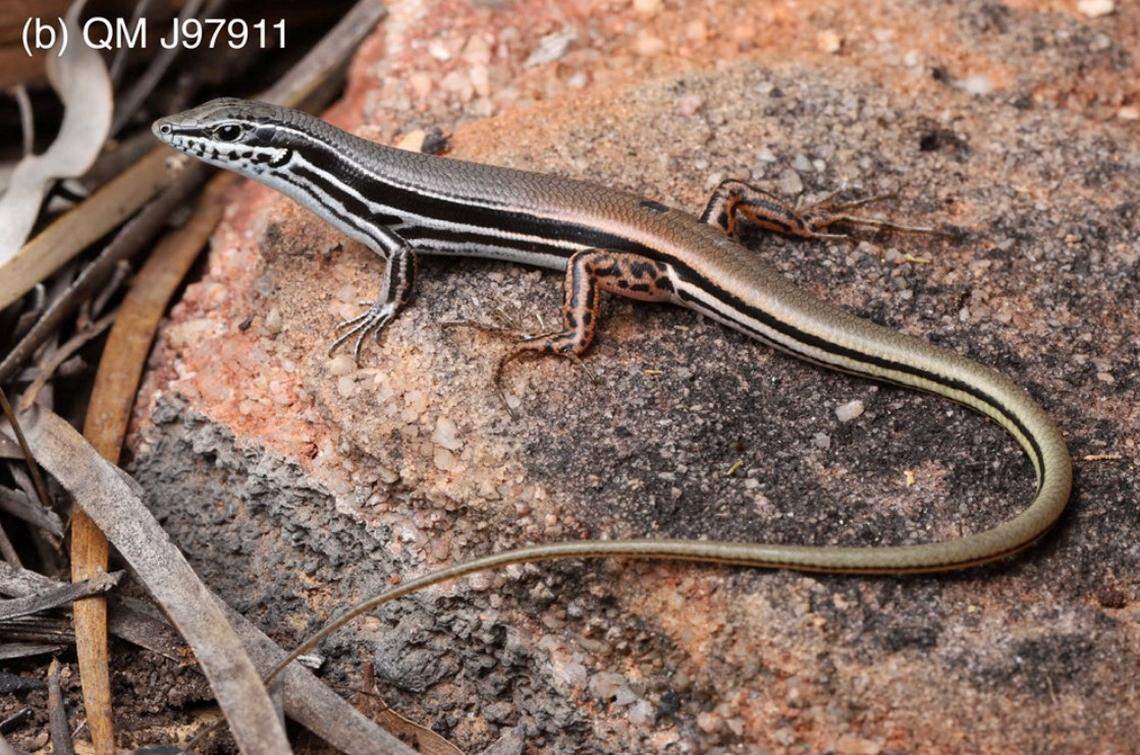
Overall, the new species seems to blend in with its surroundings, photos show.
Rungulla rock skinks live in rocky sandstone areas surrounded by “open woodland,” the study said. The lizards were seen around plants, fallen logs and leaves.
Researchers said they named the new species after Rungulla National Park because the first documented sighting took place in this area. This park is a roughly 1,400-mile drive northwest of Sydney.
So far, Rungulla rock skinks have been at four sites in the Gregory Range, a mountain range in remote northern Queensland, the study said. The new species “is almost certainly more widespread through the rugged sandstone habitats of the Gregory Range, most of which is inaccessible by road.”
The new species was identified by its scale pattern, ear openings, body proportions, coloring and other subtle physical features, the study said. DNA analysis found the new species had at least 10% genetic divergence from closely related skink species.
The research team included Stephen Zozaya, Case and Conrad Hoskin.
This story was originally published July 16, 2024 at 8:25 AM with the headline "Speedy creature evading capture in rocky area turns out to be new species in Australia."
