Venomous creature lurking — and hunting — in California desert is new species. See it
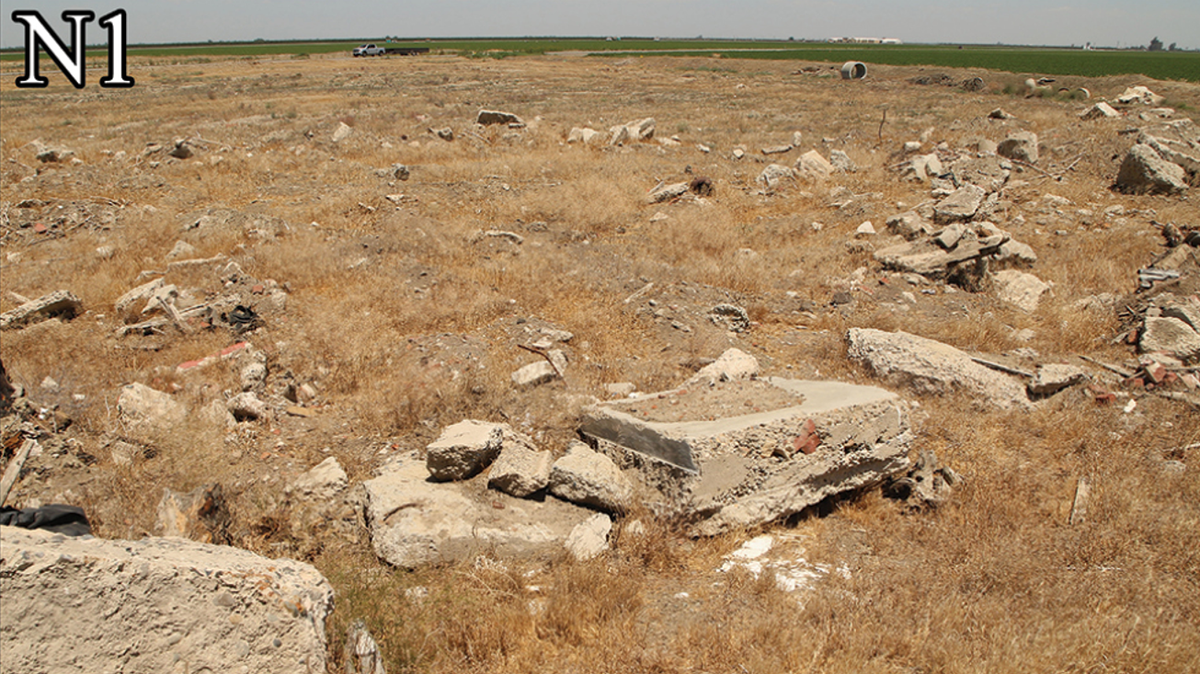
Under the sweltering sun of a California desert, a venomous creature sought shelter in an underground burrow. Occasionally, the eight-legged animal emerged from its hiding spot to hunt. Nearby scientists spotted the yellow-orange animal — and discovered a new species.
Brian Hinds scanned the desert landscape of a small “relatively undeveloped” plot of land in Fresno County in 2020, according to a study published Nov. 29 in the journal ZooKeys. As he looked around, a small scorpion caught his attention.
Hinds shared the observation on iNaturalist, a citizen-science website, the study said. He wasn’t the only one intrigued by the scorpion.
A team of researchers with the California Academy of Sciences set out to find more of these unfamiliar scorpions.
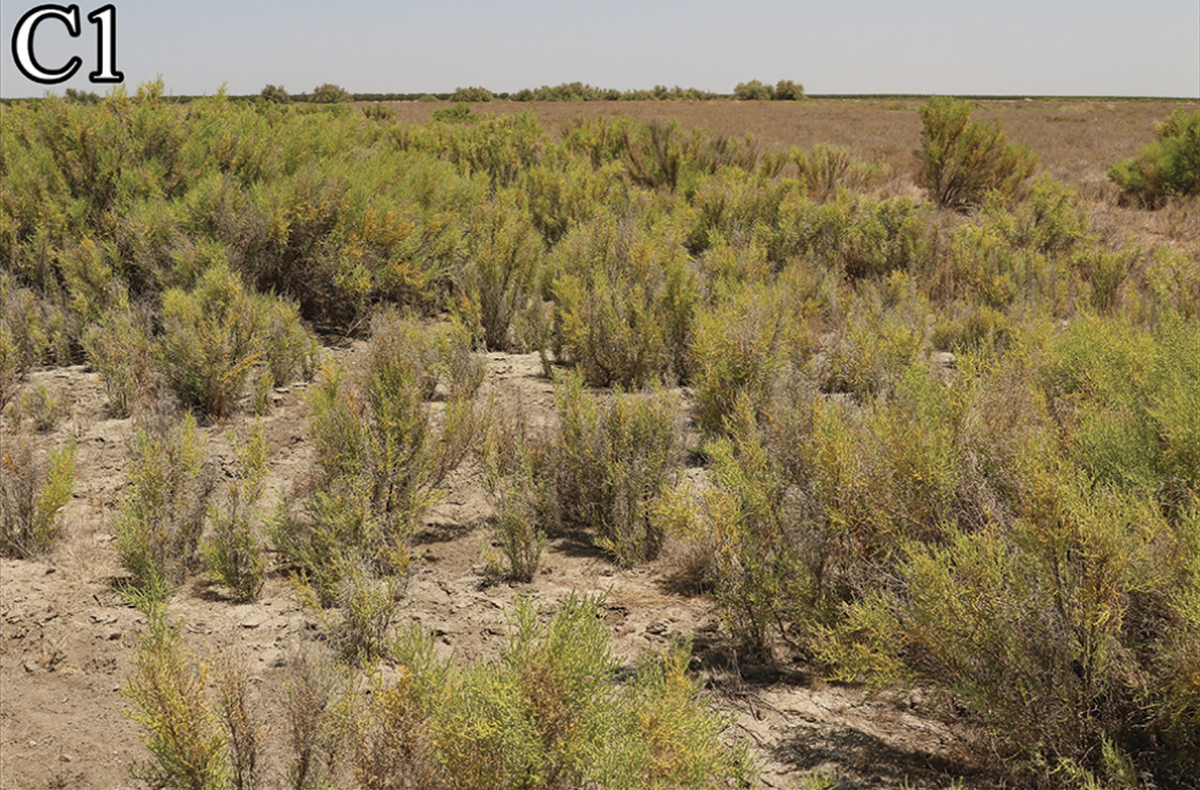
Researchers searched several salt flats around the San Joaquin Desert between 2021 and 2022 and found 29 scorpions similar to the one Hinds had observed, the study said. Taking a closer look at the animals, they realized they’d discovered a new species: Paruroctonus tulare, or the Tulare Basin scorpion.
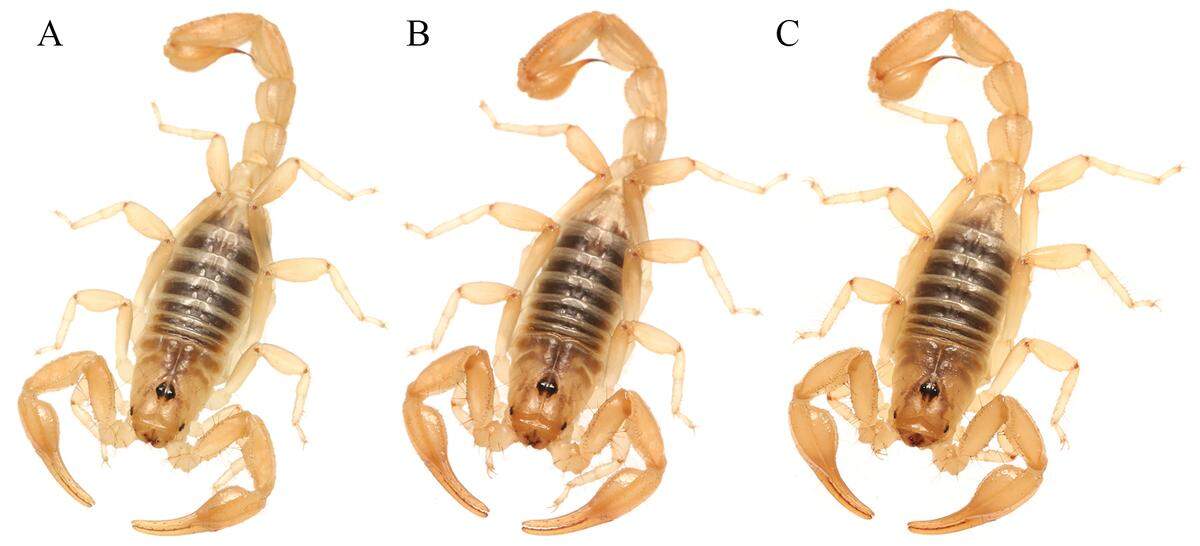
Tulare Basin scorpions can reach about 2.1 inches in length, researchers said. They have a “smooth” body, eight legs and two “heavily scalloped” pincers. Their bodies are orange-yellow in color with darker brown markings down their backs and hints of reddish-orange on their pincers and tail tips, photos show.
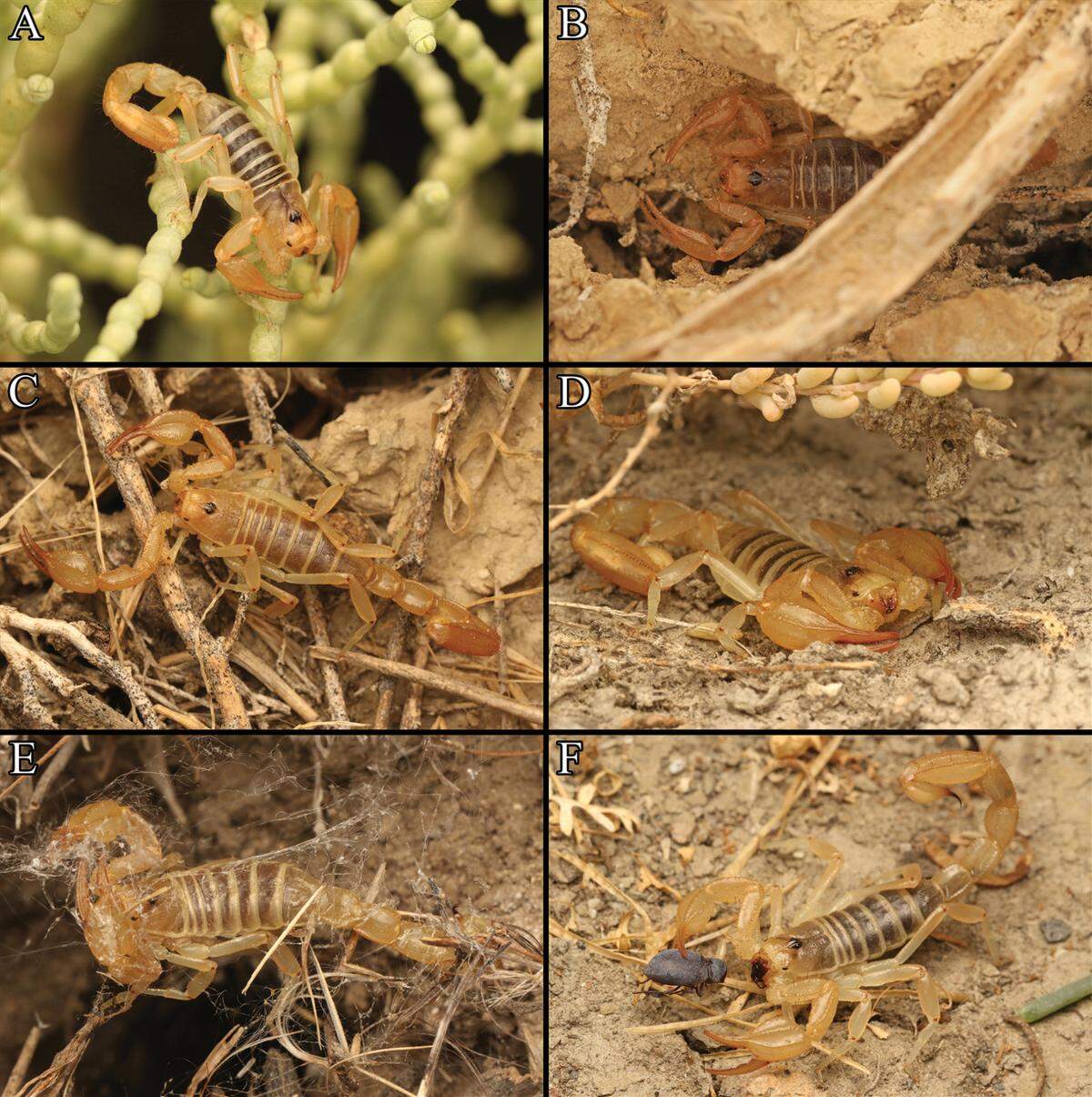
Photos show several Tulare Basin scorpions in their natural habitats. Multiple photos show the scorpions perched on plants and hiding in soil cracks or burrows. One photo shows a scorpion caught in a spider’s web. Another shows the scorpion preying on a smaller brown insect.
Lauren Esposito, the study’s lead co-author, told McClatchy News via email that the new species is venomous but not harmful to humans.
Tulare Basin scorpions were seen eating various insects and hunting through “sit-and-wait predation,” the study said. The animals were often found lurking in soil cracks, near burrows or under discarded concrete.
Researchers said they named the new species after the area where it was discovered, the Tulare Basin.
So far, the Tulare Basin scorpion has been found at 12 sites in the San Joaquin Desert, the study said. These locations are scattered throughout Kern County and Fresno County, about 100 miles and 175 miles northwest of Los Angeles.
The Tulare Basin scorpion “is likely already highly threatened with extinction,” Esposito said.
The new species faces “a large number of imminent threats to its survival, most of them anthropogenic in nature,” according to the study.
Researchers identified the new species by its pincers, coloring, body shape, habitat and other subtle physical features. The study did not provide a DNA analysis of the new species.
The research team included Prakrit Jain, Harper Forbes, Jacob Gorneau and Lauren Esposito.
CORRECTION (12/1): An earlier version of this article incorrectly stated how many legs the scorpion has. The scorpion has eight legs. The corrected story is above.
This story was originally published December 1, 2023 at 7:33 AM with the headline "Venomous creature lurking — and hunting — in California desert is new species. See it."