Biden picked Miami’s Brown Jackson. What comes next in her path to the Supreme Court?
READ MORE
Miami’s Ketanji Brown Jackson gets historic Supreme Court nomination
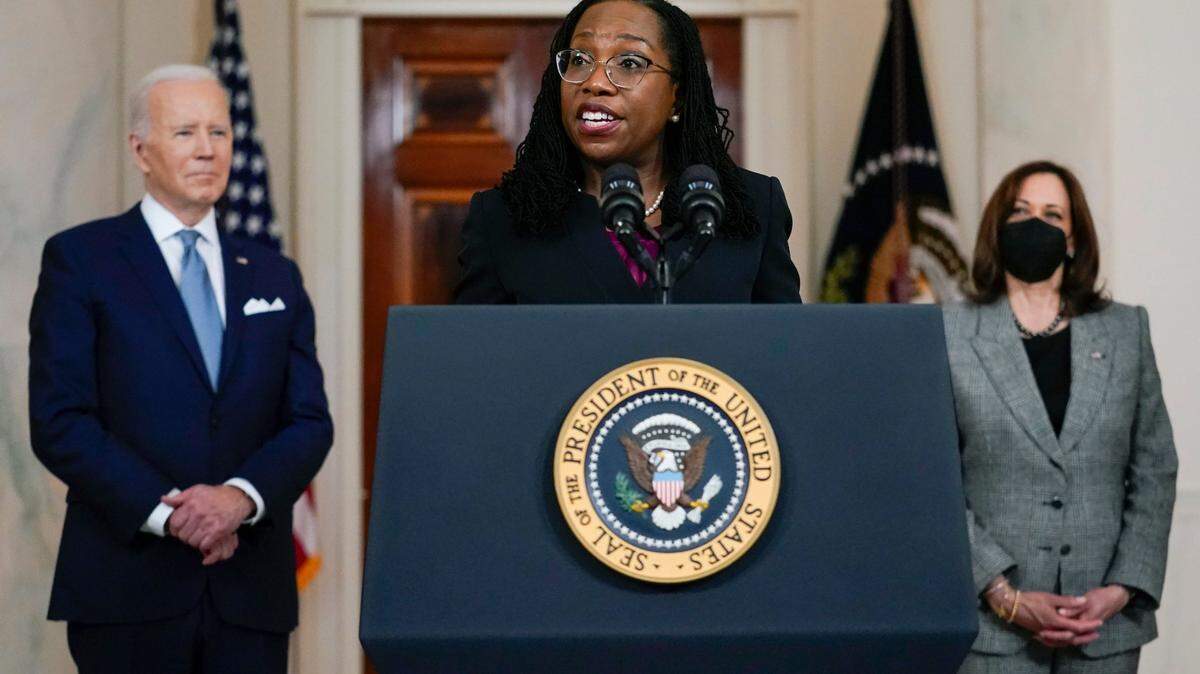
President Joe Biden nominated federal appeals Judge Ketanji Brown Jackson for the U.S. Supreme Court, a historic pick which will make the Miami Palmetto High School graduate the first Black woman on the nation’s high court if she is confirmed by the U.S. Senate.
Expand All
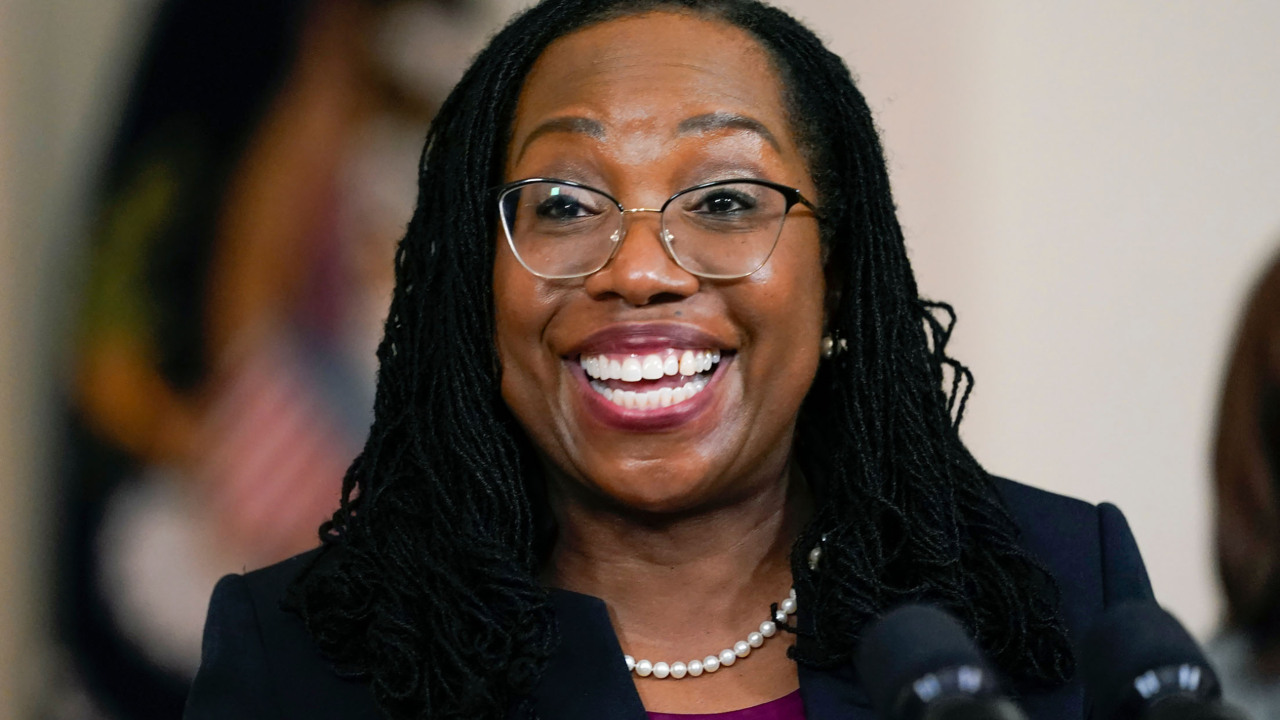
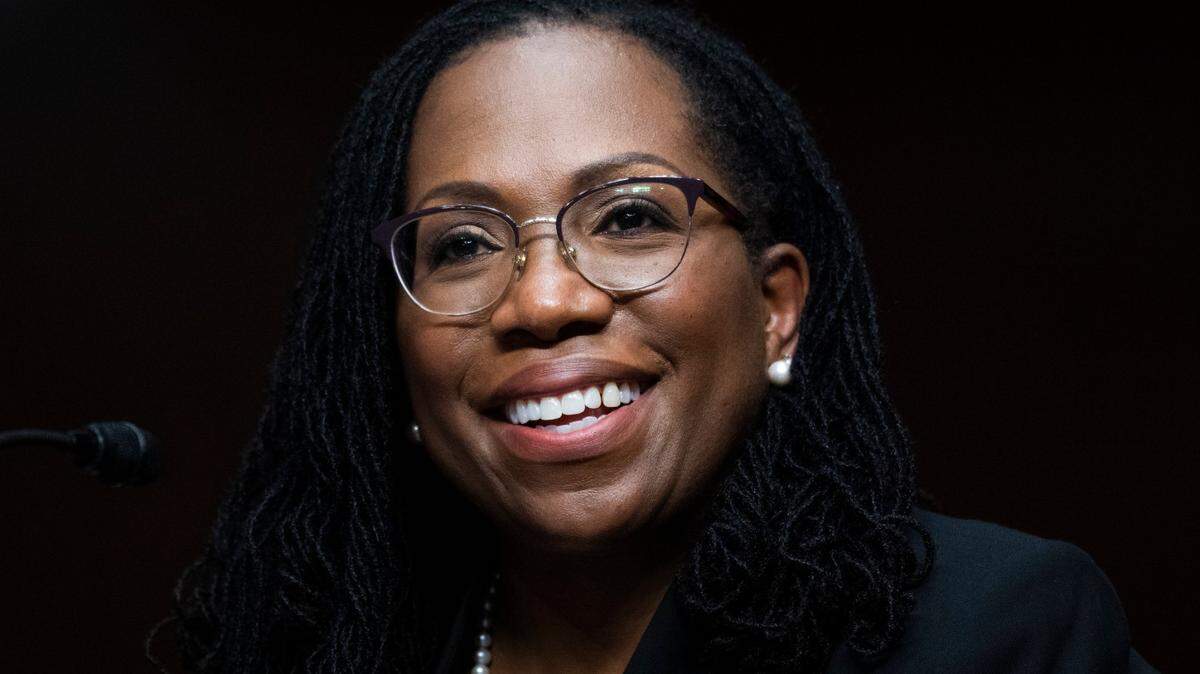
Miami’s Ketanji Brown Jackson is poised to make history as the first Black woman on the Supreme Court, but first she has to navigate the U.S. Senate’s often grueling confirmation process.
Due to a 2017 Senate rule change for Supreme Court confirmations, the federal appeals judge who grew up in South Florida will require only 51 votes for confirmation to the nation’s high court rather than the 60-vote threshold, which has upended some of President Joe Biden’s other legislative priorities.
Democrats can provide those votes themselves with Vice President Kamala Harris’ tie-breaking vote if the party remains united around Biden’s nominee.
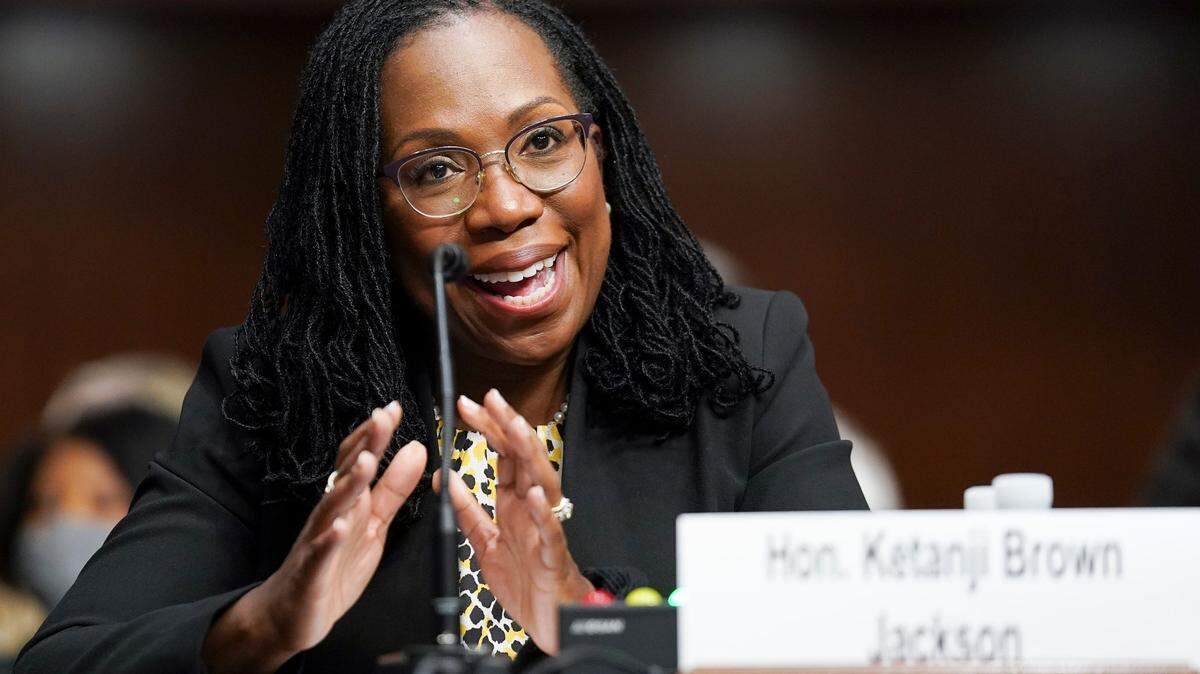
But before the vote, Brown Jackson will have to go through the Senate Judiciary Committee, which has vetted her for federal positions three times in the past, including last year when she was elevated from her former federal district court position to a spot on the U.S. Court of Appeals for the D.C. Circuit.
And while those appearances are sure to be a boost for the judge who has received bipartisan support in the past, the difference between her previous confirmation hearings and the widely televised national theater of a Supreme Court confirmation hearing is like the difference between a high school basketball game and an NBA game, retired federal Judge Thomas Griffith told the Herald earlier this month.
Winning over senators one-on-one
The FBI conducts background investigations into potential nominees before they’re chosen, but now that she’s been selected individual Senate offices will also dig deeply into Brown Jackson’s background, finances and legal philosophy ahead of the hearing.
It’s a process that has tanked some previous nominees and unearthed highly personal details about other nominees who were ultimately confirmed.
Biden’s team has tapped former Sen. Doug Jones, an Alabama Democrat, to help shepherd Brown Jackson’s nomination to confirmation.
It’ll involve one-on-one meetings between Brown Jackson and senators in the lead-up to the confirmation hearing and vote.
“They’ll make her available to all 100 U.S. senators,” said Daniel Goldberg, legal director at the Alliance For Justice, a progressive judicial advocacy group that has been in frequent contact with the White House. “It will be up to senators themselves whether they want to meet with her, but hopefully they will.”
Sen. Joe Manchin, a West Virginia Democrat and key swing vote, said in a statement Friday that he wants to meet with Brown Jackson before he decides whether he’ll support her confirmation.
Goldberg said he anticipates meetings with senators to begin next week and for the hearing to take place in late March. The committee will make a recommendation to the full Senate following the hearing.
What about Breyer?
The Supreme Court won’t be short a justice while the Senate weighs Brown Jackson’s nomination.
Breyer said in his retirement letter that he plans to step down when the court breaks for its summer recess, typically in June or July, “assuming that by then my successor has been nominated and confirmed,” a phrasing that gives Biden time to forge consensus among Senate Democrats around his pick.
The Constitution gives the president the power to appoint judges to the Supreme Court “by and with the advice and consent of the Senate,” but the Senate’s process for supplying that consent has varied throughout history.
For most of the court’s history, nominees sailed easily to confirmation in a week’s time. It wasn’t until 1916 with the nomination of Justice Louis Brandeis, the court’s first Jewish justice, that the Senate held its first public hearings on a nominee.
Brandeis, who battled antisemitism and charges of radicalism from opponents, still holds the record for the longest period between nomination and successful confirmation at 125 days, according to the Pew Research Center.
Brandeis’ contentious confirmation process set the template for drawn-out battles of court nominees.
Median time frame in the last 55 years is 68 days
Since 1967, justices have faced a median time frame of 68 days between nomination and confirmation, according to the Congressional Research Service. Compare that to the median of just seven days for justices appointed between 1789 and 1966.
Of the court’s current members, Justice Clarence Thomas, who faced allegations of sexual harassment from attorney Anita Hill, had the longest gap between nomination and confirmation at 99 days. Hill’s allegations against Thomas were uncovered through the FBI background check.
Thomas’ 1991 confirmation hearings — infamous for senators’ treatment of Hill — were presided over by Biden, then-chair of the Senate Judiciary Committee. Biden called Hill to express regret in 2019 as he was preparing to launch his presidential campaign, but she told The New York Times that she was not satisfied with the conversation and declined to call it an apology.
Justice Brett Kavanaugh, who was confirmed 88 days after his nomination, similarly came under scrutiny for allegations of sexual misconduct during his acrimonious confirmation process.
Christine Blasey Ford, a professor of psychology at Stanford University, accused the judge of sexually assaulting her in 1982 when they were both teenagers, an allegation that Kavanaugh vehemently denied during his nationally televised hearings.
Both Thomas and Kavanaugh won lifetime appointments to the court despite the allegations. Other nominees haven’t been able to make it through the process for more political reasons.
Four years before the Thomas hearings, Biden presided over 12 days of confirmation hearings for federal appeals Judge Robert Bork, then-President Ronald Reagan’s nominee and former U.S. solicitor general.
Bork faced fierce opposition from women’s and civil rights groups because of his criticism of key decisions protecting the right to contraception and striking down poll taxes. Biden and other Democrats opposed Bork’s nomination, which was withdrawn in favor of a more moderate pick of Justice Anthony Kennedy. The famously contentious hearings coincided with Biden’s withdrawal from the 1988 presidential race.
“I have to choose between running for president and doing my job to keep the Supreme Court from moving in a direction that I believe to be truly harmful,” Biden said at the time.
Blocking Obama’s nomination
In 2016, Senate Republicans blocked President Barack Obama’s nominee, Merrick Garland, without holding a hearing
In March of that year, Obama picked Garland, a federal appeals judge who now serves as Biden’s attorney general, to fill the vacancy left by conservative Justice Antonin Scalia’s death.
Senate Republicans refused to act on the nomination on the basis it was an election year and the seat was instead filled in April 2017 by Justice Neil Gorsuch under President Donald Trump.
In another election year in 2020, Senate Republicans voted to confirm Justice Amy Coney Barrett, Trump’s pick to replace liberal Justice Ruth Bader Ginsburg, within 27 days of Trump’s selection of the judge. Trump’s nomination was made less than two weeks after Ginsburg’s death.
It’s unclear whether Senate Democrats will move as rapidly on Brown Jackson’s nomination, but it’s likely the current majority party will act quickly on the nomination as long as she doesn’t stumble in the hearing process.
This story was originally published February 25, 2022 at 11:14 AM with the headline "Biden picked Miami’s Brown Jackson. What comes next in her path to the Supreme Court?."

.JPG)
.JPG)