
Feds push back after WA rejects plan touted for faster Hanford nuclear cleanup
AI-generated summary reviewed by our newsroom.
- DOE requests approval to grout some tank waste awaiting vitrification.
- DOE warns no grout alternative could cease single‑shell tank retrievals.
- The Ecology director says grouting 200 East waste would divert resources and treat none.
The Department of Energy failed to convey the urgency of starting to turn more of the Hanford nuclear site’s radioactive waste into a stable grout form for disposal when it asked Washington state for a permit, according to DOE’s head of environmental management.
Unless DOE has approval from the Washington state Department of Ecology to expand its program to turn low-activity radioactive waste into a concrete-like grout form, it may not be able to continue removing radioactive waste from leak-prone underground tanks, said a letter from Tim Walsh, DOE assistant secretary for environmental management, to a state official.
Delays increase the risk to people and the environment, Walsh said.
DOE has been focused for decades on preparing to vitrify Hanford radioactive tank waste, or turn it into a stable glass form, and within the last year has finally begun glassifying waste.
But now DOE believes it also has a second safe and efficient pathway for treating some of the less radioactive tank waste – grouting it and disposing of it out-of-state.
DOE has already won state approval to grout, rather than vitrify, some waste in underground tanks in the Hanford 200 West Area, which is miles from the vitrification plant.
The state agreed to that after nearly five years of closed-door discussion on updated plans for tank waste.
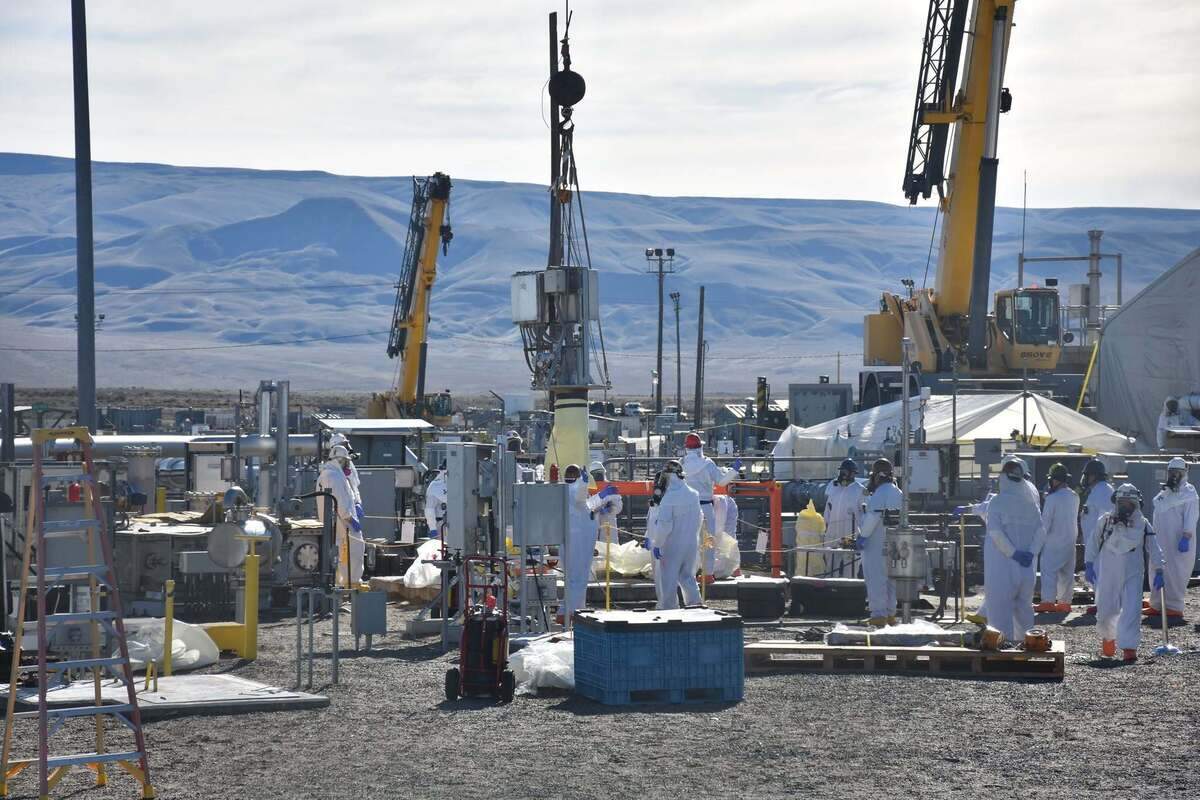
More recently DOE received state approval to grout secondary waste from the vitrification plant — waste that is a byproduct of treatment — rather than sending it back through the plant for glassification.
Now DOE is asking the state also to allow it to grout some of the waste from the 200 East Area near the vitrification plant, as vitrification continues in tandem.
Grouting plus vitrification proposed
The director of the Washington state Department of Ecology, Casey Sixkiller, is not on board.
“... (T)his proposal would divert taxpayer and staff resources away from other priority work and not result in any additional tank waste being treated,” he said in a letter to Walsh May 22, prompting the recent follow-up letter from Walsh.
The tank waste is left from Hanford’s past production in Eastern Washington of nearly two-thirds of the plutonium for the nation’s nuclear weapons program from World War II through the Cold War.
Construction began in 2002 on the Hanford vitrification plant, and 23 years later it began turning some of the least radioactive waste into a solid glass form for disposal.
But in recent years DOE has been looking at ways to also turn some of the tank waste into a grout form and send it to Utah or Texas for disposal. Because of Hanford’s geology, climate and groundwater that moves toward the Columbia River, vitrified low-activity radioactive waste is the only tank waste that may be disposed of at Hanford.
The focus on grouting Hanford waste was foreshadowed by Project 2025, a conservative blueprint for the nation published as Trump ran for his second term. It said the legally binding Tri-Party Agreement between DOE and its regulators — the Department of Ecology and the U.S. Environmental Protection Agency — has hampered attempts to innovate and accelerate cleanup.
Without grouting some of the waste that had been expected to be vitrified, “DOE’s ability to pretreat tank waste, meet legal tank retrieval milestones and maintain stable, continuous workforce operations on-site will be impacted,” according to Walsh.
Walsh told Sixkiller in the latest letter that leak-prone, single-shell tanks in the 200 East Area cannot be emptied without more double-shell tank space. Hanford has 149 single-shell tanks and just 27 viable double-shell tanks that store waste emptied from single-shell tanks until it can be treated.
“Without an alternative treatment strategy using grout, single-shell tank retrieval is going to be severely impacted or ceased altogether,” Walsh said.
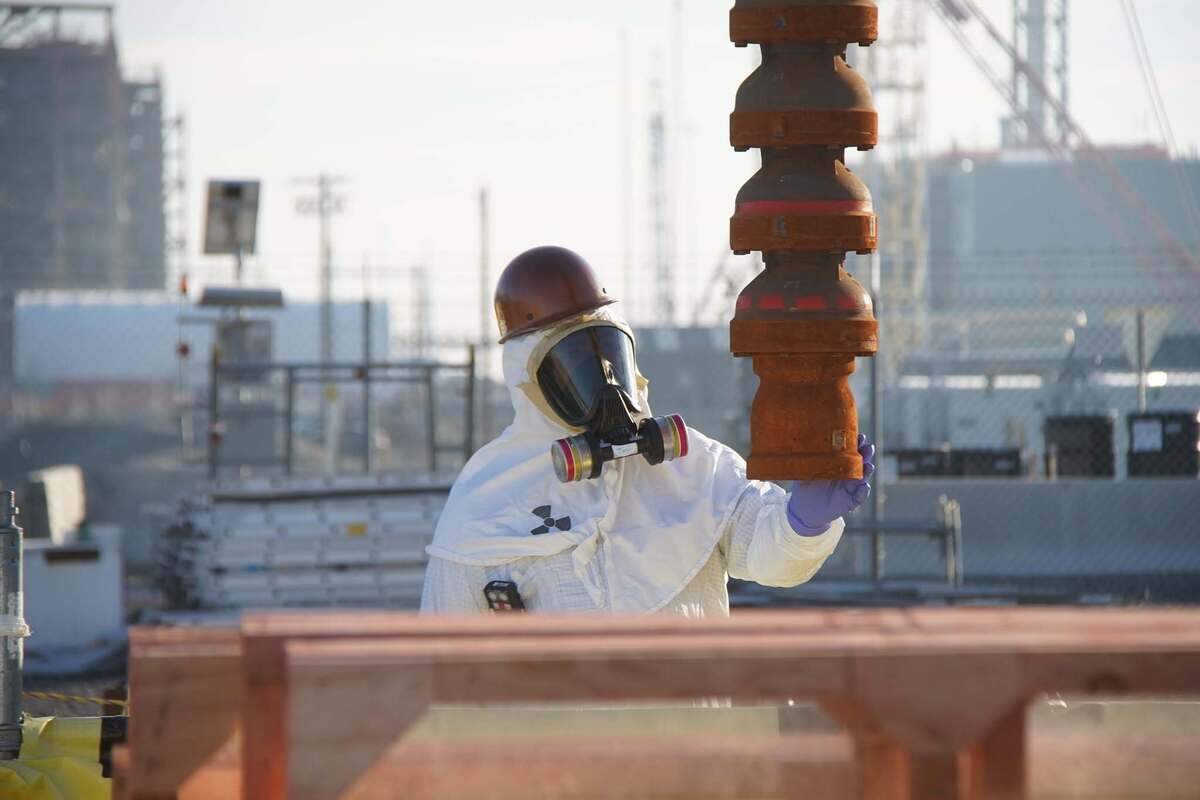
Now all double-shell tanks in the 200 East Area are near capacity, including the double-shell tank that feeds pretreated waste to the vitrification plant. Because of lack of space in that tank, pretreatment of the waste has been paused and may not resume for several more months, according to Walsh.
Pretreatment is required to separate low-activity radioactive waste from high-level radioactive waste, which is treated and disposed of separately.
Backlog of pretreated waste
The vitrification plant’s treatment of low-activity waste is still going through start-up issues and cannot keep up with vitrification of pretreated waste, despite glassifying 115,000 gallons of pretreated waste so far, Walsh said.
The backlog of waste that’s been pretreated for vitrification comes as DOE plans to bring on a new pretreatment capability in 15 months that will increase the rate of pretreatment from 100,000 gallons a month to a total of 300,000 gallons per month.
“Everything is in place to safely treat and dispose of millions of gallons of hazardous tank waste per year except for a permit to allow for grouting,” Walsh said. “We need your cooperation to make this shared goal and legally binding requirement a reality.”
If DOE were approved to grout some of the waste pretreated for vitrification, environmental cleanup of tank waste could be done faster, potentially cutting in half the time to dispose of about 26 million gallons of radioactive waste, he said.
Hanford has about 56 million gallons of waste stored in underground tanks, which includes high-level radioactive waste that is required to be vitrified starting in 2033, plus additional low-activity radioactive waste in the 200 West Area already planned to be grouted.
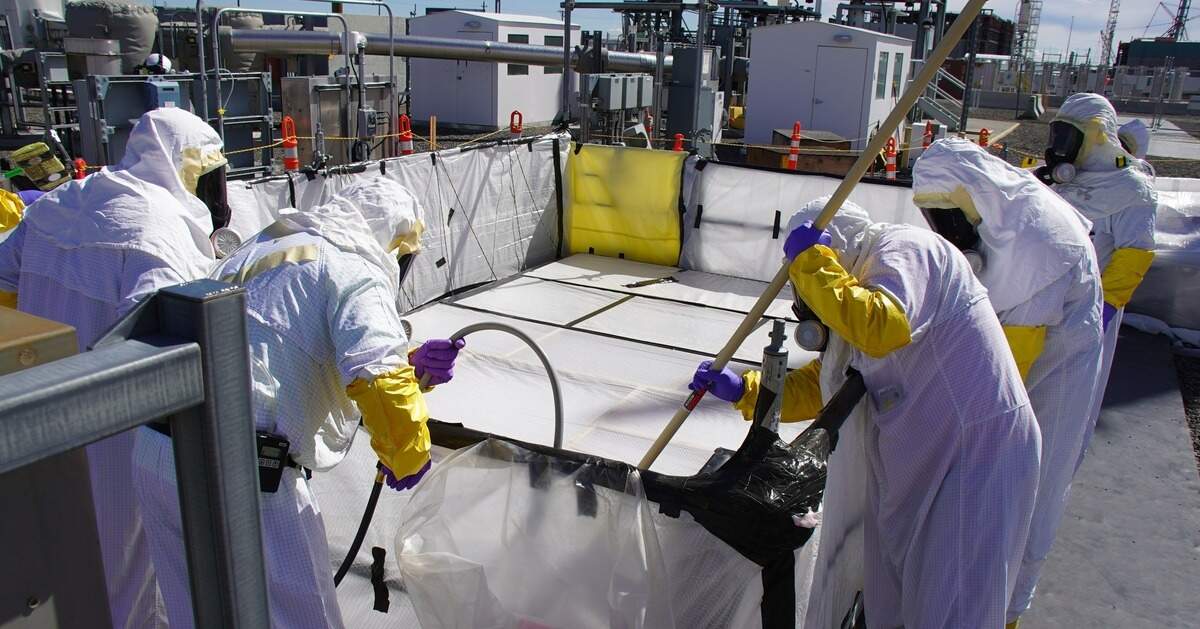
Focus on priority work
Sixkiller told Walsh in May that the state does not agree that grouting waste that was planned to be treated at the vitrification would speed up treatment.
By the end of this year the vitrification is projected to treat 500,000 gallons of tank waste, he said.
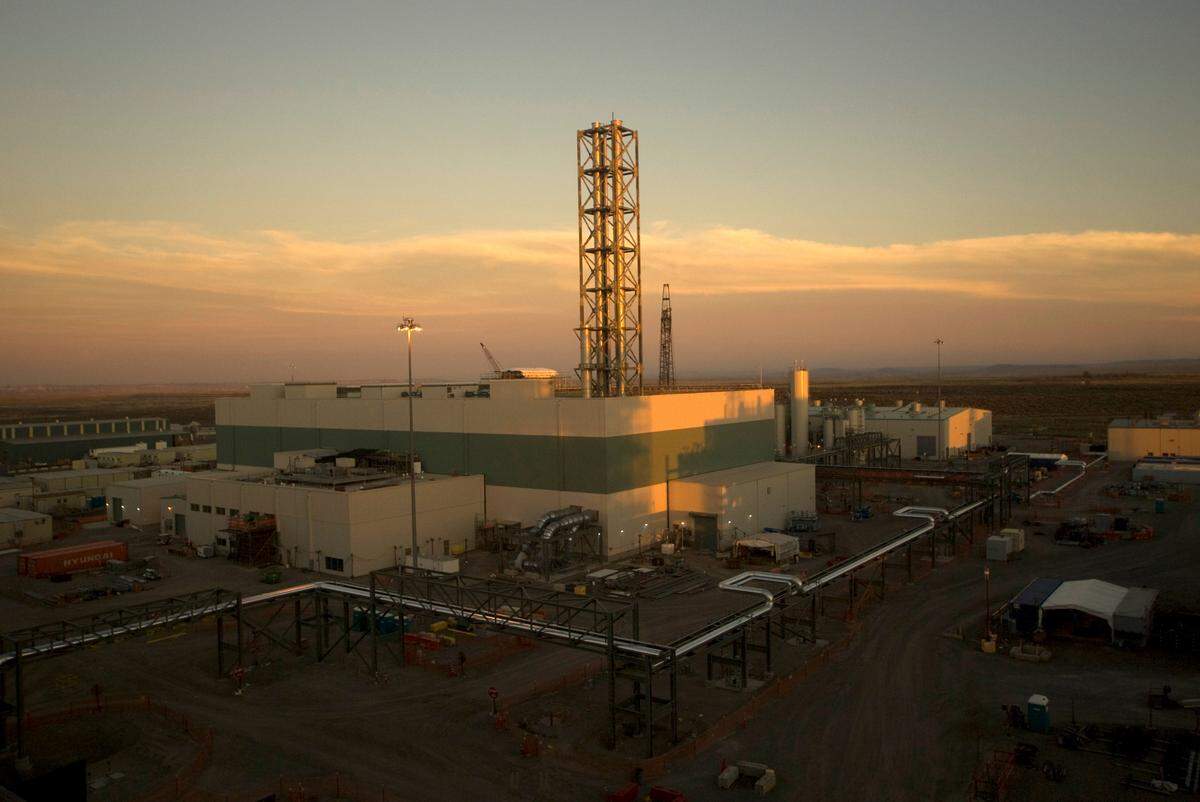
Walsh said in his response that Congress has allocated enough money for the current fiscal year for vitrification plant operations. If Ecology needs more money to expedite the permit review, DOE will provide it, he said.
Sixkiller said in the May letter that while Ecology wants to remain focused on current initiatives underway at Hanford, it is willing to continue to discuss more grouting.
Walsh asked Sixkiller to meet with him as soon as possible to discuss the urgency of a permit for grouting 200 East tank waste and to reach another agreement.