
$5M paid to settle claims Hanford workers napped, watched TV on the job
AI-generated summary reviewed by our newsroom.
- Hanford nuclear site contractor admitted billing DOE for hours its workers were idle.
- Settlement will cost contractor almost $5M, with whistleblower receiving some of it.
- Payment settles two lawsuits filed by a Hanford worker.
A Department of Energy contractor at the Hanford nuclear site has agreed to pay $3.45 million to settle two lawsuits brought by an employee claiming that workers were often idle and that their downtime was fraudulently billed to taxpayers.
The contractor, Hanford Mission Integration Solutions, also must pay nearly $1.5 million for the expenses, costs and attorney fees of the worker, Bradley Keever, who brought two lawsuits against HMIS.
That brings HMIS’ costs to settle the suits to almost $5 million.
The contractor admitted it was reimbursed for labor costs it billed to the Department of Energy for hours when workers were idle from August 2020 to September 2025 because work was not assigned to them, according to the Eastern Washingon U.S. Attorney’s Office.
The company is owned by Leidos, Centerra and Parsons.
Keever’s lawsuits were filed under the federal False Claims Act, which requires the federal government to investigate allegations and then choose to join whistleblower lawsuits. The Department of Justice litigated the lawsuits filed in 2021 and 2024.
Under the False Claims Act, Keever will receive $793,500 of the settlement as a whistleblower.
The settlement of $3.45 million also includes almost $1.73 million in restitution to the federal government.
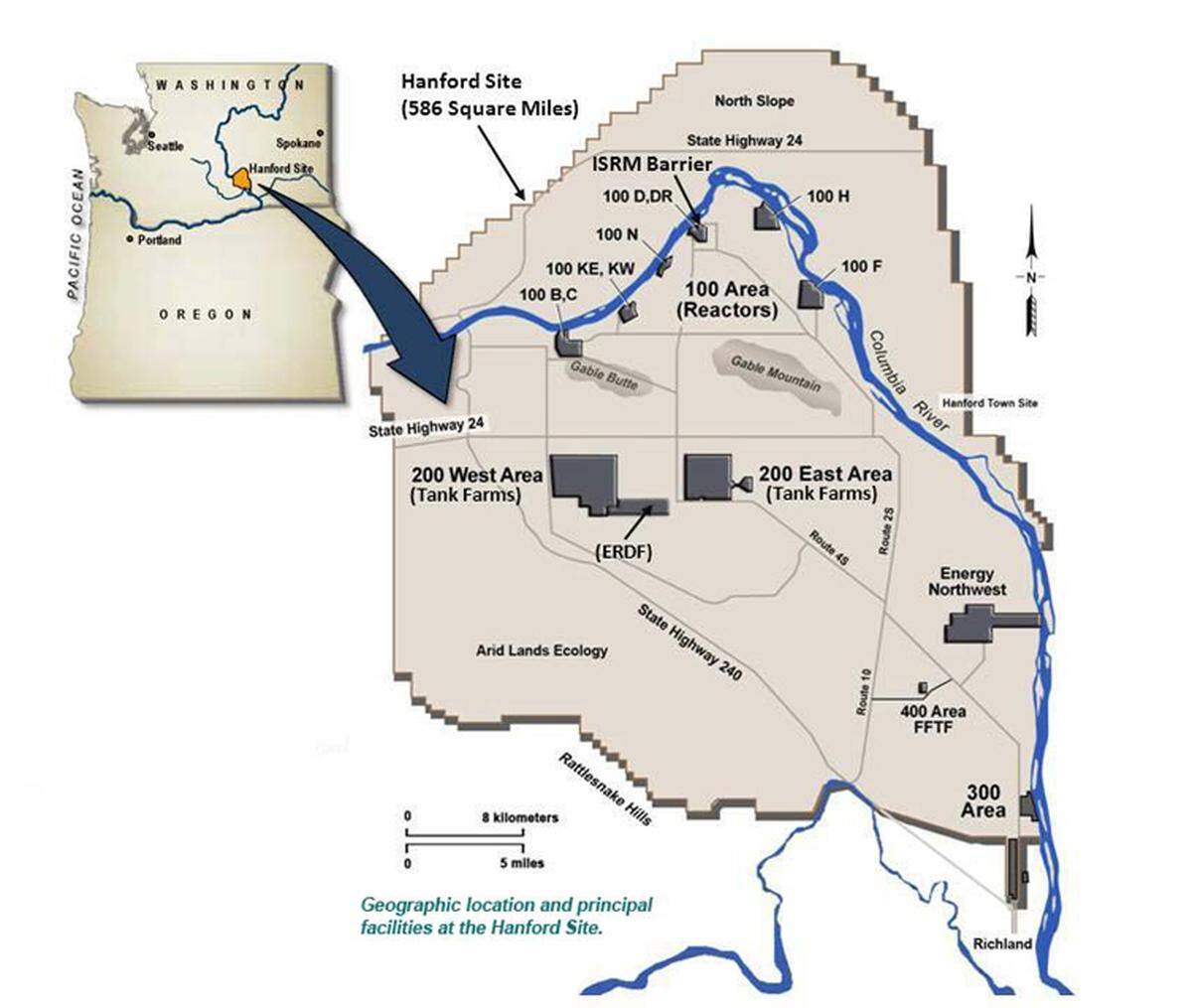
HMIS is the support services contractor at the Hanford nuclear site in Eastern Washington near Richland.
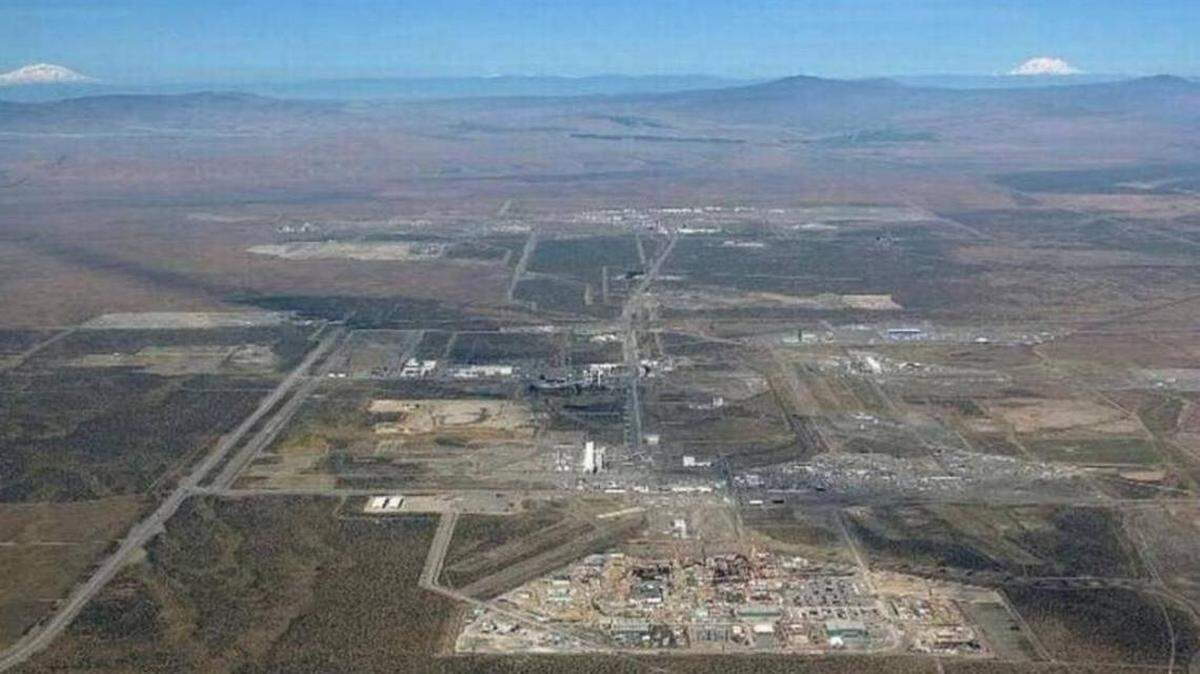
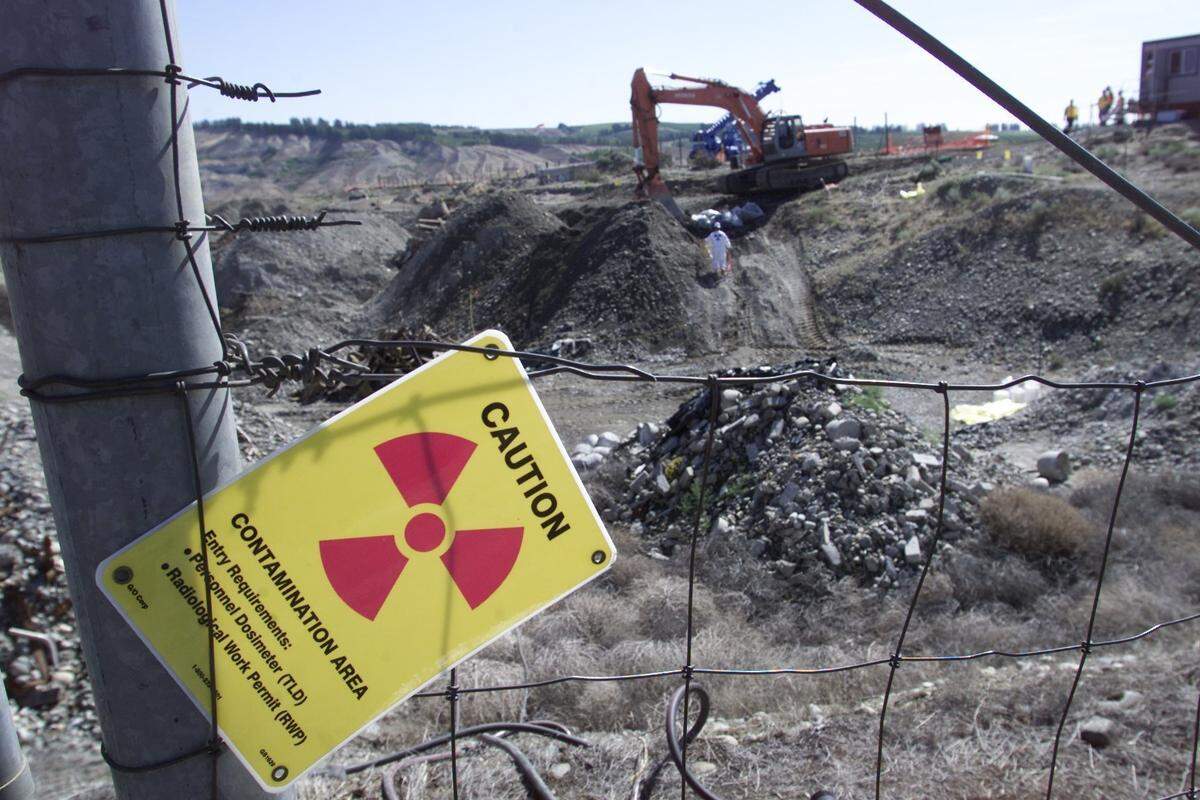
About $3 billion of federal money is being spent annually on environmental cleanup at the 580-square-mile site. It was used from World War II through the Cold War to produce nearly two-thirds of the plutonium for the nation’s nuclear weapons program.
HMIS, which holds a contract good for up to 10 years and valued at up to $6 billion, had no comment on the settlement of the lawsuits.
Claim: Idle workers napped, watched TV
In the two civil lawsuits, Keever alleged that HMIS fraudulently billed DOE for hours and sometimes entire days when employees were given no work.
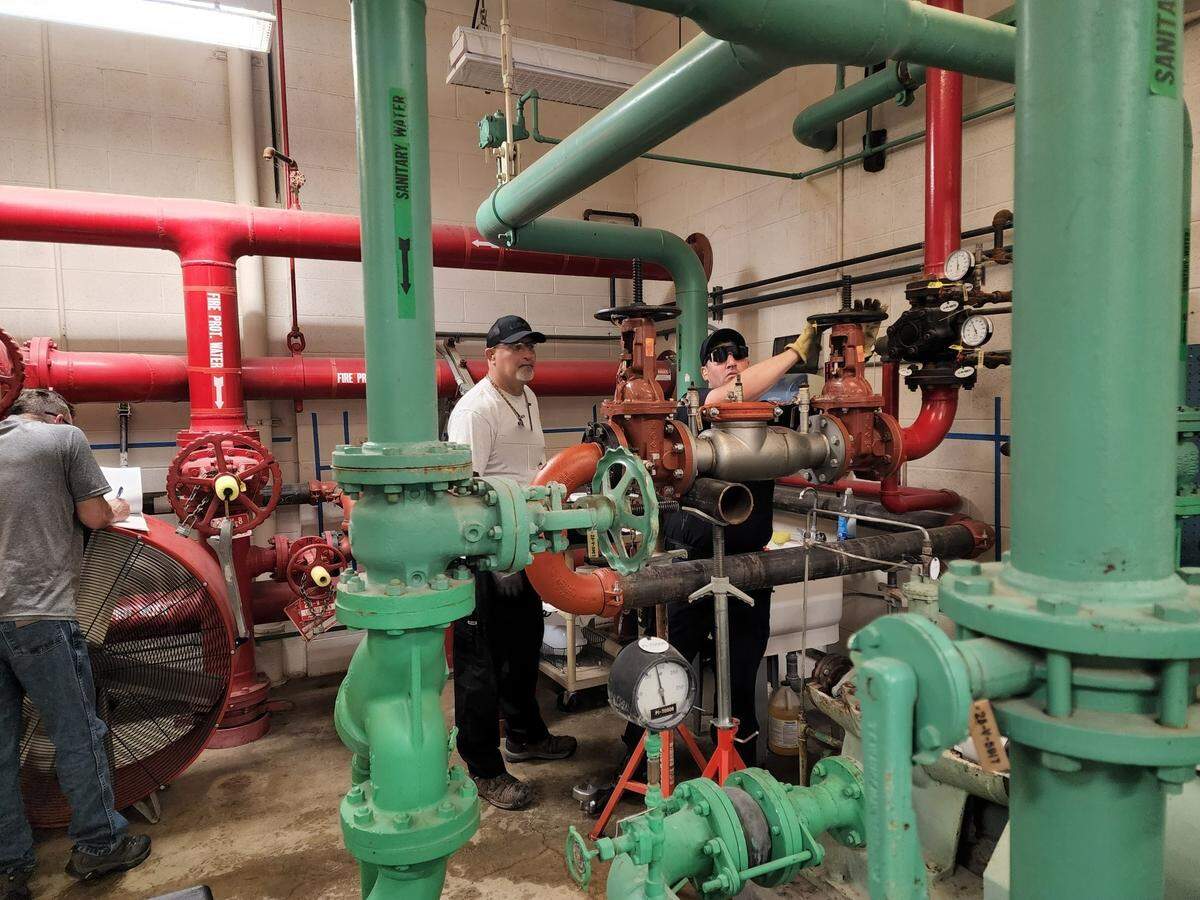
Instead, they spent some days at Hanford taking naps, reading and watching movies and TV shows, according to the first lawsuit, which focused on inspection, testing and maintenance of fire systems at the site.
Keever worked as a sprinkler fitter in the HMIS fire protection group when the suits were filed.
If a worker did two hours of preventive maintenance in a 10-hour day — most Hanford employees work 40 hours Monday through Thursday — they still were told by managers and supervisors to charge for a full day of work, according to the U.S. Attorney’s Office for Eastern Washington in the first lawsuit.
Other times they were told to mark down the idle hours as “training.”
DOE reimbursed HMIS for the hours it claimed its employees worked.
The extensive idle time was caused not by a lack of important fire protection work and preventative maintenance at the Hanford site, but rather by the contractor’s failure to adequately plan, schedule and carry out the work, according to the lawsuit.
HMIS knew that it could simply pass the costs of its failure onto DOE and the public, the lawsuit alleges.
“HMIS not only fraudulently charged DOE for tens of thousands of hours of unworked time, but just as critically did not perform vital fire protection work that could have and should have further protected Hanford site workers, the public and the environment from fire hazards,” according to the lawsuit.
The site has 427 facilities with operating fire protection systems that require inspections, testing and maintenance and more than 8,000 fire extinguishers.
Claim: Workers idle for 4 months
The second lawsuit focused on worker idle time in the refrigerated equipment services group and the contractor’s shop teams.
Before doing fire equipment maintenance work, Keever worked in that group and was frequently in contact with workers at the Hanford 2266E Shop.
HMIS systematically inflated the costs of the employees in refrigeration services and shops teams since at least August 2020 until spring 2024, the lawsuit claimed.
The suit said the workers in the shop reported being without work for as long as four months after returning to the Hanford site after COVID pandemic restrictions were eased.
Both the refrigeration and shop workers often worked less than three to four hours a day because that’s all the work they were assigned, the lawsuit claimed. But they were instructed to bill their full day to charge codes for with maintenance work or training, even if much of that time they were idle, the lawsuit said.
A standby charge code was available for some workers to use, but management often discouraged them from using it for fear that the number of idle workers would be documented, the lawsuit claimed.
In some cases the refrigeration services or shops workers drove around the site in their work trucks, despite little or no work to do, to avoid detection by Department of Energy officials who oversee contractor work, the lawsuit said.
Employees often asked for more work, knowing that there are many systems across Hanford that need to be inspected and maintained, according to the lawsuit.
However, instead they were often assigned tasks such as cleaning the shop, cleaning their work vehicle, reading procedures or quick checks on eye-wash stations and then were instructed to bill for the entire day, according to the lawsuit.
In addition, employees often worked overtime at premium pay after having little work assigned during the prior 40-hour work week, the lawsuit said.
The increased pay “fraudulently balloons HMIS’ administrative and management costs, since overtime work requires additional superintendents, managers, operations and other support personnel,” the lawsuit said.
Despite the excessive idle time, HMIS continued to hire more workers, the lawsuit claimed
When Keever worked in refrigeration services before his fire services job, his group and two senior managers and 20 union workers. That increased to six supervisors, two senior managers and 33 union workers by 2024, according to the lawsuit.
However, since HMIS began work under the sitewide support contract in 2020, the refrigeration services staff have had more downtime, the lawsuit said.
HMIS lost incentive pay
The contractor is reimbursed for labor expenses and can earn profit through incentive pay.
DOE awarded HMIS only $2.9 million of a possible $8.4 million in incentive pay for fiscal 2023, in part because of “ineffective work planning and unproductive work execution that went uncorrected by contractor management.”
The whistleblower award that Keever could receive was capped at 25% of the money recovered by the federal government in the settlement, and he received close to the maximum at 23%, said attorneys associated with Keever. They work for Hanford Challenge, Smith & Lowney in Seattle and Mehri & Skalet in Washington, D.C.
The fraud aspect of the case is now final, but the underlying safety concerns remain, said Nikolas Peterson, executive director of Hanford Challenge, a Hanford watchdog group based in Seattle.
“We remain concerned about the quality and consistency of fire suppression system maintenance. If fire suppression systems at Hanford are unreliable, it’s not just a technical failure, it’s a systemic one.”
Highly-trained and specialized Hanford workers were ready to do their jobs, but management at Hanford derailed that and cost the taxpayers millions of dollars, he said.
He and the other attorneys for Keever praised his courage.
“Thanks to whistleblowers like Mr. Keever, taxpayer dollars are protected, contractors are held accountable, and we are all reminded that coming forward can make a difference,” said Meredith Crafton of Smith & Lowney.
In a third case, the former Hanford contractor that managed 56 million gallons of radioactive waste held in underground tanks, agreed in June 2025 to pay $6.5 million to settle allegations it overcharged taxpayers by paying employees with federal dollars then they had no work to do.
That 2022 case against Washington River Protection Solutions was filed by a tank farm whistleblower and then joined by the Department of Justice.
The employee said that workers were often assigned tasks in the morning and then spent afternoons watching television, playing video games or socializing.
HMIS paid double
In the HMIS case Pete Serrano, first assistant U.S. attorney at the Eastern Washington office, said that “HMIS ultimately did the right thing by admitting its conduct and paying back twice what it took from the taxpayers.”
“I hope every individual and business that contracts wit the federal government sees this settlement and knows there’s a real risk of prosecution when the United States is defrauded,” he said.
The DOE Office of Inspector General investigated the HMIS case along with the Eastern Washington U.S. Attorney’s Office.
“The American taxpayers should never be responsible for the costs associated with work that was not performed,” said Lewe Sessions, assistant inspector general for investigations.
The Department of Justice investigation and prosecution was handled by Assistant U.S. Attorneys Frieda Zimmerman, Jacob Brooks, Molly Smith and Tyler Tornabene.
This story was originally published March 3, 2026 at 3:53 PM.