
Feds award incentive pay of $89M to 5 contractors at WA radioactive waste site
AI-generated summary reviewed by our newsroom.
- DOE awarded $89M in fiscal 2025 incentive fees to five Hanford site contractors.
- Contractors earned 90% to 96% of total fees; some parts hit 100%.
- H2C, HMIS, CPCCo, Navarro-ATL and outgoing tanks contractor received pay awards.
The Department of Energy Tuesday announced incentive payments of $89 million to five contractors working at the Hanford nuclear site in fiscal 2025.
All earned at least 90% of the maximum possible incentive pay, called “fee” at Hanford, for the fiscal year that ended Sept. 30.
Much of the work at Hanford is done under DOE contracts that provide reimbursement for costs of doing work, plus an additional incentive fee to allow contractors to make a profit.
All the Hanford contractors with fees announced Tuesday earned at least 90% of the incentive pay possible, including 100% of the pay possible for completing specific work and projects.
In addition to incentive fee paid for the work completed, DOE considers how well contractors did the work. Those subjective evaluations earned them a range of 75% to 93% of the incentive pay possible for a perfect score in that category.
The top overall score went to Central Plateau Cleanup Co., with a rating of “excellent.”
DOE does not make public the full evaluations of Hanford contractors, but releases scorecards of two or three pages.
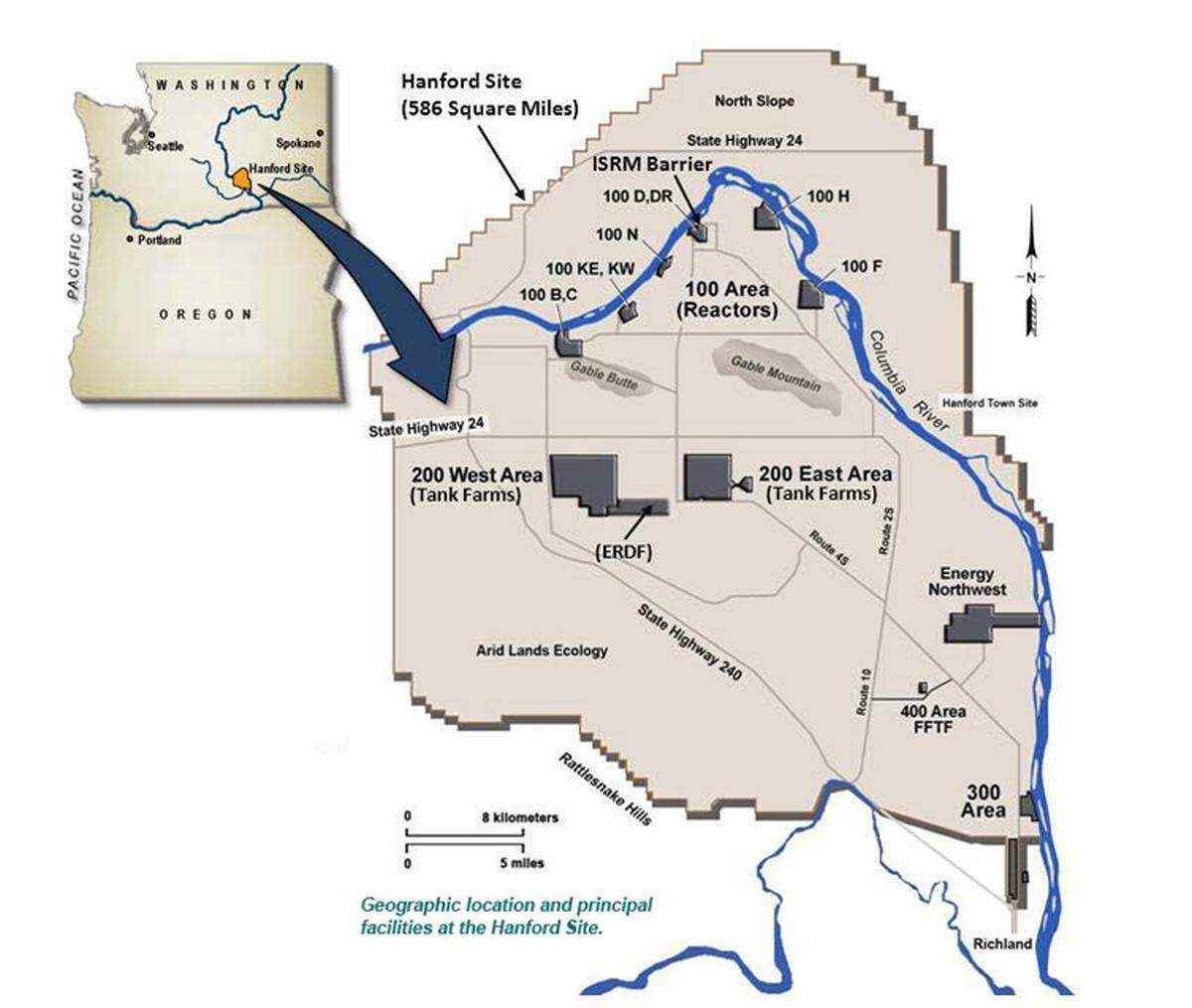
Taxpayers are spending about $3 billion a year on environmental cleanup of the Hanford site in Eastern Washington adjacent to Richland, with most of the work done by DOE contractors rather than federal employees.
The 580-square-mile Hanford site was used from World War II through the Cold War to produce nearly two-thirds of the plutonium for the nation’s nuclear weapons program. The work left it as the most radioactively contaminated site in the Western Hemisphere.
Hanford Tank Waste Operations & Closure
Hanford Tank Waste Operations & Closure, commonly known as H2C, earned $26.3 million, or 94% of the pay available for its work as Hanford’s new tank farm contractor.
Its pay included 80% of the fee available under DOE’s subjective evaluation, or about $7 million, for an overall rating of “very good.”
H2C completed some work ahead of schedule and found ways to cut costs, DOE said.
It was paid from late February through September as it took over work from long-time contractor Washington River Protection Solutions, as its contract expired after multiple extensions.
%20Safety%20approved.JPG "A-106 Jumper May 12 (18) Safety approved.JPG")
H2C is responsible for managing 56 million gallons of radioactive and hazardous chemical waste stored in underground tanks, most of them prone to leaking.
It is emptying waste from tanks, some eight decades old, into newer and more protective tanks. The contractor also is pretreating tank waste to separate out the least radioactive waste to feed to the massive Hanford vitrification plant, which is beginning to treat low activity radioactive waste for permanent disposal.
Under areas needing improvement on the contractor scorecard, DOE said H2C needs to work on its planning and support of work on tank waste in the 200 West Area, which is farthest from the vitrification plant. DOE is making plans to turn some of that waste into a concrete-like grout form rather than glassifying it at the vitrification plant.
DOE also called out safety issues, but gave no more detail than saying improvements were needed in “technical safety requirement and hazardous energy control compliance.”
Among the contractor’s achievements were operating the 242-A Evaporator to reduce the volume of liquid tank waste by 1.1 million gallons and processing 7.2 million gallons of wastewater at the Effluent Treatment Facility.
It also finished retrieving waste from one of the site’s 149 leak-prone single shell tanks, moving the waste to a newer double-shell tank. It was the 22nd single-shell tank to be emptied to regulatory standards.
H2C also successfully completed a test project to ship 2,000 gallons of low activity tank waste out of state for grouting and disposal.
“Every single person should be proud of these accomplishments and the work that went into meeting them,” said Carol Johnson, H2C president, in a memo to employees.
H2C is owned by BWX Technologies, Amentum and Fluor companies. It employs 2,500 workers, plus about 200 more workers under subcontracts.
Washington River Protection Solutions
The outgoing Hanford tank farm contractor, which was on site from October 2024 through late February 2025, earned $17.2 million in incentive fee, or 90% of the total pay available.
That included 75% of the pay available based on DOE’s subjective evaluation, or almost $6 million.
DOE would have liked to see better project management and integration; better work with subcontractors and better performance in drills.
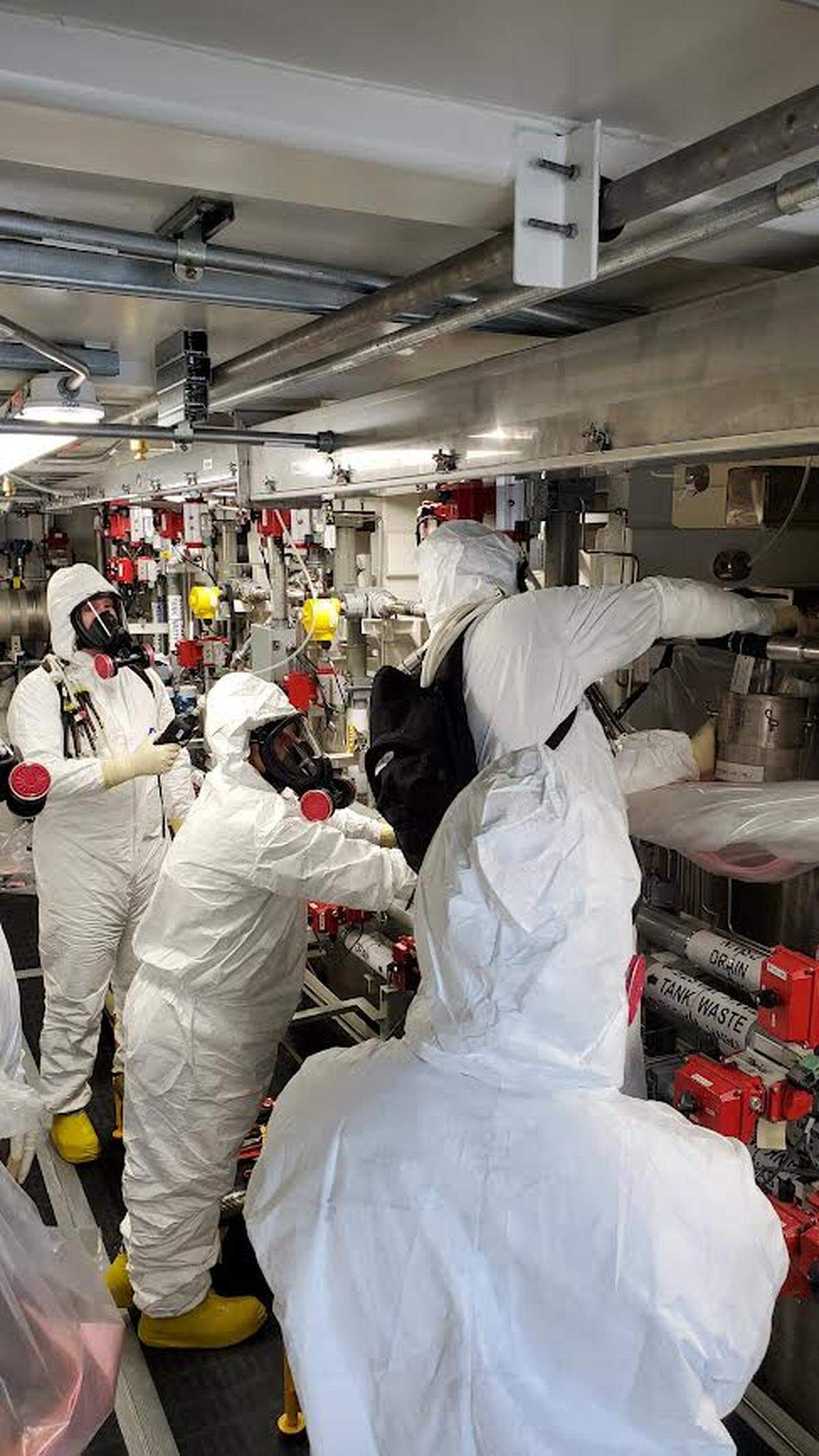
Among the outgoing contractor’s accomplishments were its work on the test project to have 2,000 gallons of tank waste grouted and retrieving the first 50% of the waste from the 21st single-shell tank to be emptied to regulatory standards.
It also prepared 832,000 gallons of waste, separating low-activity radioactive waste from high level tank waste, for the startup of glassification of the less radioactive tank waste at the Hanford vitrification plant.
Washington River Protection Solutions is owned by Amentum and Atkins.
Hanford Mission Integration Solutions
Hanford Mission Integration Solutions (HMIS) earned almost $21.9 million in incentive pay, or 96% of possible pay, for an overall rating of “very good.”
It was the highest score the contractor has earned since starting work at Hanford in 2020, said HMIS President Amy Basche in a message to employees.
The pay for fiscal 2025 included 87% of pay possible based on DOE’s subjective evaluation of its work, or nearly $6.9 million.
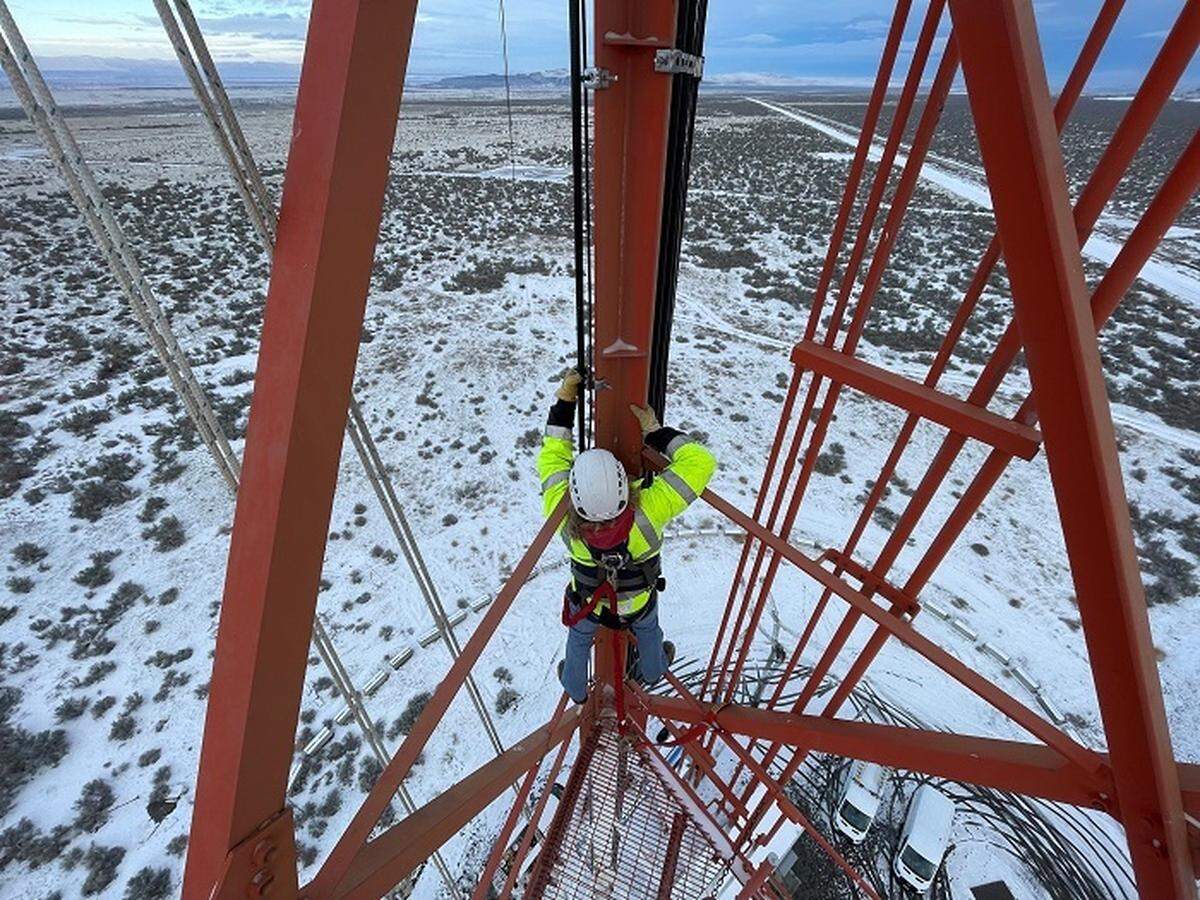
HMIS provides support services across the site for other contractors and DOE, including security, fire and emergency services, land management, information technology, utilities, roadwork and management of the HAMMER training center. It also assists DOE in soliciting and administering federal small business contracts awarded by DOE at Hanford.
DOE praised HMIS for providing efficient and reliable services and improving integration of work at the site. Among accomplishments was construction of a new potable water tank in central Hanford and the new Central Plateau Water Treatment Plant.
Under the needed improvements listed on the scorecard, DOE said it should look for more innovative solutions for infrastructure and work on subcontractor oversight.
HMIS, which employs about 2,000 workers, is owned by Leidos, Centerra and Parsons.
Central Plateau Cleanup Co.
Central Plateau Cleanup Co., or CPCCo, earned nearly $18.6 million, which was 96% of available pay, for a rating of excellent.
That included 93% of the pay available under DOE’s subjective evaluation, or nearly $8.9 million.
“Not only did we accomplish every objective outlined for FY25, but we also brought forward several FY26 milestones, all while maintaining a perfect safety record with zero days away, restricted or transferred injuries,” said CPCCo President Bob Wilkinson in a message to employees.
CPCCo is responsible for most Hanford site environmental cleanup except for most work related to tank waste.
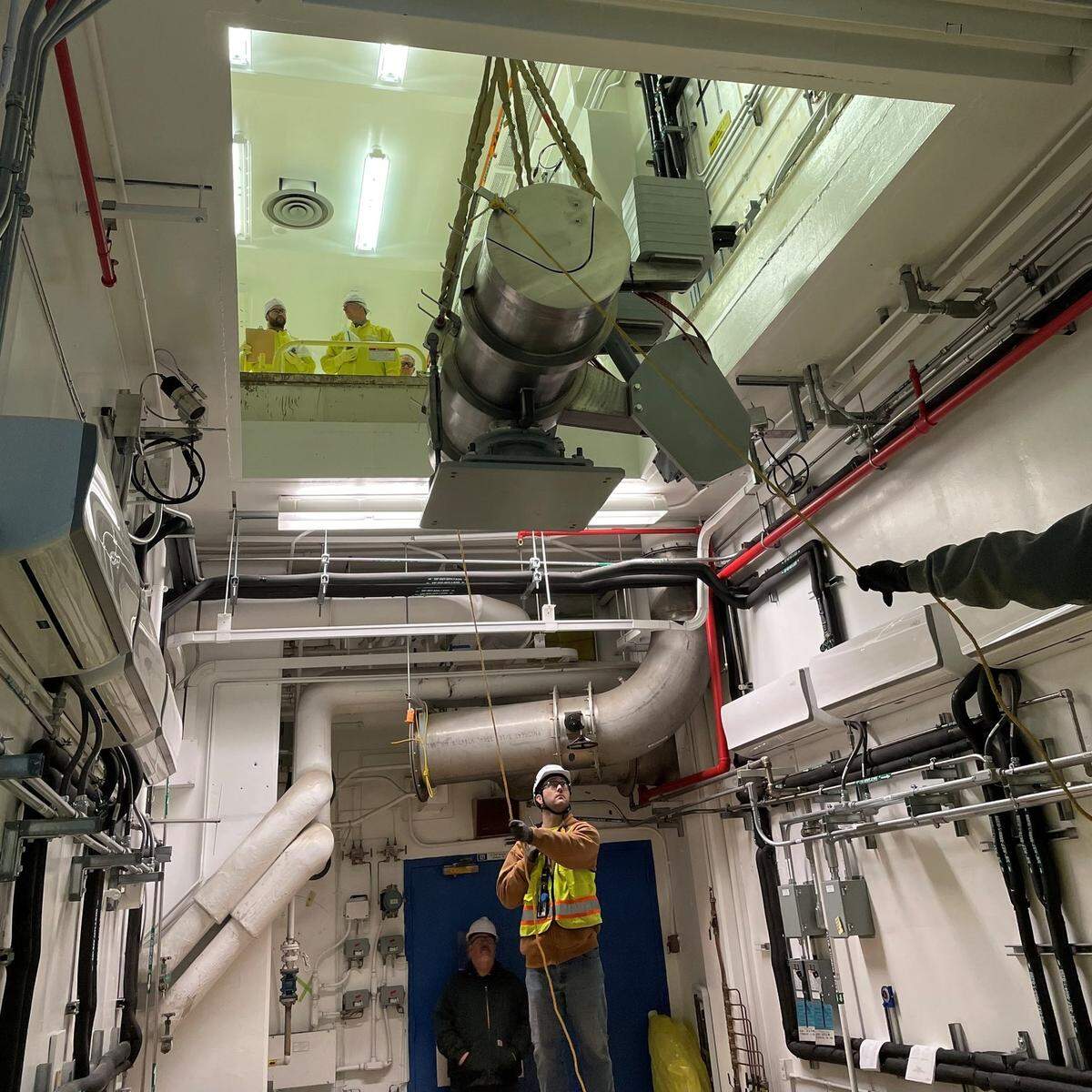
Its responsibilities include cleanup of contaminated groundwater, soil and buried waste; remediation and tear down of contaminated and obsolete buildings; management of radioactive cesium and strontium now stored underwater; and operation of the main landfill for waste disposal at Hanford.
DOE said CPCCo needed to improve radiological controls at the Central Waste Complex, where some low level radioactive and other waste is stored before disposal, and to improve its mentor-protege program.
The list of achievements on the DOE scorecard was substantial.
They included enhancement of its quality assurance program.
CPCCo prepared a lined landfill to start burying containers of waste glassified at the vitrification plant, and also prepared a dry storage area as work begins to transfer radioactive cesium and strontium capsules from underwater storage in a pool at risk in a severe earthquake.
The contractor installed more equipment at the central Hanford plant to clean contaminated groundwater, increasing its cleanup capacity.
It also advanced work toward cleaning up a highly radioactive spill underneath the 324 Building, which is close to the Columbia River and the city of Richland.
CPCCo is owned by Amentum, Fluor and Atkins and employs about 1,300 workers.
Navarro-ATL
Navarro-ATL, formerly known as Hanford Laboratory Management and Integration, earned $5 million, or 95% of incentive pay available, and a rating of “very good.”
The subjective portion of its fee was $2.2 million, which was 90% of available fee in that category.
The contractor operates and manages the 222-S Laboratory in central Hanford and analyzes samples of radioactive waste, including high level radioactive waste from Hanford’s underground waste storage tanks.
DOE said the contractor needs to implement quality assurance requirements for analytical services, but was mostly pleased with the performance of Navarro-ATL.
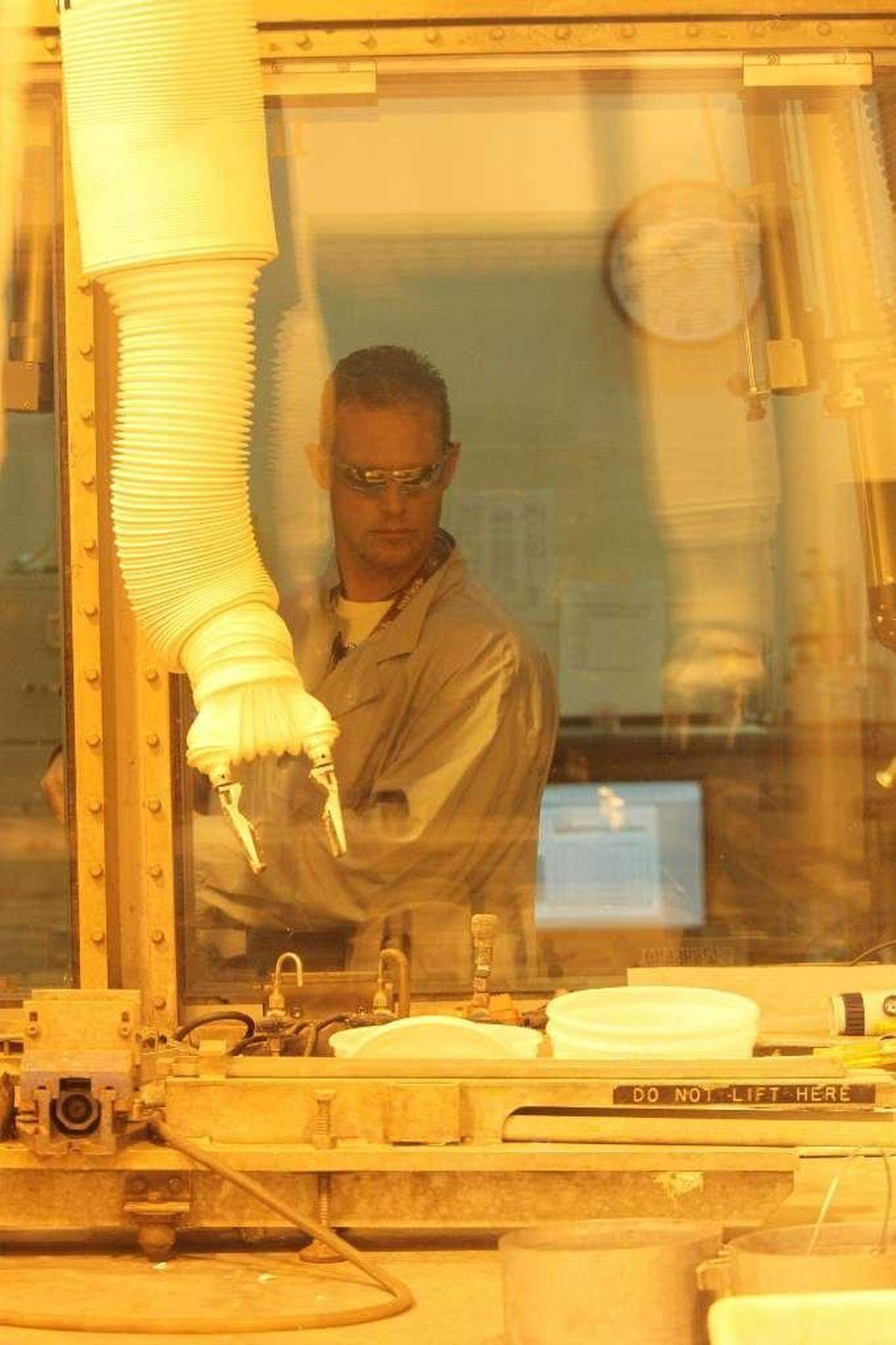
It completed accreditation of a newly developed analytical method that results in less hazard to lab workers, more accuracy, and schedule and cost savings, DOE said.
It also completed renovations to improve maintenance and infrastructure.
It performed radioactive sample analysis quickly, and it reduced the hazardous waste stored at the lab to provide space for future waste samples, DOE said.
Navarro-ATL is a partnership of two small businesses, Navarro Research and Engineering and Advanced Technologies and Laboratories International. It employs close to 400 workers.
Other Hanford contractors
The fee awards announced Tuesday did not include two DOE Hanford contractors.
Bechtel National, which is building and commissioning the vitrification plant to glassify radioactive waste stored in underground tanks, is awarded incentive pay on a calendar year rather than a fiscal year.
Inomedic Health Applications provides occupational medical services to more than 13,000 workers. It is paid a fixed price for its work rather than getting reimbursed for costs and the opportunity to earn incentive pay.
This story was originally published December 24, 2025 at 2:55 AM.