
Update | Hanford workers ordered to ‘take cover’ near former plutonium processing plant
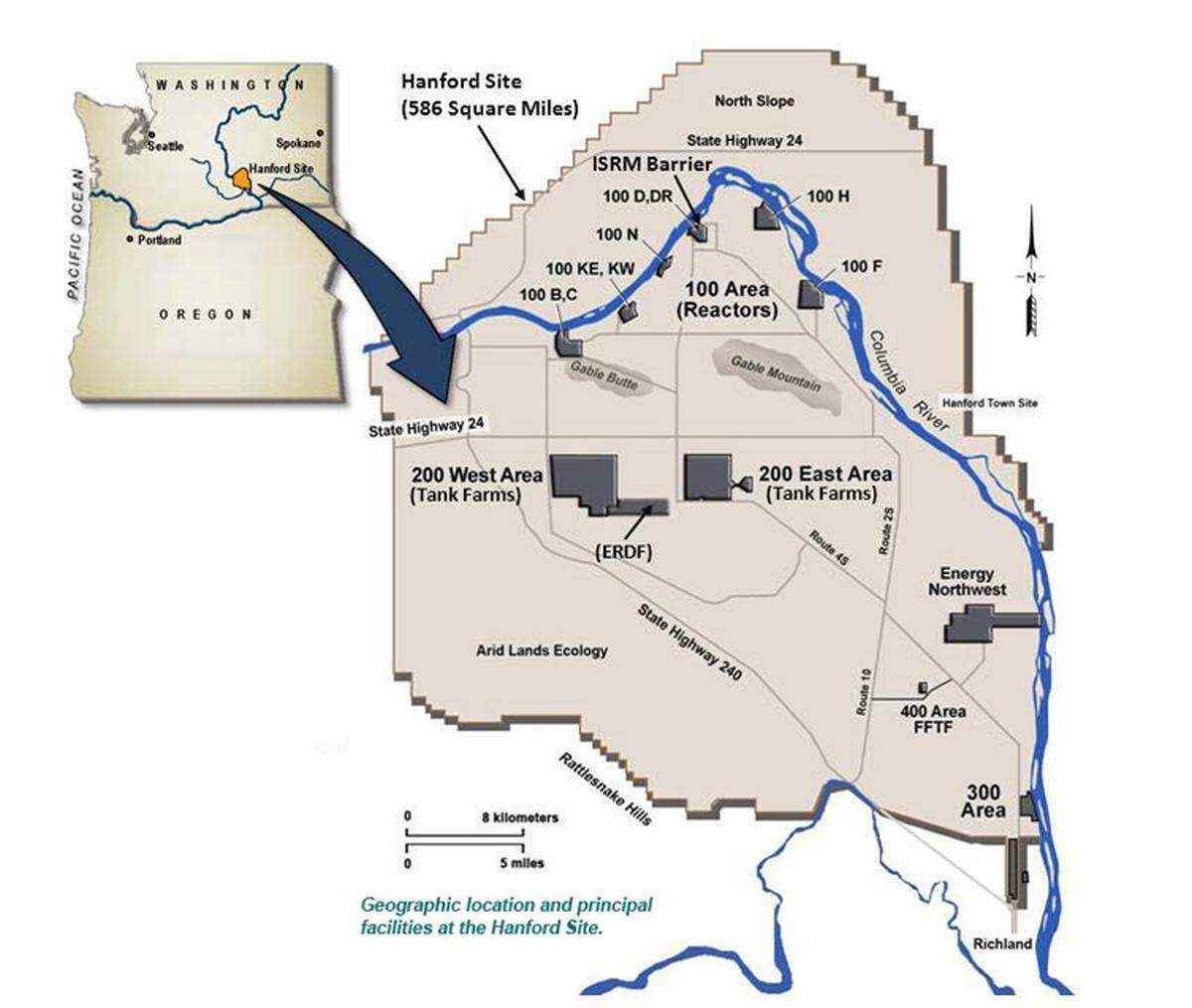
Workers in the 200 West Area at the center of the Hanford nuclear reservation were ordered to take cover from about 8:30 a.m. to noon Wednesday.
Access to the site was restricted and the Rattlesnake Barricade secure entrance to the site was closed as a precaution.
No action was necessary for the public, according to the Department of Energy.
The take cover order was issued after two work crews at the REDOX facility in the 200 West Area noticed an unusual odor, said Hanford officials.
During a take cover alert, workers are told to go inside the nearest facility and close windows and doors.
No radiation or chemical contamination above background levels was detected and about 11 a.m. some workers were being allowed to leave the buildings.
The take cover order for workers closest to the REDOX plant was lifted about noon.
No injuries were reported and Hanford workers who smelled the odors were encouraged to visit Hanford’s onsite medical provider if they have concerns.
Some Hanford workers have reported serious respiratory and neurological illnesses they suspect are linked to exposure to chemical vapors after smelling odors where waste from Hanford’s defunct reprocessing plants is stored in underground tanks.
Contaminated plant
The two crews who reported the odors were doing work outside the REDOX plant.
One was there with well drilling equipment, but no drilling was being done. The other crew was using equipment at ground level to scan for buried materials in preparation for excavation work, according to Hanford officials.
Some digging is planned to install a ventilation system for the REDOX plant for continued work to remove some radioactive and hazardous chemical contamination within the plant to prepare it for eventual demolition. The new ventilation system will improve airflow and filtration to enhance worker safety.
The huge REDOX, or Reduction-Oxidation, plant operated from 1952 through 1967 to chemically separate plutonium from irradiated uranium fuel rods. It is 470 feet long and 160 feet wide, and 60 feet tall, with additional underground processing area.
The plant processed about 24,000 tons of uranium fuel rods, eight times more fuel per day than earlier processing plants.
It remains highly contaminated with radioactive and other hazardous chemical waste.
Under the previous Hanford contractor in charge of the plant, demolition was not scheduled until about 2032, or possibly later because the nearby 222-S Laboratory in central Hanford will be needed to support cleanup efforts for another 30 to 40 years.
Central Plateau Cleanup Co., which has held the contract for cleanup in the center of the Hanford site since early this year, has not been given a time for demolition of the plant.
The 580-square-mile Hanford site in Eastern Washington was used from World War II through the Cold War to produce about two-thirds of the plutonium for the nation’s nuclear weapons program.
Now about $2.5 billion a year is being spent by the Department of Energy on environmental cleanup there, including removal of contaminated buildings, digging up buried waste and contaminated soil and decontaminating ground water.
This story was originally published September 1, 2021 at 10:51 AM.