
Nation’s largest plutonium factory is rubble. Why it matters at Hanford
The Plutonium Finishing Plant at the Hanford nuclear reservation has been reduced to rubble.
It was the largest, most complex plutonium facility in the nation.
“Removal of this iconic building forever changes the landscape at the Hanford site and highlights a historic accomplishment in DOE’s overall cleanup mission,” said Tom Teynor, Department of Energy project director for the plant’s demolition.
The highly radioactively contaminated plant in Eastern Washington state operated for 40 years, starting in 1949, to produce two-thirds of the plutonium for the nation’s nuclear weapons program during the Cold War.
Workers called it “Z Plant” because it was the last step in the process of producing plutonium at Hanford.
Workers on two processing lines turned plutonium that came into the plant in a liquid solution into buttons the size of hockey pucks for shipment to weapons plants.
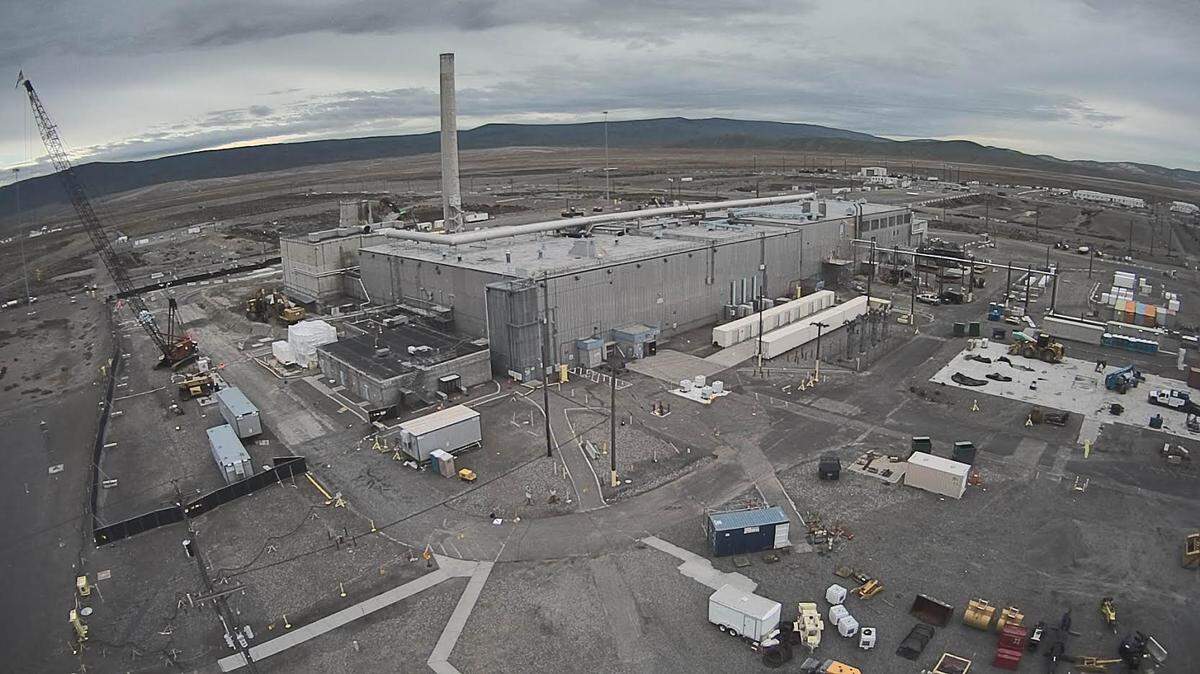
Preparing for the demolition of the plant in the center of the Hanford site took 20 years.
About 200 pieces of plutonium-processing equipment had to be decontaminated and removed, including glove boxes. Workers would reach their hands through portals with attached gloves and look through leaded glass windows to work with the plutonium.
In addition, 1.5 miles of ventilation piping, contaminated process lines, asbestos and other hazards had to be removed before demolition.
Demolition began in 2016
DOE said that some of the preparatory work, including cutting and removing two highly contaminated glove boxes, was among the most hazardous work done at a DOE weapons site.
Demolition of contaminated portions of the plant began in 2016 by DOE contractor CH2M Hill Plateau Remediation Co., owned by Jacobs Engineering Group.
Initially, the fan house and ventilation stack came down and then two annexes were demolished — the Americium Recovery Facility and the Plutonium Reclamation Facility. The last to come down to its foundation was the main processing facility.
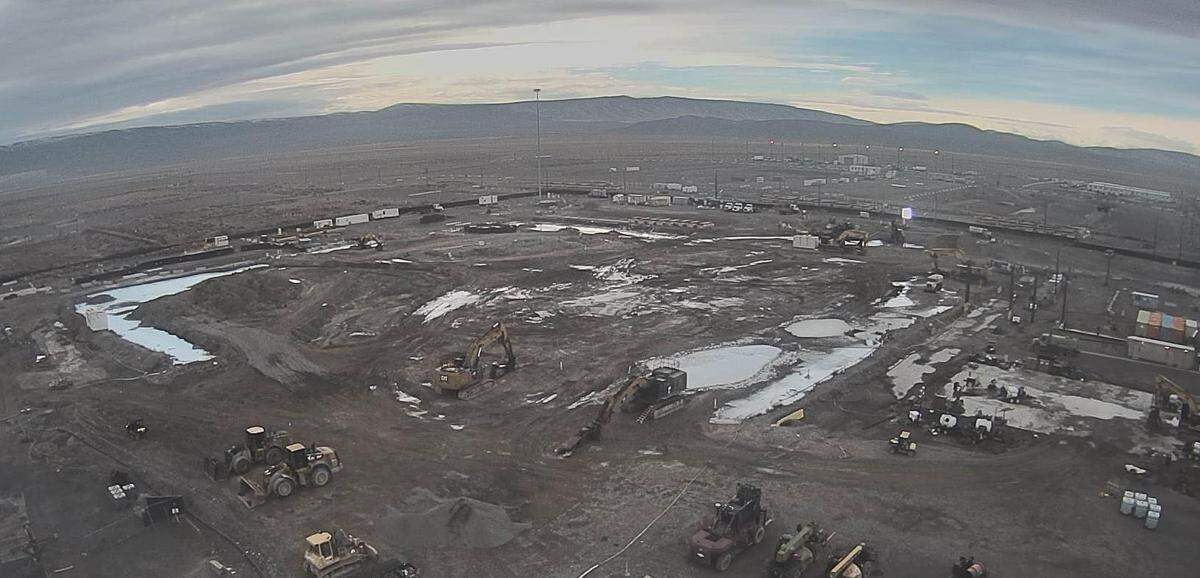
“This was one of the most challenging risk-reduction efforts in the DOE complex,” said Jason Casper, CH2M vice president for the project.
Workers still need to package the highly contaminated debris left from the earlier demolition of the Plutonium Reclamation Facility.
The work, which is considered high hazard, could start next week and be completed in about two months if the weather cooperates. Wind or snow can delay work.
The rubble was temporarily covered with soil and fixative after a spread of airborne radioactive contamination, suspected to have come from the rubble, in late 2017.
Radioactive contamination spread controlled
Some 42 workers were discovered to have inhaled or ingested small amounts of radioactive contamination then and in an earlier incident during demolition of the plant.
Very small amounts of radioactive plutonium or americium were found to have spread from the plant for miles, with contamination found near the Columbia River and not far from Highway 240.
Work was halted and not allowed to restart until Hanford regulators — the Washington state Department of Ecology and the Environmental Protection Agency — agreed that improvements were in place to control contamination and protect workers and the environment.
Most demolition did not resume until fall 2018.
“The controls we came up with after the 2017 spread of contamination were very, very successful,” Casper said. “We had no spread of contamination.”
To ensure that work was done more safely when demolition resumed, monitoring for the possible spread of radioactive particles was significantly increased.
Worker made liberal use of water misting during open-air demolition with heavy equipment to keep contamination from becoming airborne and to keep surfaces wet.
Fixative was applied to walls to cover and secure contamination. Most glove boxes had already been removed before demolition began and some contaminated piping that began was filled with epoxy.
An exhauster with filters was used to capture radioactive particles.
Contaminated building rubble was loaded out each day rather than allowing it to pile up as it did in 2017.
The debris was packaged and taken to a lined-landfill for low level radioactive waste in the center of the Hanford site for disposal.
Work remains at Hanford plant
Demolition of the plant was a major accomplishment, said Alex Smith, Ecology’s Nuclear Waste Program manager.
“It was one of the most contaminated facilities on Hanford and one of the most challenging to clean up,” she said.
However, several months of work remains.
“We will continue to monitor that work until the project is complete,” she said.
In addition to packaging and removing the demolition rubble at the Plutonium Reclamation Facility, more work remains to be done at the plant.
Demolition took structures down to the ground, but underground structures remain at the plant.
Immediate plans call for adding a soil cover above foundations and tunnels, and taking soil samples to check for contamination.
The underground structures will be addressed as money becomes available in the Hanford budget, with no schedule set for the work yet.
This story was originally published February 5, 2020 at 12:26 PM.