Rural Tri-Cities schools ask voters to keep supporting sports, nurses, teachers
AI-generated summary reviewed by our newsroom.
- Voters in four Mid‑Columbia districts decide on more than $42 million Feb. 10.
- Levies would fund athletics, nurses, teachers, transportation and school programs.
- Passage needs a simple majority; collections begin in 2027; register online by Feb. 2.
More than $42 million in local funding for rural Mid-Columbia school districts is on the line during the Feb. 10 special election.
Levies pay for athletics, additional teachers, nurses, librarians, transportation, music and arts programs, and a variety of extracurricular activities. The state also doles out millions of dollars to property poor school districts for having an operations levy active, through the Local Effort Assistance program.
These local dollars supplement per-pupil education funds districts receive from the state, and help bridge the gap between what the state and federal government pay and what is actually needed to provide students a holistic education.
Voters in Grandview, Burbank, Kahlotus and Connell will decide whether to pass these measures once they begin receiving ballots Friday, Jan. 23.
These measures require a simple majority — more than 50% voter approval — in order to pass.
The deadline for online voter registration or to change your registration is Monday, Feb. 2. That can be done at vote.wa.gov.
After that, voters have until 8 p.m. on election day to visit their local county elections center to register or make changes. Ballot drop boxes close at the same time.
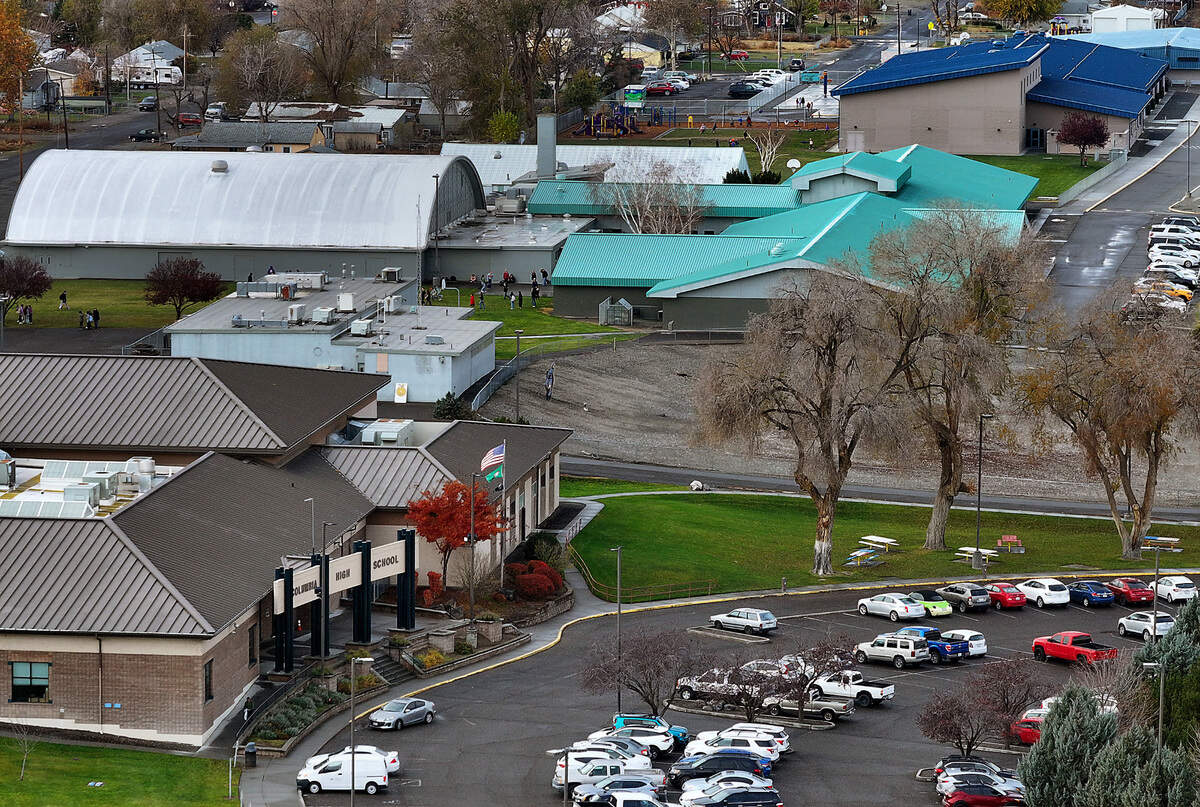
Half of WA schools go out for measures
Nearly half of Washington state’s 295 school districts have some form of levy or measure on the ballot for the Feb. 10 special election. These will be a high-stake votes since many of these schools have been battered by inflation and have become more reliant on local funding in recent years.
For the Columbia School District in Burbank, revenues from its operations levy cover nearly one-fifth — or about 18% — of its general fund. That includes 100% of athletics, as well as “all the events that make schools fun,” said Superintendent Todd Hilberg.
“We’re reliant on these funds to run a well-rounded school district,” he told the Tri-City Herald. “We’re not asking for more, we’re not asking for less. We’re just asking for the support they’ve always given us.”
Questions have also arisen in local districts about the reliability of federal dollars as the Trump administration continues efforts to dissolve the U.S. Department of Education and move programs to other federal departments.
Districts often go to voters during special elections because it gives them greater visibility and allows for extra time to seek approval before funds expire, though turnout is almost always lower than general elections. By law, school districts can only seek voter approval twice for a type of measure in a single calendar year.
Levies up for renewal this year will expire at the end of December. Collection on these measures are set to begin in 2027.
Tax relief may be available for seniors, disabled homeowners and those on limited incomes.
School districts cannot collect more than the total tax collection amounts. If total assessed values rise, then the tax rate falls.
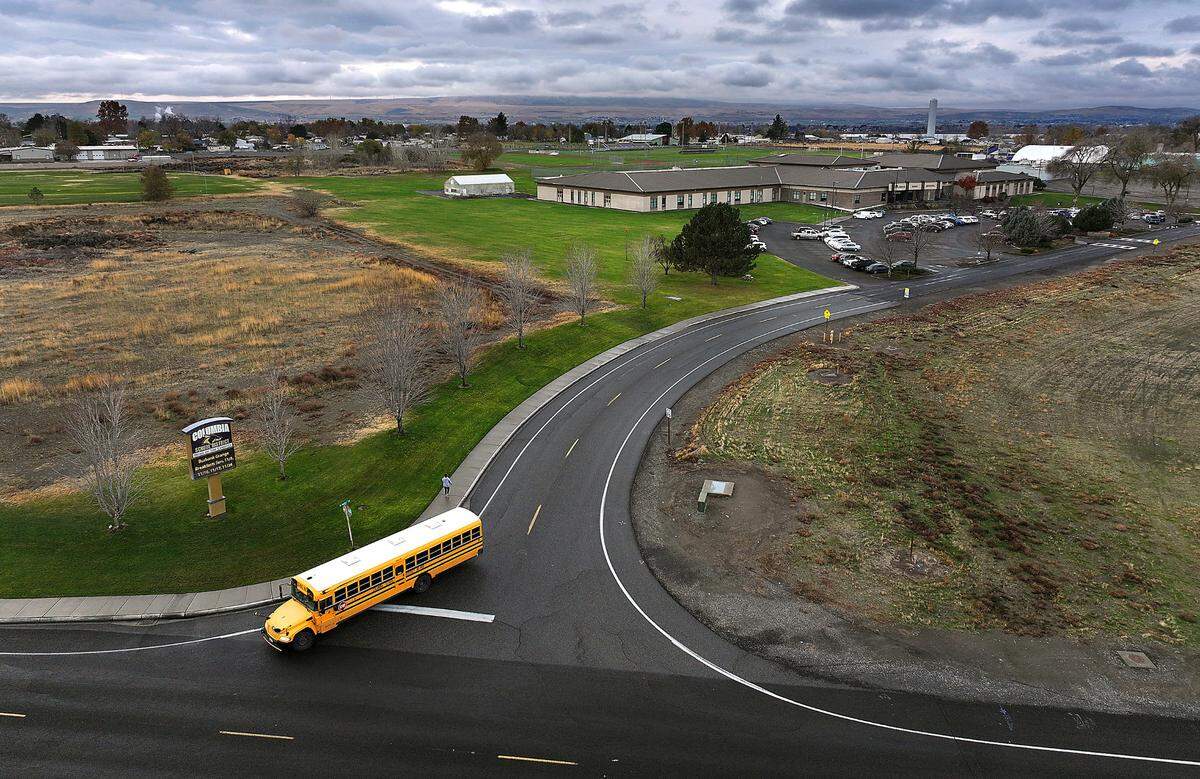
Columbia-Burbank
Columbia School District is asking voters to renew two levies that would raise more than $20 million locally over the next four years. Nearly 800 students attend the rural Walla Walla County school district.
It’s operations levy would raise $18.6 million for educational programs, and the capital levy would raise $1.9 million for technology improvements to enhance student learning.
These taxes keep class sizes small, provide competitive academic and extracurricular programs, keep schools safe and modern, provide students with reliable technology and transportation, and ensure funding for beloved programs.
Haylea Werlinger argued in favor of the tax in the voters pamphlet. She’s raising her four children as the fourth generation to go to these schools, and says the levy “gives every child a chance to learn, grow and feel like they belong.”
Columbia is asking for an operations levy amount that works out to about $3.30 on every $1,000 of assessed property value. It’s the same rate they’ve asked for since 2018, though what’s levied in reality in recent years has been closer to a $2 rate. On a home valued at $300,000, that works out to about $600
Its tech levy would tax another 34 cents on every $1,000. That’s about $102 on the same $300,000 house.
Columbia School District is hosting additional levy town halls 6-7 p.m. on Jan. 29 and Feb. 3.
North Franklin
North Franklin School District is asking voters to renew a two-year, $5.5 million operations levy.
The tax rate is estimated at $1.56 per $1,000 of assessed value for collection in 2027, and $1.57 in 2028. That works out to nearly $470 on a $300,000 home.
It’s estimated the state will contribute about $1 million annual with the levy’s passage. Together, the funds account for about 10% of the district’s general fund budget.
The levy pays for athletics, music and art programs, after-school clubs and enrichment activities, and technology.
About 100 students benefit daily from transportation to athletic and after-school activities across the 600-square-mile district. Nearly all elementary-age students participate in band, marimba or orchestra, and the levy helps fund repair and replacement of 350 elementary instruments.
Half of middle school students, and one-fifth of high schoolers, participate in the musical arts.
The district enrolls about 2,000 students.
Grandview
Grandview School District is asking voters to renew its four-year, $16 million operations levy, but the kicker is the district expects to receive an additional $22 million on top of that from the state if voters approve the measure.
The measure will fund additional teachers and substitutes, nurses, paraeducators, counselors, lunch workers, maintenance, transportation, gang awareness and prevention, athletics, security upgrades at every school, and classroom materials.
“Schools rely on levies for important things that aren’t covered by other funding,” district staff wrote on its levy page. “Levies ensure these essential resources remain available to support students and the community.”
The district straddles Benton and Franklin counties, serving about 3,500 students.
Rate estimates are on par with prior asks. The district would collect $1.65 per $1,000 of assessed value in 2027, $1.67 in 2028, $1.69 in 2029 and $1.71 in 2030. For a home valued at $300,000, the cost would be nearly $500 annually.
These local dollars make up about 9% of Grandview’s general budget.
District administrators will host a levy information forum 6 p.m. Tuesday, Jan. 20, at the District Learning Center.
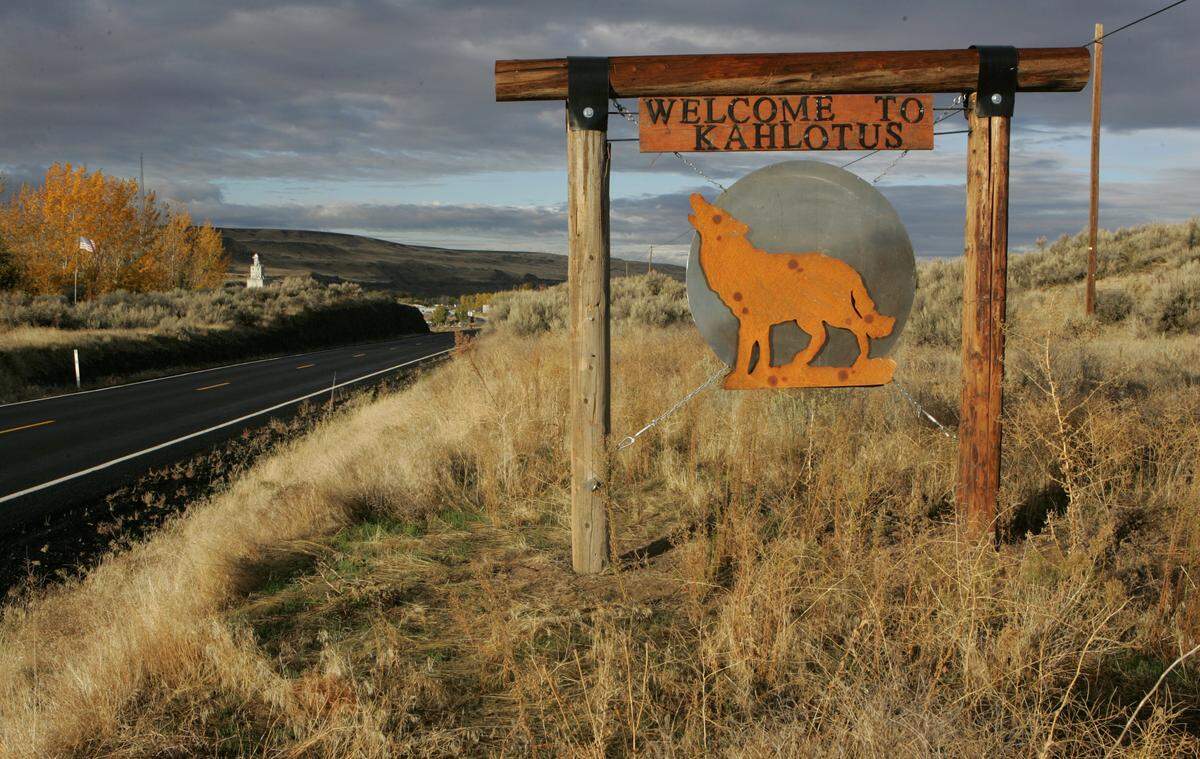
Kahlotus
Kahlotus School District is asking voters to renew a two-year, $280,000 operations levy.
These funds account for 3% of the district’s general fund, and would pay for school support staff, community pool costs, and transportation costs.
The tax would collect $1.47 on every $1,000 assessed property in 2027, then $1.43 in 2028. That’s about $440 for a home valued at $300,000.
Located in the northeast part of Franklin County, Kahlotus School District enrolls fewer than 100 students.