Trump budget set to cut $20M from critical Central WA student migrant programs
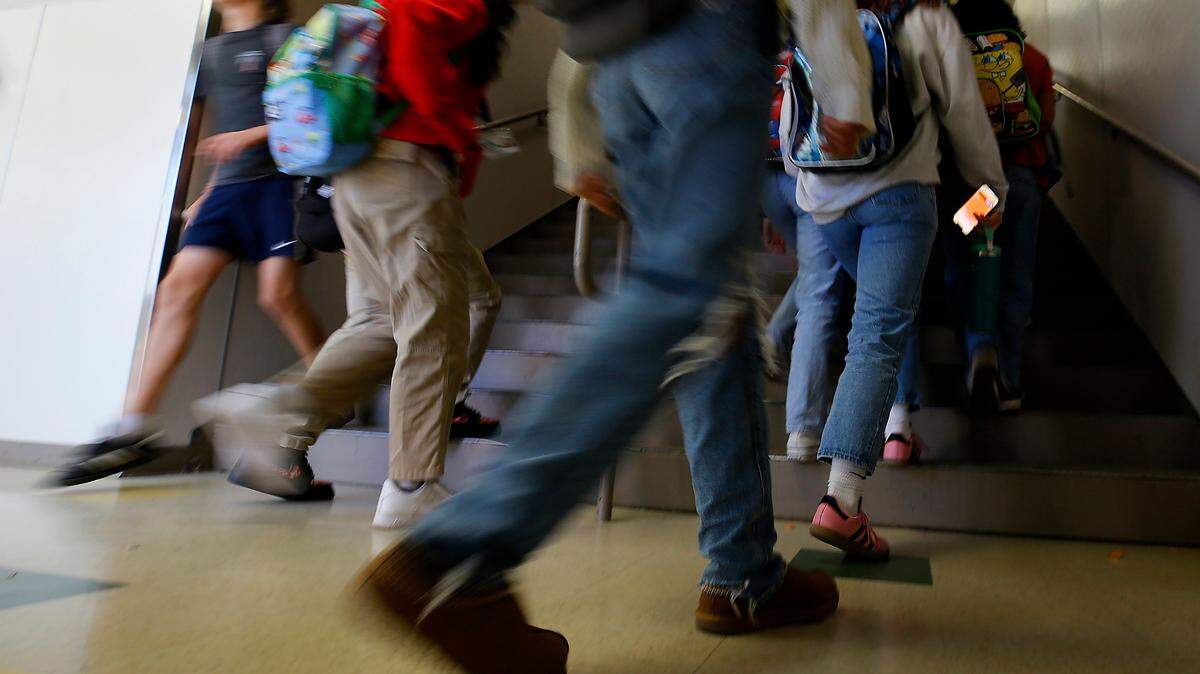
Central Washington schools could lose nearly $20 million in crucial support services for migrant students if Congress signs off on a federal budget proposal released last week by the White House.
That’s according to a breakdown released Thursday by Washington Superintendent Chris Reykdal’s office, which casts the cuts against 2023-24 funding levels.
It’s part of broader cuts that could hit local schools. OSPI says the administration’s request calls for cutting $122 million in federal funds from Washington’s K-12 schools, about $62 million of that coming from migrant programs alone.
Trump’s ask serves as an outline of the administration’s priorities as lawmakers in D.C. look to deliberate and reconcile a budget that will go into effect for the fiscal year starting Oct. 1. It’s unlikely these will be the final numbers appropriated by Congress, but Reykdal and other education leaders are voicing concern as the administration looks to “responsibly” wind down the federal education department.
The administration is proposing $12 billion in cuts to more than 40 programs in the U.S. Department of Education, according to Education Week, including slashing $428 million in grants for the Migrant Education Program, or MEP.
The Central Washington region is the bread basket of the Pacific Northwest, home to the state’s highest concentration of seasonal agriculture workers and their children served under the MEP.
The number fluctuates with harvests, but the program serves about 3,500 Tri-City students — roughly 1 in 15 public school students, according to Washington Report Card data. MEP dollars go to identifying student needs, providing instructional support, linking families with services and ultimately helping them graduate.
The goal of the program is to ensure all students of mobile farm and fisher workers reach high academic standards and are prepared for responsible citizenship, further learning and productive employment. In order to be eligible, a student has to have moved in the past three years.
Migrant students are among the nation’s most vulnerable learners. They often times have difficulty receiving continuous, high-quality education because of their mobility, cultural and language barriers, health problems, social isolation and a lack of resources in the areas they live and work. Some even work with their parents to help support their families.
‘Absolutely devastating’ cuts
Reykdal said in a statement that the program helps students access free and high-quality education, and break down barriers. The cuts paired with the broader reductions would have an outsized impacts on rural communities, he says.
“This cut in funding has the potential to absolutely devastate school districts in Central and Eastern Washington with a high number of migratory students,” Reykdal said.
“If the goal of the Trump Administration is to improve test scores and students’ economic outcomes after high school, cutting programs that provide additional and essential support to historically underserved students that rely on this support for their learning is not the way to accomplish this goal,” he continued.
Here’s how much MEP funding could be cut from each school district. About a quarter of all students served in Sunnyside are from a migratory background:
- Sunnyside School District: $3.55 million
- Kennewick School District: $2.35 million
- Yakima School District: $1.86 million
- Pasco School District: $1.67 million
- Wahluke School District: $1.4 million
- Wenatchee School District: $1.38 million
- Eastmont School District: $856,000
- Othello School District: $818,000
- Wapato School District: $750,000
- Toppenish School District: $734,000
- Prosser School District: $621,000
- Grandview School District: $519,000
- North Franklin School District: $519,000
- Quincy School District: $437,000
- Kiona-Benton City School District: $413,000
- Tonasket School District: $359,000
MEP isn’t the only program on the chopping block. Washington schools could see cuts to school improvement, English language learning, and several others under the request.
Kennewick serves the most migrant students in the Tri-Cities. About 1 in 10 benefit from MEP, which is roughly 2,000 students.
Superintendent Traci Pierce says they’re not unlike any of the other 295 public school districts in Washington. Each relies on their own mixture of federal, state and local funding to provide services to students.
“Federal funding is a crucial part of the funding equation,” Pierce said in a statement. “In total, OSPI estimates that KSD would lose over $3.8 million in federal funding if these reductions are implemented. This would significantly impact our district’s ability to provide critical support services for students.”
A spokesperson for the Pasco School District, which serves about 1,200 migrant students, declined to provide comment since the federal budget is still in the early stages of review and has not been finalized.
Richland School District serves about 220 migrant students. While OSPI’s fiscal analysis doesn’t show any cuts to MEP, the proposal would likely make reductions of more than $920,000 in funds that help under-performing schools and English language learners.
While the administration’s request retains funding for U.S. schools’ top needs — Title I funding for poverty stricken schools and the Individuals with Disabilities Education Act — Reykdal says the plan “dramatically” reduces or completely eliminates programs serving marginalized student populations and support students in their learning education success.
The proposal, Reykdal argues, reinforces Trump’s plans to privatize schools.
“The power of public education is that we serve any student who walks through the door,” Reykdal said in a statement.
“Public schools embrace each student’s uniqueness and help them meet their potential as learners and citizens. Cuts of this magnitude and with this focus on students who rely on additional support from the hard-working and passionate educators who serve them, is yet one more signal that this administration’s focus has little to do with the reality of student needs,” he continued.