
DNA found 30 years after Spokane murder now focus of ex-Pasco cop’s appeal
AI-generated summary reviewed by our newsroom.
- Appellate judges questioned DNA linking Richard Aguirre to 1986 murder
- Defense argued 2018 bag DNA resulted from lab transfer and testing protocols
- Prosecutors cited admissions and other evidence; judges seek records on bag testing
The DNA that helped link a former Pasco police officer to a 1986 murder may become the reason he gets a new trial.
Appellate court Judges Robert Lawrence-Berrey, Tracy A. Staab and Megan Murphy pressed a Spokane deputy prosecutor and a defense attorney about the DNA linking Richard Aguirre, 61, to the murder of Ruby Doss, 27.
Defense attorney Todd Maybrown said prosecutors didn’t commit to pursuing charges until DNA was discovered in 2018 inside a brown paper bag that held a condom from the crime scene.
But Spokane Deputy Prosecutor Brett Pearce argued the DNA was only one piece of evidence that Judge Jeremy Schmidt weighed before finding Aguirre guilty of first-degree murder.
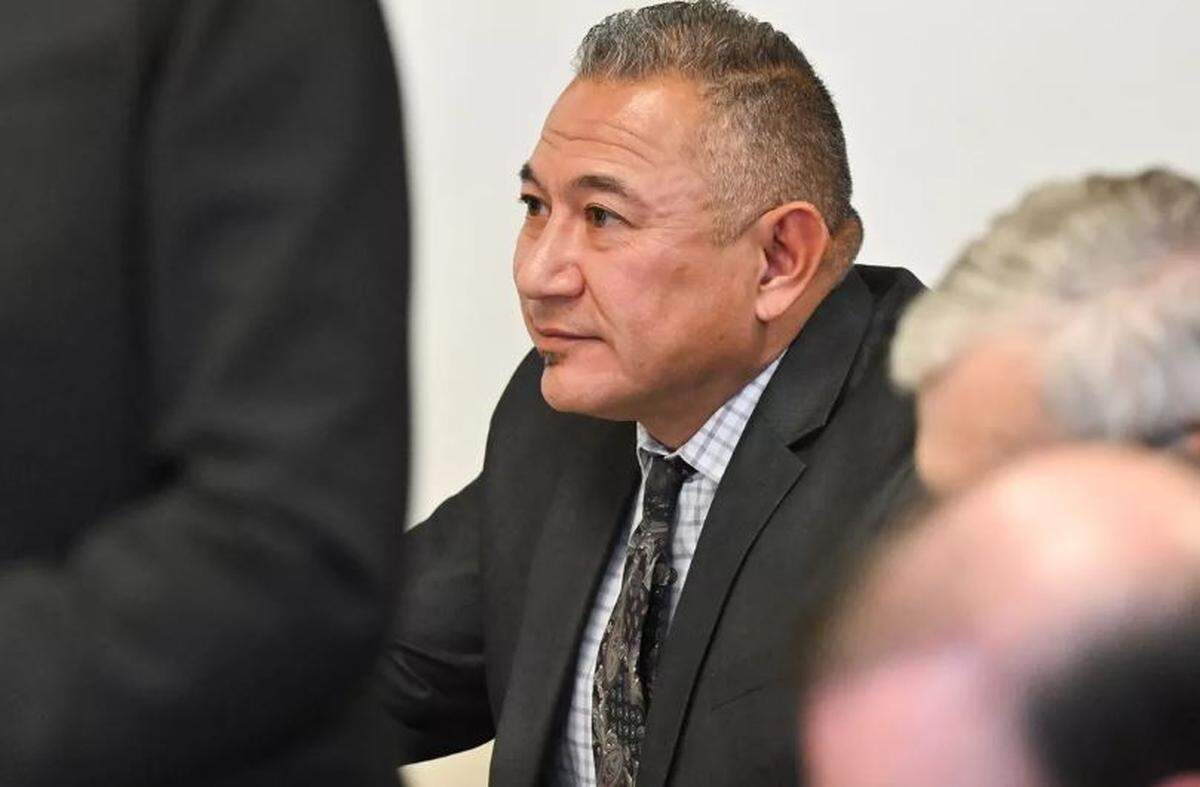
Aguirre is appealing his 2024 conviction that came after a second trial, where he waived his right to a jury.
He was sentenced to 25 years in prison about two months after the bench trial.
Doss’ body was discovered near the Playfield Race Course in 1986. At the time, Aguirre was a 19-year-old in the U.S. Air Force.
Doss’ death remained unsolved until 2015 when investigators got a break when DNA from a condom found at the murder site was tied to Aguirre.
However, Doss’ DNA was not found on the condom, said defense attorney Todd Maybrown.
“They never identified any female DNA during any of the testing process that related to the condom itself,” Maybrown said. “The experts who testified consistently said there was no evidence of a female contributor.”
There was nothing left of the condom after testing in 1989, Maybrown said in his briefing. But the company that kept the material was able to provide police with DNA samples from the condom.
While investigators were able to link that DNA in the condom to Aguirre in 2015, leading to murder charges, Spokane prosecutors dropped the case. Maybrown suggested that it appeared they didn’t have enough evidence to move forward with the charges.
Then in 2018, a test on the inside of the evidence bag that once held the condom revealed DNA believed to belong to Doss, Maybrown said.
Maybrown argued this evidence likely caused by cross-contamination by other items being tested.
“It’s how the bag was handled that was the problem. How female DNA associated with Ms. Doss got on the evidence items because now DNA is so sophisticated that touch DNA is what we would find and transfer is what would happen if you’re not using proper lab protocols. ... If your bench is not clean, you get transfer,” he argued.
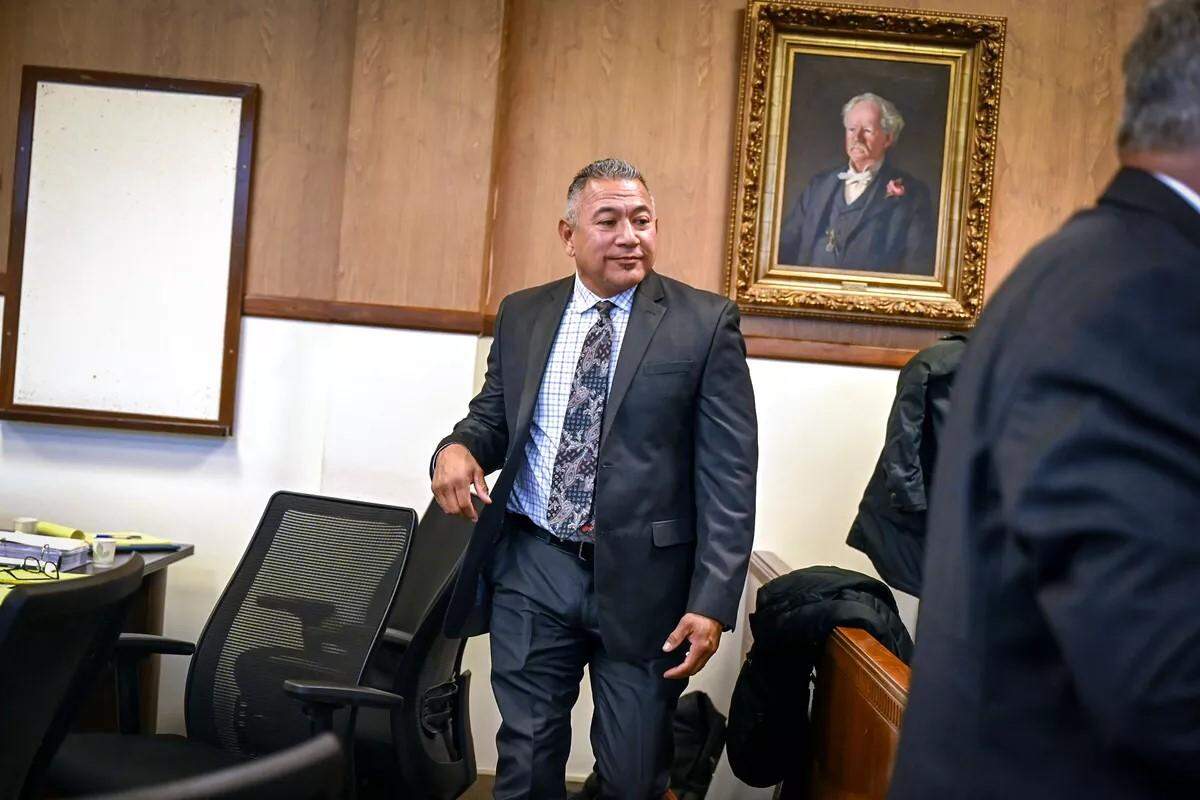
Not the only evidence
Spokane Deputy Prosecutor Brett Pearce said there wasn’t any evidence showing that the person testing the DNA on the bag did anything wrong.
In addition, DNA was not the only evidence linking Aguirre to Doss. Aguirre admitted to fellow Pasco officers and a firefighter that he had sex with Doss and told one person that he had strangled her, court documents said.
The trial judge said he was going to give the DNA less weight because there are some possible problems with it, Pearce noted.
“He was carefully scrutinizing the DNA evidence, and making sure to not give it a lot of weight, because our court recognized there were gaps,” Pearce said. “Not gaps that made it inadmissible, but less reliable.”
This week, Appeals Court Judge Robert Lawrence-Berrey pressed Pearce about how Doss’ DNA couldn’t be found in the condom, but could be found later on a bag.
“The aqueous solution in the condom was tested in 1989. The swab from the inside of the brown paper bag was in 2015, so testing abilities increased dramatically,” said Pearce.
Lawrence-Berrey continued to question about why there wasn’t any DNA on the outside of the condom.
“There’s got to be an explanation as to why there is the victim’s DNA on the inside of the bag,” he said. “If there is no explanation other than cross contamination, then it almost looks like not weighing the evidence, it looks more like a legal issue.”
Pearce told the judges that a lot of the discussion focused on items that the defense had not argued about during the trial.
“Instead, what Mr. Aguirre did was point to some trial testimony and say, ‘Aha, now the court’s evidentiary ruling from a month ago was bad if you look at this trial testimony,’” Pearce said.
The judges asked for more information from the attorneys about the DNA that was found in the bag and whether it should have been allowed in the trial.
This story was originally published December 3, 2025 at 5:00 AM.