
Richland Fred Meyer killer may move closer to release from WA state hospital
AI-generated summary reviewed by our newsroom.
- A judge will decide if Aaron Kelly can take escorted trips outside the hospital.
- Kelly's treatment team claims medication and supervision reduce public risk.
- Prosecutor disputes Kelly’s readiness for escorted trips from the hospital.
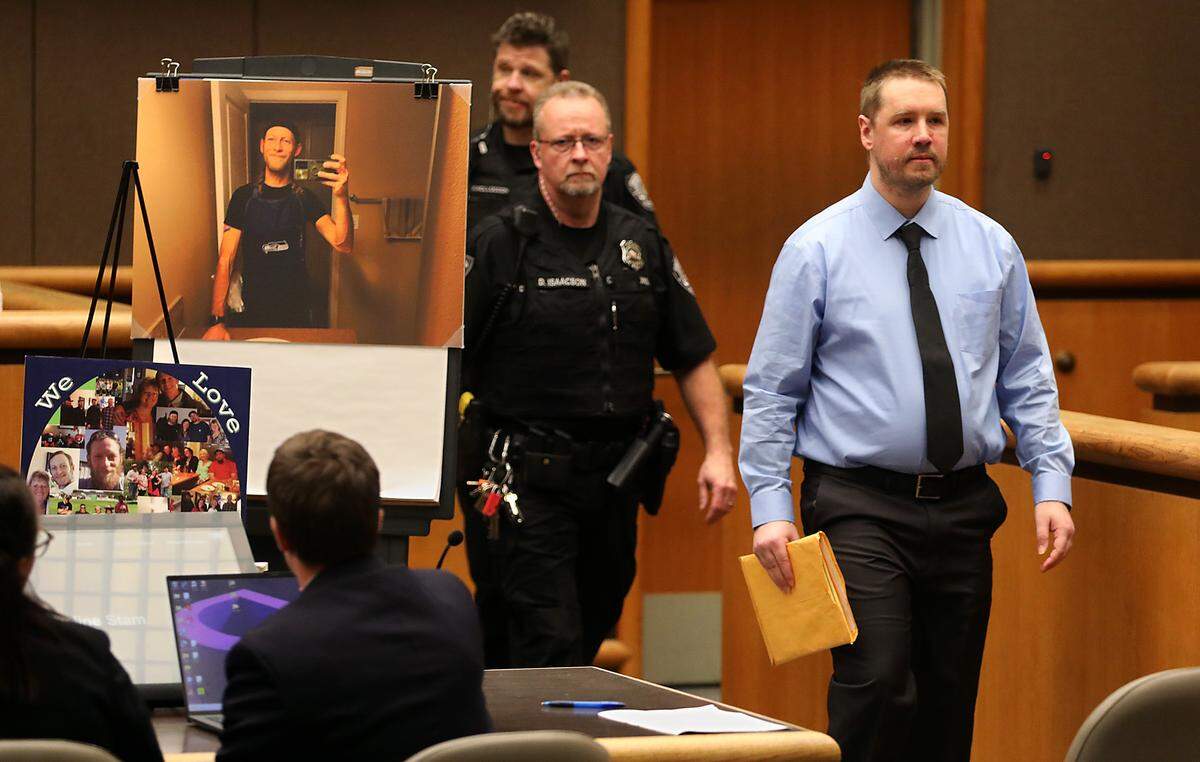
Nearly 3 1/2 years after a deadly shooting inside the Richland Fred Meyer, the killer is a step closer to being allowed access back into the community.
Aaron C. Kelly, 43, and his treatment team believe he can safely leave a state mental health hospital on escorted trips, according to a request filed in Benton County Superior Court.
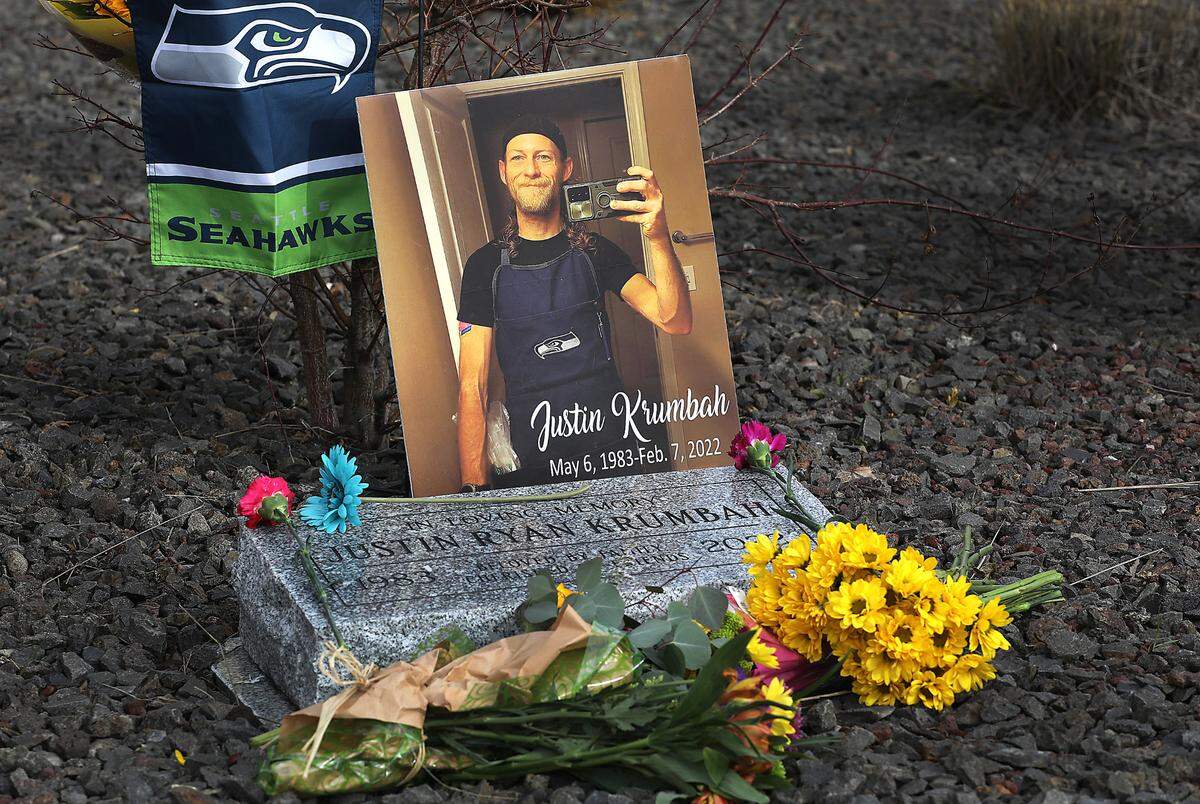
Kelly has been in the Maple Lane treatment facility in Centralia, Wash., since he was found not guilty by reason of insanity in the February 2022 killing of Instacart worker Justin Krumbah and the wounding of Fred Meyer employee Mark Hill.
The ruling meant Kelly would remain in a state psychiatric facility until medical officials believe he is safe to be released and a judge agrees.
“Mr. Kelly is completely dedicated to treating his mental health. He is profoundly aware of how important it is to avoid the recurrence of delusions or psychosis in the future,” his attorney John Chase told the Tri-City Herald. “Mr. Kelly is resolute about following the medication and treatment regimens he is prescribed by medical experts every day.”
While Kelly, his attorney and the psychologists say it’s safe for him to go on short trips and to move around the facility without staff, Benton County Prosecutor Eric Eisinger has promised to fight the supervised releases.
“It’s not appropriate,” Eisinger told the Tri-City Herald. “He has a clear lack of insight into his condition.”
From the start, Krumbah’s family has criticized the insanity plea, saying that it seemed Kelly acted with too much calculation to be legally insane.
A judge will get the final say in determining whether it is safe to let Kelly move around a Centralia mental health hospital without staff and go on escorted trips into the community. A hearing is currently scheduled for December.
Fred Meyer shooting
Three sets of experts have agreed that Aaron Kelly was deeply delusional when he walked into the Richland store at 11:01 a.m. on Feb. 7, 2022.
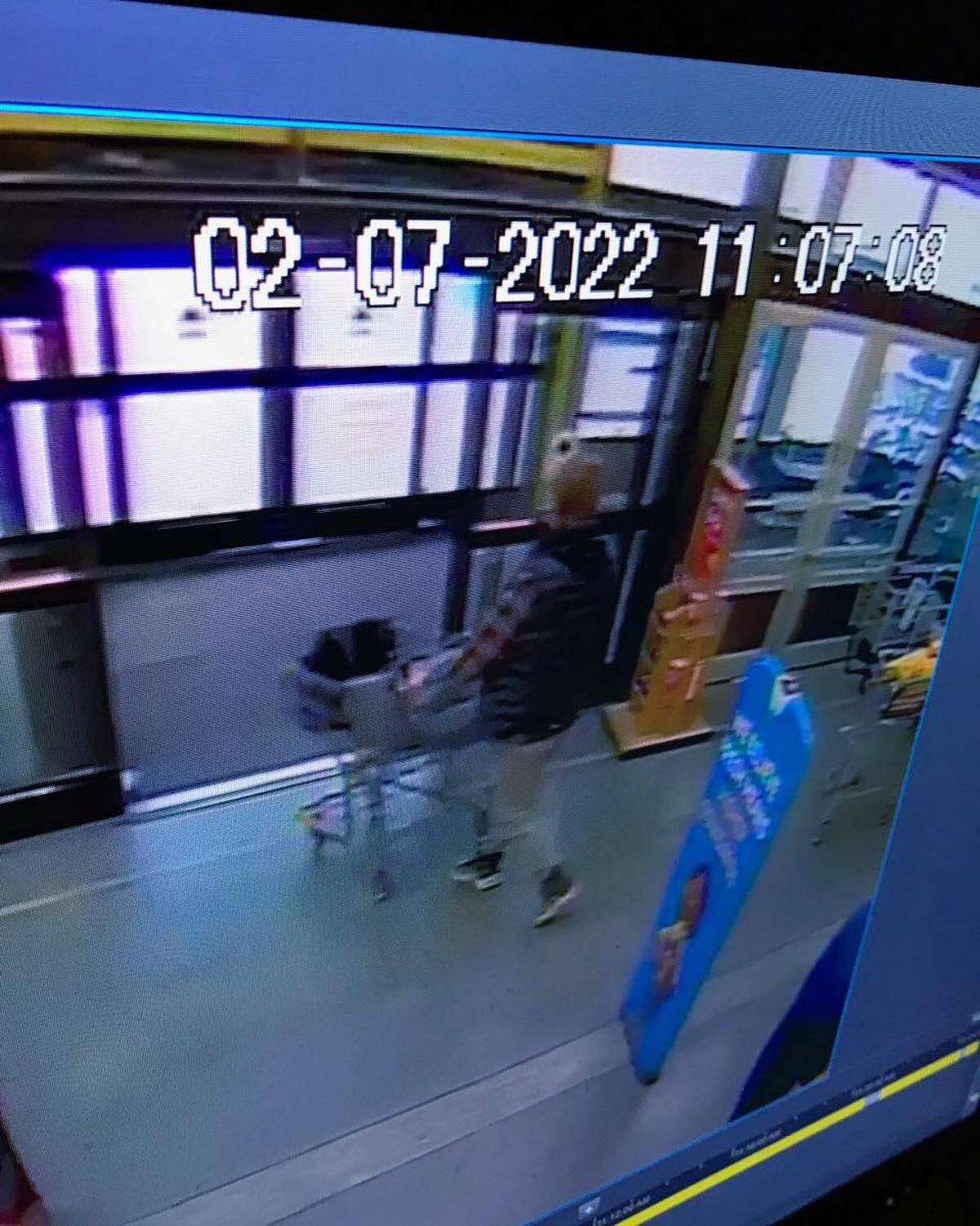
He’s told experts that he believed he was being directed by a shadowy organization that was testing him, court documents said.
He walked around the store pushing a shopping cart with a duffle bag inside.
Kelly and Krumbah passed each other in Aisle 14 and appeared on security footage to have a quick conversation. There is no audio of the exchange, but Krumbah went back to selecting items from the shelves to fill customer orders.
Kelly, however, pulled out a handgun and shot Krumbah several times when he wasn’t looking. Kelly then fired several more times at Krumbah on the floor before walking away.
As Kelly passed the customer service desk near the exit, he wounded Hill.
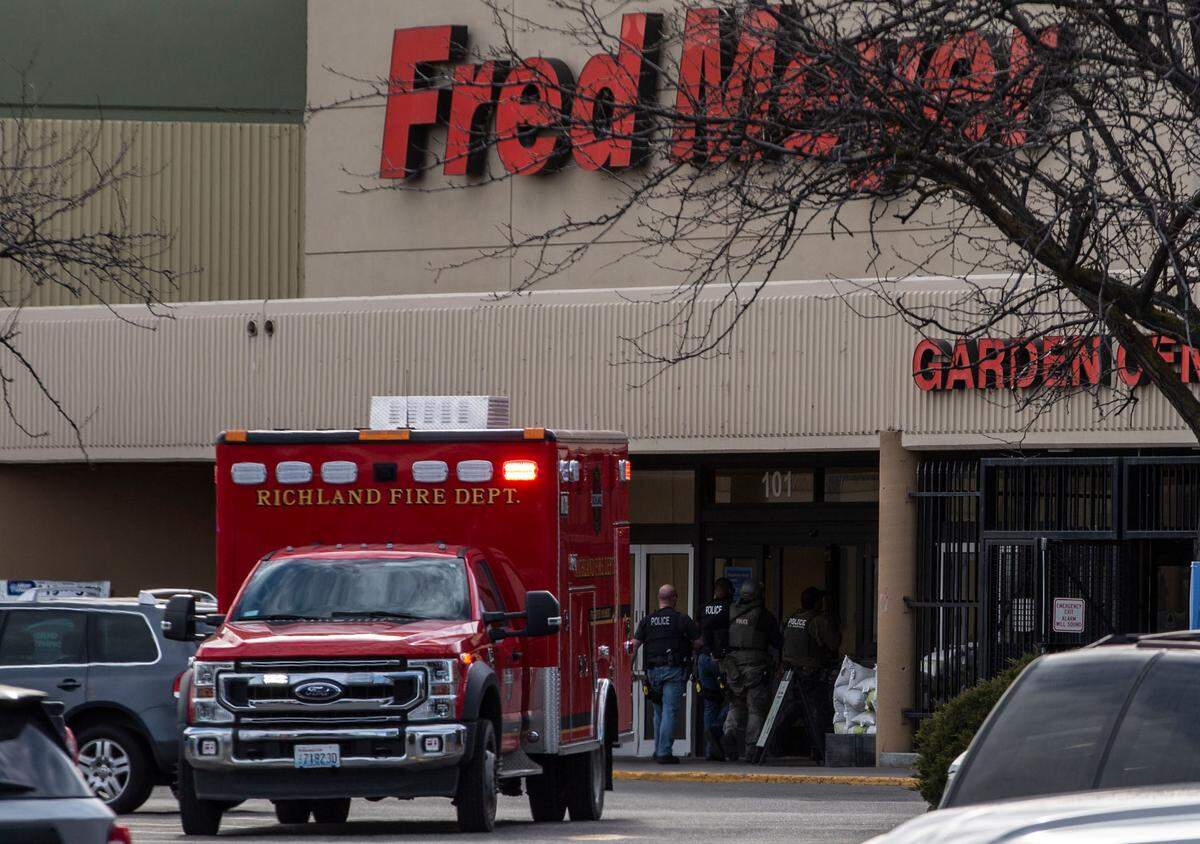
Kelly reportedly spoke with another person, then wandered around briefly before exiting. Inside, panicked customers and store employees scrambled for cover and called 911.
Kelly drove away and was caught about 12 hours later driving his Honda on Interstate 90.
Mental health treatment
State mental health officials emphasize that they can’t keep patients locked up based solely on their crimes.
They must consider if a person will be a danger to themselves or others if they’re given more freedom. The patient is generally working toward managing their mental illness in a way that won’t put others in danger.
There are a number of steps patients can take toward release. Each move has to be approved by a judge.
Having the ability to move around the hospital without staff and leaving the hospital with staff members are two of the first steps.
In Kelly’s case, his treatment team believes that the risk is mitigated by his treatment and medication, according to court documents.
Hospital staff said he would be able to go to substance use disorder assessments and treatment while accompanied by a staff member, court documents said.
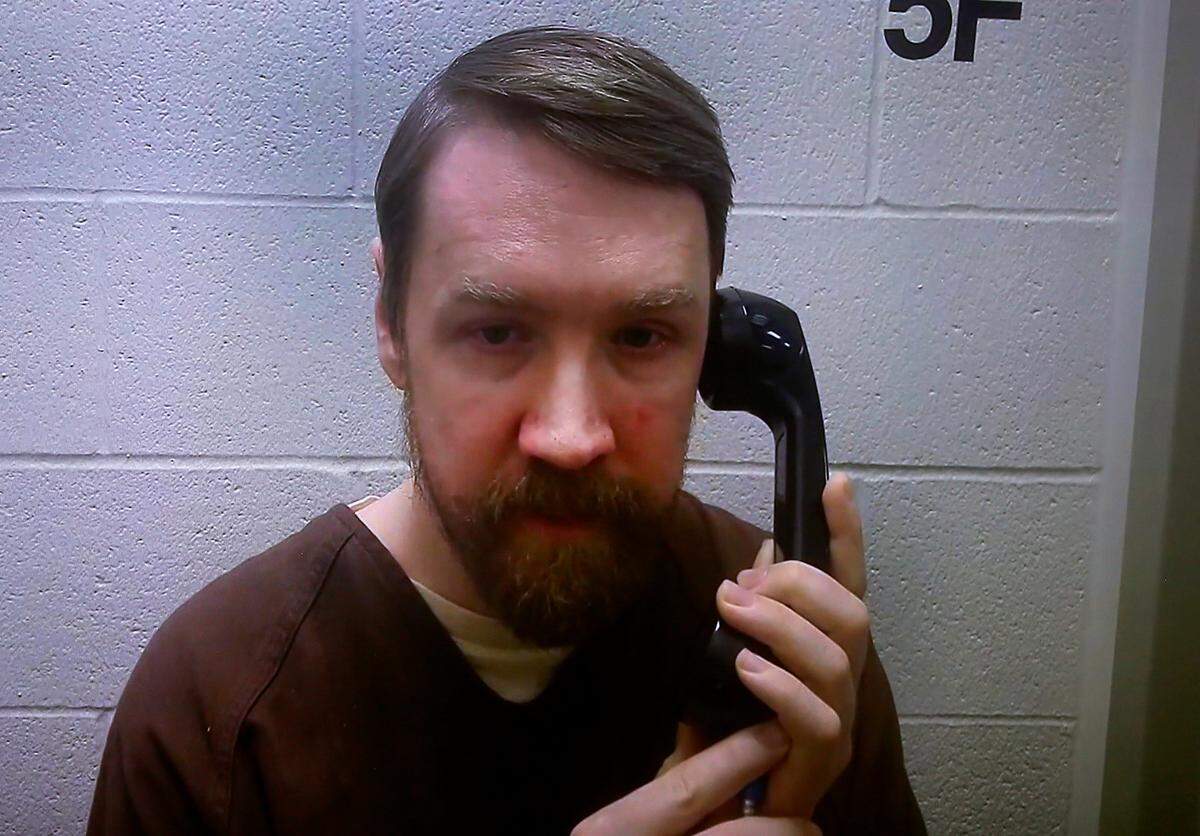
In his application for the conditional release, Kelly said these trips would allow him to understand how he sees himself and others.
“The only instance in my life of being unsafe was during and as a direct result of active schizophrenic psychosis, and I am currently free of psychotic symptoms, am adhering to (my) prescribed medication,” he said in his application.
“I have accrued (a) non-negligible, proven, post-psychosis track record in the form of multiple outings to the dentist and one outing to the ophthalmologist.”
The staff has proposed a number of conditions on his release, including following any proposed treatment plan, attending scheduled therapy sessions and taking his medication.
If he begins to have problems, they also will monitor his mental illness to determine if it gets worse.
This story was originally published September 29, 2025 at 5:00 AM.