
Why are some Tri-Cities DUI charges delayed up to 2 years? What we found
AI-generated summary reviewed by our newsroom.
- Toxicology lab delays in Washington state stall DUI prosecutions up to 22 months
- Prosecutors drop and delay DUI charges to preserve legal options amid testing backlog
- State added a new lab in 2023, but staffing and training slow backlog reduction
Dozens of DUI suspects in the Tri-Cities and hundreds statewide won’t face charges for a year or two because of backups at Washington State Patrol testing facilities.
In the Tri-Cities, for example, charges were dropped against a local driver accused of being drunk when her vehicle got stuck on some railroad tracks and, in another case, when a Tri-Cities suspect reportedly ran a stop sign and crashed.
After the March crash, DUI charges were dismissed against a Kennewick driver suspected of being high on the pain opioid hydrocodone when he totalled a parked SUV and slammed into a house.
In all cases, it could be a year or two before those DUI suspects appear in court to face criminal charges because of delays at WSP crime labs in processing blood samples.
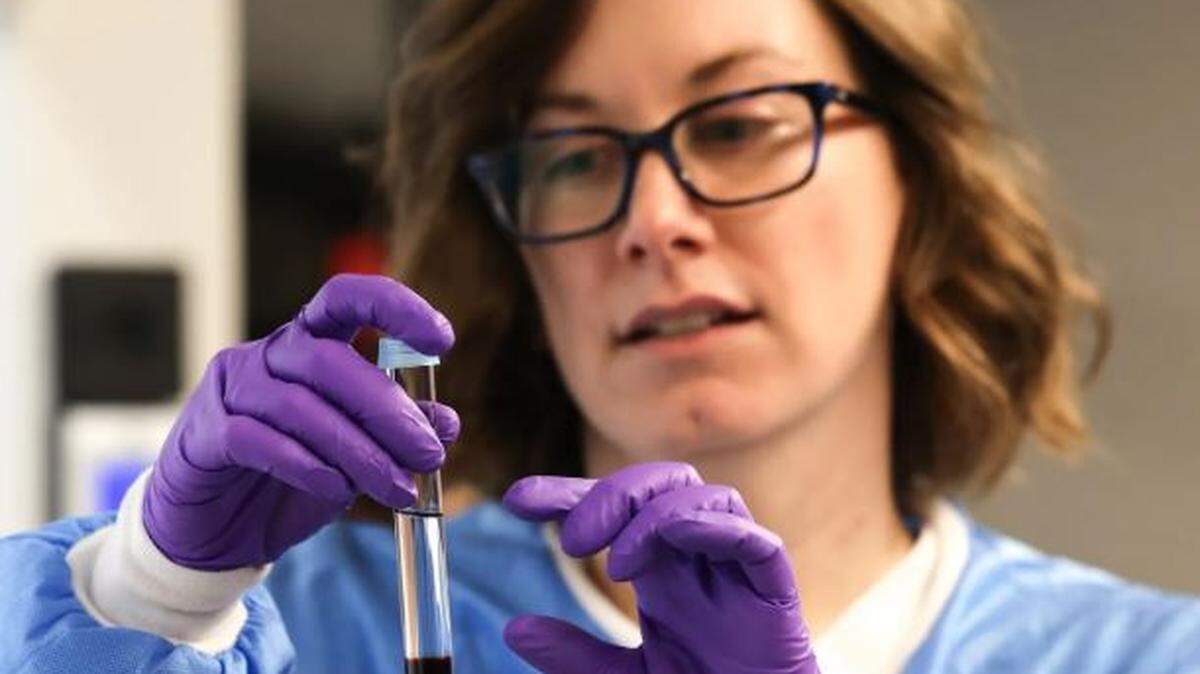
Alcohol testing of blood can take as long as a year, and drug testing is taking nearly two years.
In some cases, the drivers refused to take breathalyzer tests after their crashes so police had to get a warrant to take a blood sample. And in the case of drug use, a breathalyzers cannot measure intoxication levels and blood sample is required.
That means, city and county prosecutors are faced with the risk of going to trial with no test results to show a jury or judge – taking a chance on having enough other evidence for a conviction.
Kennewick City Attorney Laurencio Sanguino told the Tri-City Herald that the city drops the misdemeanor DUI charges on any case where they’re waiting for a blood test.
The issue is that state law requires all blood samples to be tested by a WSP laboratory. They aren’t allowed to use out-of-state labs.
State law requires the “state toxicologist” to sign off on any methods used to test blood samples for alcohol. That leaves nearly all testing in the hands of the Washington State Patrol.
Seattle City Attorney Ann Davison said in an opinion piece in the Seattle Times that she has pushed to allow accredited outside laboratories to conduct testing.
But when a bipartisan bill was introduced to the 2025 Legislature, it was met with concerns from prosecutors, defense attorneys and police.
They all agreed the problem was dire, and the idea was good but there were questions about who would pay for the tests, which could cost thousands of dollars.
Rep. Andrew Barkis, R-Olympia, told the Tri-City Herald recently that after discussions with the state patrol, they agreed to fund more WSP lab positions instead.
They agreed to put more money toward testing, but it’s unclear how much was allocated and whether it went directly for DUI testing.
Tri-Cities cases delayed or dropped
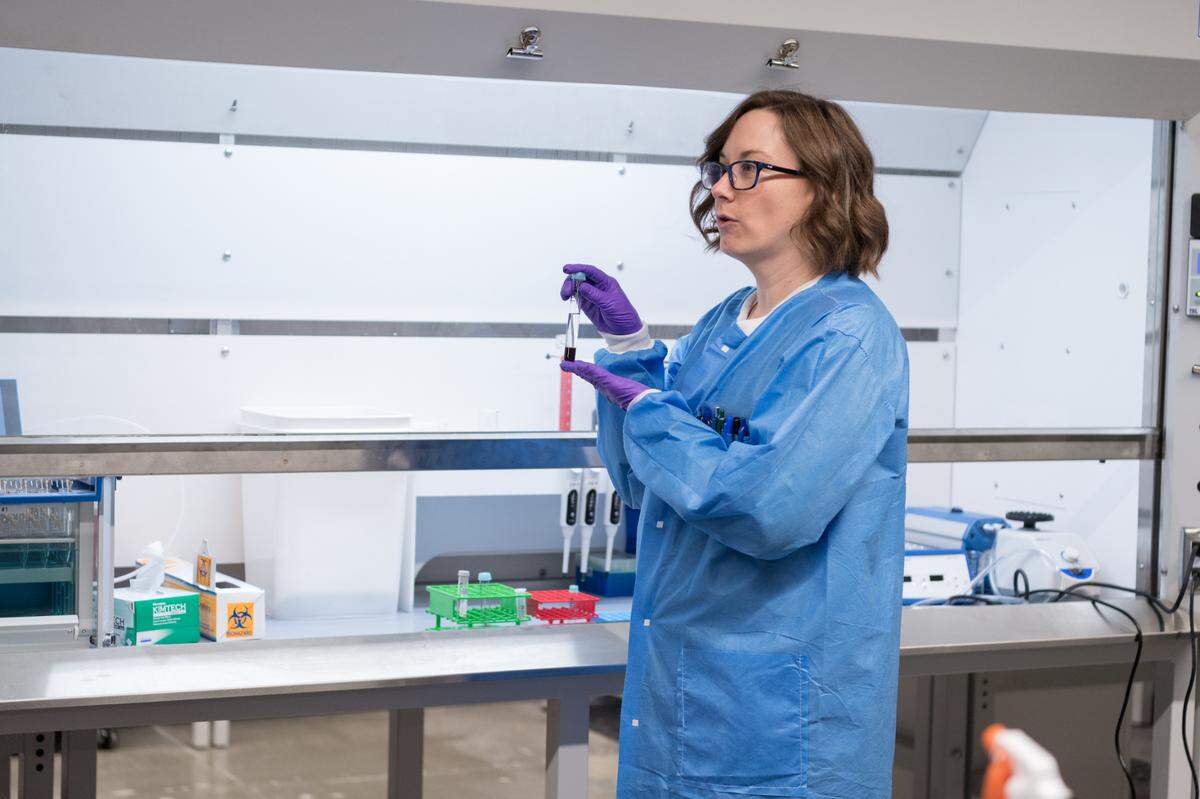
In 2023 and 2024, the WSP labs have struggled to keep up with a flood of requests that have come in, said Chris Loftis, Washington State Patrol’s director of public affairs.
That means the labs have needed to triage cases.
Felony DUIs, vehicular assaults and vehicular homicide cases get tested quickly, but less serious cases generally handled in municipal or District Courts are being given less priority.
In those cases, the WSP laboratories are taking nine months to a year for cases involving alcohol and up to 22 months for cases involving drugs, Loftis said.
For misdemeanor DUIs, prosecutors have a two-year window to be able to legally refile the charge.
Sanguino explained that once defendants enter an innocent plea, they have a constitutional right to a trial within 60 days if they’re in jail and within 90 days if they’re out of custody. If the person doesn’t get a trial, the charges must be dismissed permanently.
Benton County Deputy Prosecutor Andrew Clark heads the county’s District Court prosecutors. His office handles prosecutions in the rural areas of the county and in Benton City. He is using a similar strategy with first-time intoxicated drivers.
He had 30 cases waiting for blood tests when he talked to the Tri-City Herald in May. Some of those were approaching two years old. If he doesn’t receive test results soon, the charges can never be refiled.
In some cases, offenders will face driving offenses such as negligent driving but not criminal cases like DUI, which can result in jail time.
“The handful that we dismissed back in 2023, we’re keeping a close eye on,” he said, saying that he’s regularly calling the state laboratory.
When some results are back, he refiles the charges.
When Clark can move forward with a prosecution, he’s done so, he said. That includes people looking at their second conviction for DUI.
“If we lose two (cases) and win 10, that is a lot better than having 12 people out,” he said. “We’re trying to get as many people on probation as we can.”
His goal is to get drivers the help they need in hopes of preventing future impaired driving. If people are on probation, the prosecutor has leverage to get them into treatment.
Clark said they’ve had cases when drivers were caught drinking and driving again while prosecutors were waiting for blood test results on their first DUI arrest.
The city prosecutors for Richland and West Richland are facing similar challenges. Jessica Foltz, the contracted prosecutor for Richland, explained their office is evaluating each case to decide if they can get a conviction at a trial without the blood test results.
“But in cases where the blood draw is critical to proving the crime beyond a reasonable doubt, the prosecution will dismiss the case without prejudice and refile when blood results are received,” she told the Herald.
Clark explained that, in general, many jurors find it easier to find someone guilty if they see the blood test numbers.
And it’s harder to get the conviction without the lab results if the person had no other signs of being intoxicated, such as slurred speech, smell of alcohol or failed field sobriety tests, including lack of balance.
Why the increase in blood tests
Clark suggested a combination of factors has led to an increase in blood tests.
The first was a number of state Supreme Court cases that made it more difficult to use breath tests, and the second was that it became easier to get a warrant for blood tests.
“We’ve seen a gradual rise in demand for toxicology services since 2012 with a steepening climb over the past several years,” Loftis agreed.
The demand spiked in the past two years, which saw a 20% combined increase along with increases in requests for drug examinations.
While the need outpaced capacity, the turn-around times continued to grow, Loftis said. The agency opened a new laboratory in Federal Way in December 2023, but it takes time to recruit, hire and train new forensic scientists.
“These folks must be able to professionally attend to not only the scientific duties of our work but also the myriad duties of knowing applicable law,” Loftis said.
“It takes roughly 12-18 months to bring a new hire on as a full contributor to the process even with the already impressive credentials they had to have to be hired,” he said.
While the timeframes are still long, they have been slowly shrinking, Loftis said.
“While our strategies of increasing lab and personnel capacity are definitely paying off, it will be another year before we see any appreciable decline in the backlog and several more years before the backlogs are totally tamed, and our systems can accommodate the always rising demands and deliver results in the desired 60–90-day turnaround time frame,” Loftis said.