
Ex-counselor claims insanity in strangling death of counselor girlfriend in Tri-Cities
AI-generated summary reviewed by our newsroom.
- Michael Smith pleaded not guilty by insanity in the 2023 killing of Jenna Olafson.
- A judge ordered Smith’s defense to turn over early mental health evaluation notes.
- Prosecutors argued they are entitled to all mental evaluations.
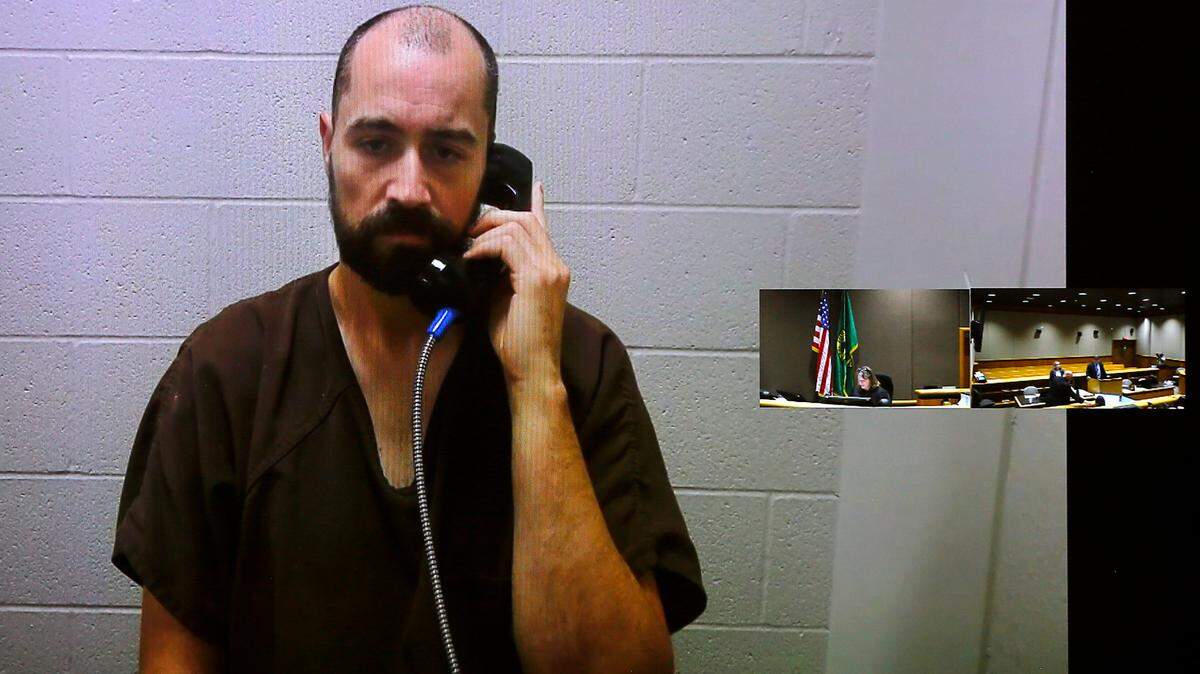
A mental health counselor claims that he wasn’t legally sane when he killed his longtime girlfriend two years ago.
Michael T. Smith, 40, pleaded not guilty by reason of insanity to the second-degree murder charge based on an evaluation by a psychologist hired by his defense attorneys.
On Friday, Benton County prosecutors were arguing for the release of the notes of another psychologist previously hired by the defense to evaluate Smith.
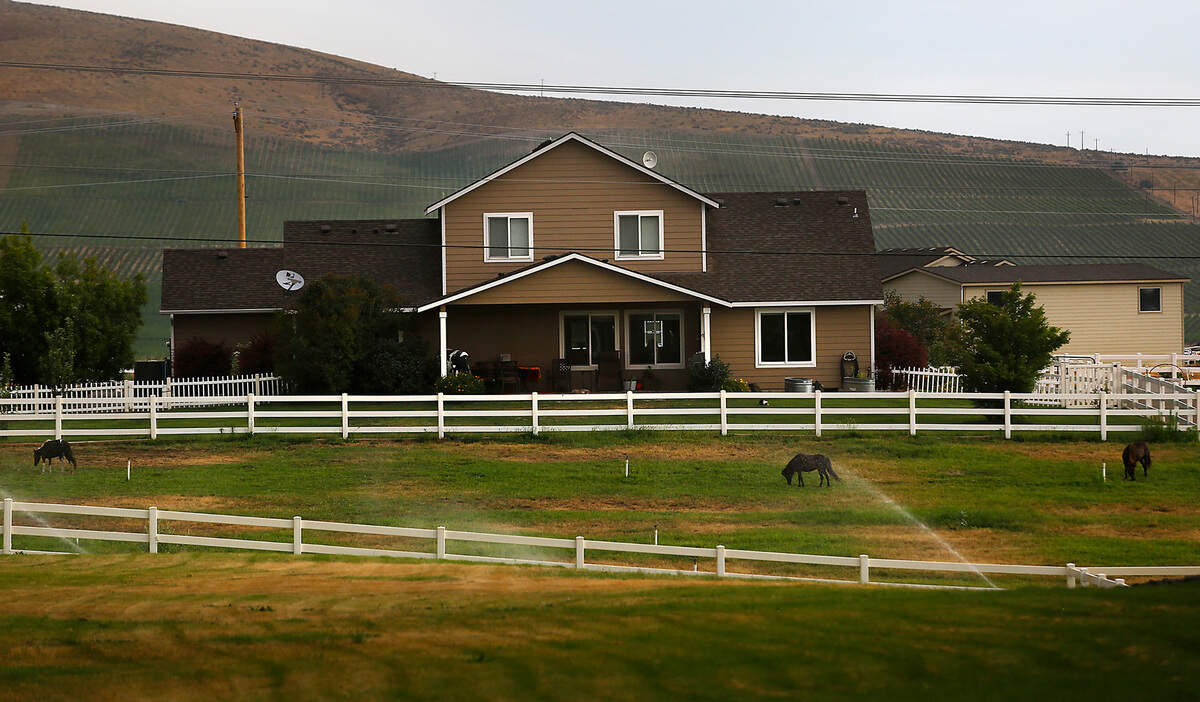
Smith and Jenna Olafson, 38, were alone on July 8, 2023, at the El Rancho Reata home they shared with her mother when he’s accused of strangling her.
Smith then tried to kill himself with a knife. When that didn’t work, he swallowed some pills, say Benton County investigators.
Olafson’s mother and a friend found her body hours later on a patio of their home.
Smith and Olafson, had been together for about seven years, and were both licensed mental health counselors in their own private practices.
Initially, his defense attorneys asked a mental health expert to determine whether Smith was impaired at the time of the murder, or a “diminished capacity” defense.
That expert didn’t produce a report after defense attorneys decided to present evidence of an insanity defense based on a different evaluation by psychologist Daniel Lord-Flynn of Medical Lake, Wash.
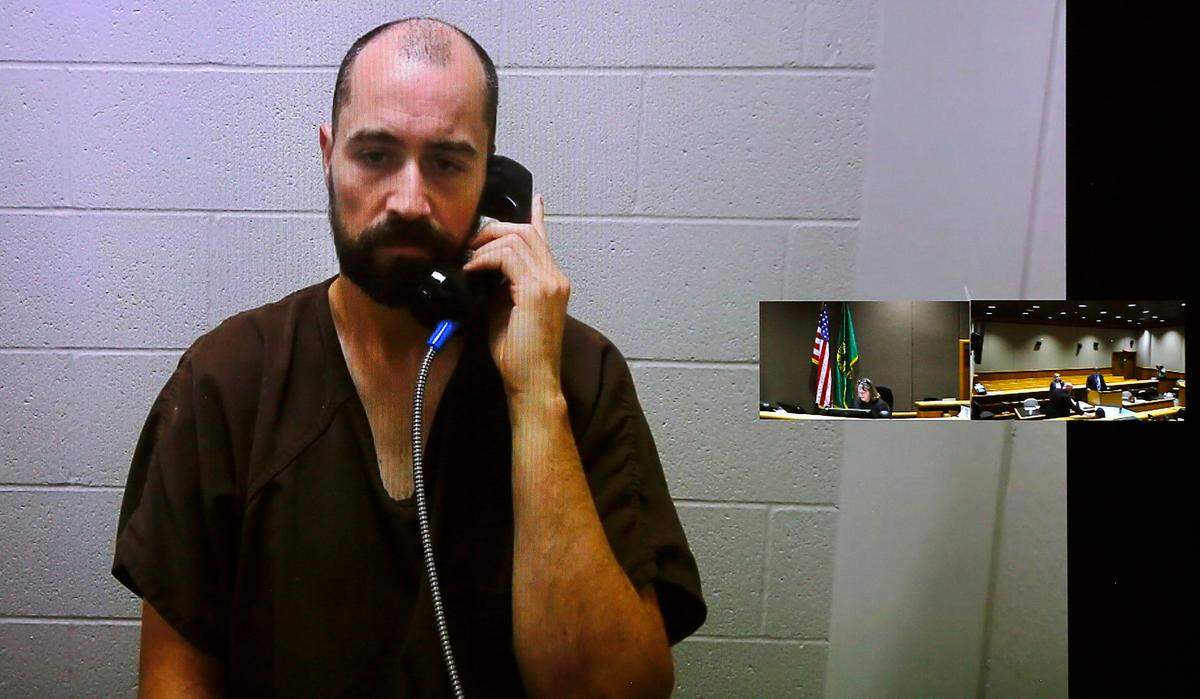
Smith was back in court on Friday morning because Benton County prosecutors were asking a judge for the first expert’s notes.
Deputy Prosecutor Taylor Anderson explained that a prosecution expert also is evaluating Smith’s sanity. In the process, that expert discovered there was the earlier examination before Lord-Flynn’s exam.
Prosecutors argued they are entitled to see those notes taken during that first exam. “When a defendant raises an insanity defense, every act in his life is admissible,” Anderson said.
But Orr argued in a brief that requiring defense attorneys to turn over notes could make it harder for attorneys to explore mental health defenses without fear.
Anderson responded that the point of requiring prosecutors and defense attorneys to share information, is to provide information that could contradict their arguments.
“I think that’s exactly why the state is entitled to this information,” Anderson said. “The defense is essentially arguing that there might be evidence that our client wasn’t insane in those evaluations.”
Defense attorneys argued the material should be protected since there was never a formal report made by the expert, and they don’t plan to ask that expert to testify.
Defense attorney Mitchell Crook argued prosecutors can have the identification and reports from other experts, but the law doesn’t say that they can have the notes taken in those evaluations.
“I think this situation changes if we were to designate this individual as an expert. I think we’re talking about a whole different circumstance,” he said. “We’re not relying on those notes or correspondences in any sort of hearing.”
But Court Commissioner Andrew Howell disagreed, siding with prosecutors, saying the law is clear on the point. He ordered the defense to turn over the notes.