
Tri-Cities man used stolen identities in theft of $340K in COVID unemployment payments
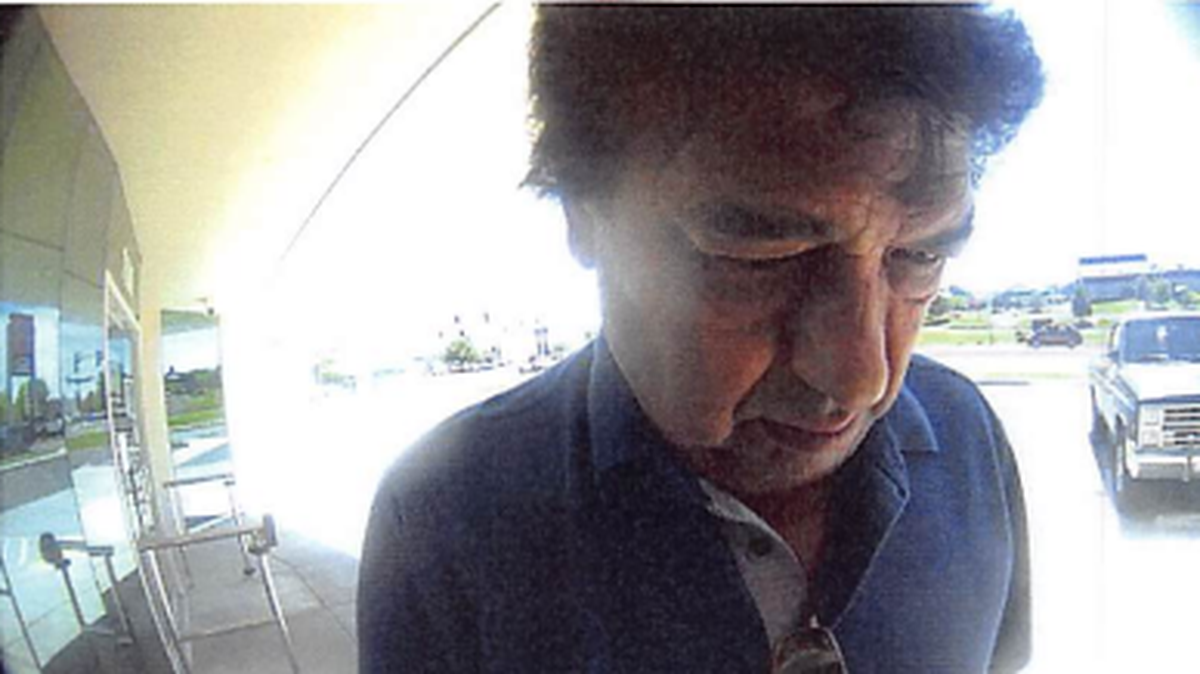
A Richland man pleaded guilty Tuesday to aggravated identity theft after using stolen identities to collect almost $340,000 using unemployment insurance cards for other people mailed to his home on Canyon Street.
The people whose identities were used were not seeking and may not have been eligible for the benefits and did not know claims were filed in their names, according to prosecutors.
Seventy unemployment claims were filed using the address of Gilbert Orosco’s home, resulting in debit cards from California, Arizona and Nevada agencies that made weekly or biweekly payments for claims for residents out of work in those states, according to Eastern District of Washington U.S. Court documents.
The claims filed in 2020 and 2021 said residents of those states were out of work due to the COVID pandemic. The Coronavirus Aid, Relief and Economic Security, or CARES, Act expanded unemployment insurance eligibility to more people and provided an additional $600 per week, during part of the pandemic.
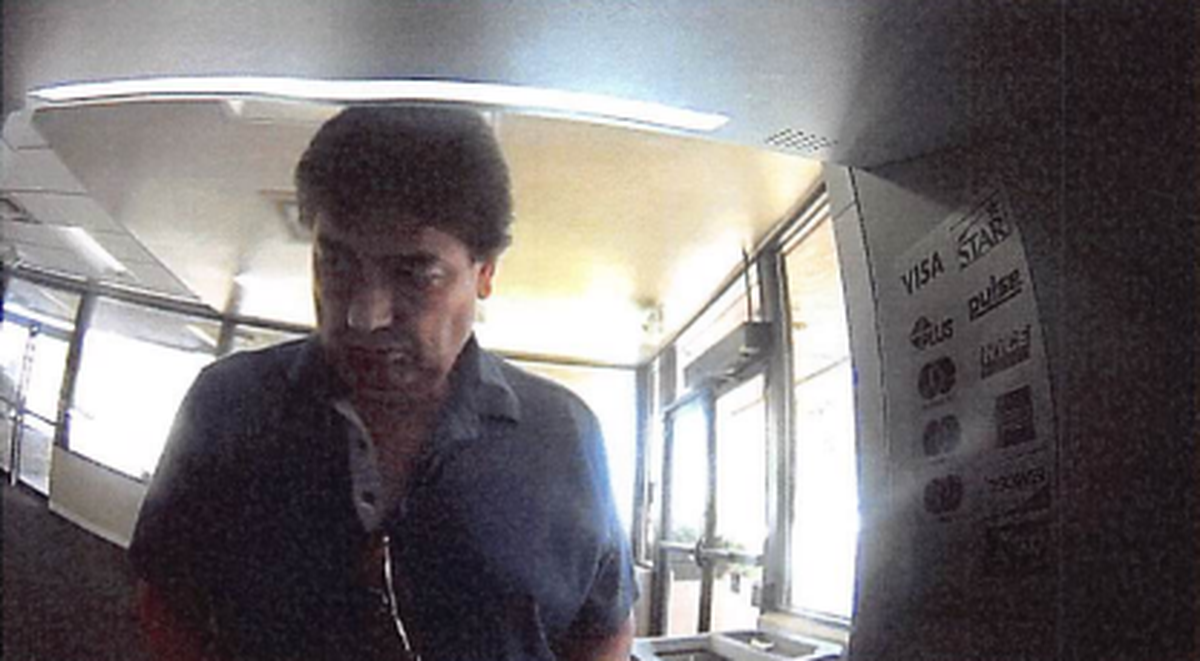
Orosco made 347 ATM withdrawals of nearly $283,000 in unemployment benefits and also 30 transactions worth about $57,000 using debit cards with unemployment benefits at Winco, Albertsons and the U.S. Postal Service in Eastern Washington, according to a court document.
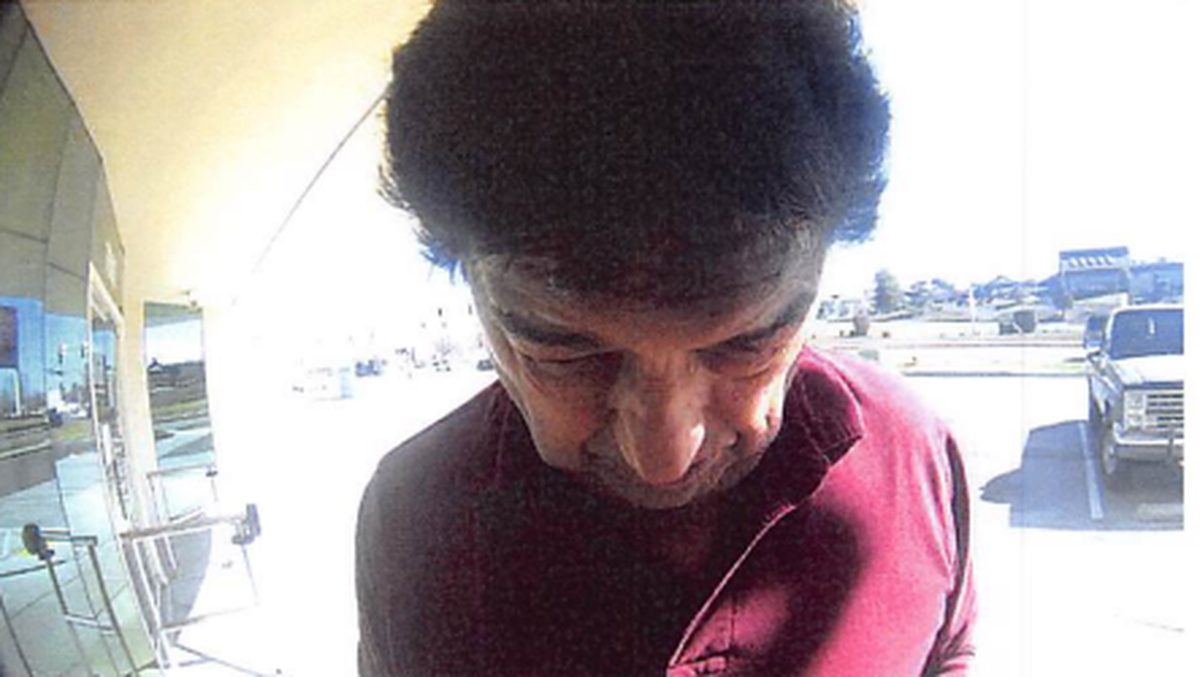
Orosco made many of the debit card transactions in different names at the same locations within minutes of each other, according to a court document.
After obtaining cash, he would convert it to cryptocurrency or money orders for his own use or to transfer to unnamed co-conspirators, according to a court document.
Over five months in 2020 he purchased $40,000 in Western Union money orders made payable to himself, which he deposited in his own bank account, according to a court document. He also sent images of blank money orders and money orders made payable to others.
In July 2020, he sent a text to a co-conspirator with images of six money orders and a message saying “Sweetheart here’s the $4,000 that’s been deposited,” according to a court document.
In another example, a co-conspirator replied to a text saying, “So my love you have purchase $5,000 in money order now right.”
Orosco also deposited cash from unemployment benefits at CoinStar kiosks in Eastern Washington, purchasing $343,780 in Bitcoin, according to a court document. Money was deposited into a BitGo wallet and then sent to other Bitcoin wallets.
Richland home searched
When Orosco’s house was searched by law enforcement in March 2024, federal agents found an Arizona Department of Economic Security letter addressed to an Arizona resident and dated September 2021.
The Arizona program had received an application for an unemployment insurance claim using that person’s correct Social Security number and date of birth, without the person’s knowledge.
The letter said that the person had been paid weekly benefits they were not entitled to because the claim had not been filed by them.
A debit card, which was sent to the Canyon Street address but never activated, was found cut into pieces in a trash can in the house.
The Richland home was foreclosed on in late May, according to Zillow.
As part of a plea agreement, the prosecution said that during the sentencing hearing it would drop all but a charge of aggravated identity theft. Other charges in the indictment of Orosco included wire fraud and mail fraud, conspiracy to commit access device fraud, conspiracy to launder monetary instrument, access device fraud and an additional charge of aggravated identity theft.
This case was investigated by the Department of Labor Office of Inspector General, and the Department of Homeland Security Office of Inspector General COVID Fraud Unit. It is being prosecuted by Assistant U.S. Attorney Jeremy J. Kelley.