
Hanford nuclear site subcontractor, owner to pay $1.1M for COVID loan fraud
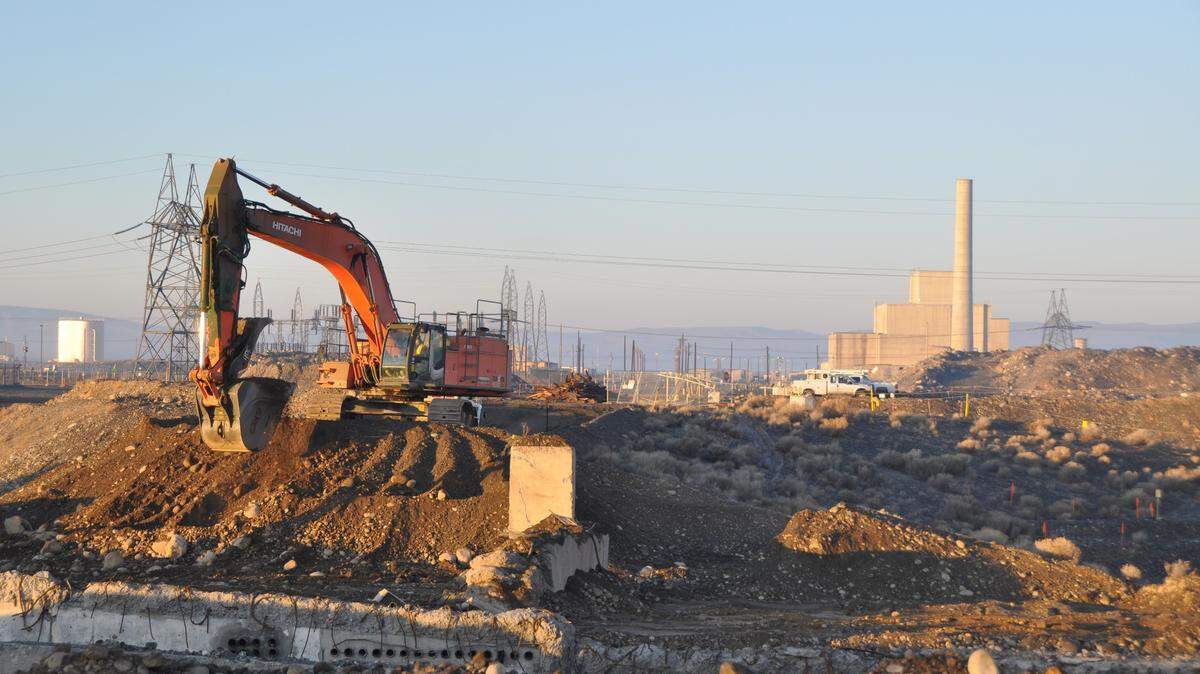
A former Hanford nuclear site subcontractor and its owner will pay a total settlement of just over $1.1 million to resolve accusations they defrauded the federal government through a COVID pandemic loan program.
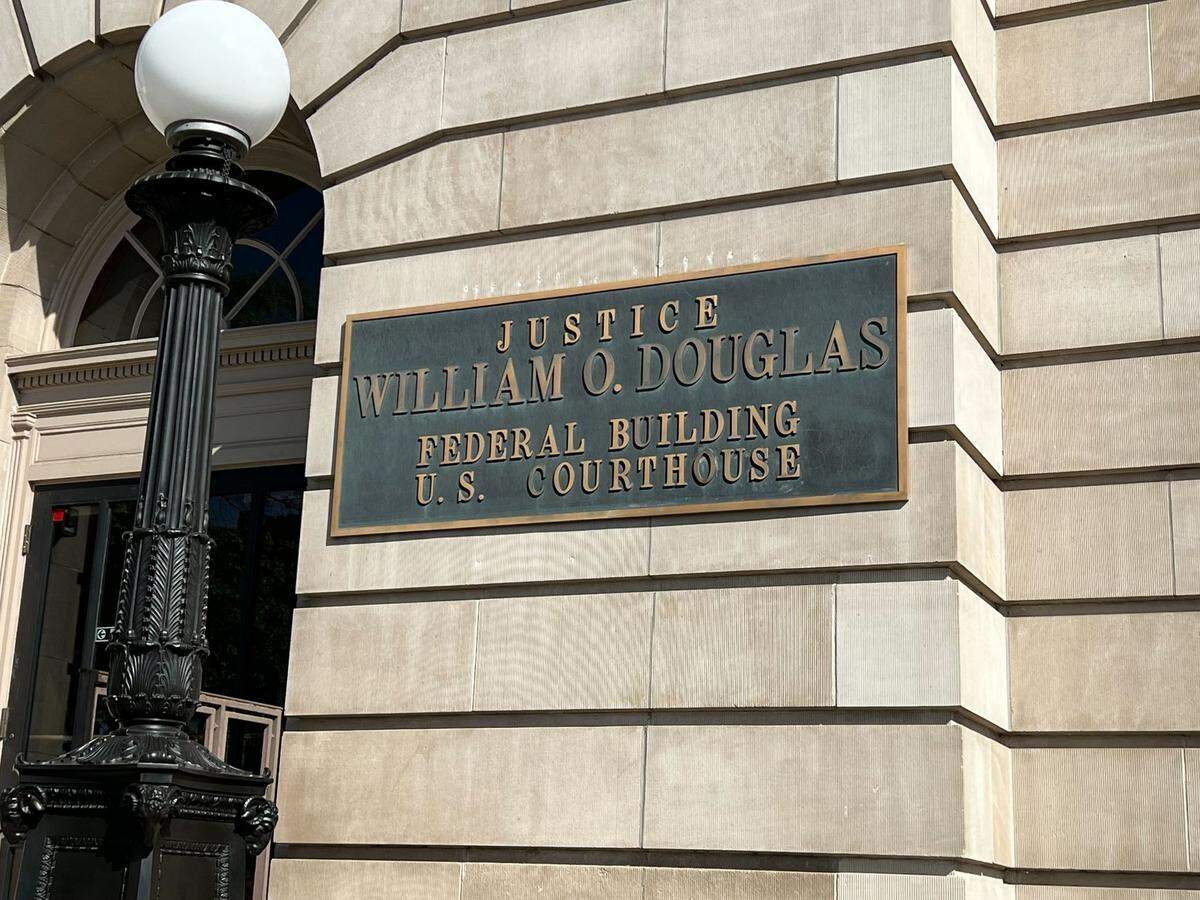
On Wednesday, U.S. Judge Stanley Bastian in Yakima sentenced BNL Technical Services, owned by Wilson Pershing Stevenson III, to pay nearly $494,000 restitution to the federal government, as proposed in a settlement agreement.
That is in addition to $611,000 Stevenson, of Nashville, Tenn., already agreed to pay in a civil settlement to resolve his liability in the case.
BNL, which faced a likely ban from federal government contracting, has been dissolved, according to a federal court document. However, the judge still sentenced it to one year of probation to ensure the restitution is paid promptly and in full.
BNL received nearly $494,000 in 2020 from a Paycheck Protection Program loan through the Coronavirus Aid, Relief and Economic Security (CARES) Act.
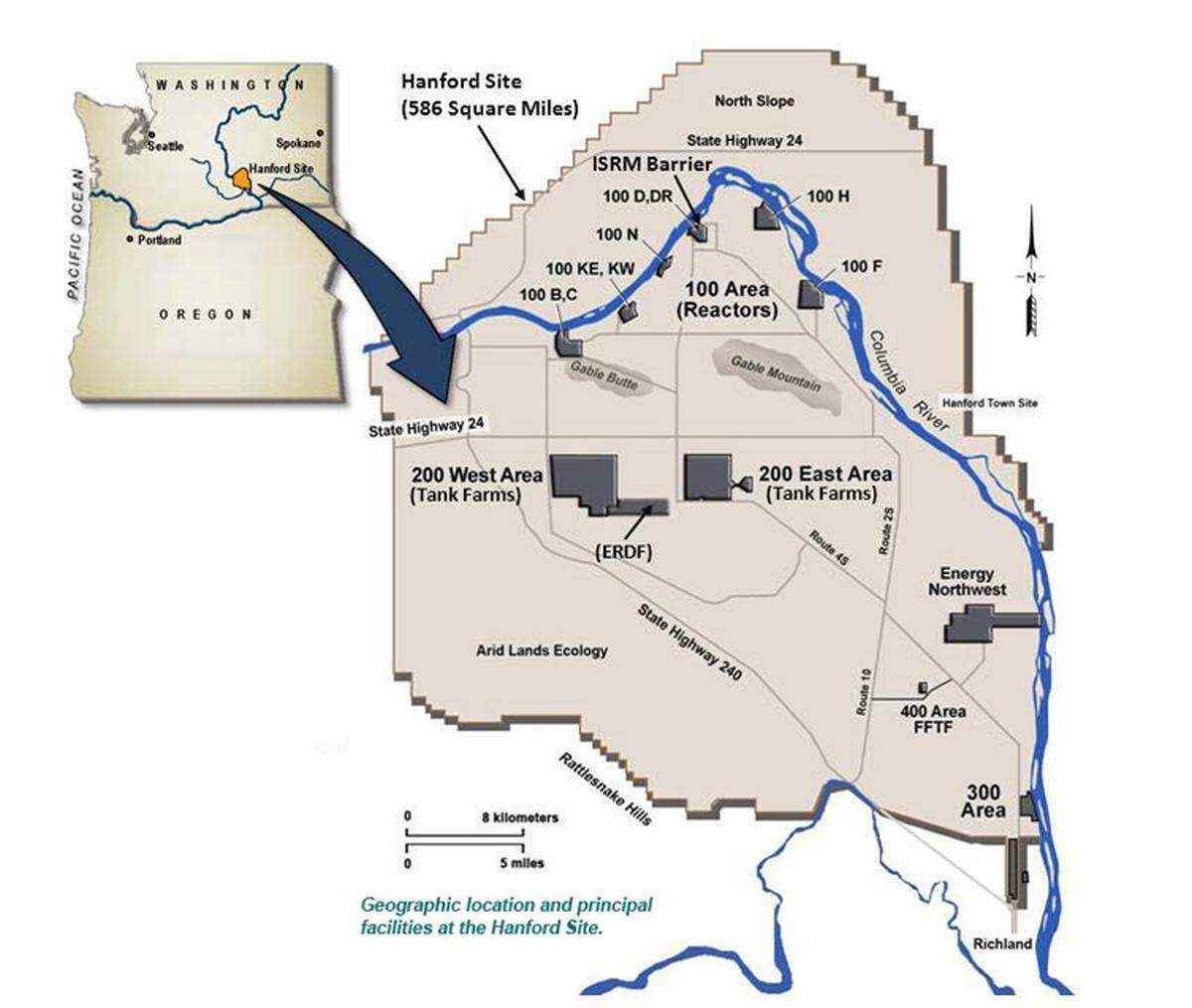
The money was intended to retain and maintain payroll for Hanford site workers assigned to the nuclear reservation in Eastern Washington and also a few Department of Veterans Affairs workers during the COVID-19 pandemic.
But the federal government continued to cover the costs of those employees as part of a commitment to keep the federal government’s contracted workforce in a ready state during the pandemic, according to a court document. BNL overhead costs associated with the workers also were reimbursed with federal government funds.
BNL, which had an office in Richland, hired staff and deployed them to Hanford nuclear reservation and other federal contractors, a service called “staff augmentation.”
Hanford staff paid with federal tax dollars were assigned to work for former contractors Washington River Protection Solutions, Mission Support Alliance and CH2M Hill Plateau Remediation Co., according to court documents.
During the early part of the pandemic the number of workers reporting for environmental cleanup at the Hanford nuclear reservation was limited, with most workers telecommuting or paid with Department of Energy money to wait for more work to resume. Workers paid with DOE to be kept in readiness included BNL workers, according to court documents.
The Hanford nuclear site adjacent to Richland was used to produce almost two-thirds of the plutonium for the nation’s nuclear weapons program, leaving massive environmental contamination on the 580-square-mile site.
COVID loan money spending
Within 48 hours of BNL receiving the Paycheck Protection Program loan at least $453,000 had been spent to pay off Stevenson’s personal and family debts, according to an indictment.
That included $100,000 transferred to Stevenson’s father and $48,600 to a family trust, according to court documents.
Much of the rest of the money was used to pay off credit card debt, according to the indictment.
The federal government later forgave the loan, which cleared it from having to be repaid.
BNL and Stevenson later applied for and received another Paycheck Protection Program loan of nearly $820,000.
Most of that loan, which also was forgiven, was used correctly for employees who were not assigned work on federal projects, according to new federal court documents.
But some of it also was used to pay off another federal loan, a $150,000 COVID Economic Injury Disaster Loan, which was not an approved use of the money, according to court documents.
“The misuse of critical emergency funds intended for those personally affected by the COVID-19 pandemic defrauds taxpayers and deprives legitimate recipients of important assistance at a time it was needed most,” stated Lewe Sessions, assistant inspector general for investigations at the DOE Office of Inspector General.
The Eastern Washington District U.S. Attorney’s Office is continuing to pursue COVID fraud cases, said Rich Barker, acting U.S. attorney.
The case was investigated by the DOE Office of Inspector General Richland Field Office and the Small Business Administration and VA Offices of Inspector General. Assistant U.S. Attorneys Tyler Tornabene and Dan Fruchter prosecuted the case.
This story was originally published March 11, 2025 at 6:41 PM.