WA judicial commission claims Tri-Cities judge broke the law and public’s trust
READ MORE
Accused Tri-Cities judge
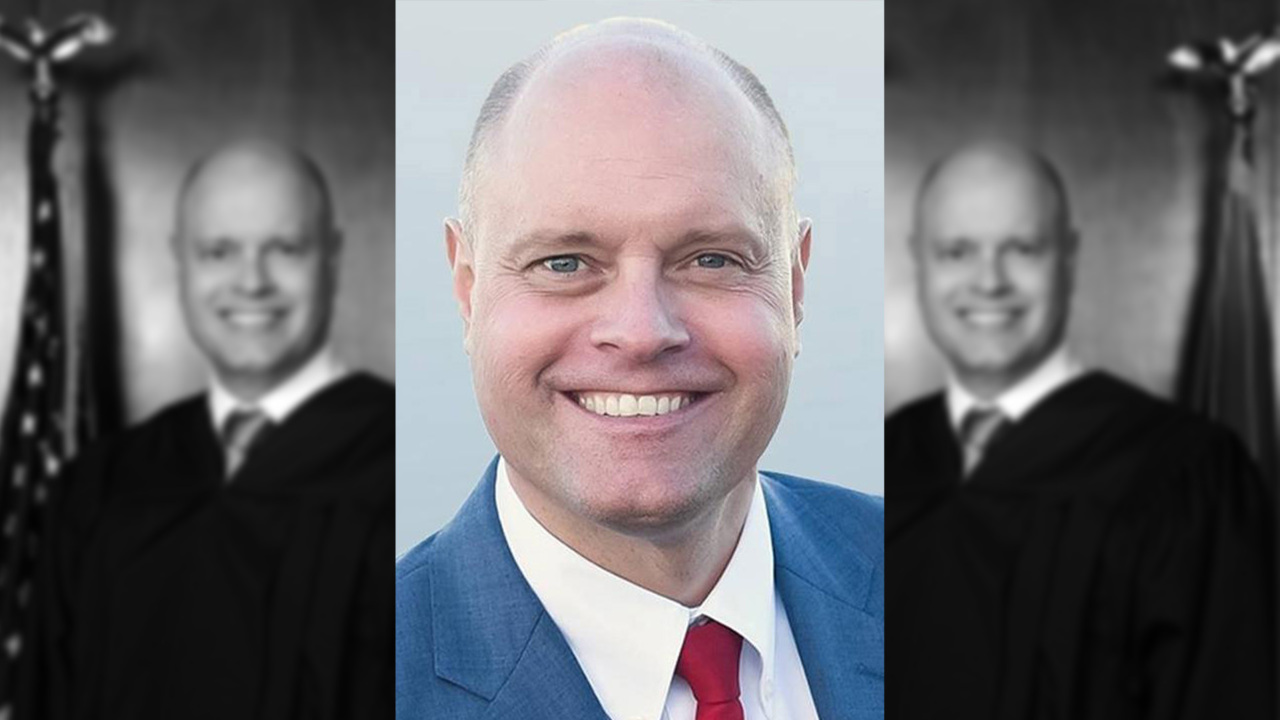
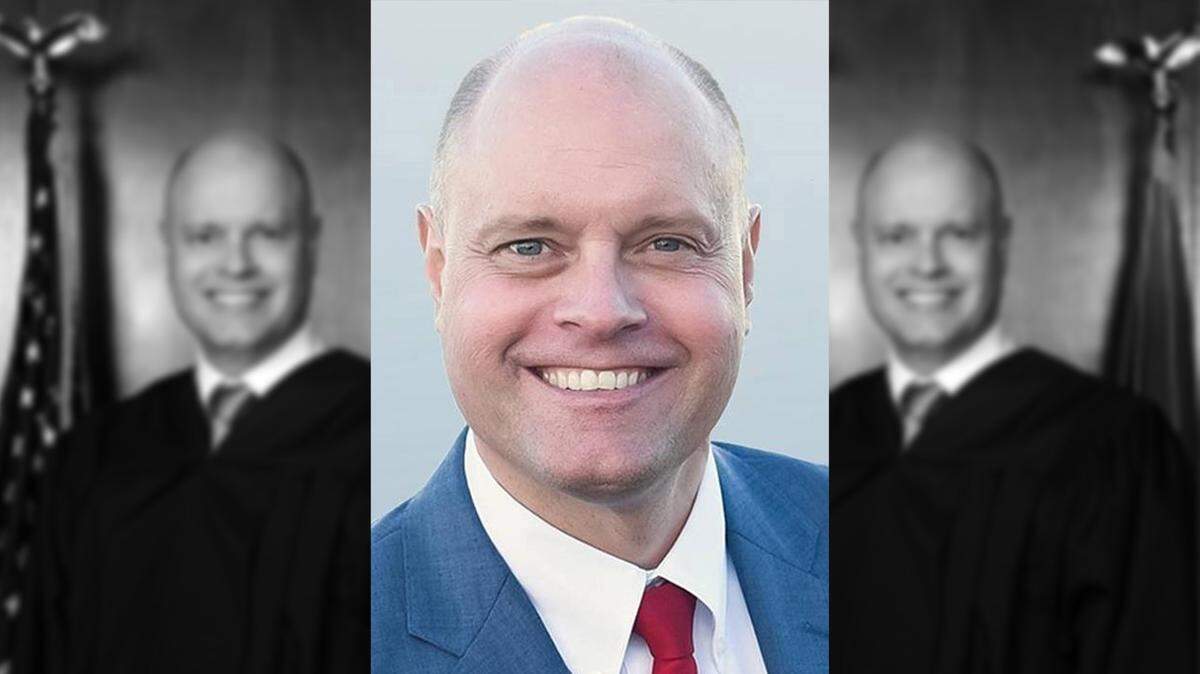
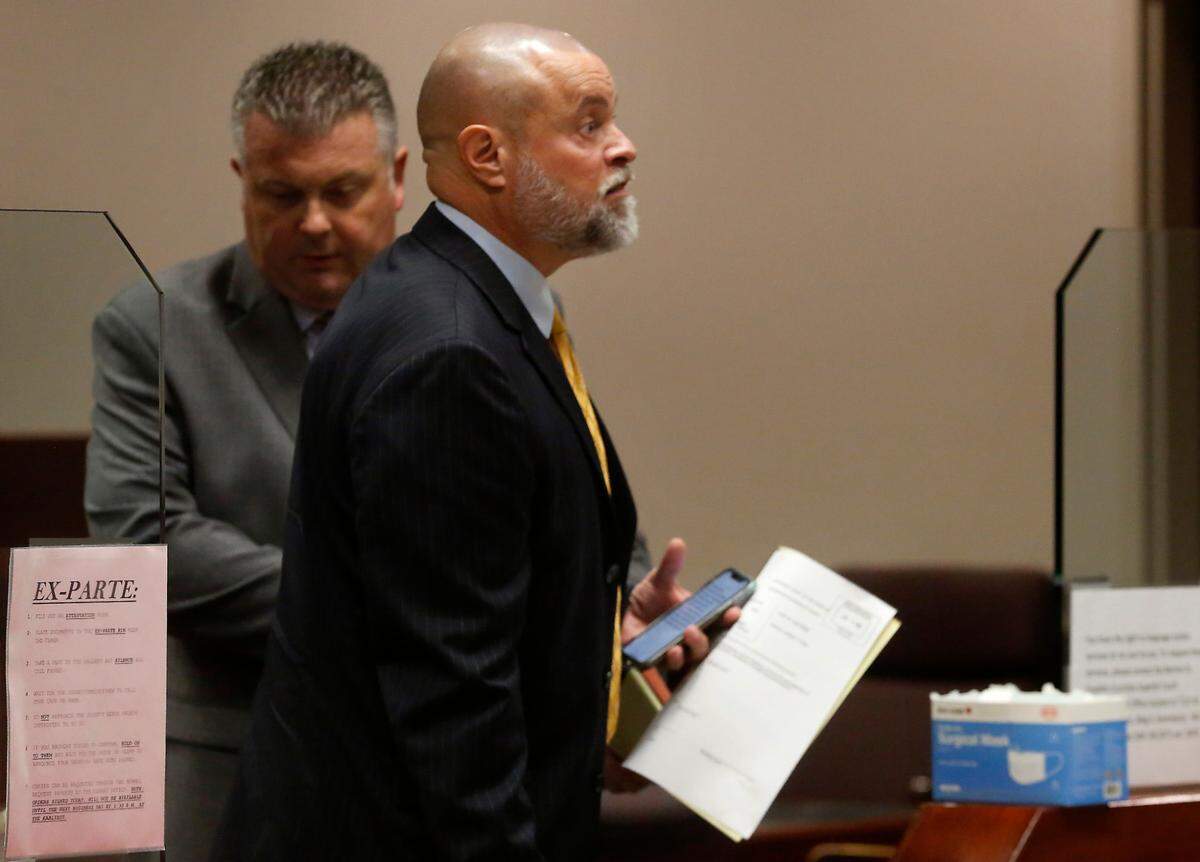
Superior Court Judge Sam Swanberg is accused of assaulting his ex-wife and harassing an ex-girlfriend. Check in with the Tri-City Herald as we report the latest on the story.
Expand All
A state commission says a Tri-Cities judge violated judicial conduct rules when he allegedly abused his now ex-wife and harassed an ex-girlfriend.
Washington’s Commission on Judicial Conduct claims Benton-Franklin Superior Court Judge Sam Swanberg’s actions violated three of the codes that guide the behavior of judges.
He’s accused of breaking the law, acting in a way that hurts the public’s trust in judges and using his office to advance his personal interests, according to the newly filed documents.
While Swanberg has not been convicted of any crimes, he could also break the law by violating the codes of judicial conduct.
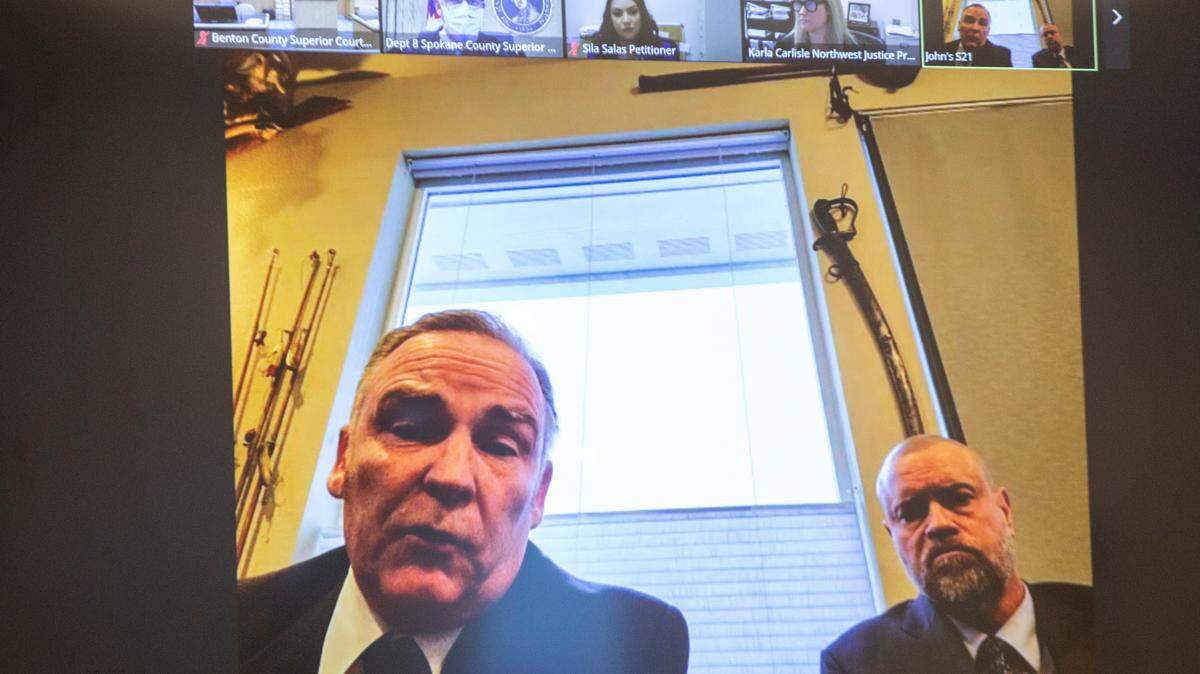
The judge’s troubles started in late 2021 when his ex-girlfriend, Sila Salas, asked for an anti-harassment order in Benton County to keep him from bothering her.
As part of that case, his ex-wife Stephanie Barnard, now a state Legislator, alleged she had suffered years of mental and physical abuse at his hands. They’d been married 33 years and have six children.
While Swanberg did not fight Salas’ anti-harassment order, he denied abusing Barnard.
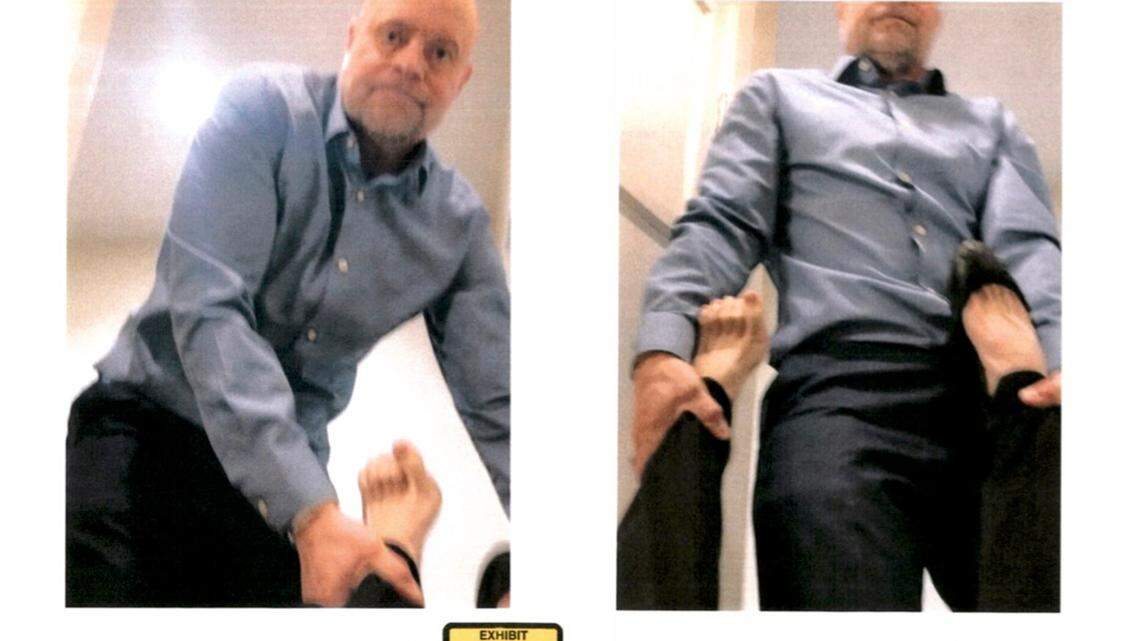
Her accusations led to a Franklin County sheriff’s investigation and two charges of fourth-degree assault with domestic violence allegations. He was acquitted of those charges following a short trial in 2022.
Swanberg alerted the commission in 2022 that he was the subject of an anti-harassment order, kicking off the commission investigation.
After conducting its own investigation and the conclusion of the criminal case, the commission started disciplinary proceedings. Swanberg was served with a statement of allegations in October 2022, and he responded the next month.
Nearly a year later, the commission found enough proof to level charges against Swanberg for violating the code of judicial conduct.
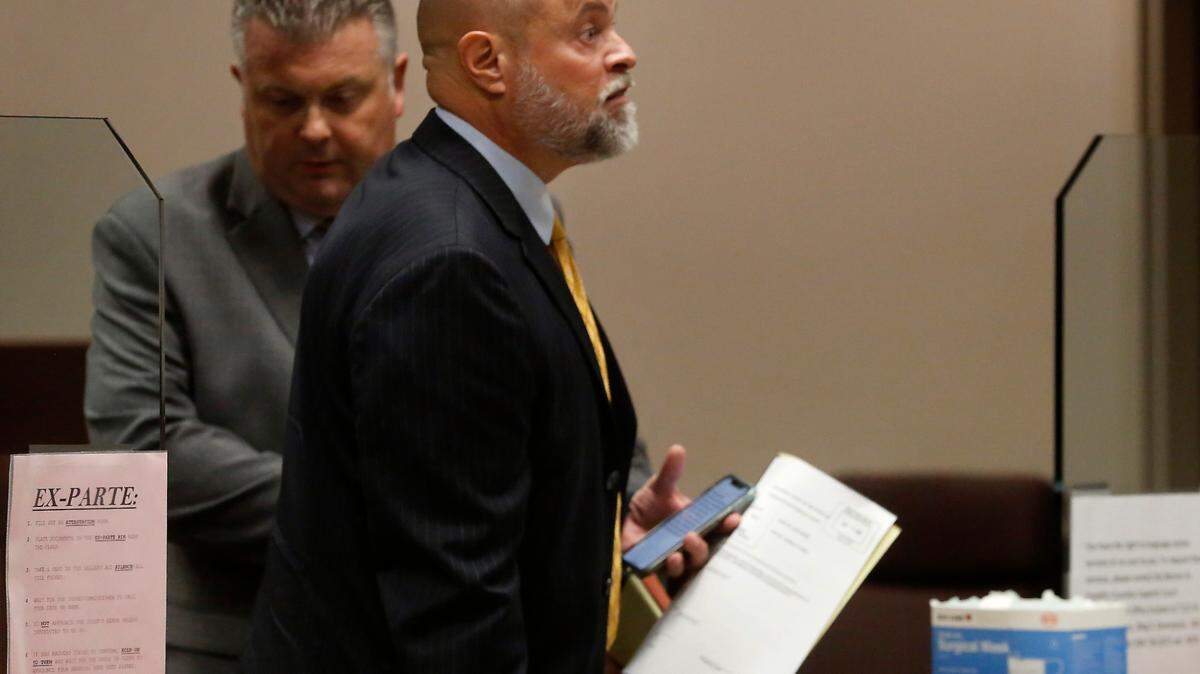
Swanberg’s attorney, Scott Johnson, maintains the charges are only allegations, noting the judge’s acquittal in Franklin County.
Johnson said they are working with the commission to resolve the charges.
“Judge Swanberg has been actively serving as a Superior Court judge in all facets of the court’s business,” Johnson said in written statement. “Criminal and civil attorneys have continued to want Judge Swanberg to hear their cases, as they value his experience, demeanor and knowledge on the bench.”
However, weeks after his acquittal, Franklin County prosecutors filed “affidavits of prejudice” paperwork in all of their child support and paternity cases to prevent Swanberg from making any rulings.
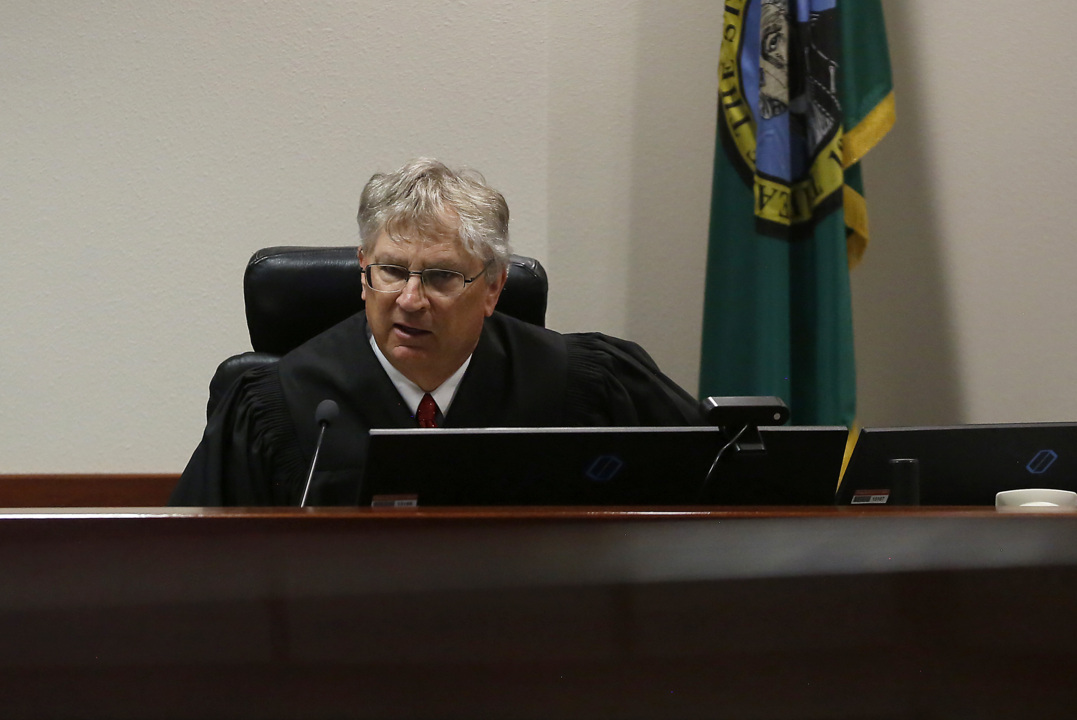
Swanberg intends to continue serving as one of seven Benton-Franklin Superior Court judges who handle civil and felony criminal cases, divorces, paternity and custody issues. He was appointed to the position in 2017 and is up for election in 2024.
Anti-harassment order
Swanberg’s legal issues started a few days before Christmas 2021 when a former court clerk asked for an anti-harassment protection order.
The two were in what Swanberg described as an exclusive and intense dating relationship for about five months
Salas, 26, claimed that in the month after their breakup, Swanberg, 57, continued to call, send messages, stop by her house or work, and even had his mother talk with her despite her insistence that they were no longer together.
She said it culminated in Swanberg confronting her while she was in her car in the parking lot of her workplace in Dec. 21, 2021, then walking through her office in an attempt to see her.
Salas got a temporary order against Swanberg the following day.
The judge’s attorney at the time told the Herald that Swanberg agreed to the order so that Salas would feel comfortable coming into work.
The one-year protection order expired on Jan. 6, 2023. It has not been renewed.
The commission is alleging that Swanberg violated the rules by harassing Salas, according to the charging document.
“Respondent engaged in repeated attempts to contact her and resume the relationship, despite her repeated and unambiguous requests to be left alone and for him to stop contacting her,” according to the statement of charges.
The Benton County Sheriff’s Office conducted an investigation involving Swanberg that was forwarded to the state Attorney General’s Office.
After reviewing the case, the Attorney General’s Office declined to file charges.
Abuse allegations
As part of Salas’ case, Barnard filed a sworn statement claiming she was the victim of a “decades-long pattern of ongoing physical and emotional abuse,” according to the commission’s statement.
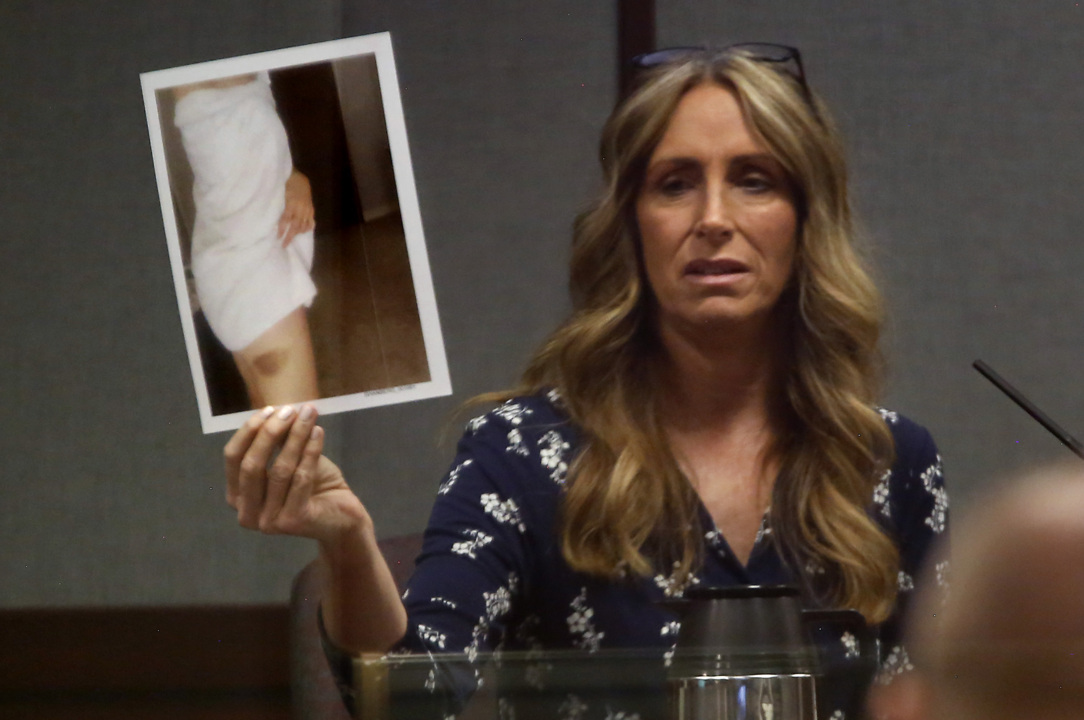
He was later charged in Franklin County with pushing Barnard down hard enough to leave a bruise in February 2021, and then dragging her out of a room by her legs during an argument the following day.

At the time of the confrontations, Barnard and Swanberg were staying in separate bedrooms in the same house as they worked through their divorce.
Swanberg testified that Barnard lashed out at him and his car in a series of confrontations, and he didn’t feel like he had any other option but to react how he did. And the jury agreed, finding he acted in self-defense.
While the judicial commission did not cite any specific accusations of abuse in the charges, it felt there was enough evidence showing that there was a pattern, according to the statement.
Levels of discipline
The 11-member commission includes attorneys, judges and members of the public appointed by the governor.
The commission’s investigation allows the judge to respond to the accusations. After that, the commission can decide whether there is enough proof to move forward with charges.
Swanberg has 21 days to answer the three charges. After that the commission can hold a hearing on the accusations.
It can decide whether to dismiss the charges or admonished, reprimanded or censured him.
The highest level of punishment — censure — can involve suspension or removal from the bench.
The Washington Supreme Court must sign off on the decision.
The judge and the commission also can work out an agreement on a level of punishment, which the Supreme Court also approves or rejects.
2nd judge censured
Earlier this month, the Supreme Court signed off on an agreement between a Benton County District Court judge and the Commission on Judicial Conduct.
Judge Terry Tanner was caught driving drunk twice in five years was allowed to stay on the bench — after a one month suspension.
The court’s decision came 11 months after Tanner was arrested in Richland with a blood-alcohol level at nearly three times the legal limit.
The agreement censured Tanner but allowed him to keep his elected job after the suspension that started Nov. 20.
In addition, Tanner is not allowed to consume alcohol until he leaves office, must submit to random drug screenings and won’t be allowed to handle any DUI cases.
This story was originally published November 29, 2023 at 5:00 AM.