Tri-Cities judge’s cases reassigned while domestic violence charges are pending
READ MORE
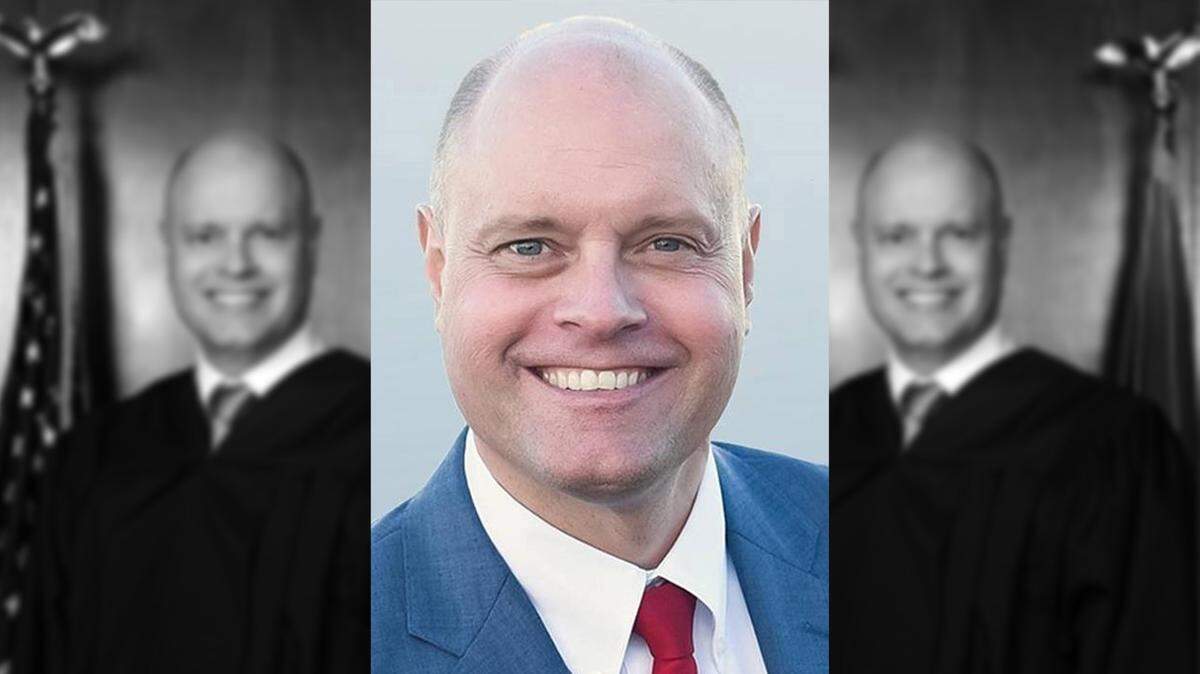
Accused Tri-Cities judge
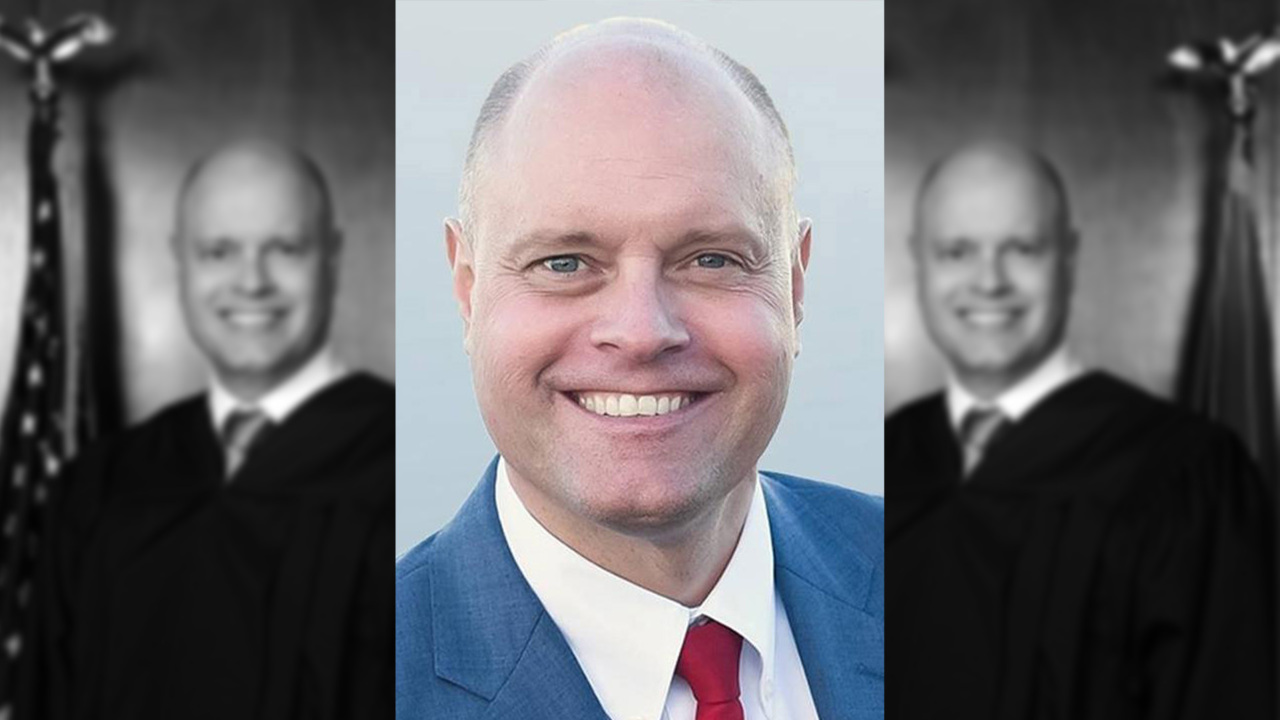
Superior Court Judge Sam Swanberg is accused of assaulting his ex-wife and harassing an ex-girlfriend. Check in with the Tri-City Herald as we report the latest on the story.
Expand All
An embattled Tri-Cities judge has been removed from presiding over Superior Court administrative issues and will not be assigned to any cases while he is under investigation for domestic violence.
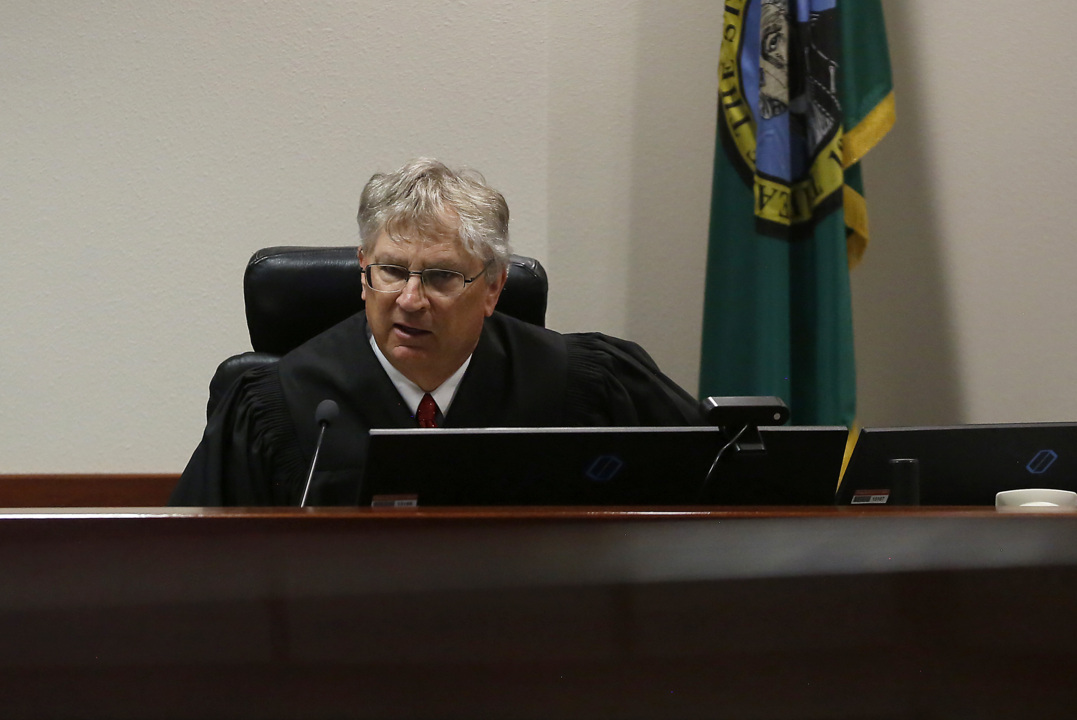
Six members of the seven-judge bench of the Benton-Franklin Superior Court voted unanimously Jan. 13 to remove Judge Sam Swanberg from his duties for the time being.
“Where the conduct of a judge, actual or alleged, raises a real and substantial question regarding the trust and confidence of the public, this bench has an obligation to act,” the court said in a statement sent to the media Tuesday afternoon that details its decision.
It’s unclear if Swanberg will be using either of his offices in Pasco or Kennewick in the interim. Judges Jackie Shea Brown and Jacqueline Stam told the Tri-City Herald on Tuesday they would not comment on that issue at this time.
In Washington state, the Supreme Court and Superior Court judges, as members of Courts of Record, are exempt from the state’s recall process. He is not up for election again until 2024.
Assault citation
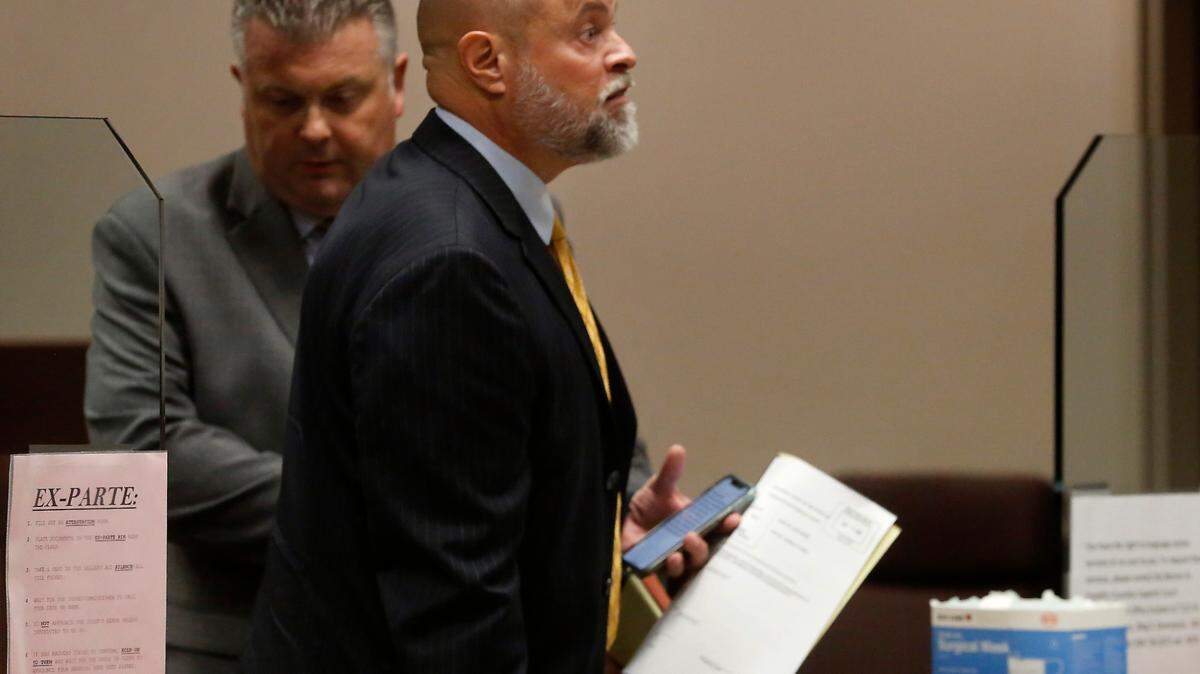
Swanberg was charged Tuesday in a citation by the Franklin County Sheriff’s Office with two counts of fourth-degree assault domestic violence in Franklin County.
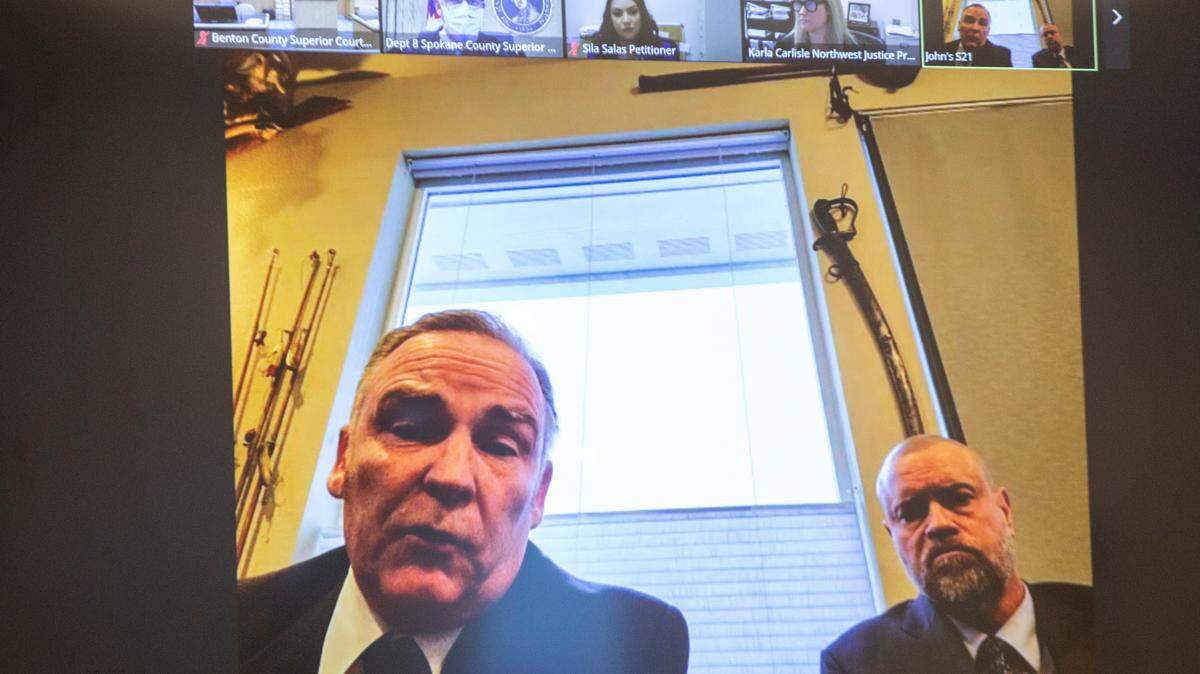
He is under a temporary no-contact order until a Feb. 8 hearing, where his attorney told the Herald he will enter a not guilty plea in Franklin County District Court.
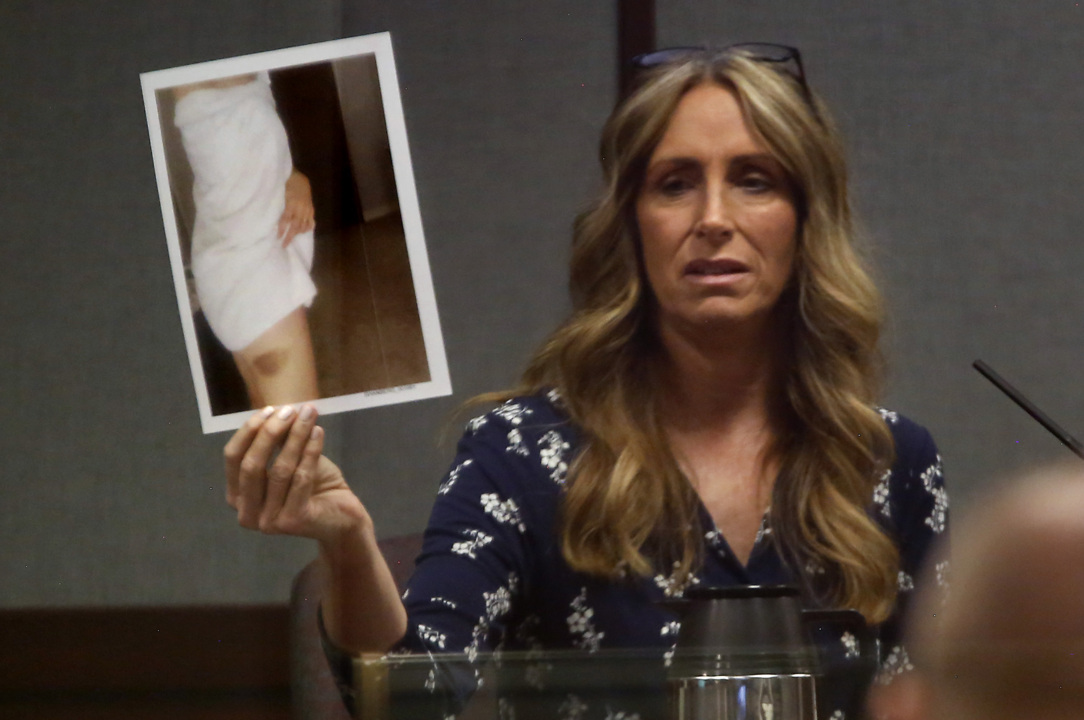
The assault charges stem from a statement from his ex-wife, Stephanie Barnard, in a harassment case brought by Sila Salas, who dated Swanberg for five months.
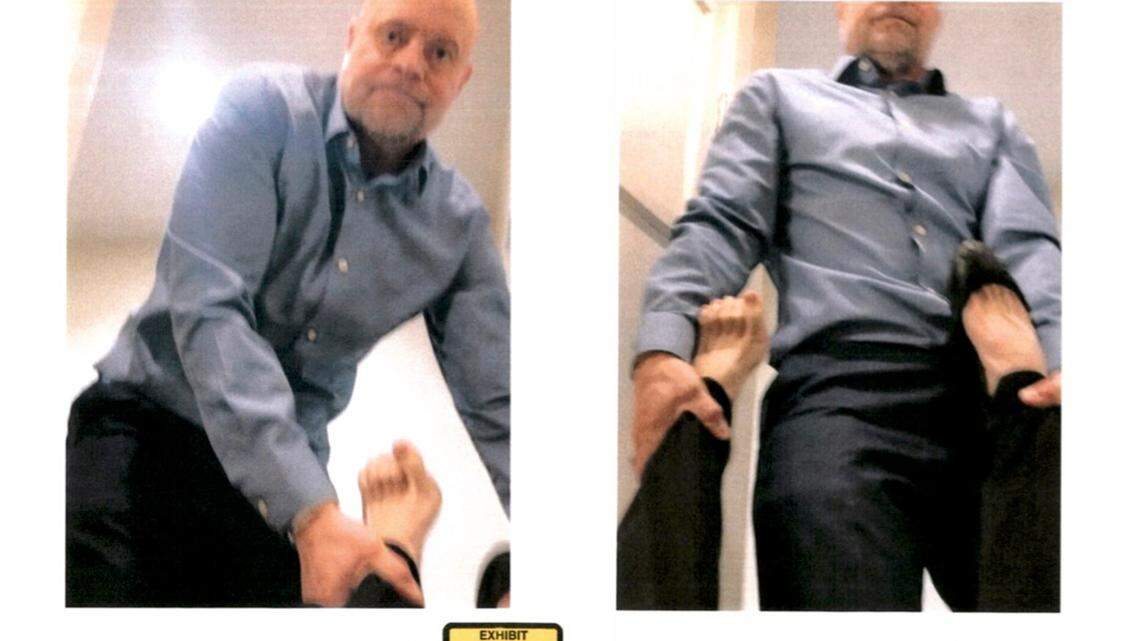
In the statement, Barnard attached pictures that appeared to show Swanberg dragging her by her ankles, and a bruise she claims came from Swanberg shoving her.

A 1-year no-contact order was issued this month in Benton County that bars Swanberg from coming within 25 feet of Salas’ workplace at the justice center. The Benton County Sheriff’s Office has forwarded its harassment investigation related to that case to an outside prosecutor for review.
In Franklin County, the sheriff’s department investigated Barnard’s allegations and issued the citation without involvement by Franklin County prosecutors.
Swanberg’s attorney Scott Johnson told the Herald that Swanberg absolutely disputes his ex-wife’s accounts and called the charges questionable.
Removal and restriction
Tuesday’s news release from the judges said Swanberg had been informed of the decision to remove him from the post as the presiding administrative judge and to restrict his assignments until further notice.
Swanberg will not be assigned to any matters, dockets, hearings, trials or any other court business at this time, said the release.
The judges said the decision is temporary and subject to ongoing review, pending receipt of additional information.
The release said that the Superior Court for Benton and Franklin counties has a duty to the public to ensure that all of its judges are fit to serve.
The judicial panel voted unanimously that Swanberg be removed for the remainder of this term as administrative presiding judge and replaced with Shea Brown until Dec. 31, 2022.
The presiding judge is elected by the rest of the bench to a two-year term and acts as a spokesperson for the court. They also supervise the judicial business of the court, direct the court administrator in implementing administrative and court policy and perform judicial and administrative duties.
Shea Brown was the assistant administrative president judge and those duties be taken over by Stam for the rest of the year.
In making its decision, the panel cited the Code of Judicial Conduct, which states that each judge “shall uphold and promote the independence, integrity and impartiality of the judiciary, and shall avoid impropriety and the appearance of impropriety.”
They also pointed to a portion of the code that deals with erosion of public confidence caused by improper conduct and a judge’s obligation to “respect and honor the judicial office as a public trust and strive to maintain and enhance confidence in the legal system.”
This story was originally published January 18, 2022 at 5:42 PM.