
Exclusive: No charges to be filed in Kennewick police shooting of Gordon Whitaker
Gordon L. Whitaker dropped by a friend’s home late one Sunday night last winter and asked the man if he wanted to go to the store.
Whitaker, 45, had some scratch-off lottery tickets he needed to cash in, his friend Logan Nichols later recounted for police in newly released documents obtained by the Tri-City Herald under the state Public Records Act.
The two were walking below the Columbia River embankment behind a gas station, not far from downtown Kennewick, when Nichols spotted a police car.
Kennewick officers had been conducting extra patrols that night near Columbia Park Trail and Fruitland Street, trying to find three missing teens.
Whitaker and Nichols reportedly caught the attention of two officers because they were walking along the fence line and periodically shining a flashlight through the fence at closed businesses.
Officers Dylan Markley and Zach Moore stopped to talk with the men for trespassing in the park after sunset.
Minutes later, Whitaker was dead. The West Richland father of eight was shot five to six times by Markley, a rookie officer.
A Smith & Wesson 9mm pistol was found about a foot or two away from Whitaker’s left hand. The magazine was loaded but there was no cartridge in the chamber of the pistol, the investigative report said.
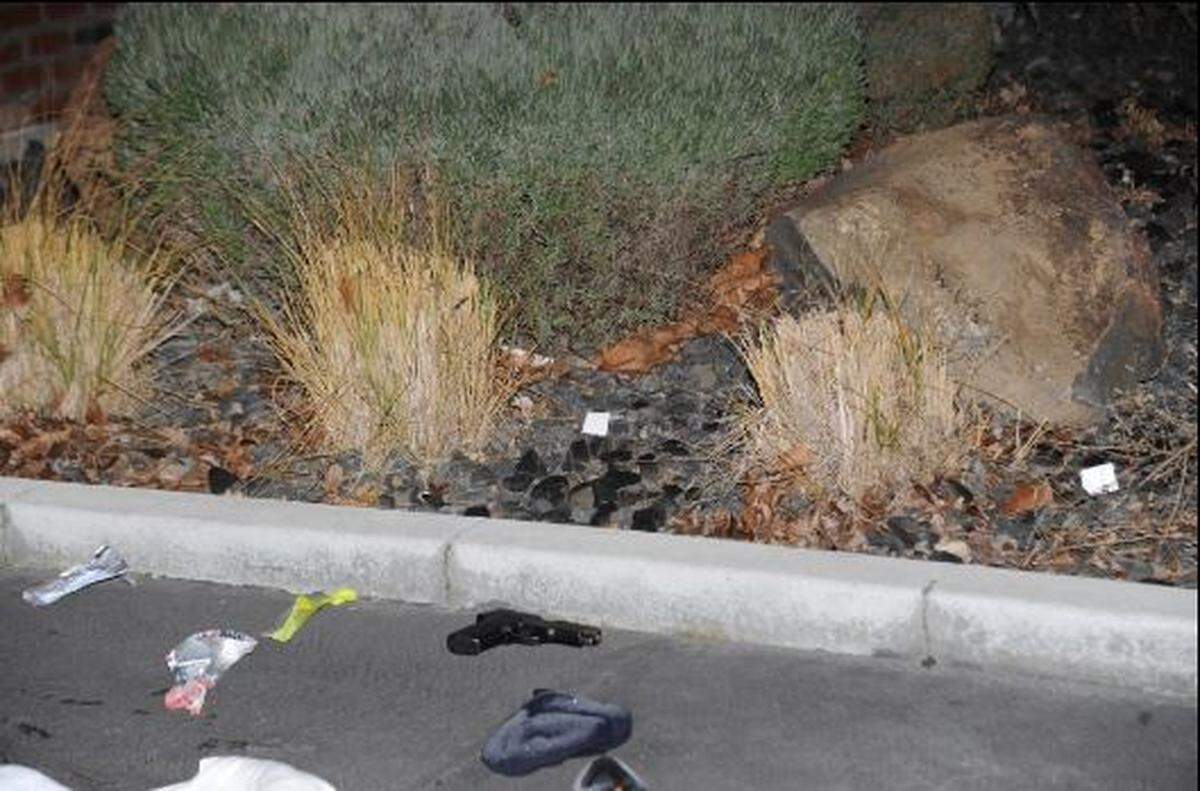
Few details of what happened just before midnight on Feb. 9 — including who Whitaker was with or why they were talking with officers — have been released by police in the past six months.
This week, Benton County Prosecutor Andy Miller concluded that Markley’s actions were appropriate under the state law dealing with use of deadly force by a police officer.
“Under all of the circumstances known to Officer Markley, he had a good faith belief that the use of deadly force was necessary to prevent death or serious physical harm to Officer (Becca) Henry,” Miller wrote Thursday in an eight-page letter to Richland police Capt. Brigit Clary, who took over leading the independent investigative team at the start of July.
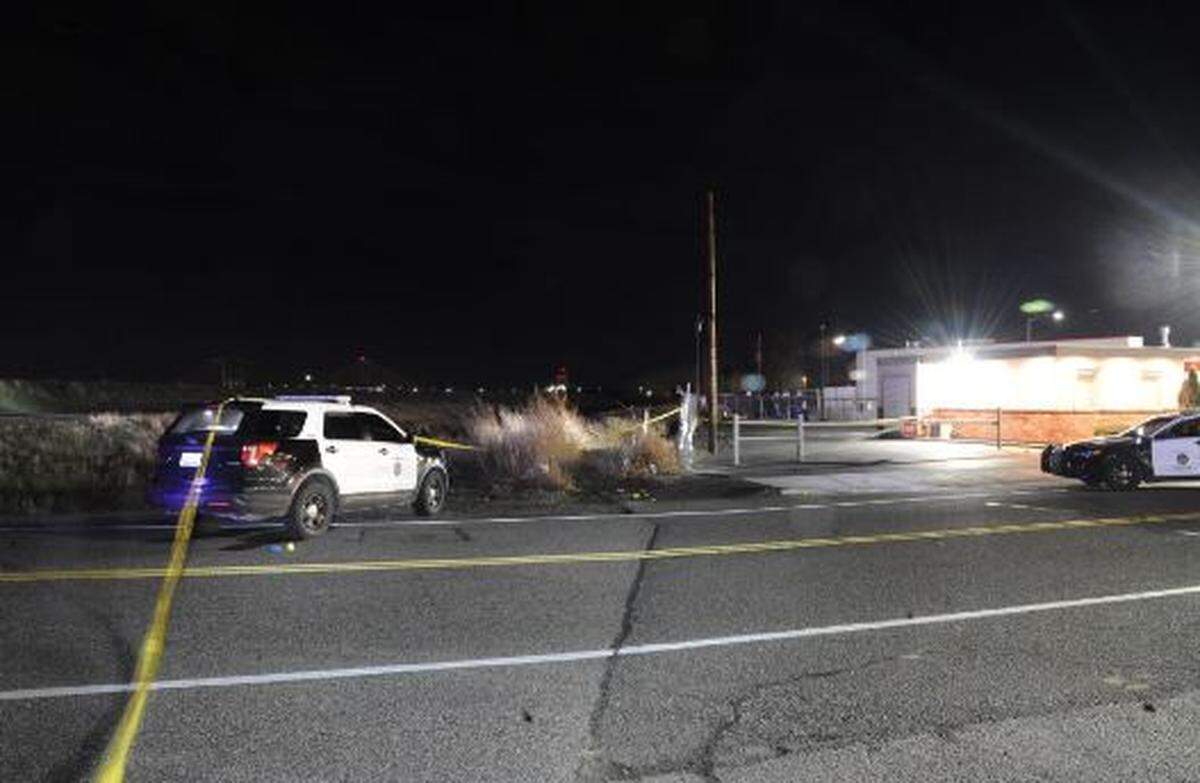
Since Miller found that Markley was justified in the shooting, the Kennewick officer will not face criminal charges for Whitaker’s death.
The decision has yet to be released publicly. A copy of the letter was obtained by the Herald on Friday evening.
The regional Special Investigations Unit, or SIU, turned over its final report last month to the Benton County Prosecutor’s Office for review.
The Herald requested a copy of that report, and this week received the first installment, 430 pages, including 176 photos. The entire investigative document is 2,888 pages.
BLM protests
A Change.org petition created in June has drawn more than 24,600 online signatures calling for the three Kennewick officers involved to be fired.
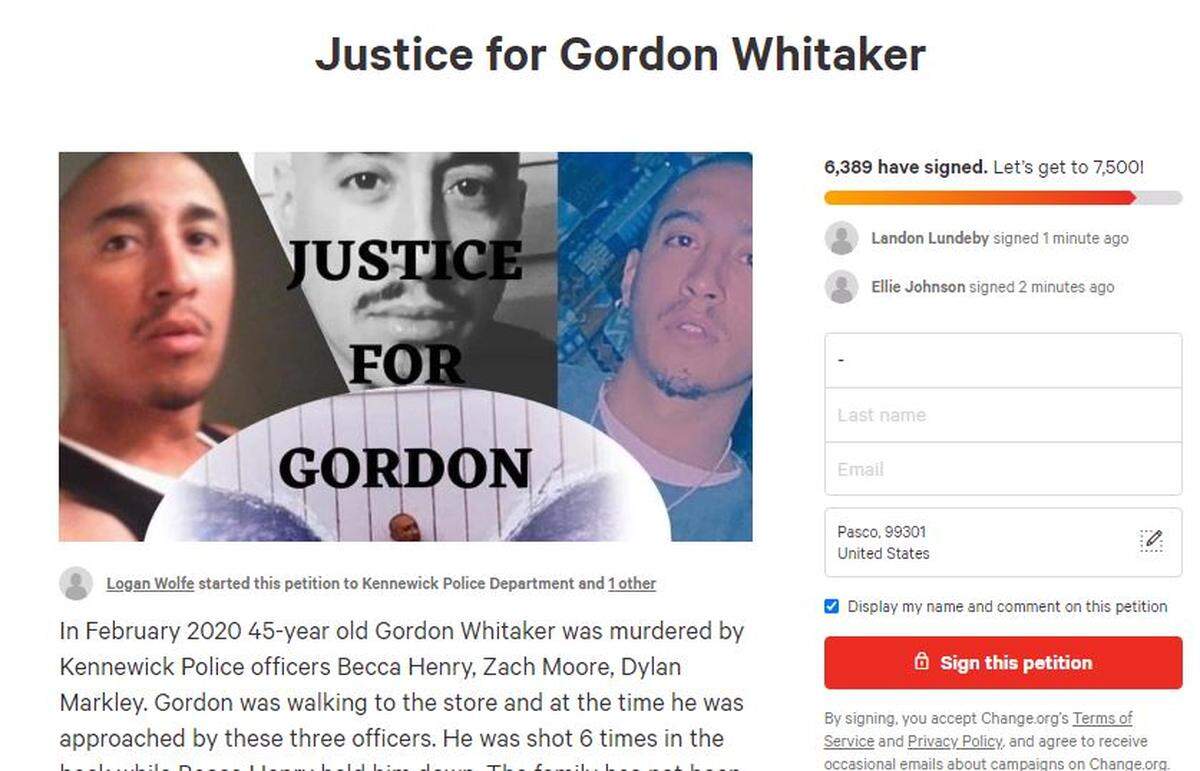
And Whitaker’s friends and family, along with Black Lives Matter supporters, have taken to protesting outside the Kennewick Police Department in search of answers and justice.
Officers Markley, Moore and Henry all told investigators that Whitaker kept trying to put his hands in his jacket pocket and appeared fidgety when they were talking with him and Nichols.
Whitaker had told them his name was “John Stormen” and gave an incorrect birth date, the report says. He jumped up and tried to run when told he was going to be arrested until they could confirm his identity.
Henry caught up to Whitaker and “bear hugged” him from behind as she forced him to the ground.
Henry later said she rolled on top of Whitaker and was trying to gain control when she heard “loud pops.”
Only Markley reported seeing a gun come out of Whitaker’s pocket.
He said he fired when Whitaker started to turn the gun on Henry, but later acknowledged he only shouted “gun” for his colleagues after the shooting, the report said.
“What the f—- are you doing?” Henry recalled screaming at Markley.
Moore, who had been acting as police training officer since Markley was a new officer, said he too yelled, “What’s going on?” or “What are you doing?”
He had been talking with Nichols a short distance away while Henry and Markley were handling Whitaker.
Moore told investigators that based on the location and proximity of the gun to Whitaker, he believed Whitaker had been holding it with his left hand and dropped it as he rolled onto his back after being shot.
Nichols, who later told investigators he had known Whitaker a brief time, said he did not know his “buddy” had a gun on him but saw him reaching for it as he started running. He also said he “did not know why they shot him,” and became emotional during his interview.
DNA taken from three different locations on the gun — the muzzle, the exterior excluding the muzzle, and the magazine and cartridges — was linked to Whitaker, the report says.
Prosecutor decision
Miller wrote in his letter that his role is solely to decide whether to file criminal charges.
Markley had “good reason to believe his use of force was needed to protect” his fellow officer based on evidence that Whitaker had a motive to flee and resist arrest, the fact that he did try to run, and that he possessed a gun and drew it out of his jacket pocket while struggling with Officer Henry, said Miller.
Multiple wounds from the bullets were found during the autopsy. Miller said the fact they are in different locations — under his chin, his mid-abdomen, right forearm, chest, side and back — is consistent with officer descriptions that he was moving at the time he was shot.
The magazine on Markley’s service gun holds 15 rounds. SIU investigators found one round in the chamber and nine in the magazine. That means he fired either five or six times at Whitaker, depending on whether he had a round in the chamber and 15 in the magazine at the start of his shift.
The prosecutor addressed the question of why Whitaker would attempt to flee and draw his handgun on a police officer.
“Part of the answer may be that his judgment was impaired by the amphetamine and methamphetamine that were found in his system by toxicology testing,” Miller wrote. “Another part of the reason may have been the existence of two active warrants for him at the time.”
Miller also noted that it’s highly likely Whitaker knew he was wanted as a suspect in a January home invasion in Richland, particularly since his girlfriend and co-defendant already was sitting in jail with charges on the case.
But Miller added that while he brought up the home invasion case in his letter, it was only to discuss a motive or explanation for Whitaker’s attempt to flee that night in early February.
Family suffering
“It is not intended to lessen the value of Mr. Whitaker’s life,” he wrote. “I know from meeting with Mr. Whitaker’s family that he was loved and valued by them, and they continue to suffer from his loss.”
He said during two meetings with members of Whitaker’s family, they expressed skepticism that he could have ran away considering he had a leg injury.
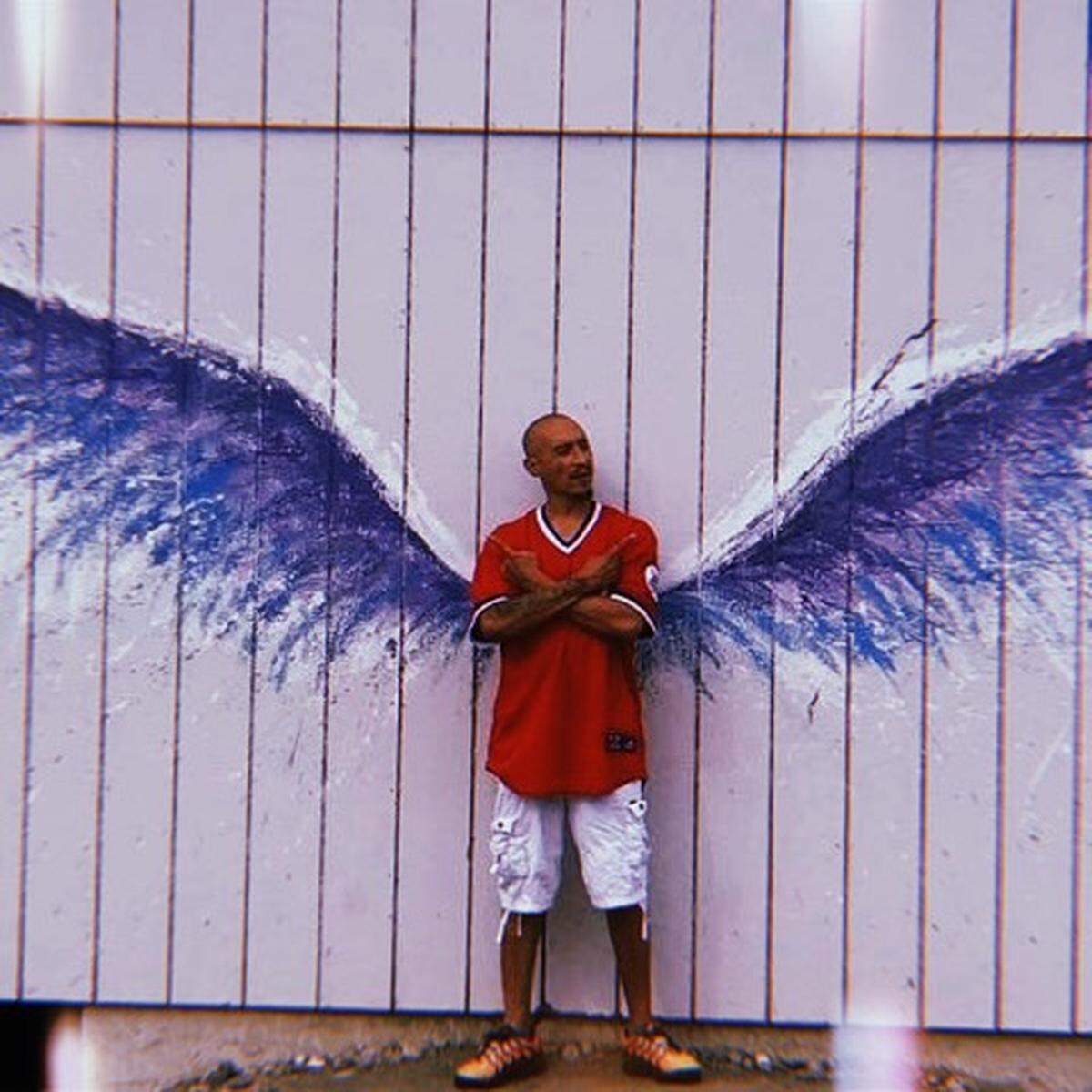
But Whitaker only “ran” a few feet before Henry caught up to him, indicating he did not run fast or far, said MIller.
Investigators pulled security video from nearby businesses and determined that about seven seconds passed from the time Whitaker ran away as they were trying to handcuff him, until the last shot was fired.
Whitaker and Nichols were just a few blocks from the 21-year-old Nichols’ home on West Klamath Avenue.
Miller said that in deciding whether Markley’s actions were appropriate under the law, he does not have to “resolve the legal issues surround the arrest” of Whitaker.
“There certainly was reasonable suspicion to contact Mr. Whitaker and Mr. Nichols, as they were behind a fence in an area of a closed business at 11:45 p.m. with a flashlight,” Miller wrote. “When contacted, Mr. Whitaker and Mr. Nichols not only had the flashlight, but also had a 12-inch metal file.”
At the time of the shooting, Henry had been with the department the longest as a 10-year veteran.
Moore joined Kennewick three years earlier after a four-year stint with the Washington state Department of Corrections. He is the department’s use-of-force training instructor.
Markley was hired in July 2019 and graduated from the Washington State Basic Law Enforcement Academy shortly before the shooting.
He previously served in the Army as a medic and worked for Hanford Patrol.
Special Investigations Unit
This was the region’s first SIU case under the state’s new criteria for independent investigations into police use of deadly force. Initiative 940 was passed in 2018 and took effect at the start of 2020.
The Tri-Cities has had a Special Investigations Unit in place for a decade, but some changes had to be made under the new rules and policies.
Miller said previously, the involved agency’s command staff was allowed to attend SIU briefings.
Kennewick’s command staff showed up for the first briefing in the Whitaker case, only to be told that limited information is allowed to be shared with the involved agency under I-940’s changes. They understood and did not participate in the briefing, said Miller.
Another past practice was to allow a representative from the involved agency to watch the interviews of the involved officers. Then, once the SIU interviews were done, the representative would typically hold its own interview as part of the agency’s internal investigation.
The Washington Administrative Code now prohibits that practice, yet it was still used in this case, he said. A Kennewick police representative was allowed to watch the interviews of Markley, Moore and Henry.
“I do not remember being consulted about this at the time,” said Miller. “There has been spirited debate about this practice among the Prosecutors, Sheriffs and Chiefs in the three counties, and I have advised that I will not sign any agreement that incorporates the past practice that is prohibited.”
“I am hoping that this issue will be resolved in the near future, and I understand that a meeting to further discuss this is being set up for local Chiefs, Sheriffs and Prosecutors,” he added.
Miller wrote that he has seen no evidence that Kennewick used any of the information from those observed interviews to affect the SIU investigation, but he did find it was a violation of state code.
Public representative
Leo Perales of Kennewick was one of the two appointed community representatives.
He issued a statement following Miller’s decision, expressing his condolences and prayers to the Whitaker family and his support to “the officers involved in this traumatic, life-altering event.”
“This investigation was transparent, professional, and handled with care to ensure undue influence and conflicts,” said Perales. “These incidents are difficult for both sides and I hope that as a community we can see both sides come together rather than divide. Trust between community and law enforcement is needed now more than ever if we are to get through this tragic event.”
However, he also said it is appropriate to get more answers from local government and those who police our community. “Improvements can be made,” he said.
“The investigation team brought transparency, integrity and objectivity to this investigation from start to finish,” said Perales. “The final report will demonstrate the expectations we put on those sworn to protect us while ensuring the value of accountability.”
This story was originally published August 21, 2020 at 7:03 PM.