
They wanted to have sex with teen girls. 1 blamed it on hormones, the other on curiosity

A 26-year-old Kennewick man who wanted to have a threesome with two teen girls last summer claims it would have been a one-time thing for him.
Kyle R. Sickels told a community corrections officer that if he hadn’t been caught in an online child sex sting, he “would have never participated in any act like that again.”
“When asked why, he stated, ‘It was just so out of character for me. I could never see myself doing it.’”
Sickels — one of 26 men nabbed during the Tri-Cities Net Nanny Operation — feels he was coerced to make it happen, even after he tried to end the conversation with the undercover officer.
However, Sickels later took responsibility for his actions, saying he was frustrated with work, let his hormones get in the way and just wanted to relieve stress, according to a presentencing report.
Sickels, and fellow child predator Jesus G. Contreras Salgado, both received nearly five-year sentences during recent hearings in Benton County Superior Court.
The prison term is the mandatory minimum they must serve before a state board will decide if they’re ready to be released.
Both men earlier entered guilty pleas to attempted second-degree rape of a child, which carries a life sentence.
Contreras Salgado, 30, exchanged numerous text messages with someone he believed to be a 13-year-old girl, then made the 2-hour drive from Tieton. He brought condoms to the Richland apartment so she wouldn’t get pregnant.
“All of my family is aware of my situation. I have family, nieces and nephews, and before this problem they love me and I love them,” Contreras Salgado said at sentencing through a Spanish-speaking interpreter. “I would never want to happen to them like what was going to happen.”
Lawyer Victor Lara said he is “probably 100 percent certain” that Contreras Salgado will be deported to his native Mexico once he has completed his sentence. All of his immediate relatives live in the United States, Lara said.
He entered the U.S. as a young teen, first living in Georgia before moving to Washington state in 2009 for work.
He told a community corrections officer before sentencing that he questioned if it really was a 13-year-old girl sending him texts, but he had to find out for himself.
“I’m sorry that I even went there to confirm it,” Contreras Salgado said, according to his presentencing report. “I just wasn’t thinking about the consequence at the time.”
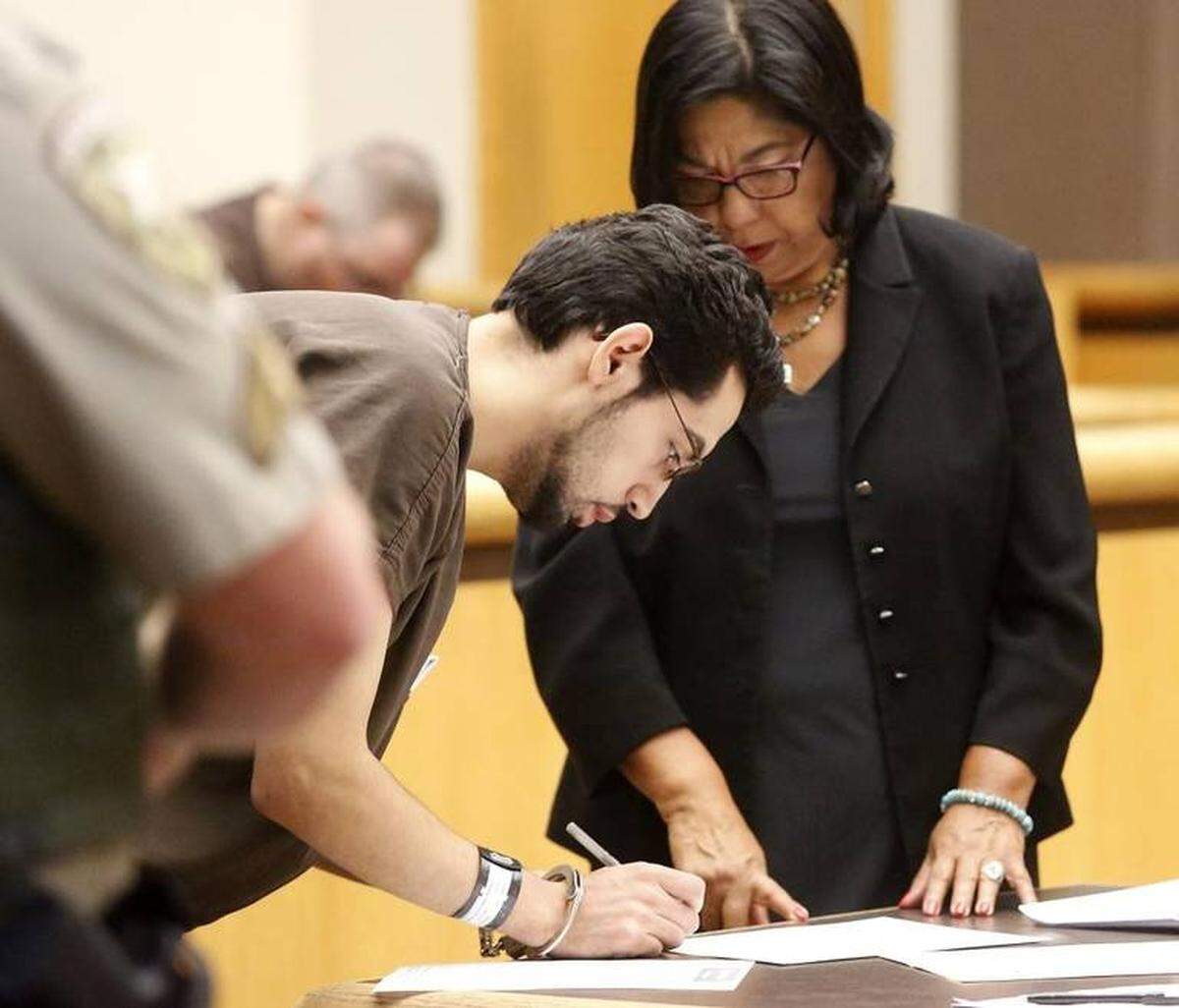
During a five-day period in July 2017, federal, state and local law enforcement targeted online predators who used various websites in an effort to have sex with children.
Undercover officers either answered advertisements that already existed online or posted new ones claiming to be kids as young as 11 or parents who were offering their children for sex.
A handful of defendants have pleaded guilty or been convicted by a jury.
Sickels answered an ad for a 13-year-old girl looking for an “older daddy,” saying he wanted to have sex with the girl and her friend, and then watch the two of them together, court documents said. He brought alcohol to the meet-up.
Deputy Prosecutor Diana Ruff said Sickels still blames law enforcement for being caught, instead of the fact he “truly did intend to have sex with two 13-year-olds.”
“If he continues in this mindset that he’s the victim, that he was entrapped, that the government’s sting operation ensnared him ... and made him do something that he didn’t really want to do,” Sickels could be spending a lot more time behind bars, she said. “His family is not taking it seriously, and he is not necessarily taking it seriously.”
Defense attorney Matt Rutt argued that on the day of his arrest, before Sickels learned it was a sting operation and there were no live teen victims, his client wrote a letter apologizing to the two girls.
“He has deep remorse about what has happened. He doesn’t blame anybody except himself,” Rutt said, adding that Sickels saved prosecutors from going to trial with his guilty plea.
Sickels reiterated that he feels remorse for what he did.
“I feel like I am going to try to do my best to better myself through the time that I am spending (in prison),” he said in court.
Sickels also told a community corrections officer that he doesn’t want to let this conviction define him for the rest of his life, though he is aware there will be challenges, including sex-offender registration for the rest of his life.
Judge Sam Swanberg said the letter Sickels wrote after his arrest and his recent statements don’t match up, and that may be a failure of Sickels to process it all yet.
“The fact there wasn’t really 13-year-olds doesn’t mitigate the fact that you indicated a willingness and a desire to engage 13-year-olds in sexual acts ...,” the judge said.
“In the letter you blame it on your hormones, but anybody that is looking at this with any sense of reality of the situation would never point to hormones to say why a person of your age was seeking to have sex with a 13-year-old.”