6-month block ordered on new sex offender homes in Kennewick. What now?
AI-generated summary reviewed by our newsroom.
- Kennewick approved a six-month moratorium on new housing for sexually violent predators.
- The block follows opposition that halted a planned LRA at Edison and 8th Avenue.
- The moratorium ends automatically when the council passes zoning regulations.
Kennewick City Council approved on Tuesday an emergency six-month suspension on any new housing projects for sexually violent predators as it seeks to clarify what regulatory powers and zoning authority it has to safeguard the public.
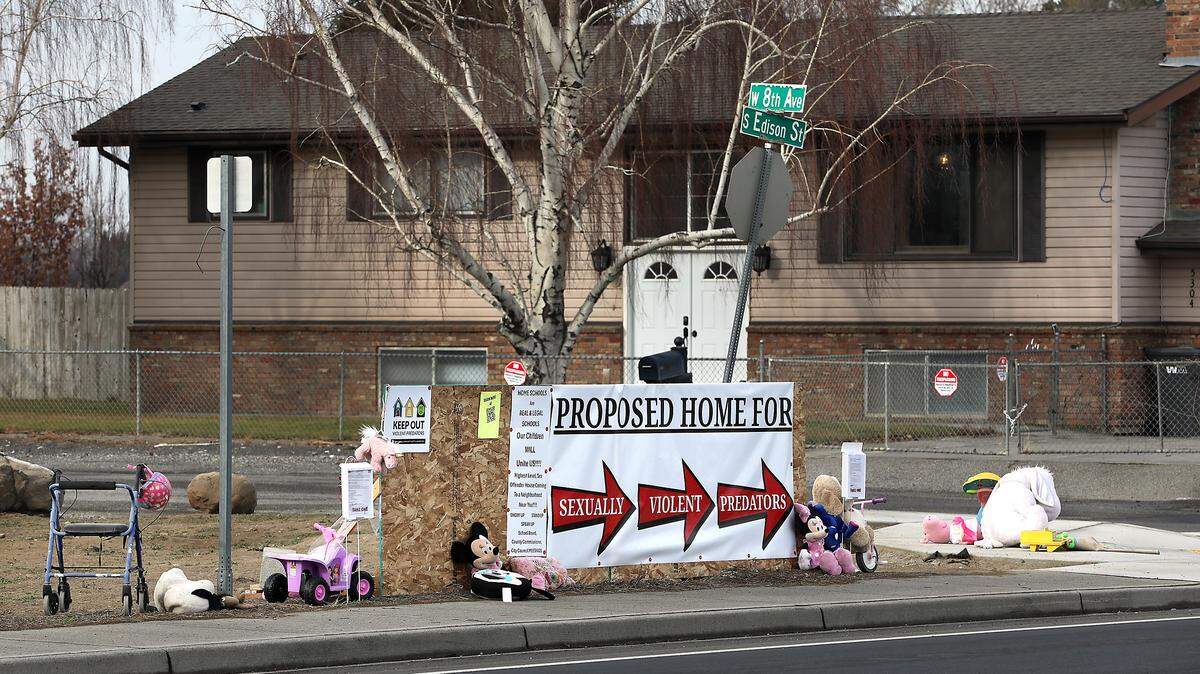
The moratorium comes after widespread community opposition that forced operators to pull out earlier this year from opening a “Less Restrictive Alternative” home at Edison Street and 8th Avenue.
Kennewick is now the third community in the Tri-Cities to have passed a temporary hold on these types of facilities.
Pasco City Council in February approved a six-month block on Secure Community Transition Facilities, which is set to expire Aug. 17. Richland enacted a similar one on March 3.
The vote by Kennewick’s council was unanimous, 6-0. Councilman Brad Beauchamp was absent from the meeting.
Mayor Jason McShane said it wouldn’t surprise him if the city extended the hold another six months to continue studying the complex topic, which has puzzled community members, council members and staff alike.
Cities broadly do not have much power to restrict or discriminate against transitionary and alternate sex offender housing, which undergo regulations and contracting through the state Department of Social and Health Services. The state also does not notify individual cities or municipalities of when Less Restrict Alternative houses open in their communities.
McShane on Tuesday night again called for more transparency from Washington state officials when it comes to making these decisions.
“I think it’s really important that we do this right, and not have to do this over,” he said.

Secure Community Transition Facilities are state-run or state-contracted facilities that provide on-site supervision, security measures and treatment services.
Community housing, such as Less Restrictive Alternatives, are operated by private providers and considered a less restrictive option, with less state-mandated security and supervision.
The individuals who live at these facilities are convicted sexually violent predators, identified as most likely to re-offend, who have been treated and reside at McNeil Island Special Commitment Center.
Kennewick city staff have invested substantial time and effort to better understand their options around the facilities.
They reviewed state statutes, studied how other municipalities have regulated them, and briefly considered regulation through a conditional use permitting process.
Staff also determined there were inconsistencies in the city‘s comprehensive plan and city codes around “essential public facilities,” which Secure Community Transitional Facilities fall under, said Deputy City Manager Lisa Beaton.
The moratorium will automatically expire after the city council passes zoning regulations that govern the siting of the facilities. The city would need “pretty good justification” to extend the moratorium beyond a year, Beaton said.
“I want to make sure that we do everything we can to make it absolutely safe for our community,” said Councilman Brad Klippert. “Some level of safety is not enough for me. So, I don’t care how many moratoriums it takes, to stack on top of the others, until we get it right and inform the state of Washington that our community safety takes a higher priority than their Less Restrictive Alternatives for sexually violent predators.”
Questions over frontage improvements
The plan to turn 5304 W. 8th Ave. into a Less Restrictive Alternative facility was stopped after Kennewick residents Tony and Karen Sabino bought the four-bedroom home in March for $590,0000 from the Bellevue-area owners.
The Sabinos were lauded as heroes by neighbors and a community group in opposition to the plan, Save Our Children Tri-Cities. The plan has been to fix it up and sell it to a family.
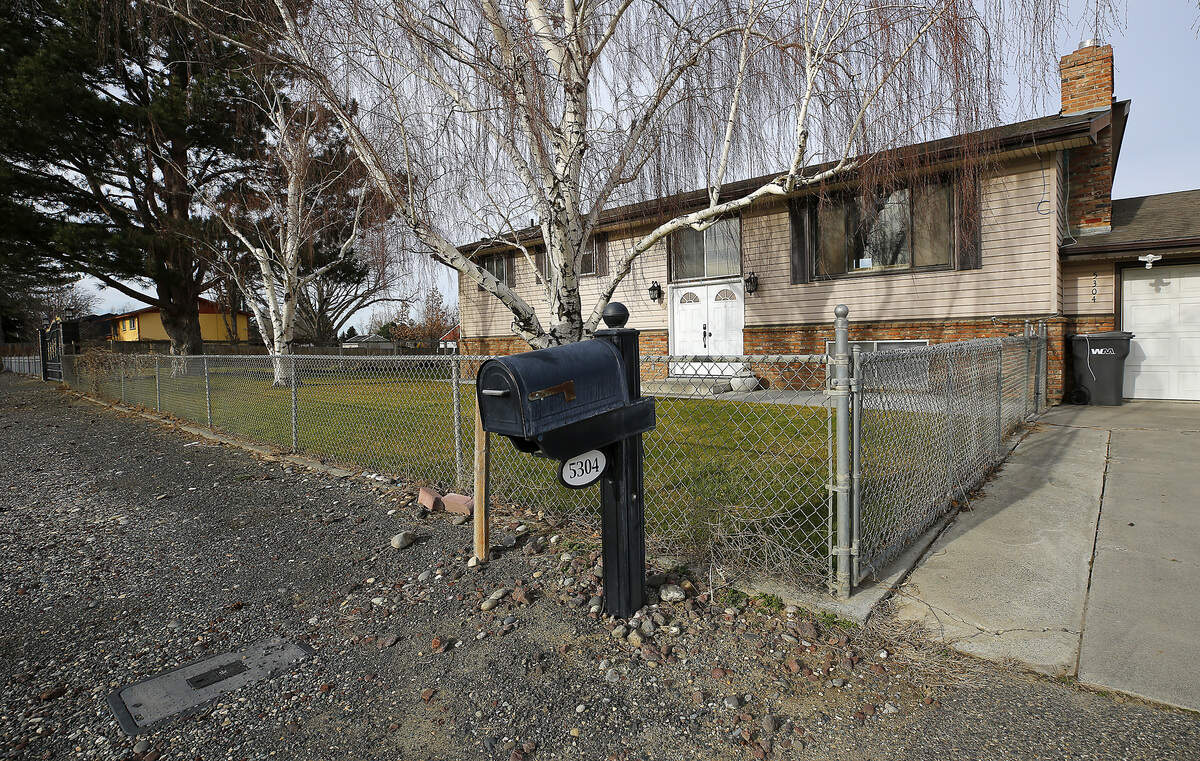
As part of the effort, the family also planned to subdivide the 1.3-acre lot to dissuade future LRAs and transitionary sex offender programs from trying to occupy it. But the city is asking for tens of thousands of dollars in frontage and infrastructure improvements before that can happen.
Tony Sabino and several other supporters spoke out at the Tuesday meeting and asked for the city to waive requirements to install sidewalks, curbs, gutters and a new $20,000 fire hydrant, calling the requests unreasonable.
They said they want to preserve the nature of the neighborhood, and also pointed to a hydrant that was 85 feet from the home and across Edison Street.
“I, quite frankly, was surprised and in a way I feel I’m being discriminated against for doing this,” Sabino said. “I think part of what they’re saying is, well, you’re closest to Edison, so we can start with you and make everybody else (cover improvements).”
He asked the city to reconsider its curb and sidewalk improvements and pick up the cost for a new hydrant so that he could pick up the rest of the projects.