
What to know about planned Tri-Cities home for ‘sexually violent predators’
AI-generated summary reviewed by our newsroom.
- Planned Kennewick sex offender home sparks public meeting Monday.
- Operator Joe Field seeks DSHS contract, facility would house McNeil Island residents.
- State law sets commitment, treatment, reporting and local placement review processes.
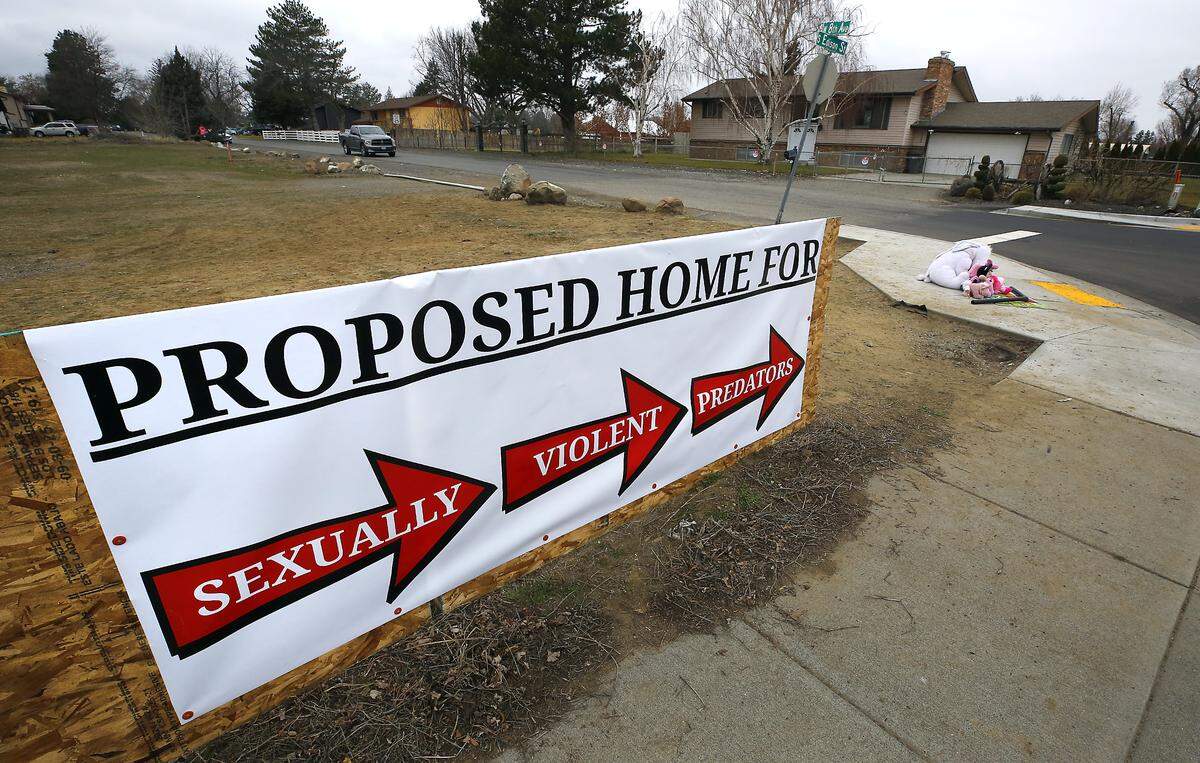
A new home for “sexually violent predators” leaving McNeil Island has generated a firestorm.
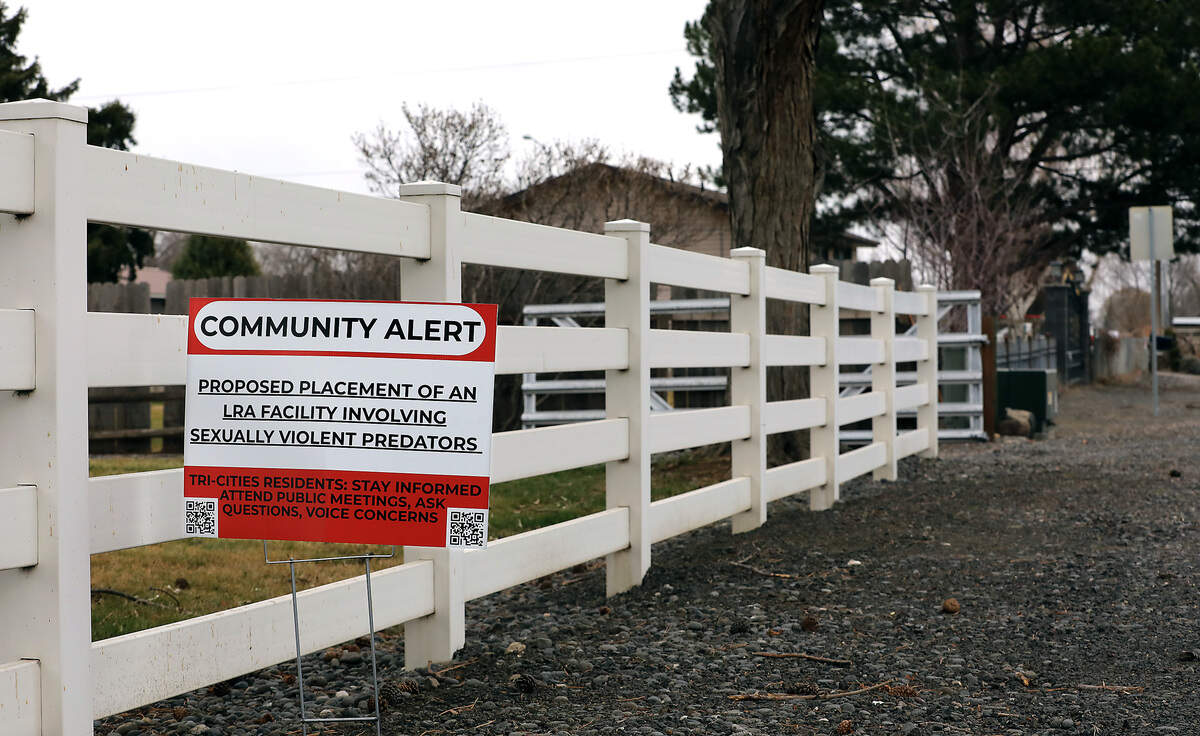
That is likely to continue into a Monday meeting scheduled to start at 6:30 p.m. at Highlands Middle School, 425 S. Tweedt St. in Kennewick.
The meeting will bring Kennewick city and police officials together with state legislators and program operator Joe Field to talk about the planned location at 5304 W. Eighth Ave.
Field currently has a contract with the state Department of Social and Health Services to run a similar facility in Walla Walla. He is currently working on a second contract for the Kennewick location, the department said.
The sudden announcement has raised several questions about the facility and the rules behind it. The Tri-City Herald has tried to answer some of the questions, but we know that there are more. If you have additional questions, please email them to cprobert@tricityherald.com.
Are Tri-Cities offenders moving in?
While we know the men moving into the home are coming from McNeil Island, it’s likely to be six to eight months before anyone is selected.
State law requires the Department of Social and Health Services to look for options in the county where the resident committed their crime. That doesn’t mean the home is required to accept them though.
Field told the Tri-City Herald that he wouldn’t accept anyone who committed their crimes in the Tri-Cities, out of concern that they could cross paths with their victims.
This has held true with the people at his home in Walla Walla, he said. None of them committed their crimes in Walla Walla.
How will notifications work?
As part of being convicted of a sex crime, offenders are required to register with the sheriff’s office where they are living after release, according to state law.
Washington state publishes the names and locations of Level 2 and 3 sex offenders and Level 1 sex offenders who have not complied with reporting requirements. The names of Kennewick sex offenders can be found on the Benton County website.
Kennewick police also regularly check to make sure registered sex offenders are living where they are supposed to.
It’s unclear if police will release notifications about specific sex offenders moving into a neighborhood. Police agencies have largely stopped releasing updates about when specific sex offenders move.
What is a civil commitment?
The classification of “sexually violent predators” came about in 1990 following a pair of high profile sex crime cases, according to a 2024 investigation by the Seattle Times.
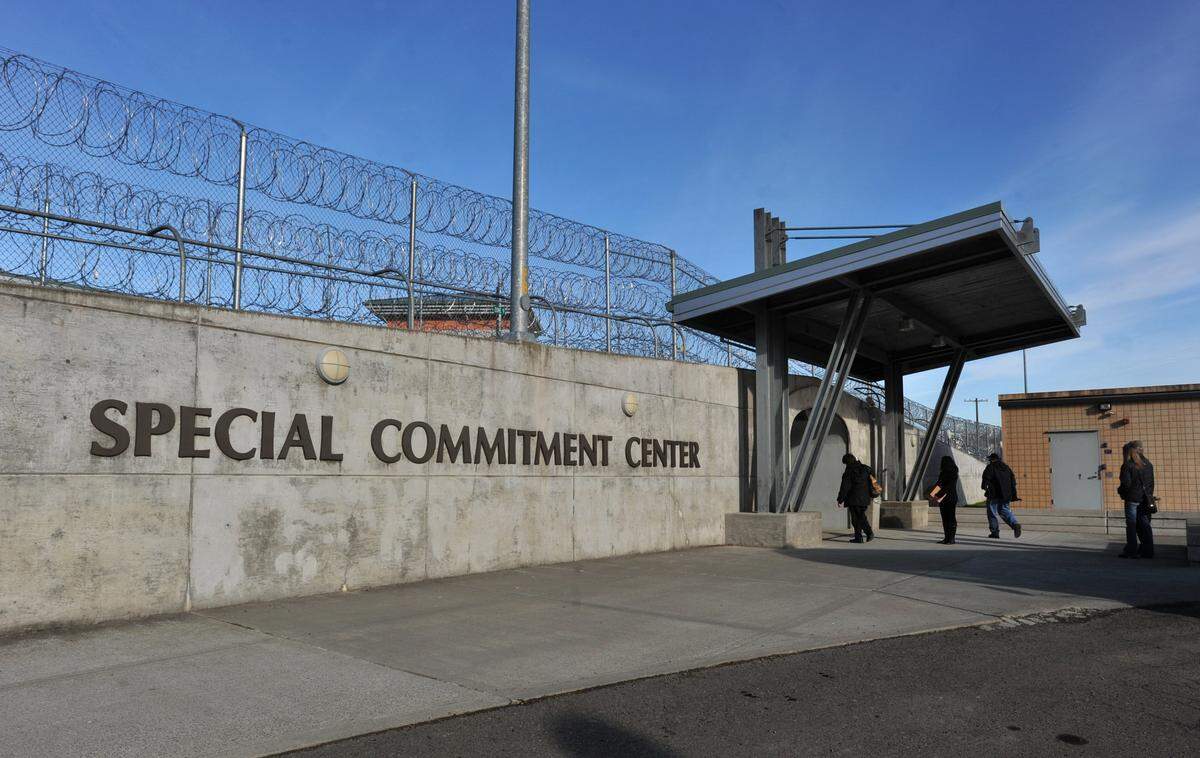
The men sent to McNeil Island have already served their prison sentence, when the Office of the Attorney General asks for someone to be committed to the island.
While people at McNeil Island can’t leave, it’s not included in the state’s prison system. Instead, it’s run by the Department of Social and Health Services. This is the same department that runs the mental health hospitals that treat people found not guilty by reason of insanity.
To be committed, a court needs to find beyond a reasonable doubt that a person has a history of sexually violent crimes and an underlying personality disorder that makes them more likely than not to commit another crime.
Once at the facility, the offenders can receive mental health treatment. But they can only be held as long as it’s “in the best interest of the person and the community,” said Cynthia Shipley with Department of Social and Health Services.
Each year, they are evaluated by an expert who determines if it’s safe to release the offender.

As part of that process, they are evaluated by experts, and a judge can rule that a person can live under less restrictive conditions. This can include one of two state transition facilities or community housing provided by someone who contracts with the state, according to the state Department of Social and Health Services.
In both cases, they are subject to any court orders to receive treatment, register as a sex offender and report to probation officers.
How many sex offenders live in Tri-Cities?
When a sex offender is released from prison, they are assigned a “level” which indicates their risk of committing another sex crime. Sex offenders are tracked by county sheriff’s offices across the state.
The sheriff’s offices are required to list Level 2 or 3 offenders, or Level 1 offenders who are homeless or failing to keep up with reporting their location.
There are currently more than 100 listed in the Tri-Cities.
The sheriff’s office lists 56 sex offenders living in Kennewick. Eleven of those are level 3, according to Benton County records.
Richland has 10 sex offenders, two of those are Level 3. Pasco has 44 sex offenders, according to county records. Seven of those are Level 3.
There aren’t many uniform rules about where sex offenders can live. That is generally handled on a person-by-person basis, and depends on the crime they committed.
How safe are these homes?
Across the state, there are 50 people from McNeil Island that are being housed by contractors, according to a December 2025 report from the Department of Social and Health Services.
Reports are mixed about the success of other homes.
A Seattle Times investigation in 2024 presented grim statistics about the success of people released from McNeil Island. Their analysis found one in seven “reoffended in a serious manner.” This number includes those released without any conditions or monitoring.
The Times story said “residents were placed at homes where they have been able to consistently violate court orders,” and “the gaps in oversight and state accountability allowed individual home operators to collect payments despite ongoing problems.”
Field and the Department of Corrections said the number of people who commit crimes while being held in less restrictive alternative homes are much lower.
Field said there have only been two cases of people committing other sex crimes while in less restrictive alternative housing.
And the Department of Corrections echoed that by saying in the three decades that less restrictive housing has existed, “no resident has ever been charged with a sexual assault.”
While Field has run housing for sex offenders since 2017, the location signed a contract with the Department of Social and Health Services to accept in 2024 to accept people from McNeil Island.
In the past two years, only one person has returned to McNeil Island from his Joe’s Place home in Walla Walla for violating a court order by using a controlled substance without a prescription, Shipley told the Tri-City Herald.
Both Walla Walla Police and the Walla Walla County Sheriff’s Office said there has been no problem with Joe’s Place. Two Walla Walla police chiefs have praised Field’s operations, said Sgt. Nick Loudermilk.
Of the five offenders from McNeil currently in Walla Walla, two had previous problems at other locations after their release — one man cut off his ankle monitor and escaped from a Spokane home, the other violated the terms of his release while in Pierce County.
But neither man committed additional sex crimes.
Who monitors the homes?
Before a judge can move someone to a less restrictive alternative home, there needs to be a treatment plan, according to state law.
When someone wants to move into a less restrictive alternative home, the Department of Corrections is ordered to investigate the facility for security and risk concerns. They also recommend potential conditions the person will need to follow.
“As part of this review, they will consider the specific release conditions for that person — for example, if the person is barred from living a certain distance from a school. If the home does not meet the conditions, then that person cannot be placed there,” Shipley told the Tri-City Herald.
Each offender is required to have a transition team, which includes a Department of Corrections officer, social worker and a therapist. The team meets with each resident as a group at least once a month. Each individual team member is in at least weekly contact, the Department of Social and Health Services said.
It’s not clear where those meetings are and whether they are at the home or if the resident needs to travel.
Each member of the team and the housing provider is required to report any violations.
“Violations of conditions do not mean that a resident has committed a crime. Instead, violations of conditions could include not returning to the residence by the established curfew, looking at an unauthorized website, or traveling outside of their restricted area,” Shipley told the Tri-City Herald.
Residents will be required to have GPS monitoring and a chaperone if they leave the home.
This story was originally published January 24, 2026 at 6:10 AM.