
Yakama Nation celebrates the salmon-saving Richland causeway removal
AI-generated summary reviewed by our newsroom.
- The 500-foot earthen causeway to Bateman Island was torn out this winter.
- Causeway removal let water flow around Bateman Island for the first time in generations.
- Removal is expected to improve habitat for salmon, steelhead and pacific lamprey.
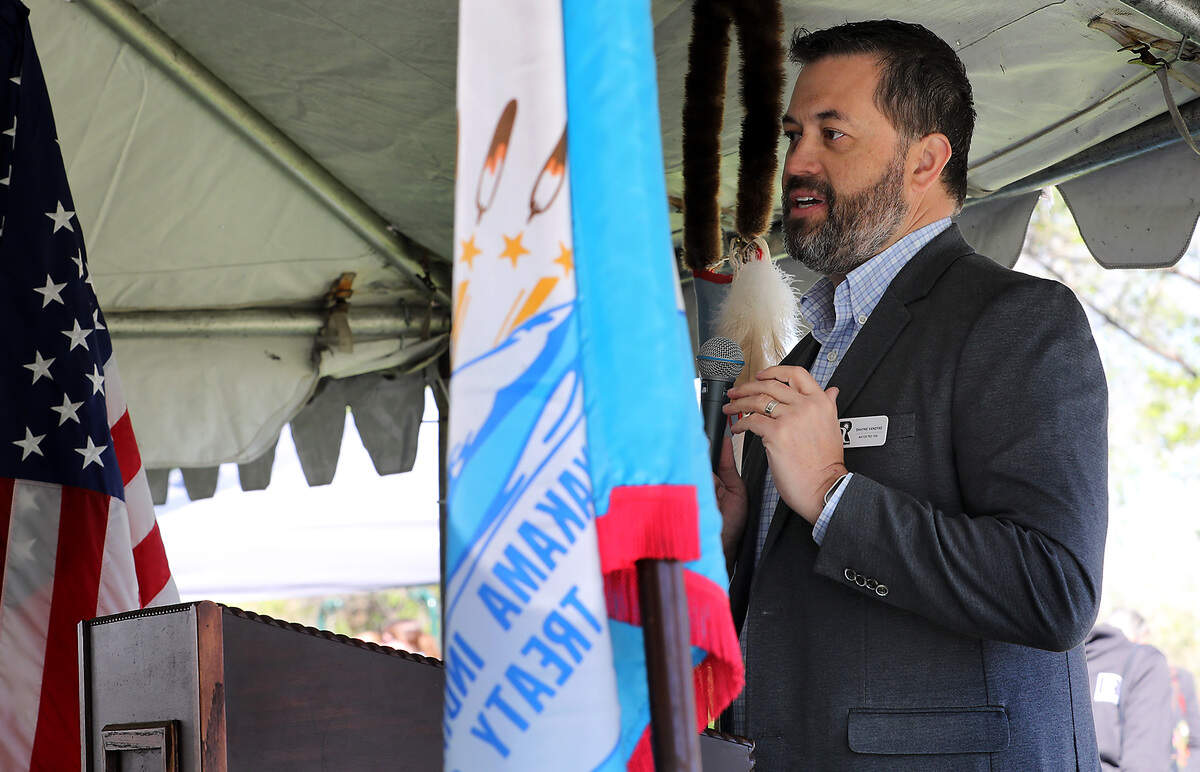
Members of the Yakama Nation gathered on the banks of the Columbia River Friday to celebrate the water at the confluence of the Yakima and Columbia rivers flowing freely again for the first time in generations.
The earthen causeway built about 1940 in the Yakima River Delta to allow farming access to Bateman Island was torn out this winter to allow water to flow around both sides of the island.
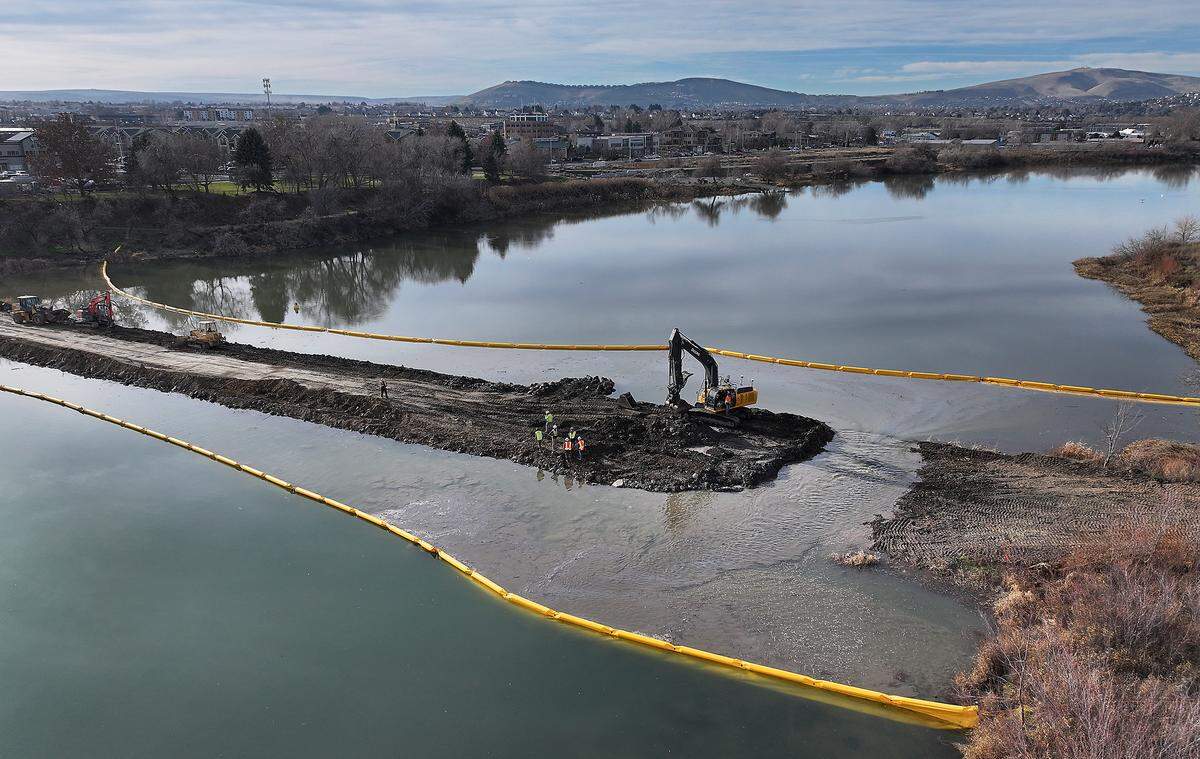
Removing the causeway is expected to improve habitat for salmon, steelhead and pacific lamprey. Tribal members marked the completion of the project with speeches, prayers, a drum ceremony and a traditional salmon bake.
The Army Corps of Engineers, the Yakama Nation Fisheries, the Washington state Department of Fish and Wildlife and the Mid-Columbia Fisheries Enhancement Group collaborated on years of planning that led to the removal of the causeway.
Bateman Island and the Yakima and Columbia rivers are culturally important to the Yakama Nation, which holds treaty rights that include salmon fishing.
“The removal of the causeway is going to be a huge benefit for our first foods with the salmon returns and also to people living nearby who rely on clean, flowing water,” said Joe Blodgett, Yakama Klickitat Fisheries project manager, as the causeway was removed.
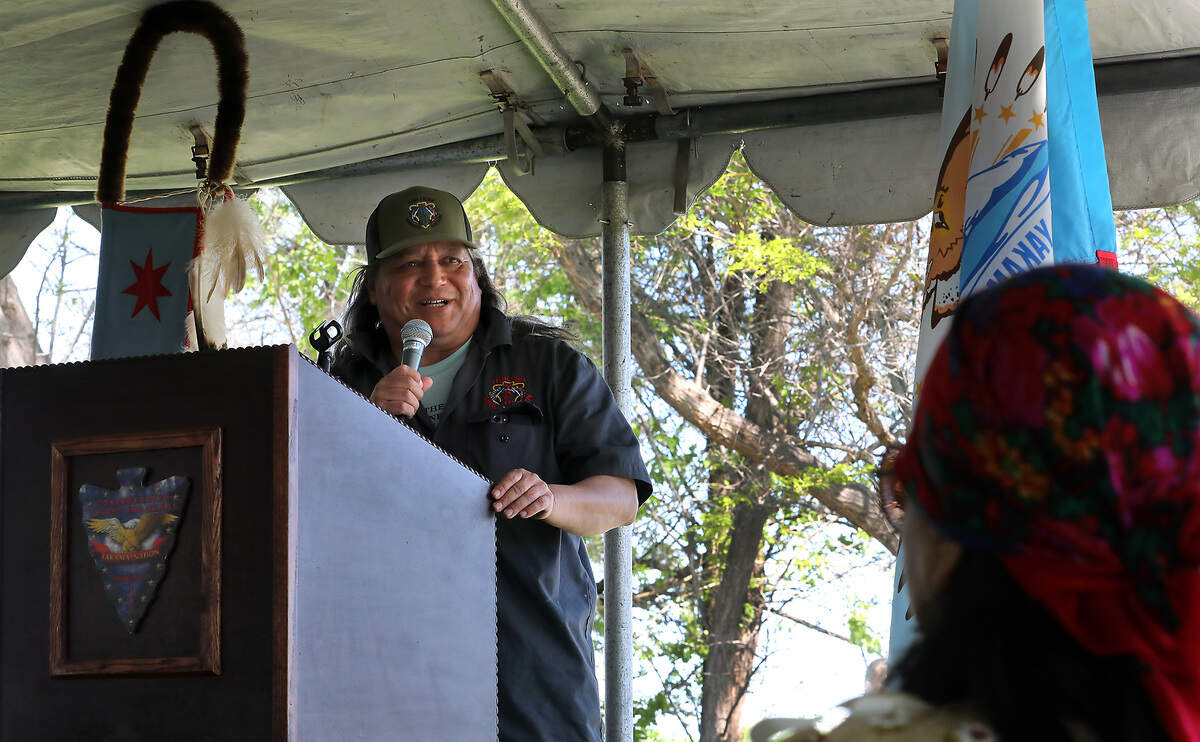
On Friday, Sen. Maria Cantwell, D-Wash., sent her congratulations to the “Healing the Yakima River Delta” celebration.
“It’s a meaningful step forward in upholding tribal treaty rights and restoring a healthier, more resilient river system for the communities and economies that depend on it,” she said.
It will improve fish survival at a critical stage and support the recovery of chinook, coho and sockeye salmon and steelhead, she said.
The 500-foot-long causeway became a way in recent decades for Tri-Cities area residents to walk onto the publicly owned island, where its nearly 3-mile trail became popular for walking, mountain biking, bird watching and reaching fishing spots.
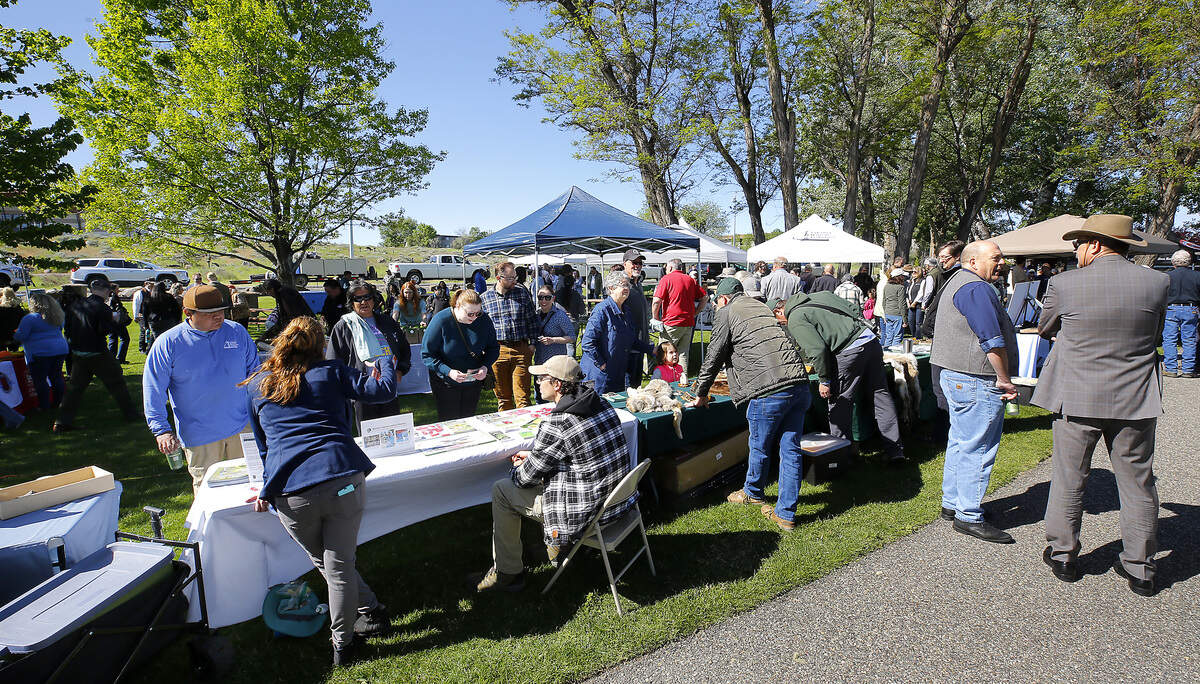
But the causeway also created a dead end where the Yakima and Columbia rivers meet at Richland, blocking an ancient pathway for migrating salmon and steelhead, according to the Washington Department of Fish and Wildlife.
It created a shallow pond of warm, stagnant water — perfect habitat for invasive fish to thrive and dine on young juvenile salmon and steelhead, the department said.
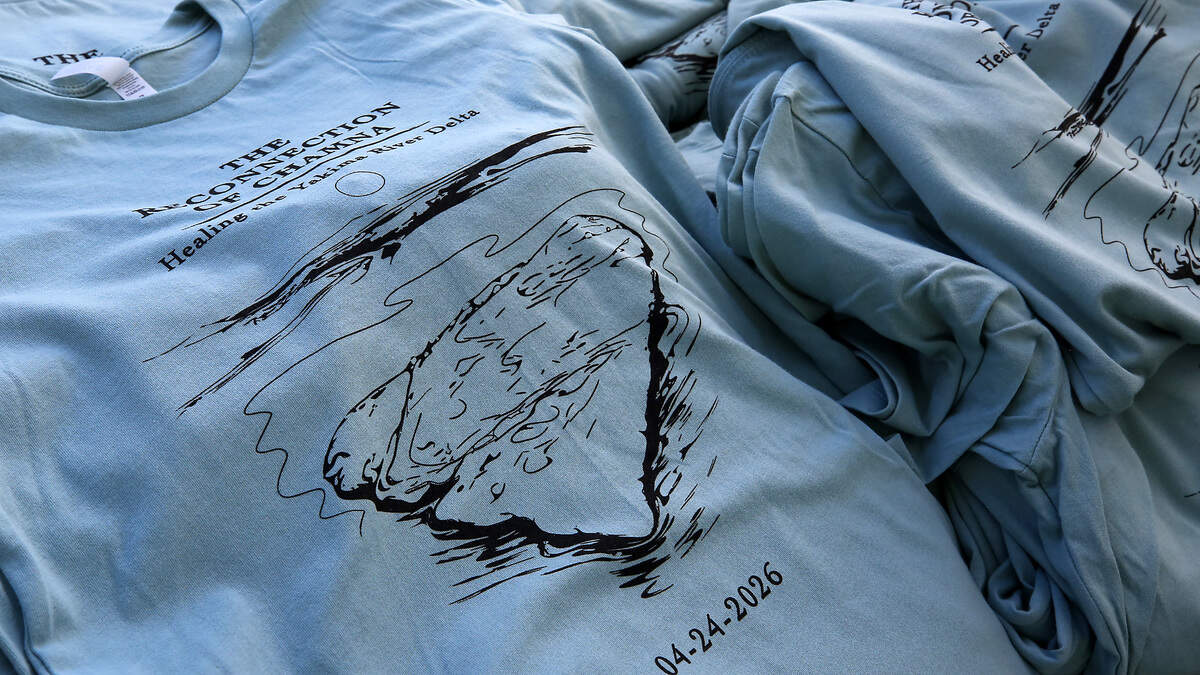
The blockage of water on one side of Bateman Island not only created a bottleneck for salmon in the Yakima River delta, but compromised work upriver, including the fish passage facility being built at Cle Elum Dam, said Mike Livingston, a regional director for the Department of Fish and Wildlife, during removal of the causeway.
“The success of the causeway removal project will magnify benefits to the whole Yakima River system for salmon,” he said.
The Army Corps of Engineers — in partnership with Washington state agencies, the Yakama Nation and the Mid-Columbia Fisheries Enhancement Group — awarded a $1.2 million contract to Pipkin Inc. to remove the causeway.