
Observe Black History Month in Tri-Cities through celebration, education
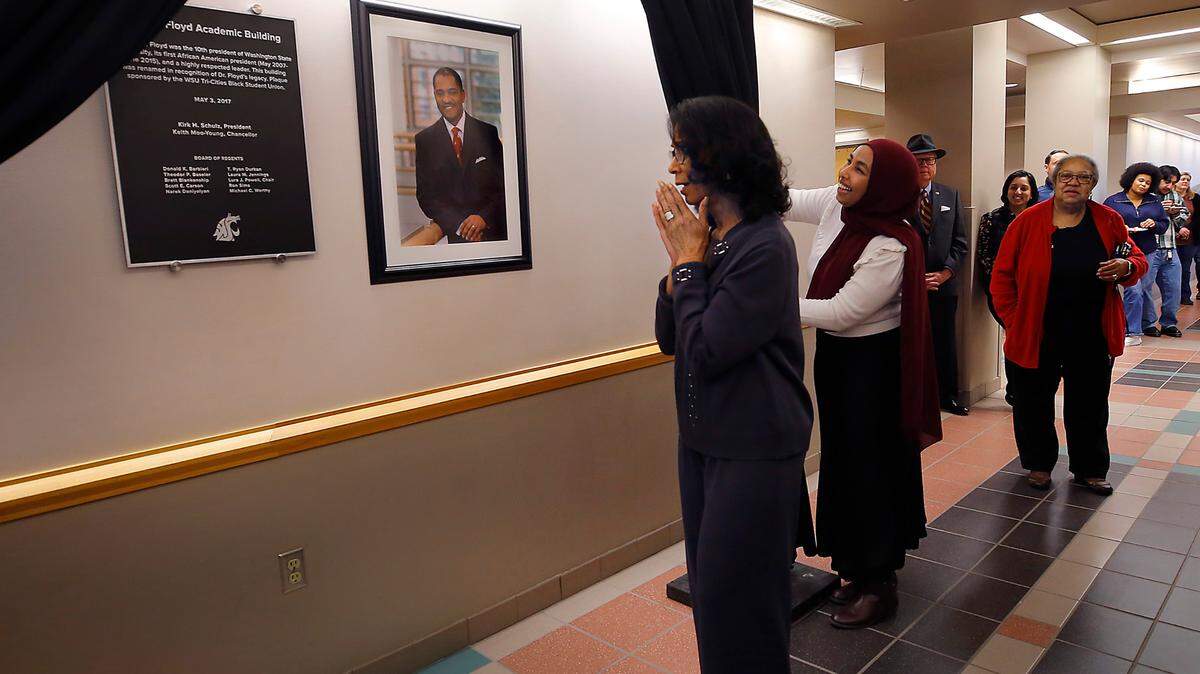
Black History Month is observed during the month of February, dedicated to acknowledging lesser-told stories, celebrating successes, mourning losses and furthering education for all.
Recognizing Black History Month means recognizing the highs, lows and everything in between experienced by Black Americans. Without their stories, modern-day America would be vastly different.
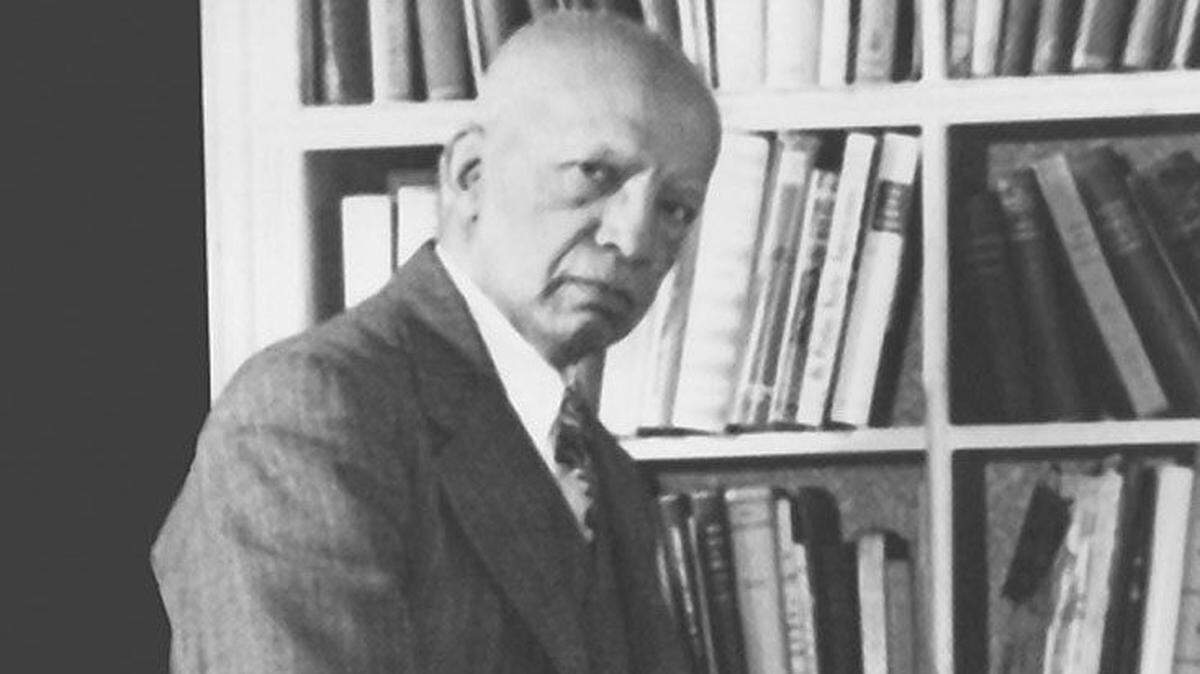
“Those who have no history of what their forebears have accomplished lose the inspiration which comes from the teaching of biography and history,” the father of Black History Month, Dr. Carter G. Woodson, once said.
The formal observance of Black history goes back 100 years, according to the Library of Congress. The Association for the Study of African American Life and History, as it is now known, introduced a weeklong observance in 1926, which was expanded to a full month in 1976.
Here’s how you can mark Black History Month in Tri-Cities, from education to celebration.
Find Black History Month events in Tri-Cities in 2026
Pasco’s Café con Arte is hosting the art exhibit “Eastside Temporalities: A Story of Change, Memory and Metamorphosis in East Pasco” through Friday, March 13.
The exhibit is centered on East Pasco’s African American community from the 1940s through urban renewal, highlighting “a story of change, memory and metamorphosis,” according to the exhibit information.
It’s available through the Hanford History Project and Joel Nunn-Sparks, featuring mixed media art, photos, artifacts and oral histories.
The Psi Nu Omega Chapter/Alpha Kappa Alpha Sorority, Inc is hosting a virtual book club on Saturday, Feb. 28.
Join the Zoom at 1 p.m. to read “Heaven, My Home” by honorary sorority member Attica Locke.
Locke’s book is a crime novel that explores themes of race and justice through the investigation of a white supremacist’s disappearance.
The Zoom’s meeting ID is 810 4190 0952, and the passcode is 093624.
Also on Saturday, the Going Through Alot Foundation is hosting “We Are History: Live and Unplugged” along with the Urban Poets Society at Kennewick’s Vision Venue, at 114 West Kennewick Ave.
The event will feature art, spoken word performances and a special tribute to Motown music, including performances by Hearne, Loud! The Artifact and Isaiah Williams.
“This is more than a show — it’s a space to come together, celebrate culture, and support local voices,” the Going Through Alot Foundation shared on Instagram. “All are welcome.”
Entry is $15.
Find landmarks of Black history in Tri-Cities
Tri-Cities offers numerous resources for learning about local Black history.
Whether you’re looking for reading recommendations or physical locations to visit, there are educational opportunities that exemplify the experiences of Tri-Cities’ Black residents.
During and after the Manhattan Project, Black laborers and their families who moved to Tri-Cities were met with segregation. Black Tri-Citians were only permitted to live in Pasco for years, and Kennewick was a sundown town through the 1960s.
“In 1963, Jack Tanner, head of the Pacific Northwest NAACP declared Kennewick ‘The Birmingham of Washington’ because no Black people were allowed to live in Kennewick and less than 10 Black people worked there, all in unskilled positions,” the National Park Service said.
Civil rights protests were often held on First Avenue in Kennewick, according the Park Service.
A lamppost at First Avenue and Washington Street showcases how local officials upheld segregation. According to the Park Service, police in Kennewick once handcuffed or tied a Black man to the lamppost, telling Pasco police officers to “come get him.”
“Kennewick was reputedly so segregated that, according to Marion Barton, who grew up in East Pasco, ‘They wouldn’t even put you in (their) jail if you were Black,’” the Park Service wrote.
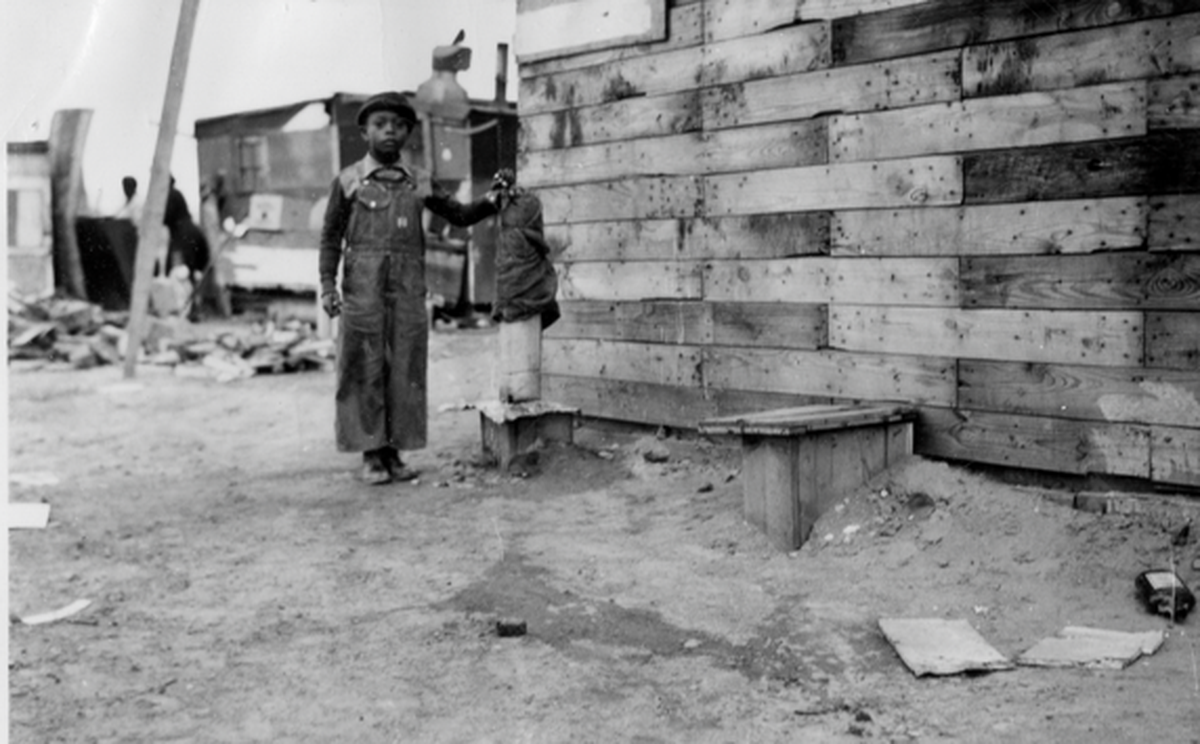
East Pasco church, park are reminders of segregation
You can still visit locations and artifacts that once marked the division between white and Black communities — including the Lewis Street Underpass and a display of a piece of the Green Bridge, where historical markers are on display.
Several locations in Pasco continue to represent the Black communities that built them.
Morning Star Baptist Church was East Pasco’s first Black congregation and “the literal and figurative center of the African American community,” according to the Park Service.
“Reverend Johnnie Steward founded the church in 1946 to support the growing Black population’s spiritual and social needs,” the Park Service said. “Its long history of service extended to congregants and community members forced to settle in East Pasco due to housing segregation and discrimination in Richland, Kennewick, and Pasco with the exception of East Pasco.”
The segregation in place kept Black families from numerous community spaces, including parks. Kurtzman Park was the first community park in East Pasco, created through grassroots efforts.
“In the 1950s, local children created a baseball diamond in the field that became Kurtzman Park, clearing tumbleweeds, filling holes and wiring in a backstop,” the Park Service said. “Rebecca Heidlebaugh, a white attorney and civil rights champion, assisted a group of boys who successfully sought the donation of a 6-acre tract of land to transform into a park.”
One local family, the Daniels, helped build the park and a youth center on the land.
How can I read about the Black history of Eastern Washington?
Several articles, books and other resources are available for those looking to better understand the history of segregation and racism in Tri-Cities.
The Tri-City Herald recommends:
- “Echoes of Exclusion and Resistance: Voices from the Hanford Region” by Laura Arata and Thomas E. Marceau. Available through Mid-Columbia Libraries
- National Council on Public History: Tri-Cities, Washington, WWII Heritage City
- The Pacific Northwest Quarterly: Jim Crow in the Tri-Cities, 1943–1950
- Tri-City Herald: ‘A very long shadow.’ Thousands in Tri-Cities still live in homes with racist covenants
- Tri-City Herald: ‘Tri-Cities was worse than the South.’ Remnants of housing discrimination linger
- Washington Bar News: Pasco, 1976: Confronting Racism, Redlining, and Housing Discrimination
This map from the University of Washington’s Civil Rights and Labor History Consortium shows the lasting impact segregation had in Tri-Cities.
What Black-owned businesses can I support in Tri-Cities?
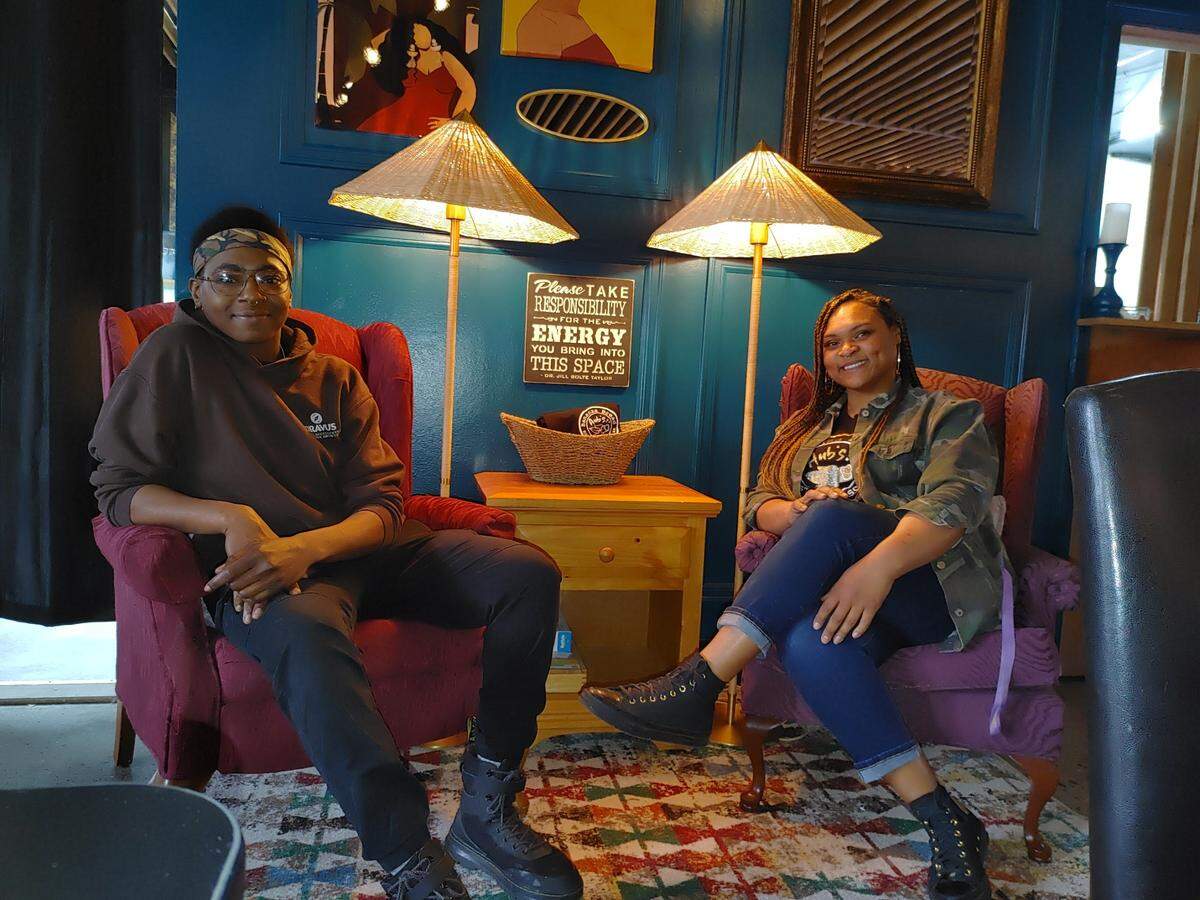
Another impactful way to observe Black History Month is by supporting Black-owned businesses.
There are several in Tri-Cities, including:
- Ann’s Best Creole and Soul Food Truck, 6481 West Skagit Ave., Kennewick
- Aub’s Lounge, 710 George Washington Way, Suite AA, Richland
- Catfish Alley, 212 West Kennewick Ave., Kennewick
- Cupcake’s Bakery and Deli, 2625 West Bruneau Place, Suite 196, Kennewick
- Frichette Winery, 39412 North Sunset Road, Benton City
- OATIS Outdoor Adventure Rentals, 515 Lee Blvd., Richland, and 21331 East Finley Road, Finley
Are there other Black History Month events, Black-owned businesses or resources that explore the history of racism in Tri-Cities we didn’t mention? Let us know here:
This story was originally published February 3, 2026 at 5:00 AM.