
Tri-Cities lab expected to be key player in Trump admin’s AI initiative
AI-generated summary reviewed by our newsroom.
- PNNL will partner with Trump’s Genesis Mission to accelerate scientific discovery
- Genesis Mission is focused on using AI and advanced computing in research
- Richland lab applies AI to speed materials, chemistry and biology research
The national laboratory based in the Tri-Cities is expected to be a key partner in a Department of Energy initiative launched by President Trump this week. The Genesis Mission aims to speed American science and innovation breakthroughs with the help of artificial intelligence.
By harnessing AI and advanced computing, the productivity and impact of American science and engineering could be doubled within a decade, according to DOE’s announcement of the initiative.
Pacific Northwest National Laboratory in Richland has deep expertise in the design and application of AI, new advanced computing models and fundamental science, all of which will be needed in the Genesis Mission.
PNNL already is using AI to aid discoveries in chemistry, materials science and biology and to speed environmental permitting and ensure reliable, secure electric grids, according to information from PNNL.
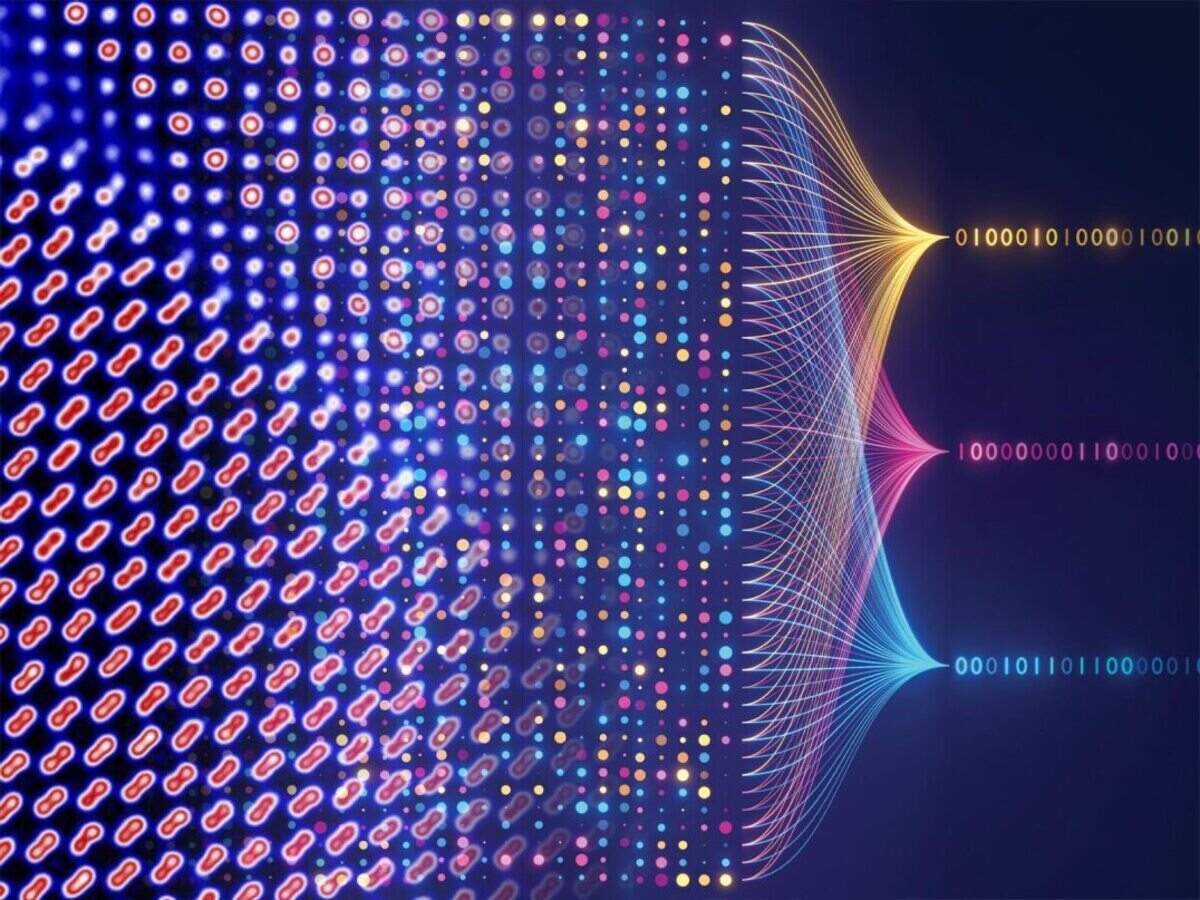
“(PNNL) researchers are using elements of AI to assemble and combine resources and reasoning that make it faster and easier for scientists to do their jobs,” then PNNL Director Steven Ashby wrote in a column published by the Tri-City Herald in May.
“They are developing approaches that orchestrate the trustworthy use of AI across the entire scientific process, from the earliest stages of ideation and exploration to developing and testing hypotheses in the laboratory.”
Energy Secretary Chris Wright said in DOE’s announcement of the Genesis Mission that the nation’s brightest minds and industries will be needed for the initiative, just as they were for the Manhattan Project and Apollo mission.
“Under President Trump’s leadership, the Genesis Mission will unleash the full power of our national laboratories, supercomputers and data resources to ensure that America is the global leader in artificial intelligence and to usher in a new golden era of American discovery,” Wright said.
In December 2023 PNNL created the Center for AI @PNNL to coordinate the pioneering research of hundreds of scientists, including in key areas of interest for the new Genesis Mission.
“PNNL has deep expertise and decades of experience in computing and artificial intelligence that we apply to advance scientific discovery, strengthen energy resiliency and enhance national security,” Ashby said when the center was announced. “The creation of the Center for AI @PNNL will leverage and amplify these capabilities for even greater impact in service of our nation.”
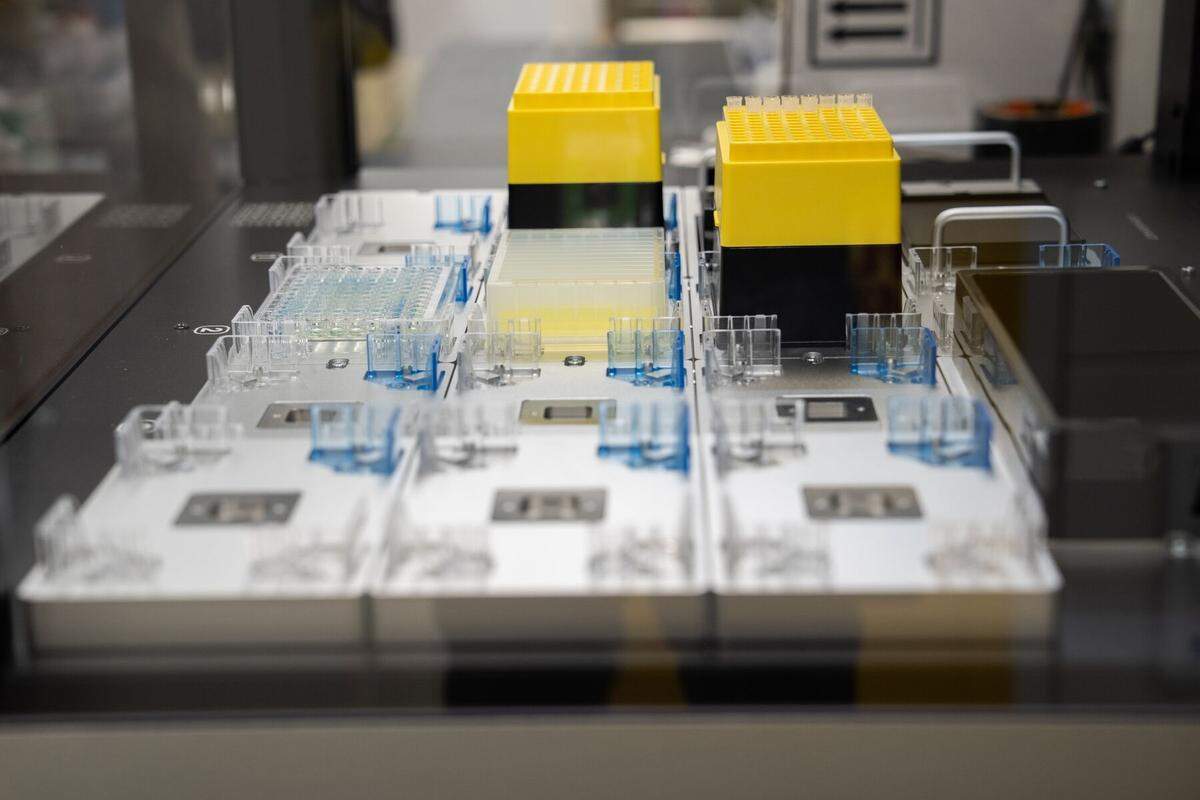
Among the goals of the Genesis Mission are American energy dominance, including modernization of the energy grid, an area in which PNNL is a national expert, and advancing nuclear energy.
The national initiative also will focus on ensuring national security, another good fit for PNNL research.
The Trump administration’s focus on AI comes as it has moved to decrease funding nationally for some other areas of research that PNNL has excelled at, including clean energy and climate science work.
More about the role that PNNL will play in the Genesis Mission is expected to be known in the coming months.
This story was originally published November 26, 2025 at 5:00 AM.