Food banks brace for end of food stamps as shutdown threatens Tri-Cities paychecks
AI-generated summary reviewed by our newsroom.
- Tri-Cities food banks prepare for surges as SNAP and WIC funding expire Oct. 31.
- Over 20,000 federal workers and contractors risk income loss, straining aid demand.
- Food banks urge donations and volunteers to meet higher winter and holiday need.
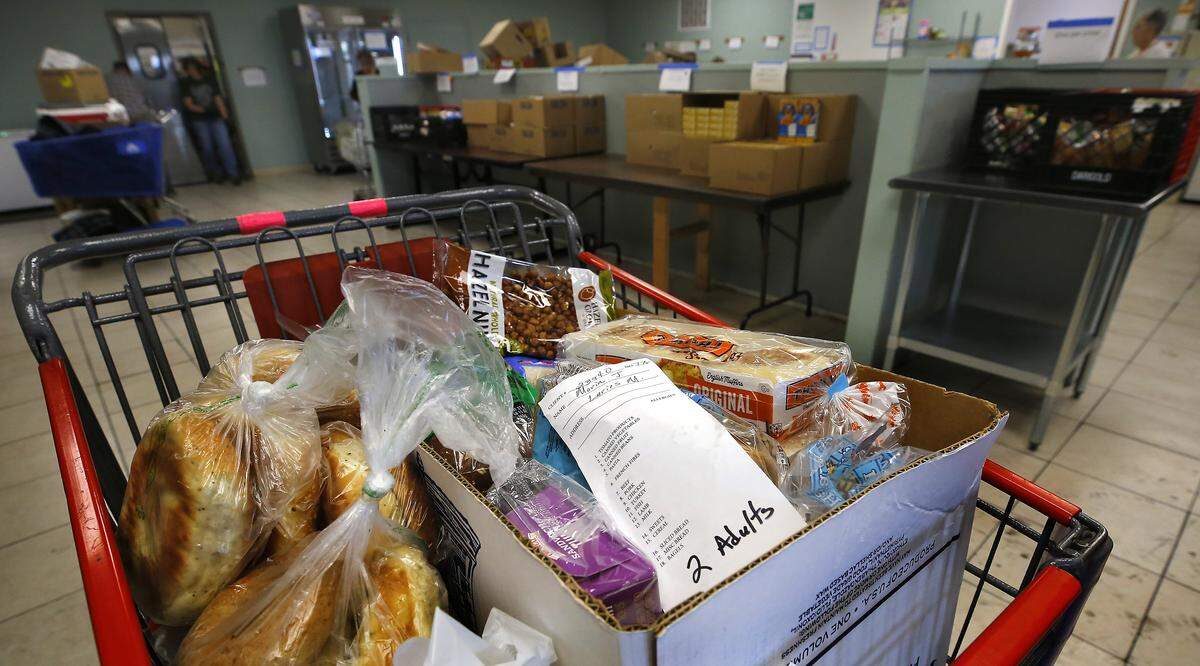
With no end to the government shutdown in sight, Tri-Cities food banks are bracing for an influx of families in need.
The Washington Department of Social and Health Services warned Wednesday that if federal funding isn’t restored, they won’t be able to issue SNAP food stamp benefits after Oct. 31. The department said cash benefits for November should be safe.
They also have been unable to complete new applications since Oct. 16, meaning any federal workers or contractors laid off or going unpaid won’t be able to apply for food assistance benefits until the shutdown ends.
More than 18,000 in the Tri-Cities work for either the federal government or contractors. Most of the contractors are split between the Hanford site and the Pacific Northwest National Laboratory. It’s unclear how long these companies can continue paying employees.
If the shutdown continues, these workers could eventually have to dig into savings to pay bills, leaving them with a need to turn to food banks to feed their families.
Families that are already on assistance may not have the savings to supplement any loss in SNAP or WIC assistance.
One in every six Tri-Cities households receive SNAP benefits, according to USDA data. That’s nearly 17,000 Tri-Cities families that could be impacted by the program going unfunded.
The Women, Infants and Children program, or WIC, was set to run out of funding on Oct. 31, but the U.S. Department of Agriculture secured additional money to keep the program online through mid-to-late November.
DSHS said it will also have to start looking at potential temporary layoffs beginning Nov. 4. Those layoffs would shut down Tribal outstations and mobile office teams.
Those mobile offices are made up of crews who go to rural areas to help Washington families connect with services.
The department’s call centers and offices also will likely have longer wait times.
Food banks prepare for surge
Tri-Cities Food Bank board member John Carpenter said they haven’t seen a spike yet, but they believe one is coming.
“Most people haven’t reached that point yet,” he said. “I think there will be two things, people who lose SNAP will come in here more often, and people that lost their jobs who weren't on SNAP and cant get anything.”
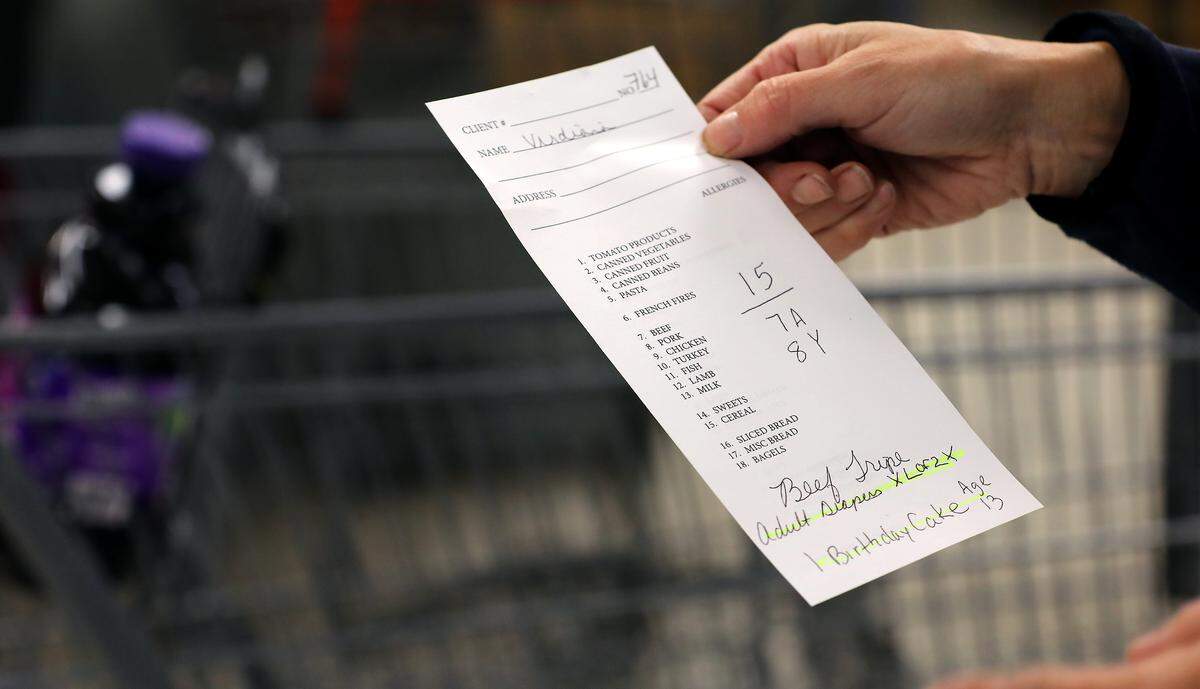
Many families on SNAP still regularly go to food banks because SNAP only allocates about $6 per day for each family member.
Carpenter said most federal workers and contractors likely aren’t living day-to-day, but the longer the shutdown goes the greater their need will be.
He encouraged families who think they might need help to find their local branch of the food bank and reach out.
“We understand there are clients that maybe haven’t been here before, we’re able to handle that,” he said. “Just come on in and let us know.”
November is also the start of their busy holiday season, so this shutdown-related surge would add to regularly increased numbers of families in winter.
Volunteer Karen Gorham told the Herald that the food bank has seen a fairly consistent increase in need since the COVID-19 pandemic and additional federal funding ended.
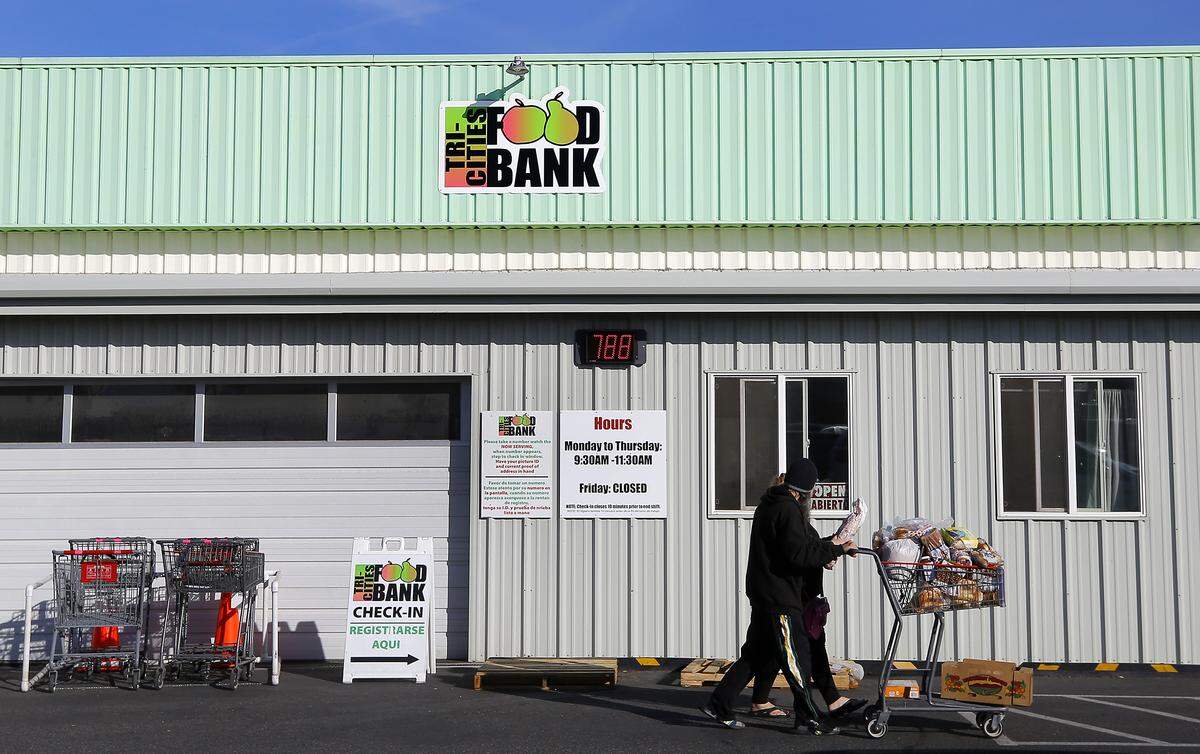
While their hours are technically 9:30 a.m. to 11:30 a.m. at the Kennewick branch, they try to open as soon as volunteers are on site and have everything set up.
Dozens of families were already showing up by 9 a.m. on Thursday.
How to help
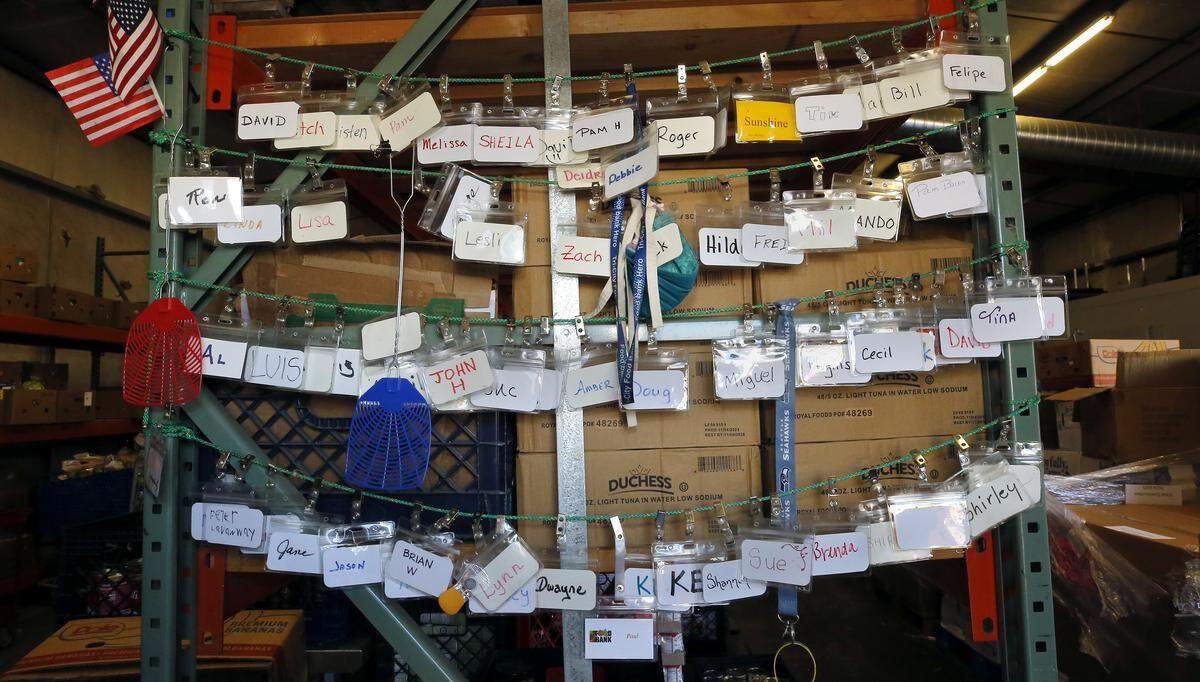
“As we’re coming up on the holidays we are going to need more volunteers because that’s a very consistent spike,” Gorham said.
She said they have volunteer opportunities available for people of every age and ability. One longtime volunteer was still helping out this week at 92 years old.
The Tri-Cities Food Bank also accepts monetary and food donations.
Gorham said it’s good to have both because what they don’t have on hand can be purchased.
For example, they were able to provide a family with everything needed to bake a birthday cake. The food bank works to ensure they can serve families of all sizes, including multi-generational households.
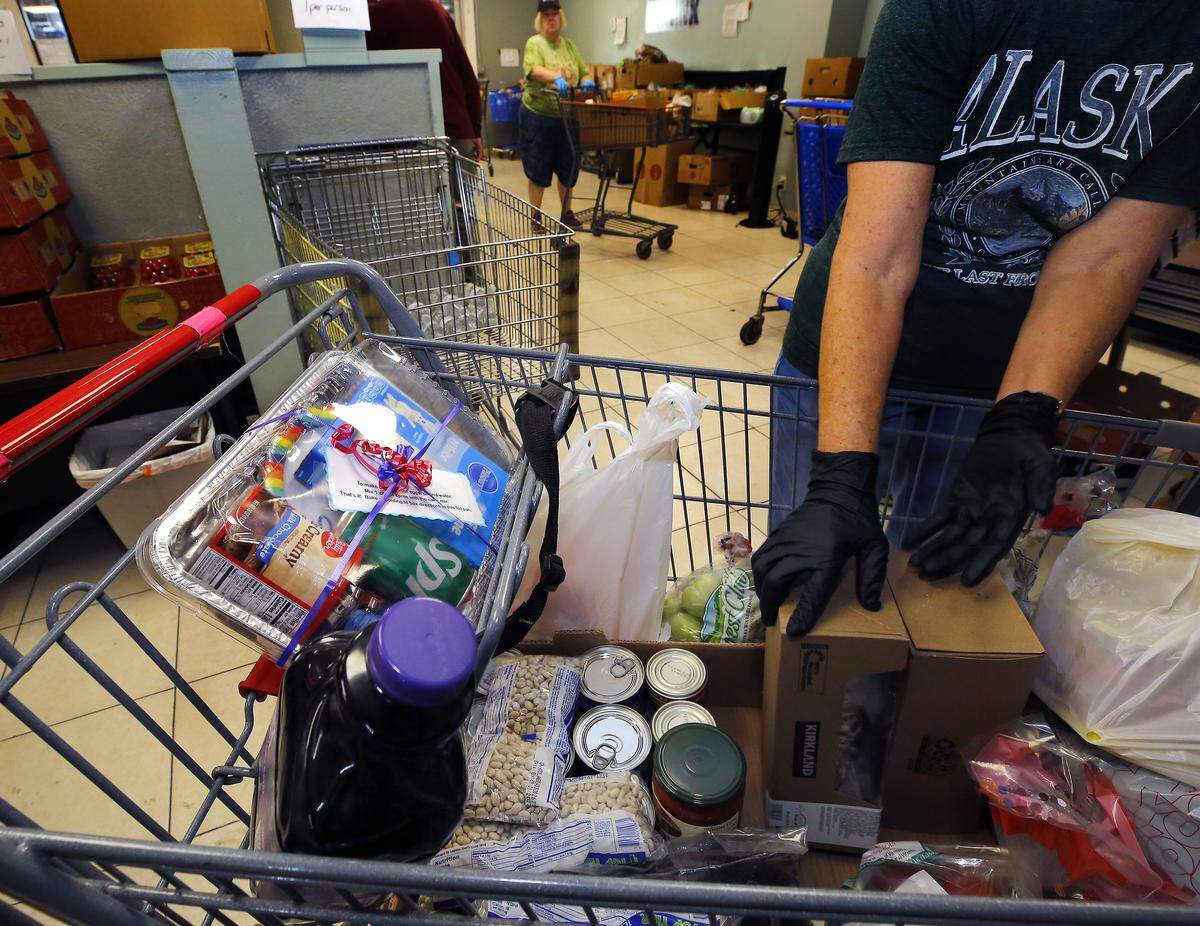
Carpenter also noted that since cuts to the Department of Agriculture’s Emergency Food Assistance Program earlier this year, the variety of commodities they receive from the federal government has been all over the place. They’re seeing less fresh fruit and meat, and more bulk deliveries of random items.
“Right now I can give you great northern white beans for the rest of your life,” Carpenter joked.
Earlier this year, they got a delivery that was mostly just frozen blueberries.
The Tri-Cities Food Bank has locations in Richland, Kennewick and Benton City. Hours vary by location.
In Pasco, families are primarily served by St. Vincent de Paul’s food bank.
Families should try to find the food bank in their community, but if they go to the wrong one, Carpenter said the food bank will still give them an emergency box to help until they can get to their city’s branch.
There are also numerous food pantries through the region. To find one near you, check 2nd Harvest’s Food Finder map. It also lists upcoming mobile markets.
The McCurley auto dealerships group is also partnering with Yoke’s Fresh Markets for the annual Hometown Food Drive. Shoppers can grab a donation bag at the checkout line. McCurley is also making donations with every vehicle purchase.
This story was originally published October 27, 2025 at 5:00 AM.