
Richland races to swap car fees for sales tax increase 3 months earlier
AI-generated summary reviewed by our newsroom.
- Richland plans to increase sales tax to 8.8% on Jan. 1, 2026, three months early
- Tax hike replaces $20 car tab fee, raising $2.5M annually for street maintenance
- Council approved move without public input; final vote set for Oct. 7 meeting
Richland is preparing to raise the local sales tax to 8.8% on Jan. 1 – three months earlier than initially discussed.
The addition of one-tenth of a percent — or 1 cent on a $10 purchase — will generate up to $2.5 million for the city’s street repair program and will reduce its reliance on money it needs for police, fire and general government.
The city is casting the change as a “tax cut” because the tax increase will replace Richland’s unpopular $20 car tab fee, which brings in less money.
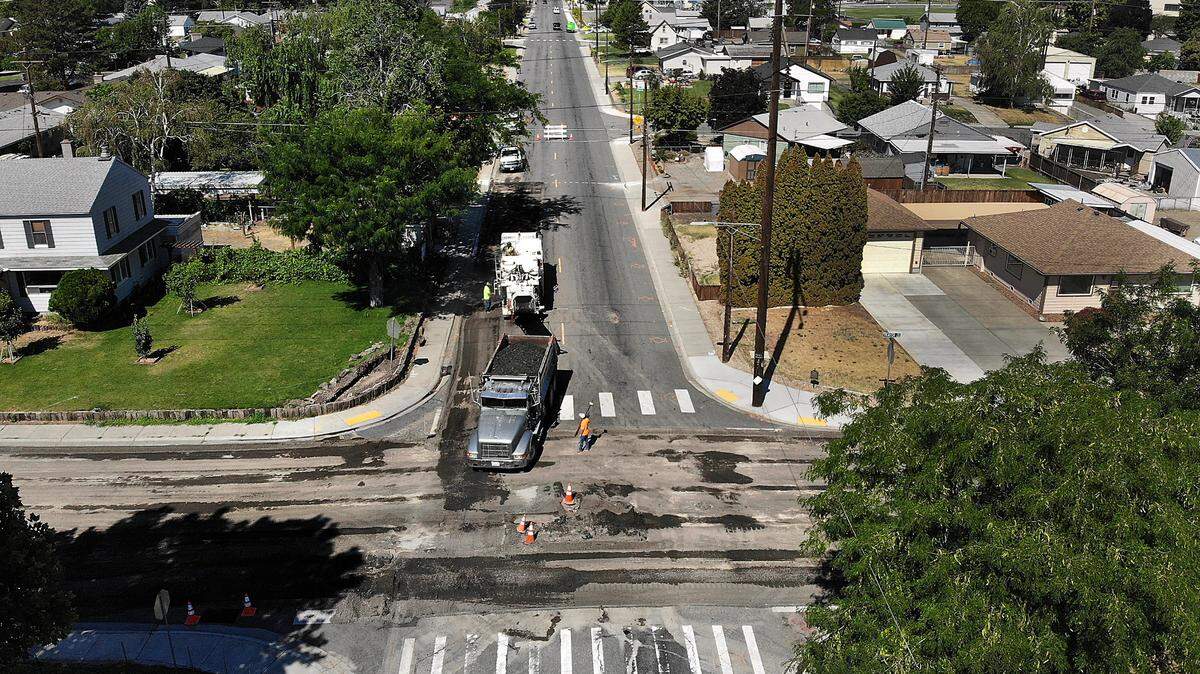
The car tab fee, approved in 2017, generates only $1 million of the $4.5 million Richland needs to maintain streets at the level it wants.
It has 650 miles of streets and its goal is to keep them at a rating of 70-75 points on the 100-point Pavement Condition Index. That’s the lower end of the “good” range.
This week, the city council voted 5-0 to make the change during a 13-minute special meeting held in advance of its regular workshop session. The public was not allowed to comment at the meeting.
The city attorney told the Tri-City Herald later that Washington state law requires public comments only at regular meetings where final action is taken. There was no legal requirement to accept comments because it was a special rather than regular meeting, she said.
She said it is not the city’s practice to accept public comments at special meetings associated with workshops.
Council members Ryan Whitten, Jhoanna Jones, Kurt Maier, Ryan Lukson and Shane VanDyke voted for the change, calling it a good move for the city’s 68,000 residents.
Mayor Theresa Richardson and Mayor Sandra Kent were not at the meeting.
The change will be official after the council votes a second time. That is scheduled for the Oct. 7 regular business meeting.
It’s unclear if the council will discuss the decision to more than double revenue for street maintenance.
Items up for a second vote are typically included on the consent agenda, which is a collection of routine items that are usually passed on one vote and without discussion.
Any council member may request that individual items on the consent agenda be pulled for further discussion. .
Tax change will be earlier
At a previous meeting, city officials initially said it would approve the sales tax in January, with the expectation the Washington Department of Revenue would make the change beginning April 1.
City Manager Jon Amundson said it sped up the change when it realized it could meet the state’s Oct. 19 deadline to change the tax rates by the start of 2026. Jan. 1, 2026 is a cleaner start, he said.
Richland is changing its fee structure, in part, because the city of Kennewick approved a one-tenth sales tax increase to support street maintenance in 2024.
The change pushed its sales tax rate to 8.8% on Jan. 1.
Charging a higher sales tax spreads the cost over a larger population, namely, people who shop and buy services in Richland – not just city residents who own vehicles.
The Pasco City Council is considering creating a transportation district and funding it with either a sales tax increase or car tab fees.
The proposal has drawn fire from Tim Eyman, the controversial Washington anti-tax activist known for his popular statewide initiative to cap car tabs at $30.
The Pasco City Council is expected to hold a public hearing during a regularly scheduled meeting in November.
About 120 cities across Washington have transportation districts, with a little more than half relying on sales taxes to fund street work and the rest adding a fee on top of state car registration fees paid on vehicles in their jurisdictions.
In 2017, the Richland council faced a choice between raising money through car tabs or raising the local sales tax. It chose car tab fees because state law at the time required a public vote on increasing sales taxes.
The city is casting the change as a “tax cut” because Richland households will pay much less than $20 through the increased sales tax.
If approved, Richland’s sales tax rate will increase to 8.8%, the same as Kennewick. The tax rate for Pasco is 8.9% after its voters agreed to a two-tenths of a percent increase to pay for its $40 million aquatic center, now under construction in the Broadmoor area.
The sales tax also includes 6.5% statewide tax in addition to taxes added by cities, counties and transit districts for public services.
This story was originally published September 24, 2025 at 2:29 PM.