Pasco weighs new car tab fee that would pay for $1.3M in annual road work
AI-generated summary reviewed by our newsroom.
- Pasco council weighs car tab fee or sales tax hike to pay for transportation projects.
- A 0.1% sales tax could raise $2.3M annually. A $20 tab fee would net $1.3M.
- Decision expected by December 2025. Tax or fee would start mid-2026.
By next summer, Pasco may have a slightly higher sales tax or a new car tab fee.
The Pasco City Council is considering creating a Transportation Benefit District that would fund citywide road improvements. The council would serve as its governing board.
The city can either charge a vehicle license fee or increase sales tax. The council discussed these options during a workshop meeting on Aug. 25.
The council could establish a car tab fee of up to $50 or a sales tax increase of up to 0.1% without voter approval, if the district covers the entire city. A sales tax hike of up to 0.3% would have to be decided by voters. The tax would be in effect for at least 10 years.
The district wouldn’t have to span all city limits, but city staff is recommending that it should.
Whatever the council decides, it wouldn’t go into effect until six months after approval. The city is anticipating that the council could make a decision as soon as December 2025.
The car tab fee would only apply to Pasco residents, whereas the sales tax would affect anyone making a purchase in Pasco.
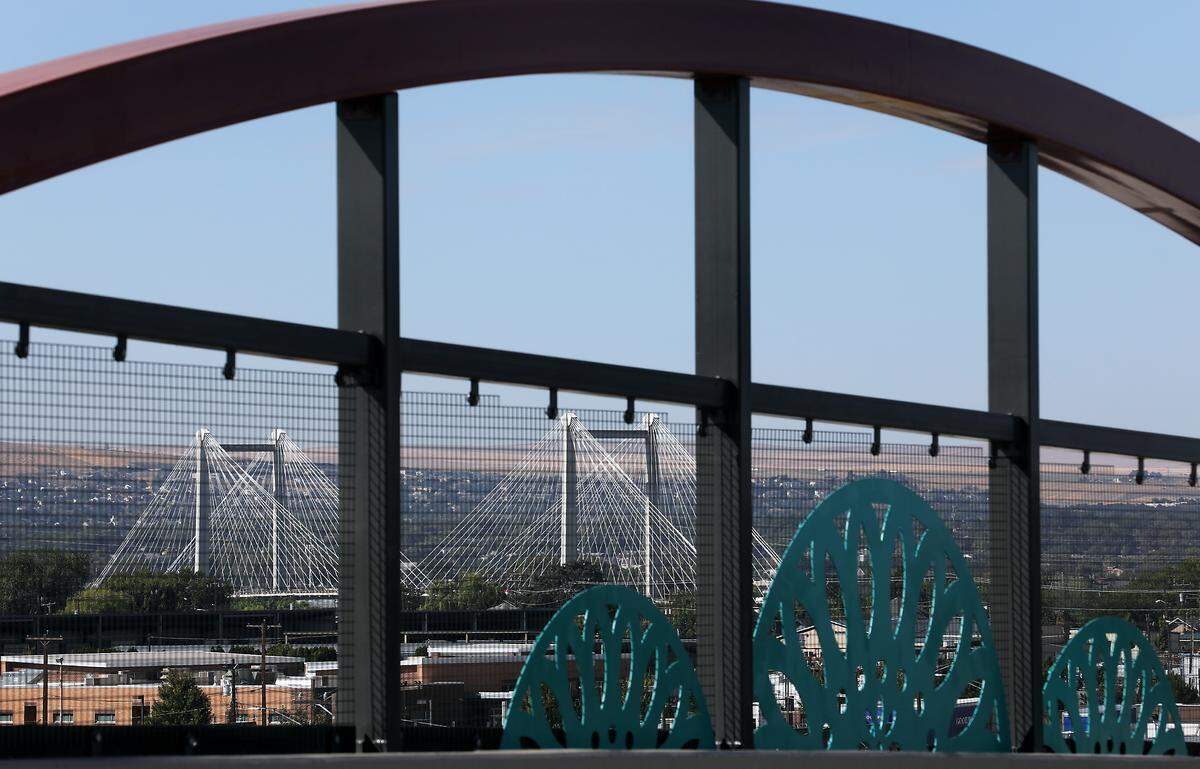
A $20 fee would bring in $1.3 million for the projects each year and a 0.1% sales tax bump would raise $2.3 million for the city annually.
“Hopefully, as we’re successful in economic development and can flip the script in the Tri-Cities area so that we become a destination for retail sales, the more inflow of purchasing you can get in your community,” City Manager Harold Stewart told the council.
“They are coming and driving on your roads. They’re wearing down your infrastructure. So the sales tax helps a lot of that be paid for by non-Pasco residents. Your vehicle fee is strictly on the backs of your residents.”
Mayor David Milne, Mayor Pro Tem Charles Grimm, Councilman Leo Perales and Councilwoman Melissa Blasdel were opposed to the sales tax increase and preferred implementing the car tab fee.
Councilwoman Blanche Barajas was in favor of a 0.1% sales tax.
How Transportation Benefit Districts work
Funding raised by the district is limited to paying for the city’s transportation projects. At this time, the city plans to use the money for pavement maintenance and reconstruction, snow removal, and street and traffic maintenance and operations.
Deputy City Manager Richa Sidgel told the council that the city’s street fund “desperately needs funding.”
Otherwise those projects would need to be paid for out of the city’s general fund, which is already limited. The city is currently balancing its budget by spending its reserves to make up for a multi-million dollar budget shortfall.
Pasco currently has the highest sales tax rate in the Tri-Cities at 8.9% after voters approved an increase to fund an aquatic center in 2022. The $40 million facility is expected to open by next summer.
But sales and property tax revenue in Pasco lags behind Kennewick and Richland, even though the city’s population is likely to surpass Kennewick in the next year. Pasco is hoping the Broadmoor development will help even the playing field.
More than 120 cities in Washington state have a Transportation Benefit District.
Kennewick has a 0.1% sales tax that went into effect in April 2025 for its Transportation Benefit District. Richland charges a $20 car tab fee, created in 2017.
The city’s next steps will be to create the district and propose either the fee or tax increase. There will be public hearings for residents and others to provide their comments once the city has decided on a direction.
This story was originally published September 2, 2025 at 5:00 AM.