
What rights do homeless people have in Washington? See laws, resources
In late July, President Donald Trump signed an executive order targeting homelessness in the United States by declaring mentally ill unhoused individuals as dangerous.
Among other tactics, the order encourages encampment removal and the criminalization of “urban camping and loitering.”
This executive order is a “dangerous step backwards,” Legal Action Center said in a news release. The nonprofit organization focuses on upholding civil rights across the country, particularly for those with health conditions and incarceration histories
“It endorses civil commitment, rebrands institutionalization as public safety and aims to punish states and localities that do not fall in line and actively pursue involuntary treatment and public space removal,” the nonprofit said, adding that his inaccurately frames “people who are unhoused, have substance use disorders or mental health conditions as inherently dangerous — an inaccurate and deeply stigmatizing narrative that is used to target low-income communities of color.”
Yakima-based mutual aid group Yakima Community Aid called Trump’s order a “violent excuse to disappear our houseless neighbors under the guise of safety.”
Steps to criminalize homelessness are also occurring at the local and state levels.
From inaccessible shelters and a lack of public bathrooms to increasing encampment sweeps and public space bans, such policies are making the day-to-day lives of unhoused individuals more difficult.
In order to support your local unhoused communities, it’s important to know the legal rights of homeless individuals and resources that can help them.
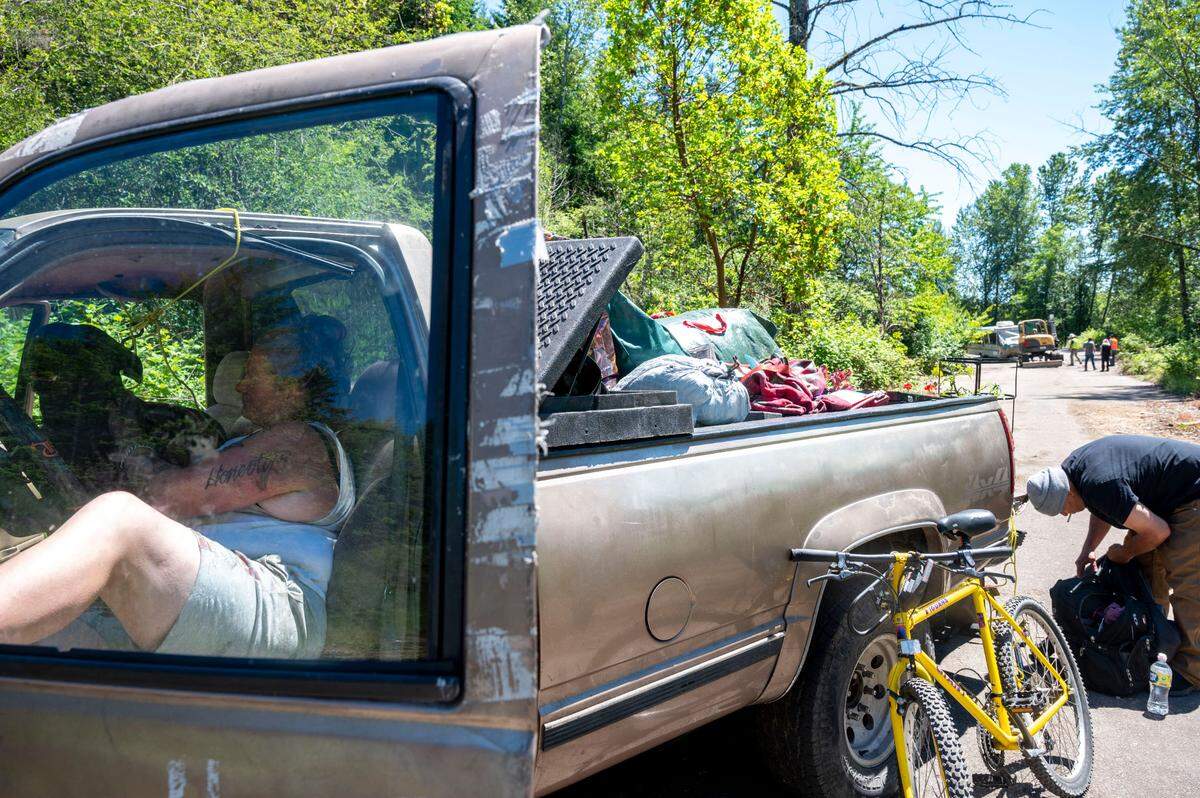
Why do people become homeless in Washington state?
With homeless populations — and misconceptions about them — increasing across Washington state, it’s important to remember that unhoused individuals are just like the rest of us, but without a place to go, Yakima Community Aid founder Silvia Leija Rosas said.
“(Unhoused individuals) have the same basic rights as anyone else,” Leija Rosas said. “They still live in the United States, and they are still protected by all the same amendments, by the constitution.”
According to the U.S. Interagency Council on Homelessness, more than half of the U.S. population is “one crisis away from homelessness.”
According to the Legal Action Center, many people living in public spaces are there due to “systemic failures” — including legal barriers, increasing rent, stagnant wages, inadequate reentry support for those with arrest and conviction records and “fractured” community health systems.
“Rather than returning to one of our country’s most shameful periods of disappearing people from sight and forcing them into large, abusive institutions... we should be breaking down the racist structural barriers that trap people in poverty and investing in equitable systems of care and support,” said Gabrielle de la Guéronnière, Legal Action Center’s VP of health and justice policy.
De la Guéronnière said the former is dehumanizing, financially irresponsible and perpetuates surveillance cycles, especially for people of color.
The vast majority of groups aimed at ending homelessness stress a focus on addressing root causes, including the U.S. Interagency Council on Homelessness and the National Alliance to End Homelessness,
Washington state also recognizes the importance of addressing causes of homelessness over targeting individuals.
“There are many causes of homelessness, including a shortage of affordable housing; a shortage of family-wage jobs which undermines housing affordability (and) a lack of an accessible and affordable health care system available to all who suffer from physical and mental illnesses and chemical and alcohol dependency,” the Revised Code of Washington says.
Other causes include domestic violence and a “lack of education and job skills necessary to acquire adequate wage jobs,” state law says.
What legal rights do homeless people have in Washington state?
All rights guaranteed to Americans apply to unhoused individuals.
Legally, arrests must be tied to illegal activity. Being homeless is not illegal in and of itself.
“It is not a criminal act to be homeless,” Leija Rosas said. “They are not a criminal for just not having a home, they are not a criminal for just existing in a space in a way that outwardly shows in the way that we would understand homelessness.”
Ever-shifting local ordinances can complicate the issue of legality surrounding homeless communities, Leija Rosas says.
“(Ordinances) change a lot, right, and they are enforced by the police,” Leija Rosas said. “A lot of the time they are enforced violently, they are enforced in ways that violate not just the person’s right to their private and personal property, but also to their own body, to their pets, to the places that they have, the dwellings that they have created as home.”
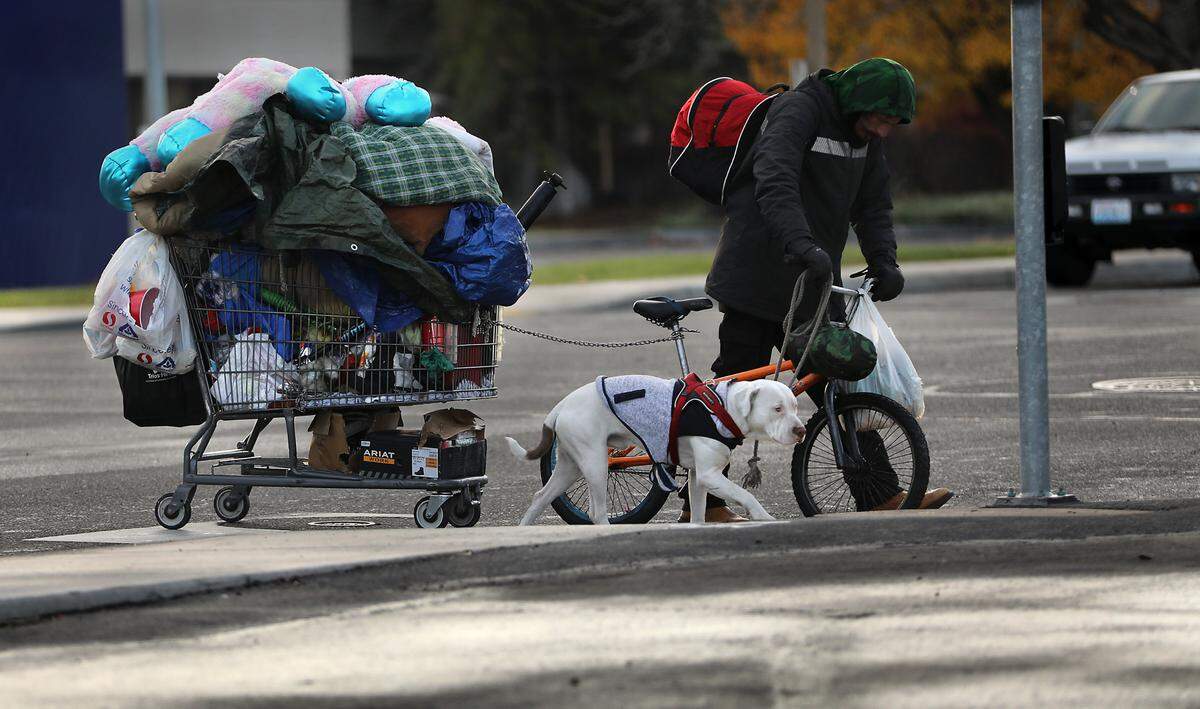
Another Washington organizer noted the tenuous nature of legal protections for homeless populations.
“In my six years of working directly with unhoused folks, I have yet to see a law I can point to that can protect them from the violence they experience from courts, police, the public, etc.,” said Bethlehem Girma, one of the founders of Bellingham Occupied Protest Mutual Aid.
The few legal protections that exist for unhoused individuals are often disregarded by police and courts, Girma said.
“For people with no access to the wealth that could bring out lawsuits, adequate legal representation and media attention, fighting for one’s rights is extremely difficult,” Girma said. “Our first step toward addressing this major issue is acknowledging these injustices and organizing long-term and mobilizing when needed.”
Leija Rosas said homeless folks have a right to their personal property, including tents and vehicles. State law requires local governments to store personal property and provide notice before confiscation.
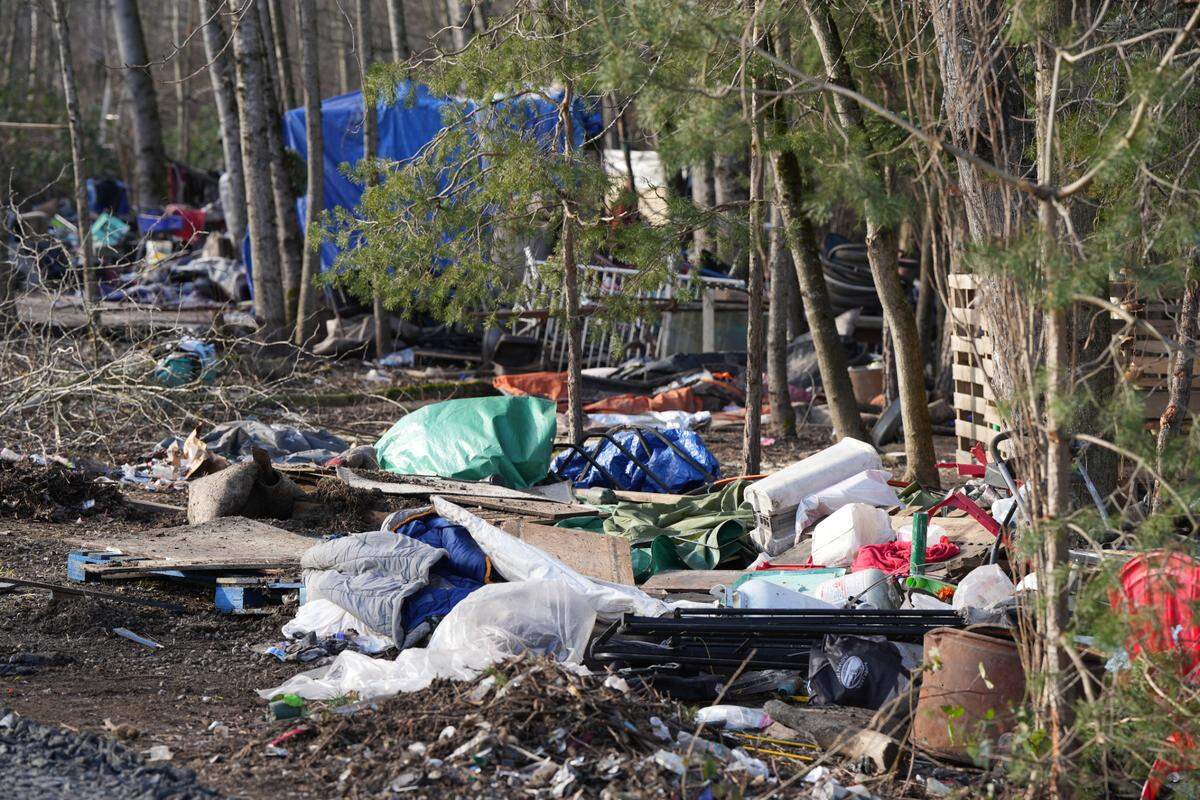
Additionally, it’s important to remember that panhandling in public spaces is legal in Washington state, protected by the First Amendment’s right to free speech. The U.S. Supreme Court has held that “charitable appeals for funds” are covered by the First Amendment, and that panhandling in “traditionally public” spaces can be considered as such.
Private property owners can legally prohibit panhandlers, allowing police to enforce no panhandling policies as trespassing.
“Basically, the base message here is that homeless people have the same rights to public space as others,” Leija Rosas said. “They are allowed to legally exist in public. That is not a crime.”
What resources are unhoused people guaranteed in Washington state?
Washington state law requires everyone has access to emergency shelters, warming centers and basic services, especially during extreme weather.
Washington residents are also granted protection from discrimination based on housing status.
Unhoused individuals cannot be denied access to shelters, public programs or employment services solely because they are homeless. They also cannot be denied jobs solely because of their housing status.
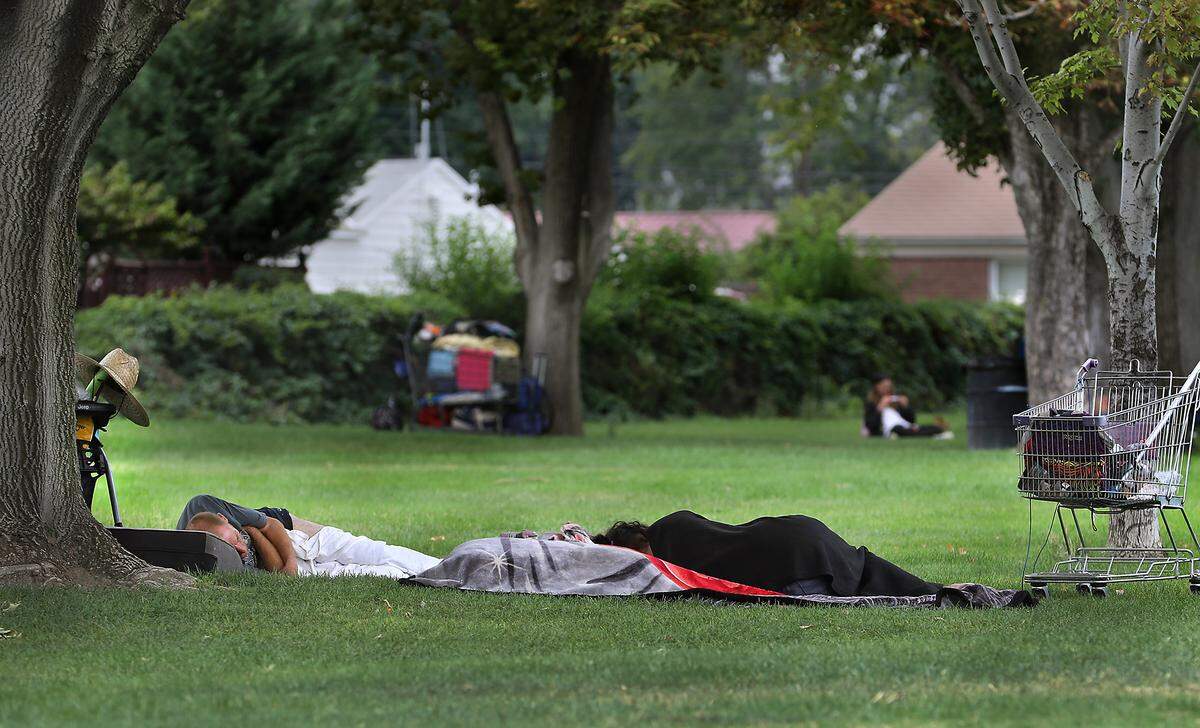
Some cities restrict camping in certain public areas, Leija Rosas noted, but unhoused individuals are still people, and people need to sleep.
If camping is prohibited everywhere, Leija Rosas said, homeless people will be forced to break the law for that basic human need.
Why is it important to know laws related to homelessness?
It is the complications of private property policies and local ordinances that introduce law enforcement intervention, according to Leija Rosas.
Increased law enforcement involvement leads to higher incarceration rates for homeless people and other ramifications, experts say.
“When incarcerated, folks often get removed from housing waitlists, evicted, fired and disconnected from services,” Girma said. “For all, including those who understandably are not in programs, these encounters with jails, prisons and police are deadly.”
This makes it harder for unhoused people to get off the streets.
Additionally, strategies that emphasize a “tough on crime” approach have a disproportionate impact on marginalized communities, according to experts.
Paul N. Samuel, Legal Action Center director and president, said such strategies “wasted huge amounts of money without making anyone safer.”
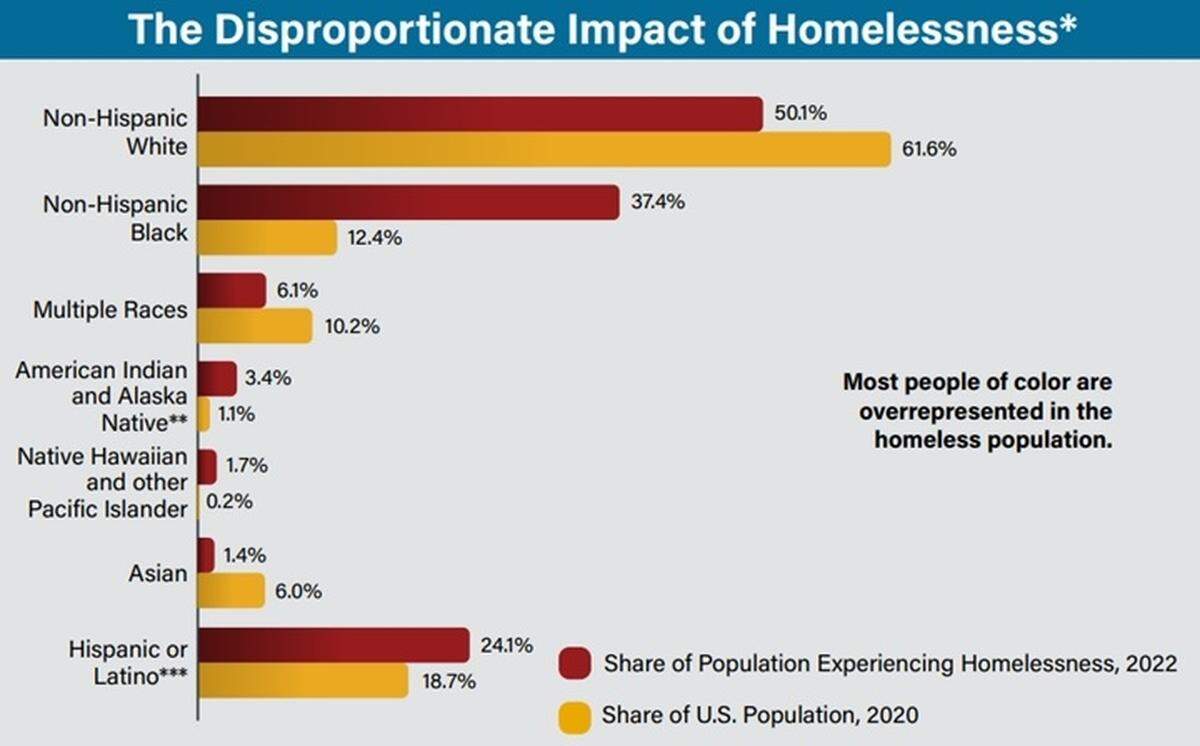
“Most people of color are overrepresented in the homeless population,” the U.S. Interagency Council on Homelessness said, along with other marginalized groups.
“Fight for unhoused folks because we need to stand up for our most targeted, but also understand that homelessness is an experience that is impacting more and more people each year,” Girma said. “Plugging in on local struggles surrounding tenancy, wage equality, health care access and schooling are all connected and all have a direct impact on our lives.”
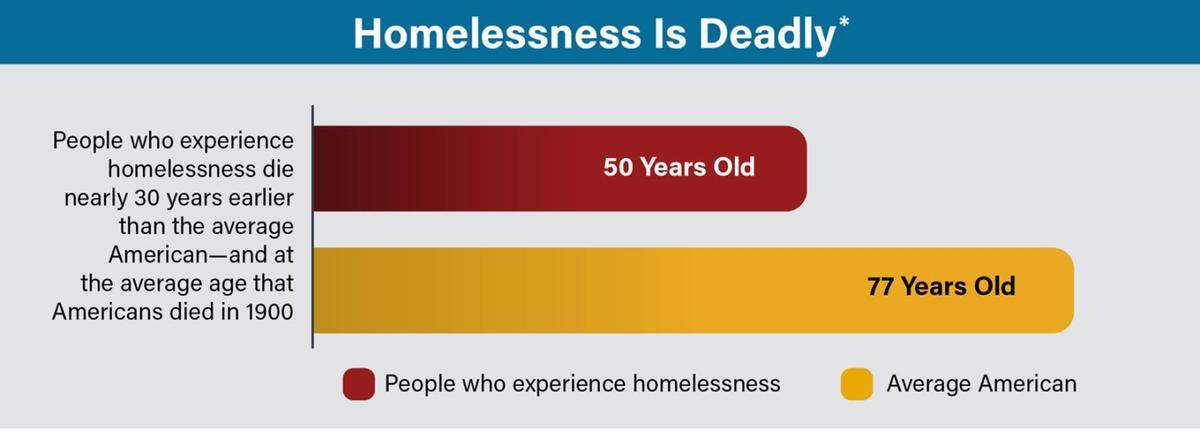
According to the U.S. Interagency Council on Homelessness, Americans who experience homelessness have an average lifespan of 50 years. In comparison, Americans as a whole live to about 77 years old.
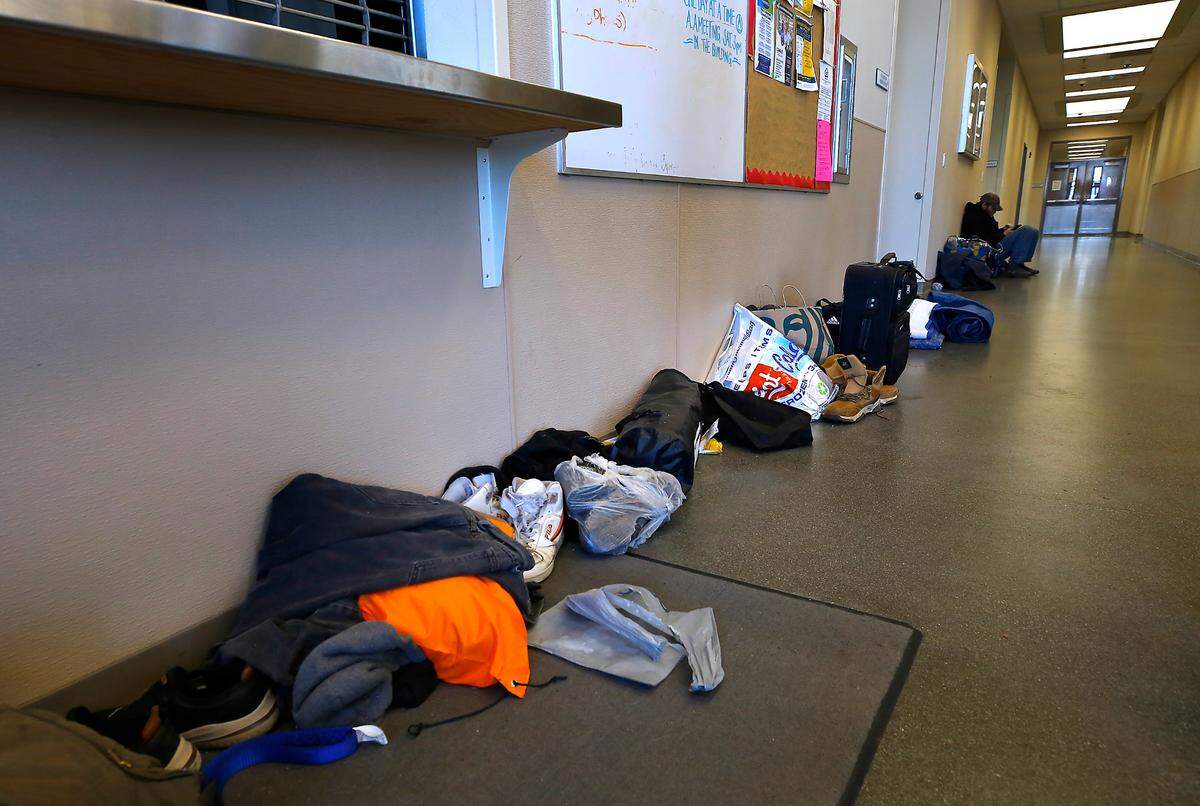
For these reasons, experts recommend supporting unhoused individuals through community rather than relying on police intervention.
How can I support my local unhoused community?
Simply donating to a shelter is not enough to support your local homeless community, Leija Rosas said.
While shelters provide vital services, those aren’t enough to support every person in need.
The biggest thing you can do is see unhoused peopled as individuals, Leija Rosas said, adding that providing people with comfort and stability is essential to helping them find homes.
“Our volunteers specifically have built a lot of relationships with the people who live on the streets,” they said. “It’s always a reminder that the people who live on the streets are part of this community… They’re not invisible. That is a human being. That is a person.”
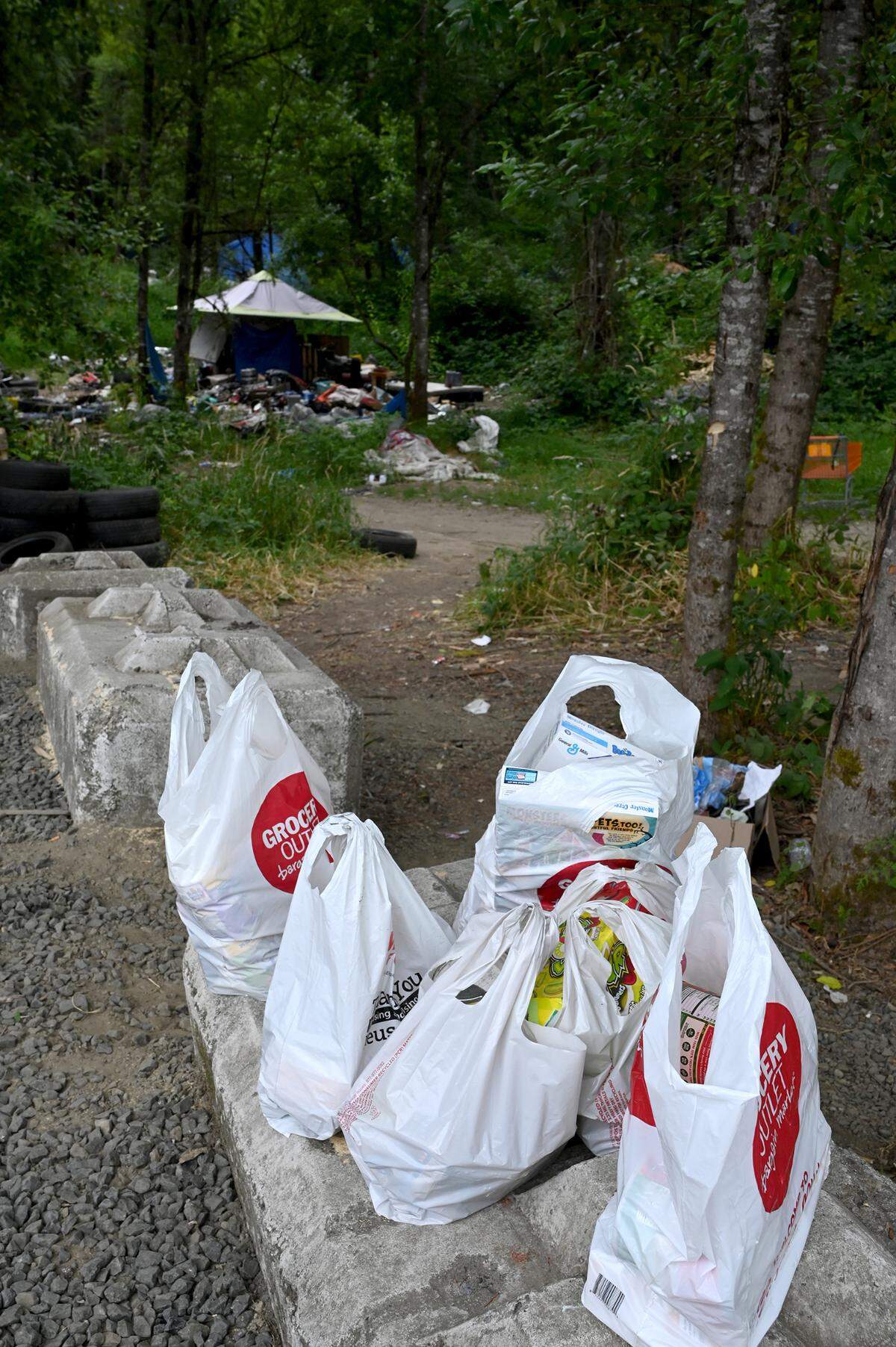
Both Girma and Leija Rosas stress the importance of not contributing to the social isolation of homeless folks.
Instead of ignoring unhoused community members, they said, have conversations with them.
“Really the best way to support homeless people, in any part of the state, in any part of the country, is asking them what they need,” Leija Rosas said.
They both recommend building a connection with unhoused people by learning their names, saying “hi” and asking how they’re doing.
If you’re near a store, ask if you can pick up something for them. Carry cash so you can help out when you don’t have much time.
“These are people that are a part of your community,” Girma said. “It is inhumane to not acknowledge that.”
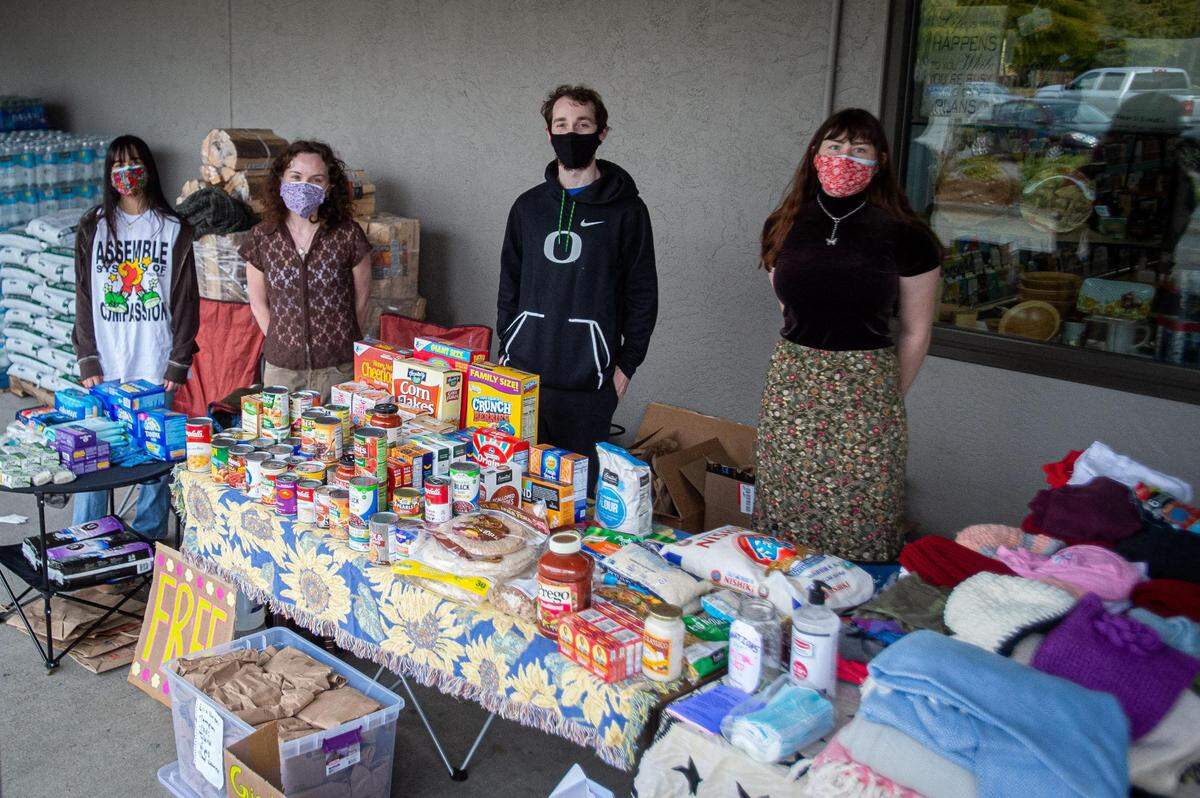
You can also join, support or donate to local mutual aid groups such as Yakima Community Aid and Bellingham Occupied Protest.
Some of the many other groups include Tri-Cities Distribution, Olympia Mutual Aid Partners and the Tacoma Mutual Aid Collective.
Other programs may benefit your unhoused neighbors. In Tri-Cities, local restaurant and venue Ray’s Golden Lion recently launched a Feed the Scene initiative, offering 10% off customers’ tabs if they pre-purchase a meal for a homeless person, an initiative popping up across the country.
While drug usage education and housing information are important ways to support homeless people, Leija Rosas said, it’s just as important to see individuals as humans with autonomy rather than a nuisance.
“Support for homeless people is the same support that housed people need,” Leija Rosas said. “We need to be acknowledged. We need to have a roof over our head. We need to have food. We need to be treated with autonomy. We need to be respected with dignity. And that is really it — homeless people are just like you and me.”
What resources are there for unhoused individuals in Washington state?
Washington state also offers several resources for unhoused people, including:
- A directory of homeless shelters across the state
- A guide to food assistance
- Washington Connection links related resources
- 211 connects people to community resources
- U.S. Department of Housing and Urban Development’s Washington page
This story was originally published September 14, 2025 at 5:00 AM.