Homelessness risk for Tri-Cities families climbing. What’s being done?
AI-generated summary reviewed by our newsroom.
- Tri-Cities reported nearly 8,000 unstably housed residents, half of them homeless.
- Families with children account for 43% of unstably housed or homeless.
- Cuts to federal aid programs likely drive rising housing instability in 2025.
The number of Tri-Citians with unstable housing continues to rise, with a dramatic increase in families at risk of becoming homeless.
State data shows more couples with children were unstably housed from January 2024 to January 2025, making up about half of the year-over-year increase in Benton and Franklin counties.
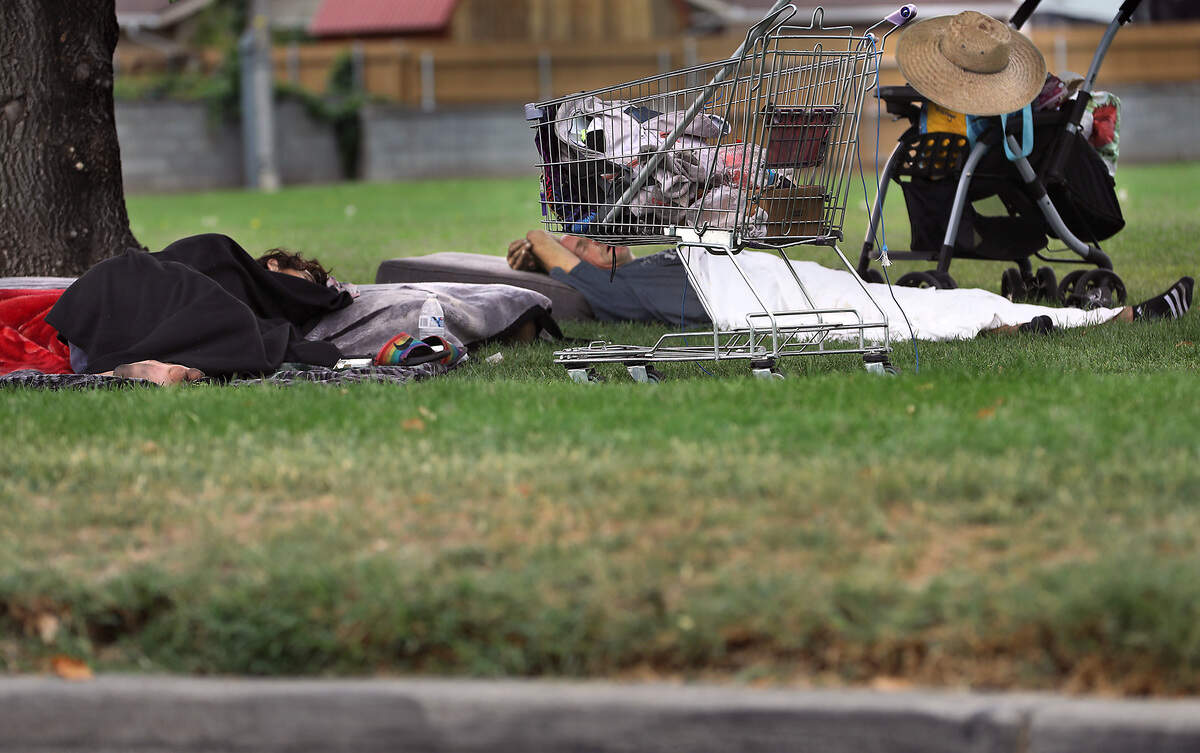
The report shows the Tri-Cities area is closing in on nearly 8,000 people considered at risk. The state considers nearly 5,000 of them homeless, according to new data released last week.
Like much of Washington state, the Tri-Cities has seen its rate of homelessness level off. There’s been an increase of just 115 in the past year, but it still isn’t declining.
How are these numbers compiled?
The Washington state Department of Commerce pulls address and living situation information from a variety of sources ranging from Medicaid and SNAP food stamp benefits to housing applications and information collected by social services outreach teams.
Unstable housing includes people considered “homeless with housing,” such as those who are couch surfing, using a general delivery address or the address for a community service office.
They’re also included if they are involved in a homelessness prevention program, the first month of a coordinated entry program after serving prison time or getting services at a day shelter.
The count also includes the homeless population.
The definition for “homeless” includes people living in emergency or domestic violence shelters, people in inappropriate living situations such as a house unfit for habitation or a car and people who are truly unsheltered.
It also includes those in transitional housing in their first month of permanent housing projects, including supportive housing like Bishop Skylstad Commons in Pasco.
Commerce officials then work to “unduplicate” the data, by identifying people who may show up in more than one way. The snapshot data is taken twice a year, in January and July, and released about six months later.
Because the methodology changes with access to better data, it’s not possible to accurately compare numbers across a longer timespan, such as 10 years.
The better known “Point in Time” count also is in January, and helps community leaders and volunteers identify the people with the most critical needs.
They typically are people who can’t, or won’t, stay at an emergency shelter for various reasons – often related to addiction or mental health.
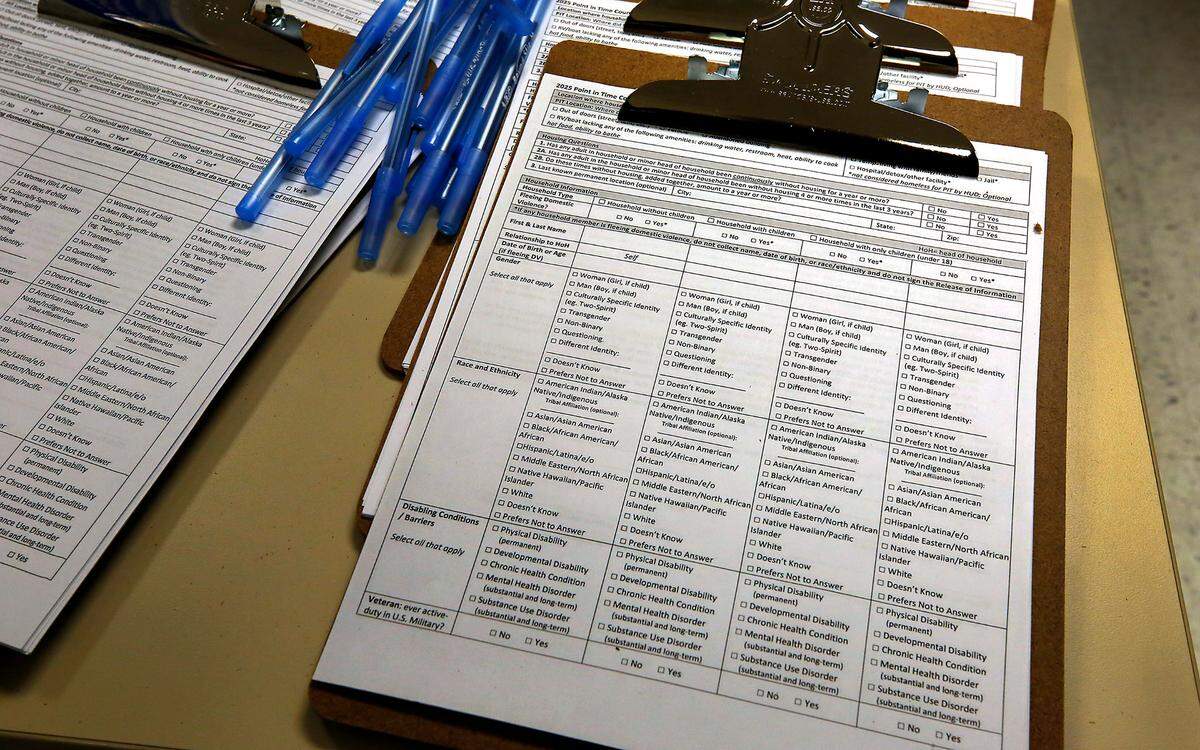
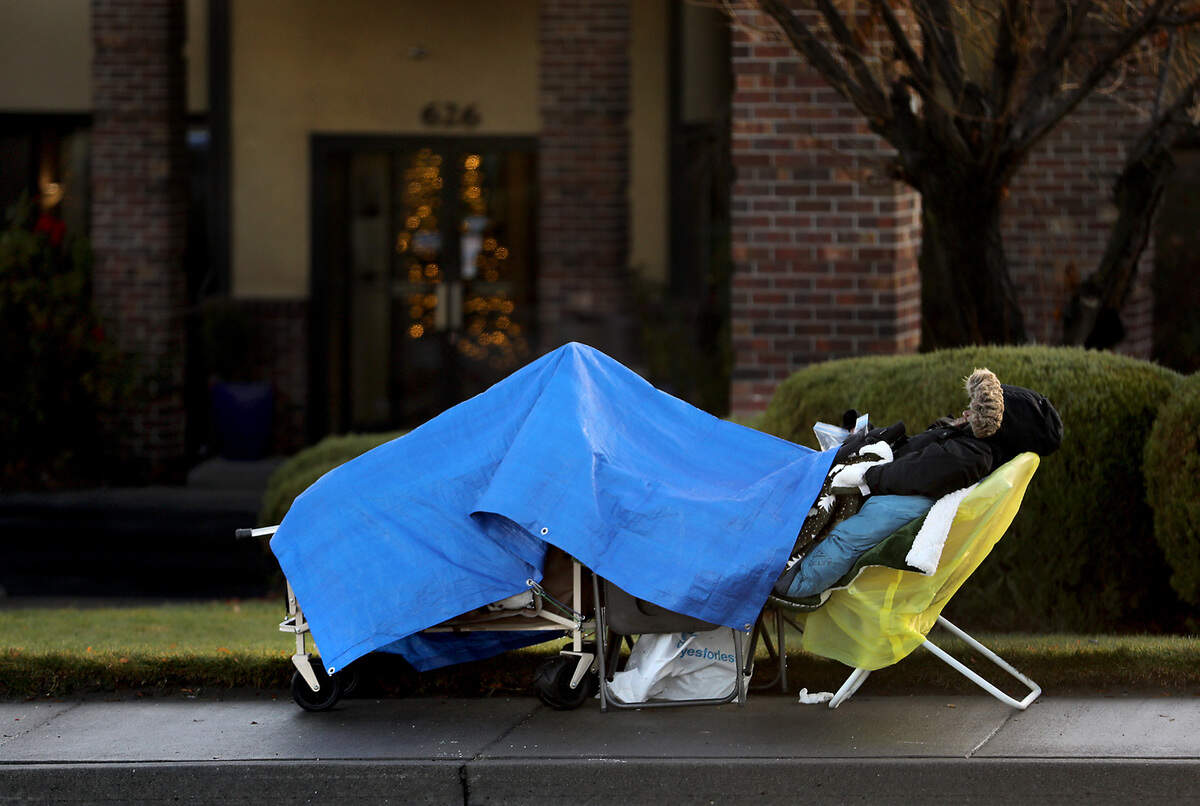
The 2025 count found that number also was holding steady, but not declining, with more than 120 people sleeping outside in temperatures of around 15 degrees during the early morning survey on Jan. 30.
Experts say that while the count doesn’t truly reflect the number of people homeless in a given city, it is still a vital tool for the organizations trying to help them.
What is clear is that homelessness and housing instability has risen significantly in the Tri-Cities over the past decade.
Housing Program Specialist Gloria Caldwell said there are some unhoused people who refuse help. The Columbia Valley Center for Recovery could be another resource for many of those people when it opens next spring.
Benton County Human Services Director Kyle Sullivan said that for many chronically homeless people, substance use and mental illness are a primary barrier to achieving stability. He thinks the center will be a huge help.
That ongoing need is echoed by nonprofits dealing with food insecurity in the area, with the numbers of families they serve remaining higher than ever. St. Vincent de Paul told the Tri-City Herald earlier this summer that they’re serving 1,600 families every week.
Department of Agriculture data showed that 1-in-6 Tri-Cities households were relying on SNAP food stamps.
The group Sullivan continues to be most concerned about in the Tri-Cities are seniors and people on disability or other types of fixed income that simply can’t keep up with increasing rents. They cannot easily find ways of supplementing their income to meet higher costs.
Families at risk
The number of families considered at risk of becoming homeless in Franklin County rose by about 64% while Benton County saw an increase of 35%.
That group makes up nearly half of all new people at risk, according to the commerce department data.
More than 1,500 of the 7,827 considered unstably housed in the Tri-Cities are part of a family with both parents and at least one child. Another nearly 1,900 are single parents and their children.
Altogether, parents with children make up about 43 percent of the population unstably housed or homeless in the Tri-Cities. About half of that number are considered homeless.
Sullivan said that funding during the COVID-19 pandemic helped keep a lot of Tri-Citians from becoming homeless, but the number still needing that kind of assistance has not dropped.
Families are still getting months behind on rent and finding themselves unable to get back on solid ground, he said.
“We’re seeing a lot of that, probably most of the people walking through our door,” Sullivan said.
Why are families more at risk?
Most of the federal programs and funding designed to keep people in their homes during COVID ran out last summer.
With the recent elimination of billions of dollars in Department of Housing and Urban Development funding and direct grants to nonprofits dealing with housing insecurity, experts believe the numbers will continue to rise.
About 400,000 nationwide could lose access to housing vouchers, according to a Center on Budget and Policy Priorities analysis
Sullivan expects that as federal aid dwindles, their office will see increased need. Most of their funding comes through the state and has been renewed through 2027, he said.
“I think with social services programs the need always far outweighs the resources, so I think in cutting these programs we’re going to see the need probably grow,” Sullivan said. “We’ve only got one HUD grant, so as of right now it has not been affected.”
Rising costs
It’s the potential changes to housing vouchers that have local experts most concerned. Those are the federal dollars that help low-income families, seniors or those with disabilities pay for part or all of their rent. Changes in eligibility requirements could remove many recipients.
Though growth in rent prices have decreased slightly in the first half of 2025, the average 2-bedroom apartment in Benton County is now more than $1,500 and in Franklin it’s over $1,400, according to University of Washington market research.
Sullivan said families are having a hard time keeping up between the rising cost of groceries and steep housing prices.
“I feel bad for young families, I go to the grocery store and I have half a shopping cart full of stuff and it’s like $200 to $300,” he said. “If you’ve got 2, 3, 4 kids, I feel really bad for those families because it’s hard making ends meet.”
Caldwell said that the county and local organizations are working with young families to help them navigate these obstacles.
The need goes beyond just help with rent, with local partners offering financial education and case managers helping families connect with other resources.
“We’re trying to build skills to achieve stability,” she said.
A community coming together
Caldwell said the Benton Franklin Housing Continuum of Care committee has brought together community, city and county leaders to take on these issues. She said that group has found their stride and are taking a more holistic approach to housing issues in the entire community, rather than just their own backyards.
“One thing that’s really good is that all of our cities are coming together and everyone’s listening to one another so we’re not in so many silos,” Caldwell said. “If we all get together, we can do more… “
Beyond that, what could make a big difference is more privately developed affordable housing, she said.
The Tri-Cities area also has several public and nonprofit projects in the works to meet the need for more affordable housing.
Those projects include a Kennewick Housing Authority initiative planned for East 13th Avenue and Gum Street, an expansion at Tierra Vida in Pasco, more emergency domestic violence housing and a Habitat for Humanity plan that could see public lands near Road 68 in Pasco turned into affordable housing.
“It’s not all doom and gloom,” Sullivan said. “I think there are a lot of positive things we have going on in our community and there are a lot of genuine people out there that want to be part of the fix.”
This story was originally published August 31, 2025 at 5:00 AM.