Construction just got more expensive in one booming Tri-Cities neighborhood. Here’s why
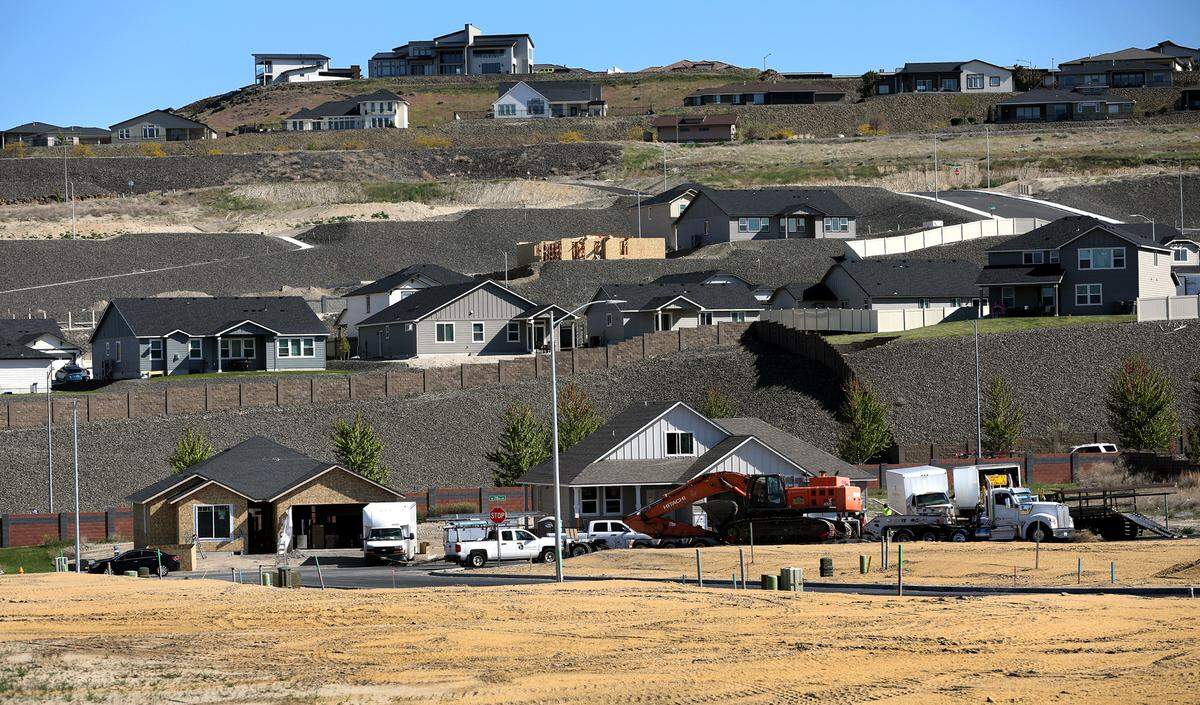
Tri-City developers will now pay thousands of dollars more to build in Southridge neighborhoods.
New fire impact fees in the area go into effect May 1, adding an additional $1,100 to each new single-family home and $1,200 per apartment unit built.
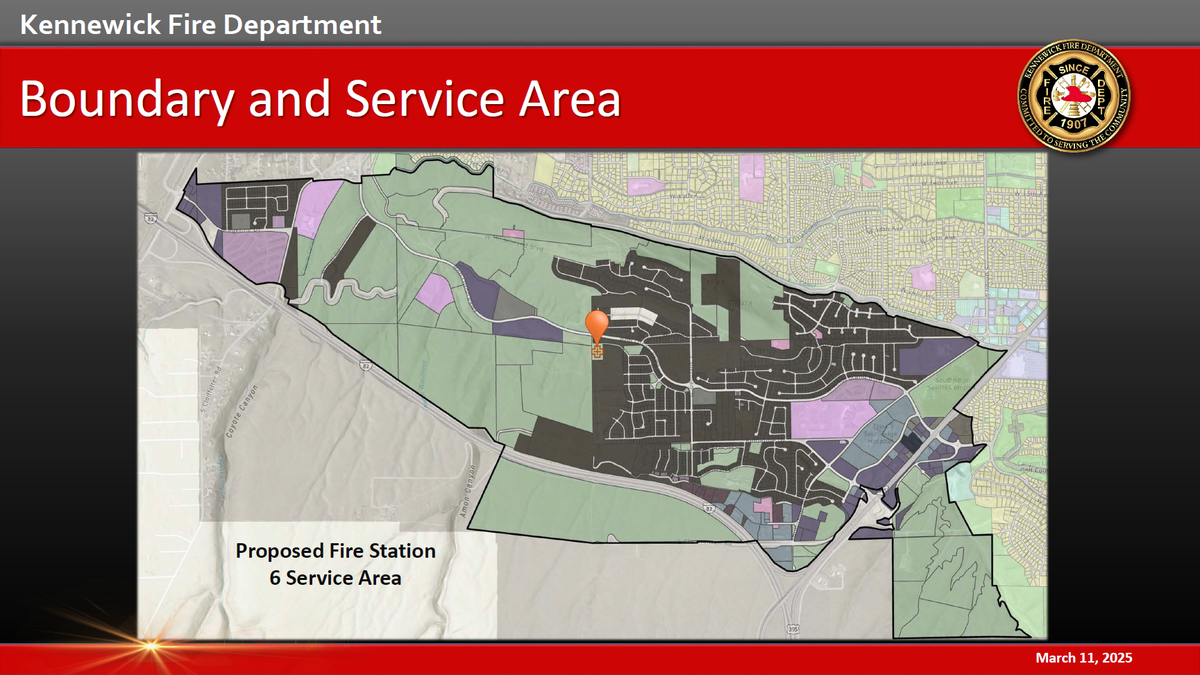
These developers will be paying their share of the cost to build, finance and equip a new $23 million fire station planned at the corner of Bob Olson Parkway and Colorado Street.
The Kennewick City Council recently adopted the fees and defined boundaries of the taxing area, which is mostly south of the Highland irrigation canal and west of Highway 395.
A utility fee hike passed last year will pay for hiring more fire department employees.
The council also has asked for more information on the feasibility of creating a citywide fire impact fee that would pay for fire services throughout the city of 85,000.
Some argued that the cost of the growth should be shared across all new development. It’s mutually beneficial since new fire stations and equipment will ease the burden for older fire stations.
City Manager Erin Erdman told the Tri-City Herald her staff will study the city’s expected future needs and present the council a draft fee schedule in the coming months.
It’s possible Southridge’s fees could decrease by expanding the burden citywide, but it’s not guaranteed, she said.
For now, the city council passed the fees specifically for the quickly growing Southridge area to collect the revenue from new development.
Mayor Gretl Crawford, who owns her own home construction and design company, says she’s explained the needed revenue to home builders and hasn’t had much pushback.
“We are leading the way in the Tri-Cities with what we do with our city, and how we do things and the quick turnaround time, and yet we are still some of the least expensive for permit fees,” she said at the meeting.
It will be up to home builders to determine how much of that new cost will be passed on to home buyers.
WA impact fees
An impact fee is a one-time charge applied to developers to offset the cost of new services for the new development.
The city’s goal is to prevent existing taxpayers and residents from bearing the full cost associated with growth, and ensure developers pay no more than their fair share.
Impact fees aren’t new, they’ve been used in growing Washington communities since 1990, Kennewick Fire Chief Chad Michael said in a council presentation.
But they’ve grown in use as local governments look to extend services into newly developed areas, and as traditional financing models — such as bonds and levies — wane in popularity.
Over the next 20 years, Kennewick officials expect the Southridge area to continue its substantial growth from commercial to residential. That includes the expected construction of 3,500 homes, 1,800 apartment units and more than 1 million square feet in new commercial-office space.
The fees on certain building types are based on existing fire and emergency medical call volumes. The fewest calls are for service are made to industrial and storage facilities and the most are to residential care facilities.
The fee schedule is:
- Single-family residential: $1,112 on each building
- Multi-family residential: $1,241 on each unit
- Residential care facility: $6,887 on each bed
- Hotel and motels: $1,528 on each room
- Office space: $1.29 per square foot
- Assembly or gathering space: $1.67 per square foot
- Retail and commercial: $1.23 per square foot
- Industrial and storage: 13 cents per square foot
The fees are a steep jump for developers.
For example, a 50-bed elderly residential facility would pay nearly $350,000 in fire impact fees, while a 200-home subdivision would pay about $222,000.
The council chose the schedule over an alternative that didn’t include financing costs for the station construction. Those fees were cheaper, about 40% on average.
The city plans to re-evaluate the schedule every two years in conjunction with the biennium budget to adjust for capital needs and development trends.
Under the plan, Kennewick will raise $10.5 million in fire impact fees while using $11.7 million in existing “non-growth” revenues and another $1.1 million from the general fund.
The council voted 5-2 to establish a fire impact fee system, with council members John Trumbo and Brad Beauchamp opposed.
Trumbo said he opposes the concept of impact fees in general.
The resolution setting the specific fee amounts was adopted 4-3, with Crawford, Beauchamp and Councilman Loren Anderson in opposition because of the high cost.
The city hasn’t broken ground on Station 6 yet, but plans to eventually build the facility on a city-owned lot in the Southridge area, where it will serve current and future emergency service needs.
The city needs about $15 million to build the 12,500-square-foot station and equip it with a fire engine, medic unit and equipment.
But it plans to finance the station and equipment with a 20-year government bond with an estimated interest rate of 4.5%. The annual debt service is expected to be more than $1 million, totally up to a $23 million price tag.
Michael hopes to have the facility opened in 2027, when demand for service in that area is set to hit 1,000 annual calls.
This story was originally published May 1, 2025 at 5:00 AM.