Here’s 1 big tip to save on your grocery budget, Tri-City shoppers. And it’s an easy one
Tri-Cities families feeling the pinch from rising food costs have a simple way to lower their grocery bill: Eat your leftovers.
“The best available data says that an average family could save about $1,500 a year just by preventing their food waste,” said Jade Monroe, food center lead at the Washington Department of Ecology.
“Really, what that looks like is using the food you purchase well,” Monroe said. “That might mean meal planning, doing smart shopping and looking at your food storage and properly storing food after you buy it.”
More than 1 million tons of food waste is sent to Washington landfills every years. Half of that is edible food.
That’s enough to make 105 meals for every person in the state. And it’s an issue that’s affecting the environment, economy and communities, she said.
Ecology and Eastern Washington-based nonprofit Second Harvest teamed up this week to raise awareness of the issue at a mobile market in Kennewick, where they handed out free food to 250 families.
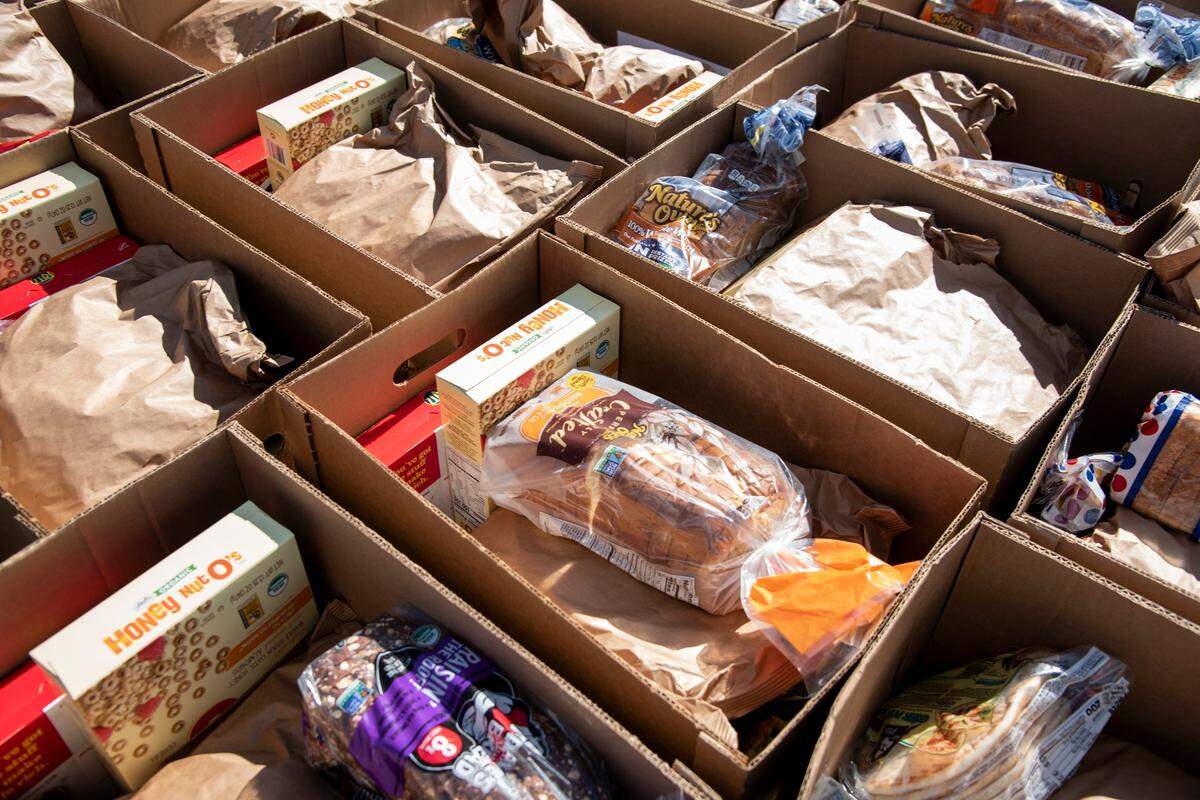
The distribution event also took place during National Food Waste Prevention Week, which runs April 1-7, as well as in tandem with a new food waste campaign the state agency is organizing.
Nearly all the boxes of donated goods were sourced from local grocers and farmers, and were items that otherwise would have been thrown out. That includes quality meats, peppers, bread and even some shelf-stable products, including Spam.
“We say it’s the first harvest that makes the Second Harvest possible. And, literally, you will see some gorgeous food back here and it’s all donated,” said Eric Williams, community partnerships director with Second Harvest.
Food inflation
The cost of food has risen substantially in recent years. Overall grocery prices in the U.S. have risen about 25% since January 2020. Inflation increased 19% over the same length of time.
And the reasons vary. Higher labor costs, record-low cattle numbers, and corporate price gouging — known as as “greedflation” or “shrinkflation” — all contribute to shoppers spending more at the cash register, CBS News reports.
The issue comes at a time when the country continues to see heightened levels of food insecurities. Feeding America estimates nearly 27,000 in Benton and Franklin counties — or more than 9% of the Tri-Cities population — faced food insecurities, according to 2021 data.
While most of Second Harvest’s food is donated, Williams said food inflation still impacts the nonprofit.
“Ninety percent of the food that we distribute is donated. But the food that we do buy has gone up,” he said. “Even monetary donations, the number of people donating is still about the same but donation amounts have gone down some.”
“Most importantly, inflation is just hammering the people who are here today who need food. They have to choose, ‘Are we going to buy gas, are we going to buy food, are we going to pay rent?’” Williams said.
Second Harvest regularly hosts its “mobile market” refrigerated truck at several locations throughout the Tri-Cities. The market can transport up to 10,000 pounds of food and help volunteers distribute enough to feed 300 families.
The Church of Jesus Christ of Latter-day Saints building at Olympia Street and 45th Avenue has been hosting the food truck every other month for about a year now, said Ron Fryer, a communications director with the church.
“The churches around this area are confronted with (food insecurities) on almost a daily basis. And it seems to be a growing trend with the homeless,” Fryer said.
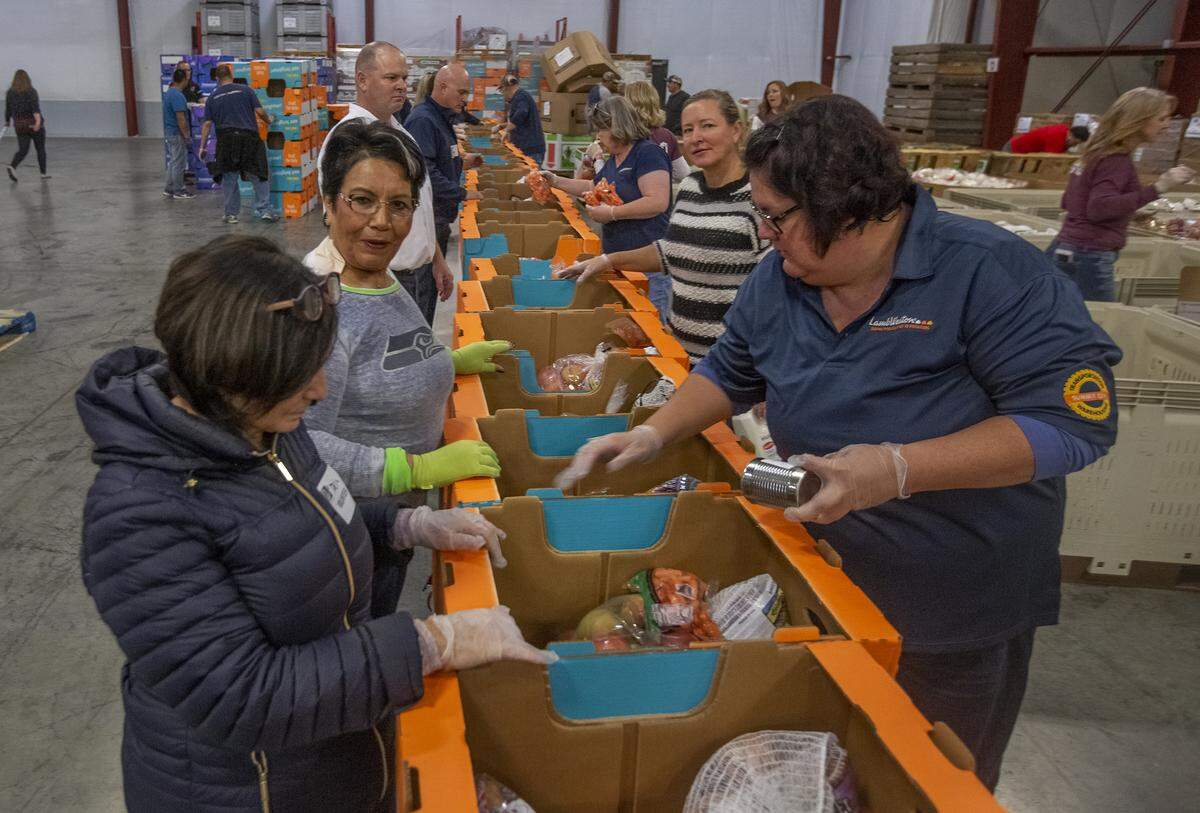
WA Ecology’s ‘Use Food Well’ campaign
Ecology launched a new campaign this month to cut unnecessary food waste in half by 2030.
The “Use Food Well” campaign aims to educate the public on how to reduce waste while shopping and at home. Reducing food waste can increase food security for families, reduce climate impacts and help Washington residents save money.
It’s the first time ever Washington has implemented a food-waste reduction campaign, Monroe said.
“When we look at why food waste happens, it happens across the food system, and we all have a part to play with food waste,” she said.
Food becomes waste through a number of avenues: Expired produce gets thrown out at restaurants, leftovers get left in the back of the refrigerators in homes, or food will be thrown out for no particular reason at all.
Monroe said they’re partnering with more than 140 Safeway and Albertson stores to include their “Use Food Well” educational and awareness resources while shopping.
“I think the more we can celebrate food as a part of our culture and really spend time with it — maybe it’s trying those new recipes or really making sure we store it well after we buy it at the grocery store — we can find that ‘why’ in different ways and feel like you’re part of the solution,” Monroe said.