Soaring food prices and holidays push ‘very high’ demand at Eastern WA food banks
Jean Blok is ready to go — even as the morning sun meets the first frost of the season.
Clad in a blue plaid shirt and fleece gloves, she waves a car forward with one hand while holding a traffic sign in the other.
Once the vehicle’s stop, she asks the driver in a warm tone: “How ya doin’?”
She’ll repeat this process hundreds of times until the day’s done.
Blok is one of 20 volunteers from Hillspring Church who showed up last week to Second Harvest’s mobile drive-through food distribution site at Eastgate Elementary. The group gave away nearly 8,300 pounds of fresh produce, dairy products and shelf-stable food to about 250 families in need.
In fact, the group from Hillspring has been volunteering at the Eastgate site, hosted monthly on the first Thursday of each month, for about 2 1/2 years.
“It’s a completely different life living with poverty,” said Blok, 61, of Richland. “People always say, ‘I don’t know how I could pay you back,’ and I say, ‘It’s not about paying it back. It’s about paying it forward.’”
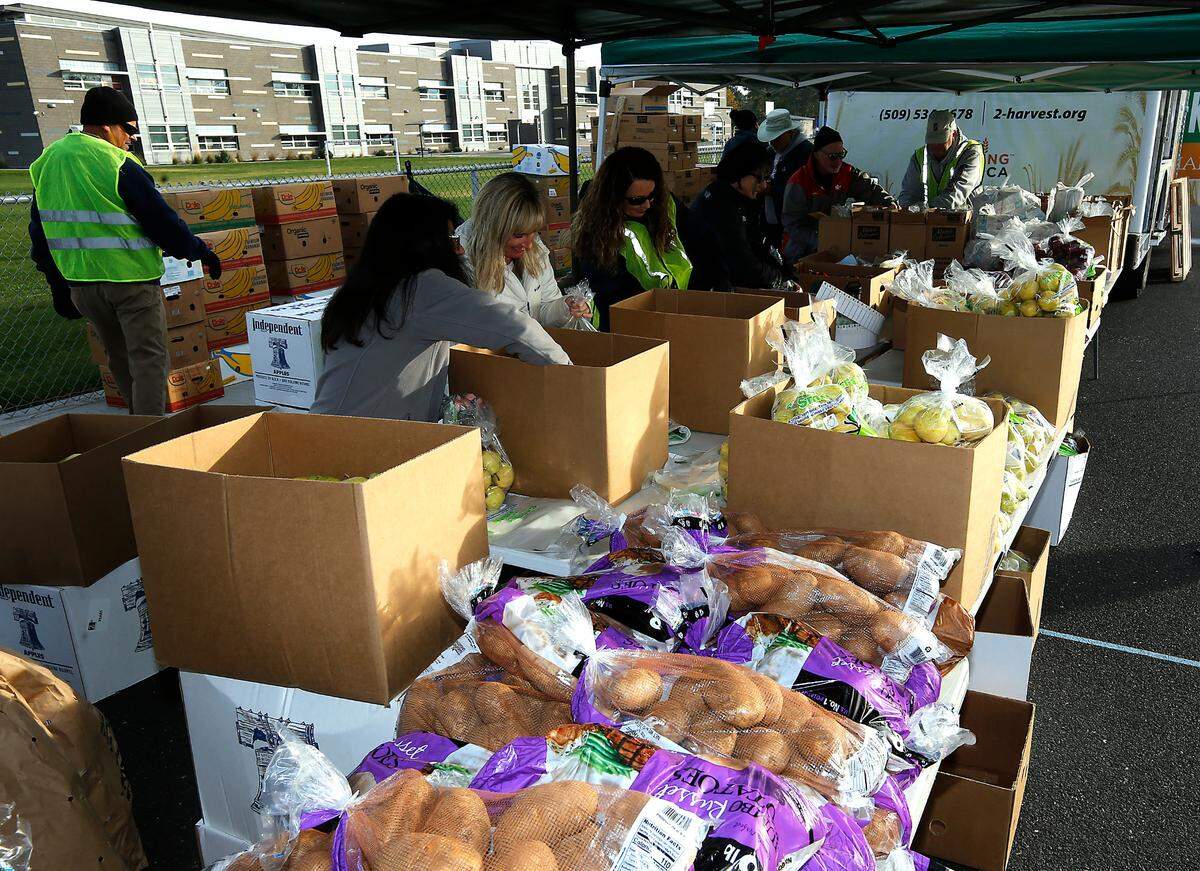
And more people are struggling by the day.
Rising inflation has impacted working families and neighbors on fixed incomes. Workers are still facing effects from the COVID pandemic, and some have had their hours cut.
But charitable food producers also are continuing to feel the pinch.
Food costs have risen very fast the last year, said Jean Tucker, Second Harvest’s philanthropy manager. Regional farmers also have reported lower-than-normal crop yields this year, too.
That means less food for families who need it most during the holidays — like for those living near Eastgate.
“Many people are having to turn to food banks for the first time, and we’re now seeing the effects of inflation, and Second Harvest is feeling those effects. Food donations are down at the same time the need is very high,” Tucker said. “We’re asking for the community’s help to bridge that gap between what we have available and what’s needed.”
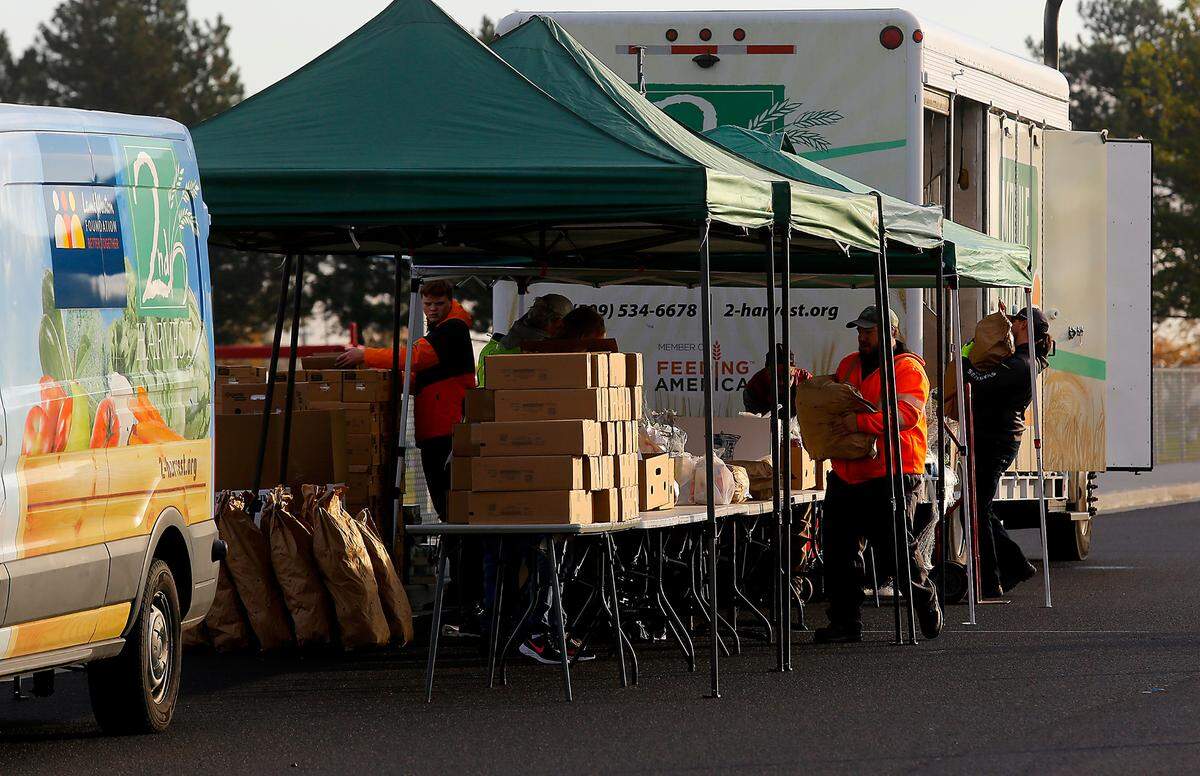
Over the summer, Second Harvest’s partner agencies saw a 45% increase in the number of people who were using their food banks.
The number of Second Harvest partners — that’s the food pantries, food banks and meal programs that partner with them — that aren’t receiving enough food to meet the demand has more than quadrupled since June 2021.
Tucker said demand for food services usually goes up around Thanksgiving and the holiday season.
Food, funds and friends
Second Harvest says they’re always asking for three things: More food, funds and friends.
Volunteers can register online to help sort and repack food at their Pasco facility. It’s a fun and safe way to get out and meet new friends, Tucker said.
Or you can also donate to Second Harvest, which helps them source food for families.
Every $1 given provides food for five meals, Tucker said.
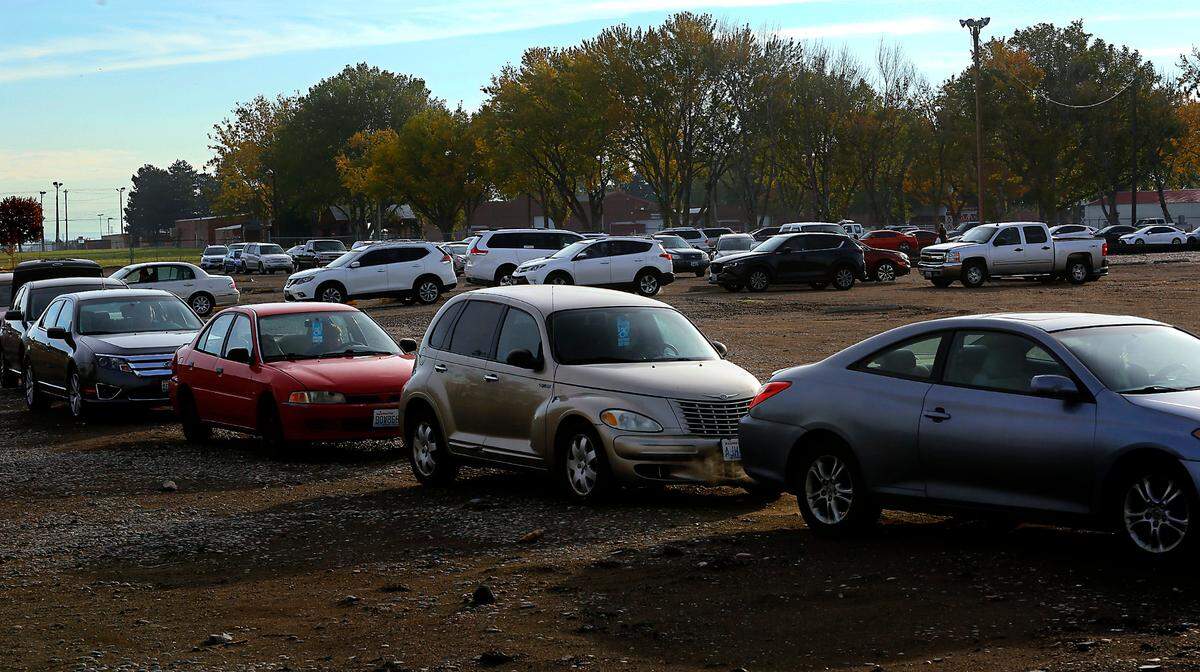
Those with bulk food donations can also contact Second Harvest. Their phone number is 509-252-6247. Their greatest need right now is non-perishable foods.
A Spokane-based nonprofit, Second Harvest supplies a network of partner food banks, meal sites and other programs that feed people in 21 Eastern Washington counties and five in North Idaho.
The organization operates a Pasco distribution center off Burlington Loop that serves nine counties, including the Tri-Cities, and contributes to moving more than 40 million pounds of food annually.
Turkey drive
The nonprofit’s annual Mid-Columbia and Yakima Valley Turkey Drive will be more important this year than ever.
Their goal this year is to raise enough funds to feed 2,500 in-need families, from Yakima to the Tri-Cities. About 1,100 of those alone will be in the Tri-Cities.
For a donation of $30, community members can ensure that one family gets a turkey and Thanksgiving meal. Second Harvest will distribute the meals the week of Thanksgiving at sites in Yakima, Sunnyside and Kennewick.
Tucker said they’re also partnering with Ben Franklin Transit to donate 100 turkeys to families without vehicles.