
Water near Tri-Cities closed due to toxic algae. Columbia River being monitored
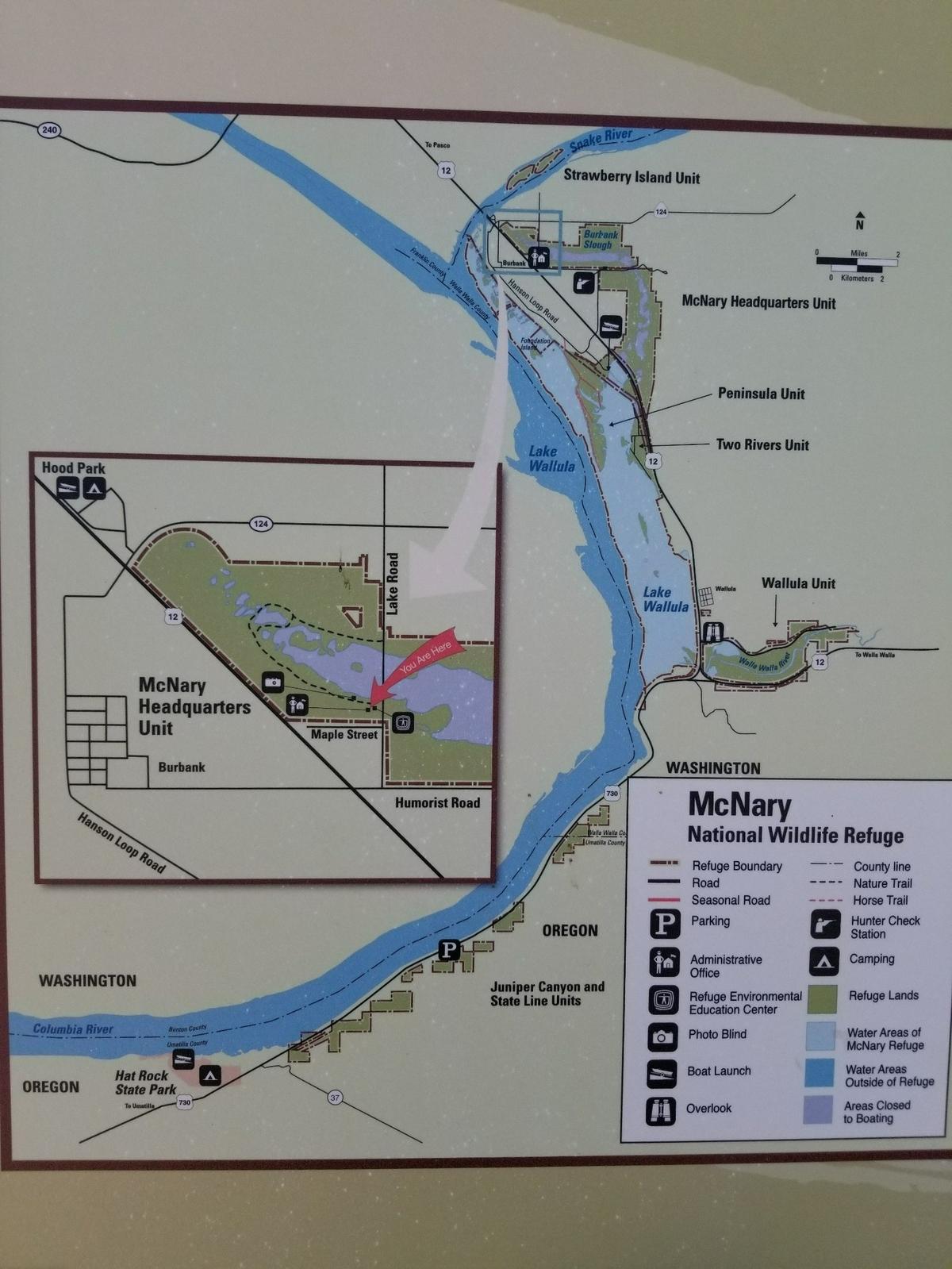
A month after toxic blue algae was found in water in the Burbank area just east of the Tri-Cities, areas of the McNary National Wildlife Refuge remain closed.
Repeat testing shows continued elevated levels of the algae, which is actually cyanobacteria, in sloughs that are popular areas for waterfowl hunters.
However, a new monitoring program coordinated by the Benton Franklin Health District has found none of the bacteria at levels of concern closer to the Tri-Cities in the Columbia River this year.
Last summer at least three dogs died after playing in the Columbia River in or near the Tri-Cities before the cyanobacteria was identified there. In some cases they became sick so quickly that they died before their owners could get them to a veterinarian.
The toxin in the Columbia River surprised public health experts who had not seen it there before. As a result, sampling of river water has been done every two weeks since July.
Cyanobacteria can kill not only pets, but also waterfowl and other animals and there have also been serious illnesses in people reported.
People and animals can be exposed to the cyanobacteria through skin contact from swimming or wading in contaminated water, by drinking it, by breathing in tiny water droplets or by eating fish or shellfish.
Visitors to closed sloughs at the McNary National Wildlife Refuge should keep their dogs out of the water and should not swim, fish, boat or drink the water until testing shows the toxins dropped to safe levels, says the Walla Walla County Department of Community Health.
People who see water in Benton and Franklin counties that could be toxic algae — not just in the Columbia River but also the Snake and Yakima rivers — can report it to the Benton Franklin Health District, which will be doing additional testing if problems are suspected. Call 509-460-4205.
You should avoid water that looks, foamy, scummy, pea green, is thick like paint, is blue green or is reddish, according to the health district.
There is no way to be sure whether the water is toxic without testing.
“When in doubt, stay out,” says the health district.
.jpg "Toxic Algae Flyer 11X15 BFHD QR CODE FINAL (1).jpg")
Contact with contaminated water can cause irrigation to skin eyes, nose, throat and lungs.
Swallowing contaminated water could cause symptoms such as stomach pain, headache, vomiting and muscle weakness or dizziness. Seeking medical attention is recommended.
To check for places in Washington state with current algae blooms, go to www.nwtoxicalgae.org/. Information also can be found on the Benton Franklin Health District website, bfhd.wa.gov, by searching for “toxic algae.”