
‘Things were going to change.’ Former PNNL director reflects on 9/11 after 20 years
Mike Kluse had a front row seat for the events of Sept. 11, 2001, and for its aftermath.
As five Saudi men took over American Airlines Flight 77 and piloted it toward the Pentagon, Kluse was on the Washington, D.C., subway heading for a meeting.
The Pacific Northwest National Laboratory’s director of national security didn’t realize he was on one of the last Metro trains through the Pentagon en route to the Department of Energy that morning.
And he wouldn’t learn until later how it dramatically it would change the national security industry and, as a result, the technological mission of Richland researchers.
By the time his train arrived at his destination, one plane already had hit the World Trade Center’s north tower in New York City. They were speculating what could have happened. But when United Airlines Flight 175 hit the second tower, they knew it was a terrorist attack.
The Forrestal building he was in went into high security mode, and Kluse was invited to stay inside the security facility to ride out the events of the day.
“So it was intense at that point in time, lots of security people running around the building, trying to be sure it was secure, trying to locate visitors,” he said. “We all knew that things were going to change in the national security and homeland security front dramatically.”
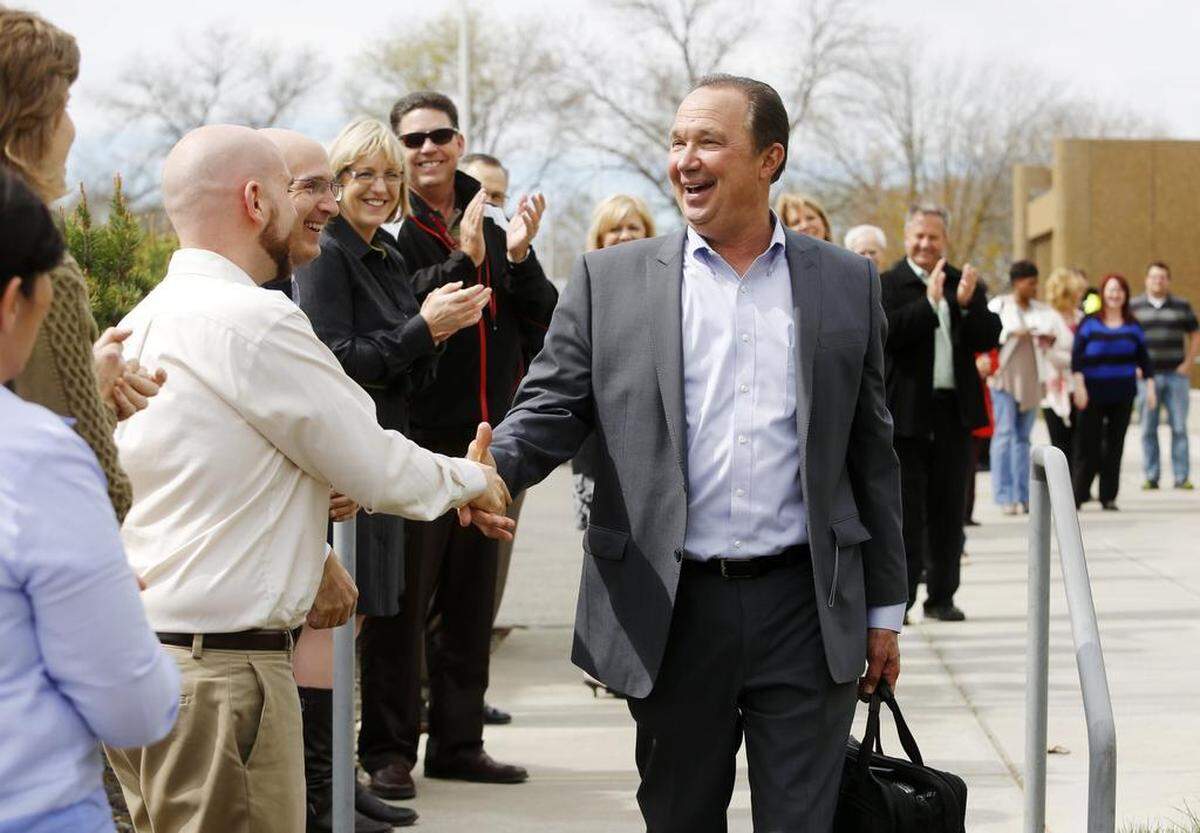
He told a PNNL podcast that he didn’t think about how close he came to disaster at the moment. There was so little information to be digested about the attack, that it kept him from thinking about it.
“.... But I did reflect on the fact that, boy, I came through there in the nick of time,” he said.
In the aftermath
After the planes hit the buildings, Kluse wanted to call his family and PNNL colleagues, but communication systems were overloaded.
Once he got out of the basement of the Forrestal building, it was impossible to make a call because all cell lines were jammed as people tried to reach their loved ones.
“My immediate thought was to get just up the street, so I could make calls back to both my wife and the office and assure them that everything was OK,” he recalled.
By 5 p.m., he took an eerily empty Metro ride to his hotel and eventually got to sleep, only to wake up to the smell of smoke.
“My fear was there’s a fire in the hotel,” he said. “So I did all of the things you’re trained to do right? Feel the door, be sure it’s not hot. It wasn’t. Look out in the hallway. I didn’t see any issues there. And what I realized was that the hotel was downwind from the Pentagon. The Pentagon was still on fire from the airplane having crashed into it, and that smoke was blowing into the hotel.”
With all of the airlines shut down in the wake of the attack, they had to wait in Washington, D.C. When flights resumed, he headed back to Tri-Cities and to an enhanced mission.
Security technology
“It was pretty clear to me that things were going to change, particularly in the national security business in a dramatic way,” he said. “So one of the first things I did was I pulled together a number of the folks that were part of my leadership team to talk about what could PNNL do to help with the challenges ahead.”
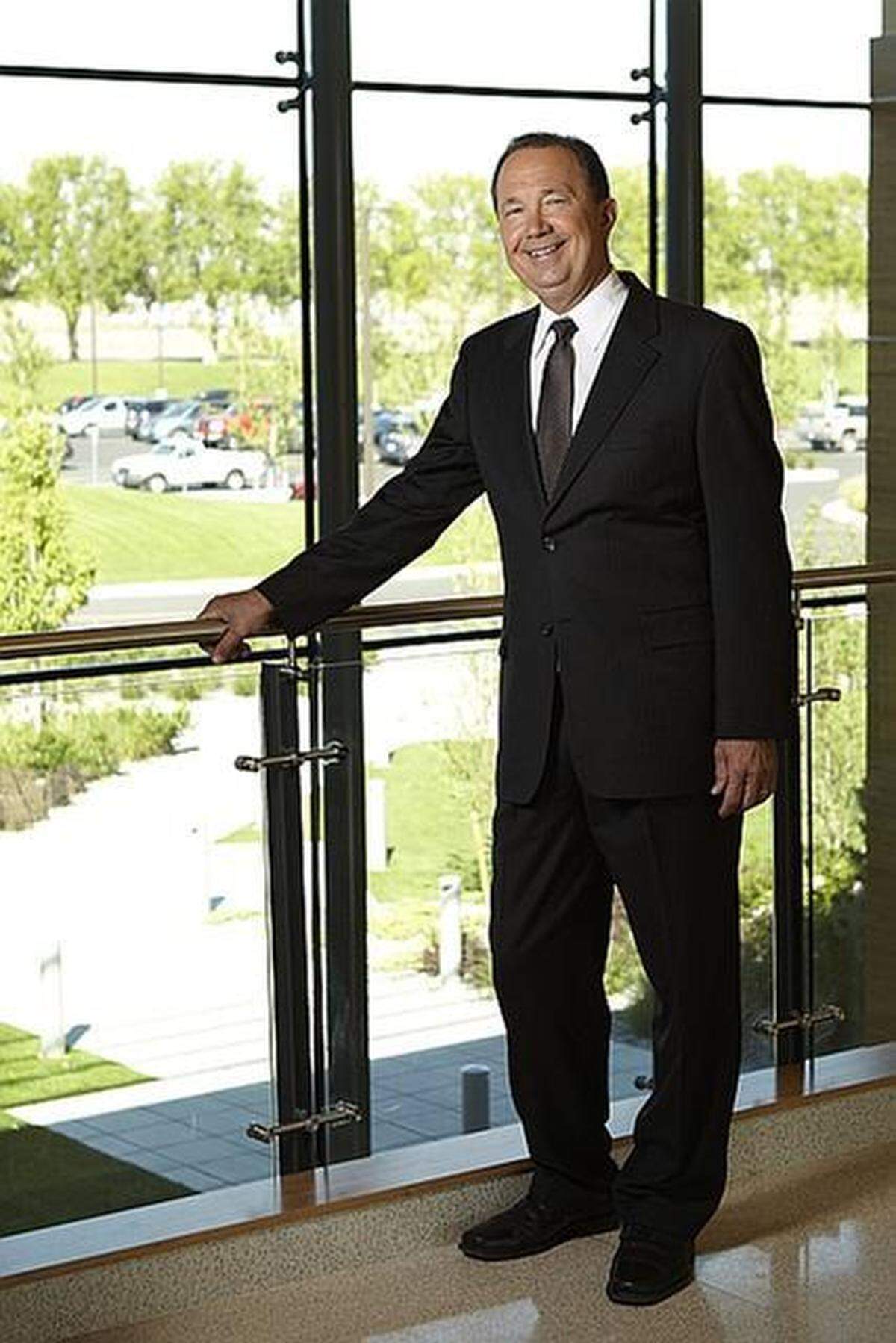
That was beginning of the lab’s Homeland Security Initiative — a five-plus year push to invest in advancing their technology.
During the intervening years, Kluse moved into the director’s position at the lab and PNNL helped shape a lot of the technology that improved safety in the U.S.
That included the millimeter wave technology used for body scanning at airports, improve cybersecurity and explosives detection technology.
One improvement was in data visualization.
As intelligence agencies tried to determine how they could have missed signs leading to the attack, they discovered the information was there but in the hands of different agencies.
The laboratory helped develop technologies to help analysts see those disparate sets of ideas more clearly.
He reflects on the lab’s accomplishments every time he fly’s, he said. He has a real sense of pride when he sees the millimeter wave scanner.
“I’m pretty proud of the people at PNNL who made that happen,” he said. “They are truly dedicated to the mission.”
Now 20 years later and retired from the laboratory, he doesn’t think the memory of the attacks has faded.
“I don’t think that anybody is forgetting 9/11,” he said. “I don’t think that anybody who experienced that is forgetting.”
This story was originally published September 11, 2021 at 1:05 PM.