
Want a green summer in the Tri-Cities? Then wish for more mountain snow
As snowy as it looks outside Tri-City windows this month, more snow in the mountains would help ensure plenty of water to last through the summer in the Mid-Columbia.
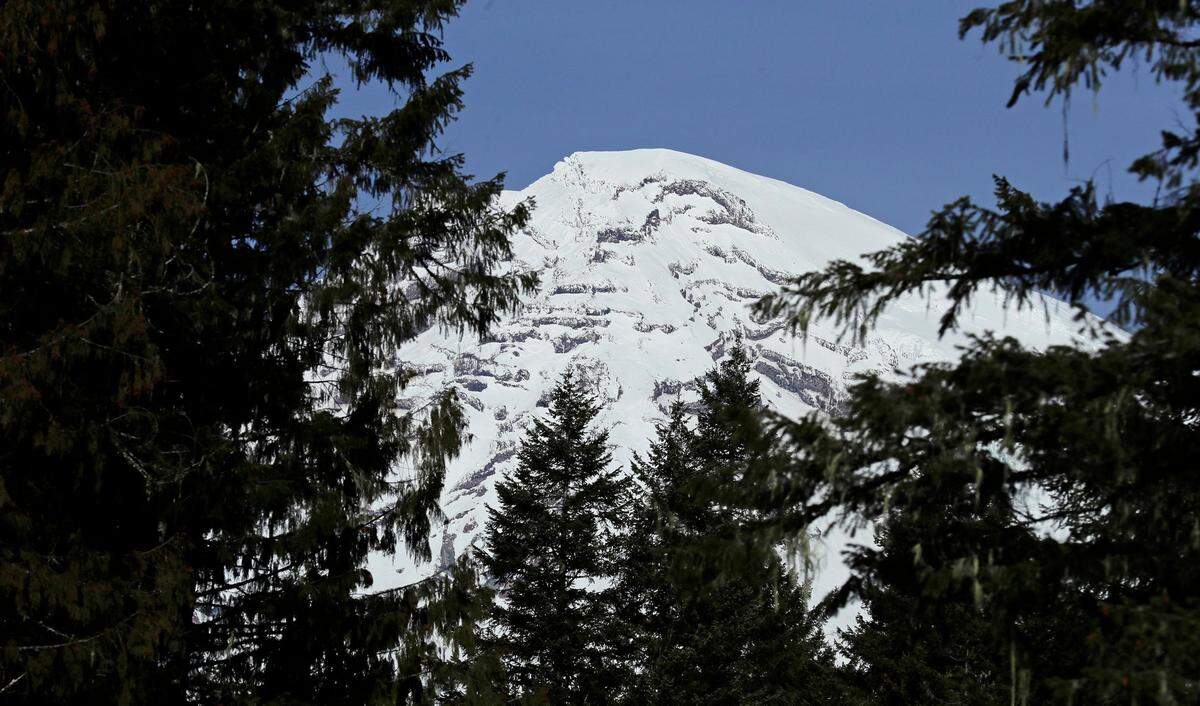
A drier than usual January left the snowpack in the Cascade Mountains lower than normal.
“That hurt us,” said Scott Pattee, water supply specialist for the Natural Resources Conservation Service in Mount Vernon, Wash. “Feb. 1 was worse than Jan. 1.”
But it’s still too early to say what kind of irrigation season lies ahead, particularly for districts like the Kennewick Irrigation District that rely on water from the Yakima River.
Both melting snow pack to fill the river and also water stored in reservoirs contribute to irrigating crops and keeping lawns and gardens green.
Reservoir storage looks good so far this winter.
The five reservoirs of the Yakima Basin are 45 percent full now, which is 91 percent of normal for this time of year, said Chris Lynch, a civil engineer with the U.S. Bureau of Reclamation in Yakima.
Mountain snow lagging
The reservoir water can be used for later in the irrigation season if there is a good snowpack to provide water in the spring and summer.
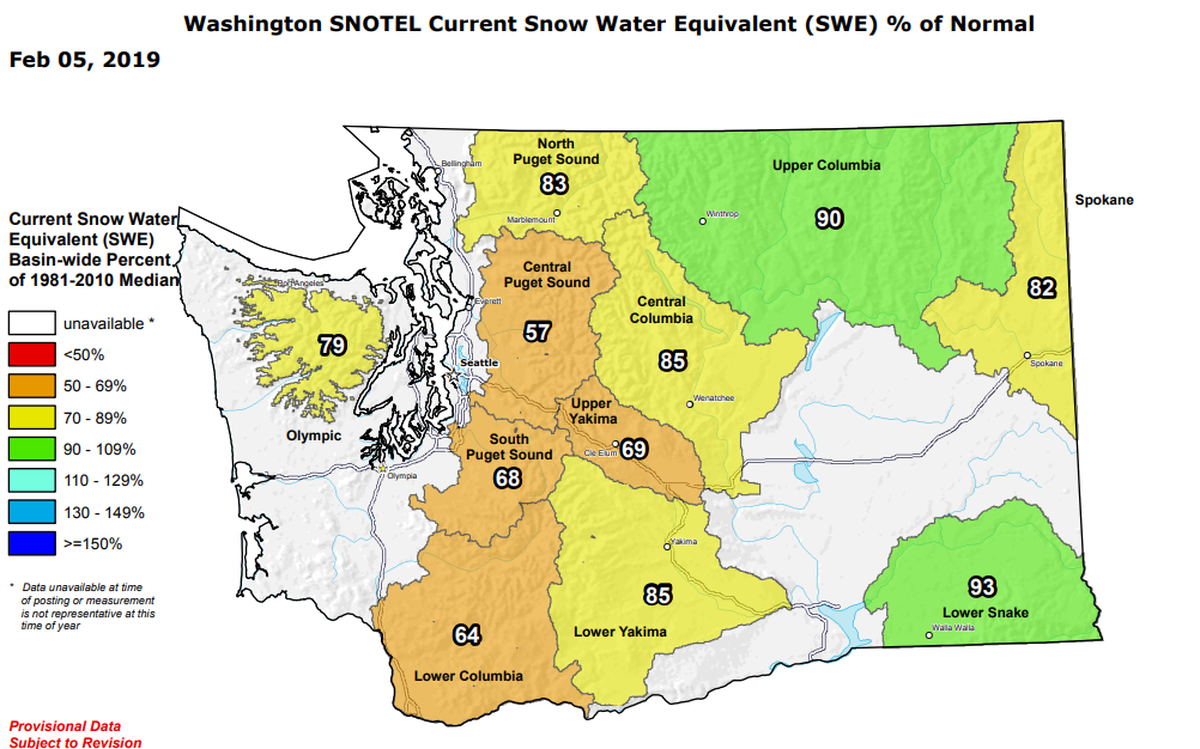
But as of Tuesday the snowpack measured in the lower Yakima Basin was 84 percent of normal and the upper Yakima Basin had a snowpack just 69 percent of normal, according to the Natural Resources Conservation Service.
The majority of the water comes from the upper basin, but the snow has not been hitting that area, Pattee said.
There’s still time for the snowpack to build. Heavy snow is possible in the mountains this weekend, he said.
“We need at least this month to be cold and wet,” Pattee said.
While February may be the coldest month of the winter this hear, the U.S. Climate Prediction Service is predicting that the effects of a weak El Nino will continue. It could mean temperatures above average and precipitation below average into the spring.
The snowpack tends to go up and down, and this winter is no exception, Lynch said.
Even if it is below normal, there still can be enough water for the irrigation season.
“Most of the time we come out OK,” Lynch said.